
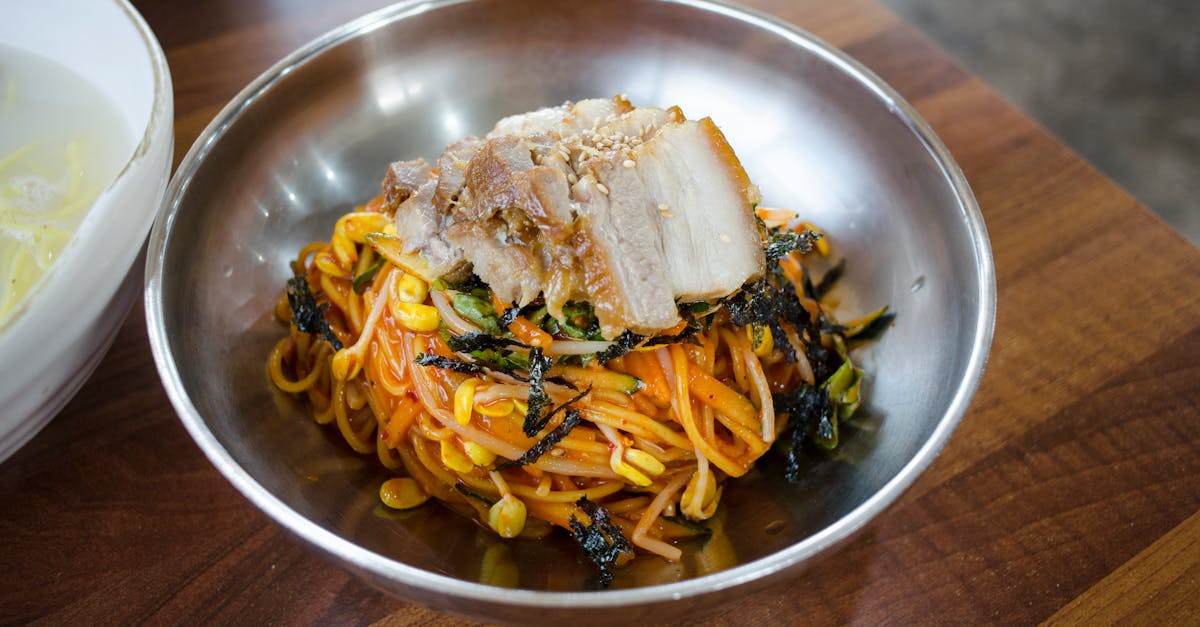
I learned to make pork coppa the long way: by testing cures, watching humidity charts, and slicing dozens of trial pieces. The first time I bit into a home-cured coppa that had matured correctly I stopped mid-chew and wrote down what I would never skip again. This guide gives you that exact process, clear steps, exact numbers, and safety checks, so you can make consistent coppa at home. I use plain language, measured targets, and practical warnings so you don’t waste meat or time.
Key Takeaways
- Follow the pork coppa recipe percentages: 2.5% kosher salt, 0.5% sugar, and 0.25% Prague Powder #1 (by weight) to ensure safe curing and consistent flavor.
- Cure in the refrigerator at 34–40°F (1–4°C), vacuum-seal and turn the meat every 24–48 hours, and plan 7–14 days per inch of thickness for full salt penetration.
- Hang and age at 50–60°F (10–15°C) with 70–80% RH for the first 7–14 days, then 50–55°F and 60–70% RH until 30–40% weight loss (typically 3–6 months) for ideal texture and taste.
- Monitor safety: measure Prague Powder #1 precisely by grams, reject black/green fuzzy or slimy growths, and discard any coppa with sour or rotten odors.
- Slice paper-thin for serving, store vacuum-sealed refrigerated for 6–12 months, and use trimmings for crisps or rendered fat to minimize waste.
What Is Pork Coppa And Why Make It At Home
Pork coppa (also called capocollo or capicola) is a cured, dry-aged whole-muscle charcuterie from the neck or shoulder of the pig. It develops a deep, slightly sweet pork flavor with marbled fat that melts on the tongue. I call it a “compact prosciutto” because it comes from a single muscle and cures into a dense, sliceable log.
A home cure delivers two clear benefits: cost savings and flavor control. A whole coppa roast costs about 30–60% less per pound than equivalent deli slices, which means you can craft complex seasonings for the same budget. Small-scale curing also lets you test profiles, more black pepper one time, a hint of orange zest the next, which means you control the taste outcomes instead of relying on what a store offers.
Quick fact: a typical coppa loses 30–40% of its weight during aging. That means a 5 lb (2.3 kg) raw muscle often yields 3–3.5 lb (1.4–1.6 kg) finished coppa, which means you must plan for shrinkage when buying meat.
Why bother at home? Because you can make a 100% natural product with chosen ingredients and traceability. That matters if you value reduced additives or want a specific spice mix. And because it’s satisfying: making coppa turns raw meat into a preserved product that lasts, which means less food waste and more memorable meals.
Ingredients And Equipment You’ll Need
I divide this into three parts: the meat, the cure mix, and the tools. Below I list what I consistently use and why each item matters.
Selecting The Right Cut Of Pork
Select the pork neck or the upper shoulder (blade). I prefer a single, well-marbled muscle, about 3–6 lb (1.4–2.7 kg). Look for visible marbling and a uniform shape, which means the coppa will cure evenly.
Specifics: choose meat from a butcher you trust. If you want a trim reference, I ask for a coppa roast or the pork neck center. Buying a 5 lb piece with 15–25% visible intramuscular fat gives the best balance, which means good flavor and a moist finished product.
Curing Ingredients And Flavorings (Salts, Sugars, Spices, Nitrates)
I use a base of kosher salt, sugar, spices, and Prague Powder #1 (curing salt). Below is the formula I use per kg of meat:
| Ingredient | Amount per 1 kg meat | Why it matters (which means…) |
|---|---|---|
| Kosher salt | 25 g (2.5%) | Preserves and firms the meat, which means reduced bacterial risk and flavor concentration. |
| Sugar (white or dextrose) | 5 g (0.5%) | Feeds beneficial bacteria and balances salt, which means less harshness on the palate. |
| Prague Powder #1 (6.25% NaNO2) | 2.5 g (0.25%) | Prevents botulism and fixes color, which means safer cured meat and the characteristic pink hue. |
| Black pepper | 5–10 g | Flavor and surface texture, which means a spicy bite in slices. |
| Fennel seed or crushed red pepper | 2–6 g | Regional character, which means you can dial toward sweet or spicy notes. |
Note: Prague Powder #1 contains sodium nitrite and must be measured precisely. Prague Powder #1 is 6.25% sodium nitrite by weight, which means you should follow weight-based recipes and never substitute by volume.
Essential Tools And Aging Setup (Thermometer, Humidity, Netting)
You need accurate control points. I recommend these items and why I use them:
- Probe thermometer (±0.5°F accuracy). I use one to track ambient and meat temperatures, which means I catch early temperature drift.
- Hygrometer (accurate to ±2% RH). Humidity control prevents case hardening, which means even drying and reliable aging.
- Drying/hanging netting or butcher twine. Netting gives a uniform shape, which means easier slicing.
- Vacuum sealer or heavy-duty plastic wrap. Vacuum sealing reduces cure air pockets, which means better salt penetration.
- Wire hooks and a clean hanging area. A dedicated curing chamber or a converted refrigerator with a fridge controller works well, which means you keep stable temps.
Stat: commercial charcuterie producers often target 60–70% relative humidity (RH) and 50–60°F (10–15°C) for many whole-muscle cures. I aim for those numbers at home, which means consistent drying without case hardening.
Step-By-Step Coppa Recipe: From Cure To Slice
Below I outline the process I follow. I include exact targets, times, and sensory cues so you can replicate results.
Preparing The Cure Mix And Rubbing The Pork
I combine my dry ingredients in a bowl and weigh them against the meat weight. I rub the entire muscle with the cure mix, massaging it into every surface groove. I then place the rubbed coppa into a vacuum bag or a non-reactive container.
Practical detail: I apply the cure evenly and then add whole spices (cracked pepper, crushed fennel) over the surface. That creates a pepper crust after drying, which means a flavorful exterior and attractive slices.
Vacuum Sealing, Massaging, And Refrigerated Cure Period
I vacuum seal the meat to remove air pockets. I refrigerate at 34–40°F (1–4°C). I flip and massage the sealed bag every 24–48 hours to redistribute cure and expelled juices. Typical cure time: 7–14 days per inch of thickness. For a 3 lb coppa about 2.5″ thick, I cure 10–14 days, which means consistent salt penetration and color fix.
Quick stat: salt diffusion generally moves at about 0.1–0.3 mm/hour in dense muscle. That means cure time scales with thickness, not just weight.
Rinsing, Drying, And Trussing/Tying For Even Shape
After curing, I remove the coppa and rinse under cold water to clear excess surface salt. I pat it dry and then apply a light glaze of olive oil or a final spice rub. I stuff it into a curing net or tie butcher twine to form a uniform log. That gives an even circumference, which means uniform drying and an attractive final shape.
Hanging, Drying, And Aging Timeline With Temp/Humidity Targets
I hang coppa in my curing chamber at these targets:
- Drying phase (first 7–14 days): 50–60°F (10–15°C), 70–80% RH. This phase firms the surface without rapid moisture loss, which means it prevents case hardening.
- Aging phase (until finish): 50–55°F (10–13°C), 60–70% RH. I aim for steady weight loss of about 0.5–1% per day. That means slow, even drying and flavor development.
Aging length: I usually age until the coppa has lost 30–40% of its starting weight, typically 3–6 months depending on size and conditions. A 5 lb coppa that loses 35% will finish at about 3.25 lb, which means concentrated flavor and safe preservation.
Testing Doneness And Determining When Coppa Is Ready
I test readiness two ways: weight loss and texture. I measure weight weekly and stop when weight loss hits target (e.g., 35%). I also press: a fully aged coppa gives firm resistance and a slight spring, not a soft, spongy feel, which means it has dried correctly internally.
Tip: for a 3–4 month aging, expect a 35% loss. If it reaches 45% loss and feels brittle, it’s overdried, which means it will be drier and slice thinner but remain safe to eat.
Food Safety, Sanitation, And Legal Considerations
Safety matters more than flavor. I follow tight sanitation, precise cure measurements, and documented procedures.
Preventing Contamination And Managing Mold (Good Vs. Bad Mold)
White surface molds (Penicillium nalgiovense) are common and desirable: they protect the meat and add flavor, which means they reduce the chance of harmful mold takeover. You can lightly brush them off with a cloth and white vinegar if desired.
Black, green, fuzzy, or slimy growths are signs of bad mold or bacterial contamination, which means you should discard the product or cut away affected areas with a 1″ margin and reassess conditions.
Sanitation checkpoints: sanitize hooks, nets, and hands with a food-safe sanitizer before handling. Keep curing areas clean and dedicated to charcuterie, which means lower cross-contamination risk.
Using Curing Salts And Safe Nitrate/Nitrite Levels
I use Prague Powder #1 only, measured by weight. Common home-cure guidelines: 0.25% of meat weight with Prague Powder #1 (which is 6.25% nitrite) provides about 156 ppm nitrite in the final formula. That means the product is within widely accepted safety margins for short-term curing. Do not exceed recommended amounts.
Legal note: some jurisdictions restrict selling home-cured meats. I recommend checking local health codes before selling cured meats. For personal use, follow local guidance and established recipes.
Troubleshooting Common Problems (Sliminess, Overdrying, Off-Odors)
- Slimy surface after initial dry: often caused by too-high temp or poor airflow. Solution: lower temp by 2–5°F and increase airflow. That means moisture will evaporate and surface bacteria will not flourish.
- Overdrying: if weight loss passes 45% and product feels brittle, you can rehydrate slightly by placing coppa in a sealed container with a damp towel for 24–48 hours. That means you can salvage slices for cooking rather than deli-style serving.
- Off-odors (sour, rotten): strong sour or rotten smells mean bacterial spoilage. Discard the product, which means you stop risk of foodborne illness and reassess sanitation and cure ratios.
Serving, Cooking, And Recipe Ideas
Coppa is versatile. Below I share how I present it and ways I use trimmings.
How To Slice And Present Coppa (Thin Slices, Pairings)
I slice coppa as thin as a credit card with a sharp slicer or knife. Thin slices concentrate fat and aroma, which means a better mouthfeel and balanced salt.
Pairings I use:
- Cheese: firm pecorino or aged manchego for contrast, which means savory balance.
- Bread: rustic sourdough or a thin cracker, which means texture contrast.
- Fruit: figs or thin pear slices, which means a sweet counterpoint.
Presentation tip: arrange slices overlapping in a fan. Add a drizzle of good olive oil and a sprinkle of sea salt for guests, which means an elevated plate without fuss.
Using Coppa In Sandwiches, Charcuterie, Pasta, And Pizza
I layer coppa on sandwiches with provolone, arugula, and a smear of mustard. That means salty, spicy, and bitter notes in each bite.
On pizza: I add paper-thin coppa after baking for a silky finish. That means the meat warms but does not dry to a crisp. For a recipe inspiration, try my tostada-style pizza adaptation, which blends crisp base and delicate cured meats: Tostada Pizza Recipe.
In pasta: I crisp lardons of coppa to flavor olive oil, then toss with pasta and lemon, which means an intense pork flavor with bright acidity.
Cooking With Coppa: Quick Sear, Crisping, And Flavor Uses
Quick sear: hot pan, 15–30 seconds per side to render edges, which means crispy bites that still melt in the mouth.
Crisp for garnish: cut small cubes, fry until brown, and use like pancetta bits. That means concentrated pork fat and crunchy texture.
Substitute: use coppa where recipes call for prosciutto or pancetta. That means you keep curing-derived depth without drastically changing technique.
Variations And Flavor Profiles To Try
After mastering my base recipe, I experiment. Below are variations I rotate through and why they work.
Classic Italian Seasonings (Fennel, Black Pepper, Red Pepper Flakes)
I try a 2:1 black pepper to fennel ratio for a traditional profile. Example: on a 2 kg coppa I use 20 g cracked black pepper and 8 g toasted fennel seed. That gives aromatic licorice notes balanced with pepper heat, which means a taste that echoes southern Italian charcuterie.
Smoked, Spiced, Citrus, And Herb-Infused Variations
Cold-smoking for 2–6 hours adds a light smoke that complements fat. I cold-smoke at <90°F (32°C) to avoid cooking, which means smoky flavor without texture change.
Citrus zest (1–2 g per kg) brightens the profile, which means a fresher finish on the palate.
Herbs like rosemary or sage (1–3 g per kg) infuse savory notes during cure, which means herbaceous depth.
Scaling The Recipe: Small Batches Vs. Whole Muscle Cures
I make small 1–1.5 lb coppa when testing flavors: it cures faster and wastes less if a profile fails. For gifts or long-term use I cure 4–6 lb whole muscles. Small batches lose 35% in ~2–3 months, which means quicker rewards. Whole muscles yield more yield but require longer and more controlled aging, which means patience and better economy per pound.
Storage, Shelf Life, And Reuse
Proper storage extends quality and reduces waste.
Proper Storage After Aging (Refrigeration, Vacuum Sealing)
After aging, I vacuum seal whole pieces or wrap tightly in butcher paper and refrigerate at 34–38°F (1–3°C). Vacuum-sealed coppa keeps 6–12 months in the fridge, which means convenient long-term use.
If you freeze slices, use single-layer freezer-safe packets. Frozen coppa retains good flavor for 6 months, which means you can stock for special recipes.
How Long Coppa Keeps And Signs It’s Past Its Prime
Uncut, a well-cured coppa stored correctly can last 6–12 months refrigerated. Cut slices are best within 7–14 days for optimum texture and aroma, which means you should portion for use.
Signs it’s past prime: sticky or slimy surface, sharp rotten odors, or discolored flesh beyond the usual deep pink. Those signs mean discard or trim aggressively.
Using Leftover Trimmings And Making Crisps Or Breadcrumbs
I render trimmings into fat by low-and-slow pan cooking: the crisped pieces become snackable, and the fat flavors sauces. That means you get maximum utility from one roast.
I also pulse dried trimmings into breadcrumbs and toast them with garlic and parsley for a pork-flavored topping, which means a quick way to add depth to pasta or roasted vegetables.
For recipe inspiration using pork with Blackstone methods, check this related riff I used to crisp cured pork for fried rice: Pork Fried Rice Blackstone Recipe.
Conclusion
I find coppa is one of the most rewarding cures you can do at home. It demands attention to weight, time, temperature, and sanitation, but those controls return concentrated flavor, shelf-life, and creative freedom.
A final checklist I use before starting a cure:
- Accurate scale and Prague Powder #1 measured by grams. That means precise nitrite levels.
- A plan for a 30–40% weight loss target and weekly weigh-ins. That means predictable texture.
- A stable curing chamber or controlled fridge with a thermometer and hygrometer. That means safe and consistent aging.
Quote I live by when I cure: “Measure, watch, and taste.” I measure precisely, I watch conditions daily, and I taste small test slices as the coppa approaches the weight target, which means I catch the moment when texture and flavor align.
If you want a simple serving idea to start: fold thin coppa slices on a warm pita with lemony yogurt and arugula. That makes an immediate, satisfying snack and shows off the meat’s richness, which means your first homemade coppa will impress.
For more recipe pairings that use cured meats and crisp bases, I sometimes adapt toppings from pizza and flatbread recipes like this tostada-style pizza guide: Tostada Pizza Recipe. You can also explore charcuterie-friendly sides in a broader recipe collection, like the shrimp and mussels preparations I use when I need a seafood accent on a shared board: Shrimp and Mussels Recipes.
Ready to start? Get a small, well-marbled coppa roast, weigh it, build your cure to the percentages above, and track weight loss weekly. Do this and you’ll see how a simple muscle becomes one of your most versatile pantry pieces, which means months of flavorful meals ahead.
Frequently Asked Questions
What is a pork coppa recipe and what cut should I use?
A pork coppa recipe cures a single whole-muscle from the pork neck or upper shoulder into a dense, sliceable log. Choose a 3–6 lb well-marbled coppa roast (15–25% intramuscular fat) with a uniform shape for even curing and the best flavor and moisture balance.
How do I calculate and apply the cure mix for homemade coppa?
Use weight-based ratios: kosher salt 2.5% (25 g/kg), sugar 0.5% (5 g/kg), and Prague Powder #1 0.25% (2.5 g/kg) plus spices. Weigh the meat, mix dry ingredients, rub evenly, vacuum-seal, and refrigerate. Precise measurement of Prague Powder #1 is essential for safety and color fixing.
What temperature and humidity targets should I use while aging coppa?
Aim for drying at 50–60°F (10–15°C) and 70–80% RH for the first 7–14 days, then age at 50–55°F (10–13°C) and 60–70% RH. These conditions help prevent case hardening and support steady weight loss of about 0.5–1% per day.
How long does a pork coppa recipe take from cure to slice and how do I know it’s ready?
Cure time is roughly 7–14 days per inch of thickness; aging typically takes 3–6 months until 30–40% weight loss. Test readiness by weekly weigh-ins and texture: finished coppa is firm with slight spring, not spongy. Over 45% loss usually means overdried.
Can I omit curing salts or use a natural nitrite alternative for coppa?
Omitting Prague Powder #1 raises botulism risk and color change; it’s not recommended. Natural alternatives like celery powder contain variable nitrates and require careful conversion and measurement. For safety and predictable results, use Prague Powder #1 measured by weight and follow established guidelines.
