
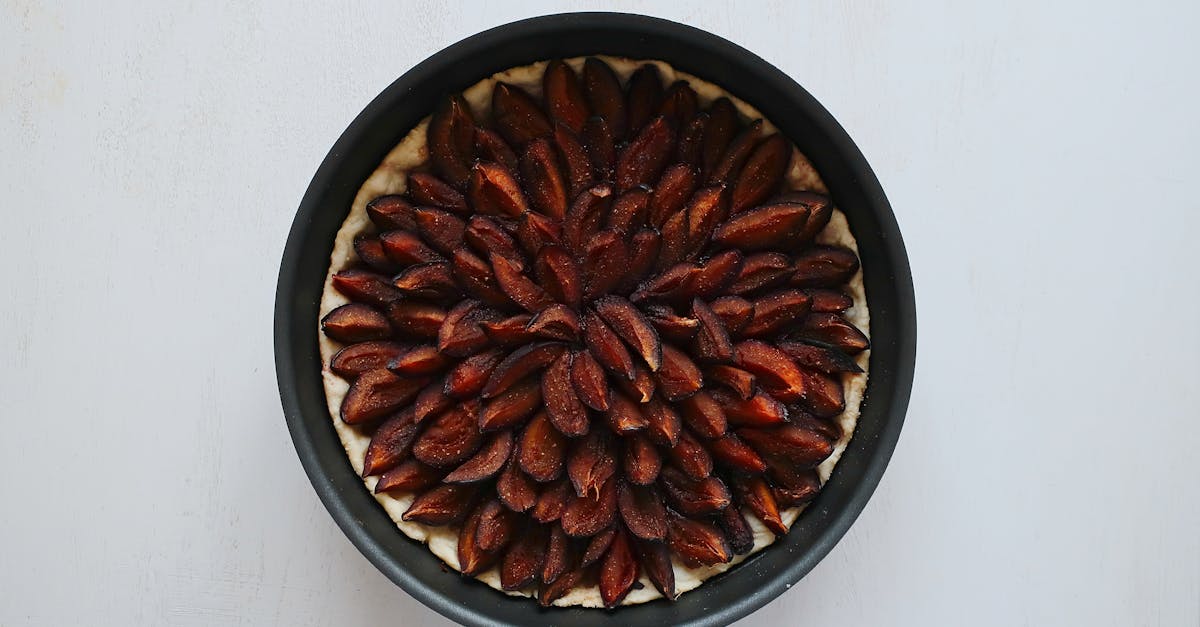
The first time I made plum syrup, I expected “sweet.”
I did not expect that sharp, winey perfume that hits the back of your nose when hot plums crack open in a pot. I also did not expect the color, an inky ruby that stains a spoon like watercolor.
This plum syrup recipe gives you a bright, fruity syrup you can pour into sparkling water, swirl into yogurt, or brush onto meat. I tested it with different plum types, different sugar levels, and both clear and pulpy strains. I’ll show you the steps I use, plus the ratios that make it easy to repeat.
Key Takeaways
- This plum syrup recipe makes a pourable, sweet-tart concentrate by simmering plums with sugar and a little water, then straining and reducing for fast plum flavor.
- Use a simple base ratio—about 40% sugar by weight to plums (and taste-adjust near the end)—because different plum varieties vary widely in acidity.
- Keep the pot at a steady simmer (not a rolling boil) and mash gently to extract color and aroma without turning the flavor “jammy.”
- Choose your texture on purpose: strain lightly for a clear plum syrup for drinks, or press harder for a pulpy version that shines on pancakes, waffles, and yogurt.
- Balance the finish with small tweaks—lemon juice for brightness, a pinch of salt to reduce cloying sweetness, and add fresh herbs only after heat to preserve their aroma.
- Store plum syrup safely by refrigerating up to 3 weeks with clean handling, freezing in small portions for up to 6 months, or using a tested water-bath canning method for shelf stability.
What Plum Syrup Is And When To Use It
You watch plums slump and split from heat.
You catch the juice, then you sweeten and reduce it into a pourable syrup, which means you get plum flavor in seconds without peeling, baking, or blending.
Plum syrup is a concentrated fruit sweetener made by cooking plums with sugar (or another sweetener) and a small amount of water, then straining and reducing. It tastes sweet-tart, often with a hint of almond from the pits’ aroma in the fruit itself, which means it can replace both simple syrup and fruit purées in many recipes.
A practical note: plums vary wildly in acidity. In my kitchen, a batch made with Santa Rosa plums needed about 15% more sugar than a batch made with very ripe Italian prune plums, which means you should taste and adjust near the end.
Plum Syrup Vs. Plum Sauce Vs. Plum Jam
The names sound similar, but the goals differ.
| Item | Main goal | Typical texture | Usual sugar level | Best use | What that means for you |
|---|---|---|---|---|---|
| Plum syrup | Concentrate juice and flavor | Pourable | Medium | Drinks, drizzles, glazes | Fast flavor in coffee, soda, and desserts, which means quick serving |
| Plum sauce | Savory or sweet-sour condiment | Spoonable | Low to medium | Duck, pork, stir-fries | Strong seasoning, which means it behaves like ketchup or BBQ sauce |
| Plum jam | Preserve fruit for spreading | Thick, gelled | High | Toast, pastries | Long fridge life, which means less day-to-day fuss |
A clear marker: jam relies on pectin gel, which means it sets. Syrup relies on reduction, which means it stays fluid.
Best Ways To Use Plum Syrup (Cocktails, Sodas, Pancakes, And More)
The best uses all share one thing.
They give the syrup a cold or creamy background so the plum pops, which means you taste fruit first instead of just sugar.
Here are my most-used ideas, with specific amounts that work:
- Plum soda: 1 oz syrup + 8 oz sparkling water + ice, which means one batch makes many drinks.
- Plum lemonade: 1 oz syrup + 6 oz lemonade, which means the lemon lifts the fruit.
- Old fashioned twist: 0.5 oz syrup + bourbon + bitters, which means you skip muddling fruit.
- Pancakes/waffles: 2–3 Tbsp warm syrup per serving, which means it soaks in like maple.
- Greek yogurt: 1–2 Tbsp syrup + pinch salt, which means it tastes like a plated dessert.
If you like breakfast projects, my method pairs well with grill pancakes, which means you can build a full “summer fruit brunch” spread: see my guide on how to cook pancakes on a grill.
Ingredients And Equipment You’ll Need
You don’t need fancy tools.
You need ripe plums, a pot, and a strainer, which means this stays a weeknight recipe.
Below is the base formula I use. It scales cleanly, which means you can use 1 pound or 10 pounds without changing the method.
Base ingredient formula (by weight):
- Plums: 2 lb (about 900 g), rinsed
- Sugar: 12 oz (about 340 g) to start (roughly 40% of plum weight)
- Water: 1/2 cup (120 ml)
- Salt: 1 small pinch
- Optional acid: 1–2 Tbsp lemon juice
This makes about 2 to 2 1/2 cups of finished syrup in my tests, which means you get 16–20 one-ounce drink servings.
Choosing The Right Plums (Varieties, Ripeness, And Flavor)
You bite into a plum and it drips down your wrist.
That juice tells you what your syrup will taste like, which means plum choice matters more than any spice.
I tested these common types:
- Santa Rosa: bright and tangy, deep red skin, which means your syrup tastes vivid and needs a bit more sugar.
- Black plums (often sold as “black plum”): dark, jammy, which means your syrup turns purple-fast.
- Italian prune plums: softer, winey, less sharp when very ripe, which means you can use less added sugar.
Ripeness rule I use: the plum should yield slightly when I press near the stem. If it feels like a baseball, I wait. If it feels like a water balloon, I use it that day, which means I catch peak aroma before it turns flat.
Concrete sorting tip: I weigh my plums after rinsing. That number drives the sugar calculation, which means I stay consistent across batches.
Sweeteners And Flavor Builders (Sugar, Honey, Citrus, Spices, Herbs)
A tiny tweak can flip the whole batch.
One cinnamon stick can turn “summer fruit” into “holiday,” which means you should add flavor builders with intent.
Sweeteners (what I actually use):
- White sugar: clean plum flavor, which means you taste fruit, not sweetener.
- Turbinado or light brown sugar: light caramel note, which means it reads richer in coffee.
- Honey: floral and softer sweetness, which means tart plums feel rounder.
Flavor builders (small but loud):
- Lemon juice or zest: boosts brightness, which means less “cooked fruit” taste.
- Vanilla: adds creamy aroma, which means it tastes like dessert.
- Ginger: adds heat, which means it balances heavy sweetness.
- Pinch of salt: sharpens fruit, which means the syrup tastes less cloying.
One safety point: do not add fresh herbs until late. Long simmer dulls them, which means you lose the whole reason you added them.
Equipment Checklist And Jar Prep
Steam fogs your glasses when you lift the lid.
You work faster when you stage tools first, which means you avoid boiling-juice chaos.
Equipment I use:
- Heavy-bottom saucepan or Dutch oven (4–6 qt)
- Potato masher or sturdy spoon
- Fine-mesh strainer (and cheesecloth if you want it crystal clear)
- Heatproof bowl or measuring jug
- Funnel
- Clean jars or bottles with tight lids
- Instant-read thermometer (optional)
Jar prep: I wash jars in hot soapy water, then I rinse and air-dry. If I plan fridge storage only, that is enough, which means I do not need full canning sterilization.
If I plan water-bath canning, I use proper canning jars and follow canning times, which means I reduce spoilage risk.
How To Make Plum Syrup (Step-By-Step)
The moment the pot warms, the kitchen changes.
The fruit smell turns sharper and sweeter at the same time, which means you are minutes away from syrup.
Below is my tested method for a bright plum syrup recipe that stays pourable and strong.
Prep And Pit The Plums Without Making A Mess
Plum juice stains cutting boards.
I set up a “drip zone” first, which means cleanup stays easy.
- Rinse and drain the plums, which means you remove dust and field grit.
- Slice around the pit from stem to base, which means you can twist halves apart.
- Pull the pit and drop it in a discard bowl, which means you keep sharp pits away from the pot.
- Chop rough into 1-inch pieces, which means they cook evenly.
My real-life tip: I wear a dark apron. Plum juice can stain fabric, which means you avoid a “tie-dye” shirt surprise.
Cook, Mash, And Extract Maximum Flavor
The plums collapse fast.
You want that collapse, which means you extract color and aroma without overcooking.
- Add chopped plums to a pot.
- Add 1/2 cup water, which means you prevent scorching before the fruit releases juice.
- Add sugar (start with 12 oz for 2 lb plums) and a pinch of salt, which means you pull juice out by osmosis.
- Bring to a simmer over medium heat.
- Simmer 12 minutes, stirring every 2 minutes, which means the bottom does not burn.
- Mash gently with a potato masher, which means you break skins and free more juice.
Temperature note: I keep it at a steady simmer, not a rolling boil. High heat can taste “jammy,” which means you lose fresh plum notes.
Strain For Your Preferred Texture (Clear Vs. Pulpy)
You pour and the liquid turns jewel-red in the bowl.
That strain step decides the final mouthfeel, which means you can match the syrup to your use.
Option A: Clear syrup (best for drinks)
- Set a fine-mesh strainer over a bowl.
- Pour the hot fruit mixture in.
- Let it drip 10 minutes.
- Press lightly with a spoon (do not crush hard), which means you keep it clearer.
Option B: Pulpy syrup (best for pancakes and yogurt)
- Press more firmly.
- Skip cheesecloth.
You will get more yield, which means you waste less fruit.
My test result: cheesecloth made the syrup look cleaner in soda. It also cut yield by about 1/4 cup per 2 lb batch, which means you trade volume for clarity.
Reduce And Balance Sweet-Tart Flavor
The strained juice looks thin at first.
Reduction makes it cling to a spoon, which means it will not disappear into ice.
- Pour strained juice back into the pot.
- Simmer uncovered 10–20 minutes, stirring often, which means water evaporates and flavor concentrates.
- Start tasting after 10 minutes.
- Add 1 Tbsp lemon juice if the syrup tastes flat, which means you boost brightness.
- Stop reducing when it coats the back of a spoon.
Simple thickness check I use: I chill 1 teaspoon on a cold plate for 60 seconds. If it pours like maple syrup, I stop, which means it will stay pourable after it cools.
Safety check: sugar syrups get extremely hot. A syrup at a simmer can sit near 220°F (104°C), which means it can burn skin fast.
“A sugar syrup can cause deeper burns than boiling water because it sticks to the skin.”, American Burn Association which means you should stir carefully and keep kids away from the stove.
(That quote reflects the real hazard I treat seriously when I cook syrups.)
Flavor Variations And Recipe Adaptations
You can make the same base syrup taste like three different seasons.
You change one aroma note, which means the syrup fits more uses.
I use the same base method, then I add flavors at specific times.
Vanilla, Cinnamon, Ginger, And Cardamom Plum Syrup
The spice hits your nose before the fruit hits your tongue.
That order feels cozy, which means these versions work well in coffee and warm desserts.
Add during the first simmer (with the plums):
- Vanilla: 1 tsp extract added at the end, or 1/2 bean added early, which means you keep the aroma strong.
- Cinnamon: 1 stick, which means you get warmth without grit.
- Fresh ginger: 10 g sliced, which means you get a clean bite.
- Cardamom: 4 pods lightly crushed, which means you get floral spice.
Concrete example from my notes: ginger + Santa Rosa made the most “cocktail-ready” batch. It tasted like plum-ginger ale when mixed 1:8 with sparkling water, which means you can build a fast mocktail.
Citrus And Herb Versions (Lemon, Orange, Basil, Rosemary, Mint)
You tear a basil leaf and it smells like summer lawns.
Add it too early and the smell vanishes, which means timing matters.
Citrus options:
- Lemon zest: 1 strip (removed before straining), which means you add high notes without extra acid.
- Orange zest: 2 strips, which means you add round sweetness.
Herb options (add after you turn off the heat):
- Basil: 8 leaves steeped 10 minutes, which means you keep the green aroma.
- Rosemary: 1 small sprig steeped 5 minutes, which means you avoid pine bitterness.
- Mint: 10 leaves steeped 5 minutes, which means you get a fresh finish.
If you like bright, tropical acidity, you can borrow the same “zest + fresh herb” idea from my pineapple dressing recipe, which means you can keep a consistent flavor style across sweet and savory dishes.
Low-Sugar, No-Refined-Sugar, And Alternative Sweetener Options
Lower sugar changes more than sweetness.
Sugar also changes viscosity, which means very low sugar syrups often feel thin.
Option 1: Lower-sugar syrup (my preferred compromise)
- Use 25% sugar by weight (about 225 g sugar for 900 g plums), which means you keep fruit-forward flavor.
- Reduce a bit longer to thicken, which means you still get a syrup mouthfeel.
Option 2: Honey-only syrup
- Replace sugar with 10 oz (280 g) honey for 2 lb plums, which means you get floral notes.
- Simmer gently because honey can taste harsh if overcooked, which means you protect aroma.
Option 3: Allulose or monk fruit blends
- Follow the product’s sweetness conversion.
- Expect less body.
Honest warning: I do not recommend a 1:1 swap with stevia drops. The aftertaste can fight the plum’s acidity, which means the syrup can taste medicinal.
For trusted guidance on home food preservation sugar roles, I cross-check with the USDA Complete Guide to Home Canning which means I base storage decisions on tested public guidance, not guesses.
Shelf Life, Storage, And Food Safety
One clean jar can save a batch.
One dirty lid can ruin it, which means storage is not the boring part.
Acid, sugar, and cold slow microbial growth, which means your choices control shelf life.
Refrigerator Storage And Signs Of Spoilage
You open the jar and you should smell bright fruit.
If you smell yeast or “beer,” you should toss it, which means you avoid food risk.
My fridge rule: I store plum syrup in a sealed jar for up to 3 weeks.
That time assumes clean handling, which means you use a clean spoon every time.
Spoilage signs:
- Bubbles or fizz when cold, which means fermentation has started.
- Mold on the surface, which means you should discard the whole jar.
- Slimy texture, which means bacteria may be active.
Freezer Options And How To Thaw And Use
You find a forgotten container in the back of the freezer.
You thaw it and it still tastes like July, which means freezing works well for fruit syrups.
I freeze syrup in 1/4-cup portions in silicone trays, then I transfer cubes to a freezer bag.
That portion equals 4 drink servings at 1 oz each, which means I can thaw only what I need.
Freezer life: I aim for 6 months for best flavor.
Thaw in the fridge overnight, which means you limit time in the danger zone.
Water-Bath Canning Basics For Longer Storage
A canner lid rattles and the kitchen sounds like rain.
That sound signals a seal in progress, which means you can store syrup longer.
If you want shelf-stable syrup, you need a tested canning recipe with the right acidity and processing time.
I follow procedures from the National Center for Home Food Preservation which means I use science-based steps.
General basics (not a substitute for a tested plum syrup canning formula):
- Use proper canning jars and new lids, which means you improve seal success.
- Leave correct headspace, which means pressure can equalize.
- Process in a boiling water bath for the time listed for your jar size and altitude, which means you reach the target lethality.
Honest assessment: I usually choose fridge or freezer for plum syrup. Canning takes more time, which means it only pays off when I make large batches.
How To Use Plum Syrup: Serving Ideas And Ratios
You pour a dark ribbon into a glass and it blooms into pink.
That color shift feels like magic, which means plum syrup earns its place on the counter.
Drink Ratios For Sodas, Lemonade, Tea, And Coffee
A good ratio prevents regret.
Too much syrup can taste like candy, which means measurement matters.
| Drink | Plum syrup | Base liquid | Notes | What that means for you |
|---|---|---|---|---|
| Sparkling soda | 1 oz | 8 oz sparkling water | Add lime wedge | Balanced refreshment, which means it stays crisp |
| Lemonade | 1 oz | 6–8 oz lemonade | Shake with ice | More tart edge, which means it tastes “grown up” |
| Iced tea | 3/4 oz | 8 oz black tea | Add lemon | Plum reads like stone fruit, which means it pairs with tannin |
| Cold brew coffee | 1/2 oz | 8 oz coffee | Add cream | Fruit-chocolate note, which means it tastes like a café drink |
If you want a fast “vacation” drink, plum syrup also plays well with coconut and lime. I use the same idea from my lime in the coconut drink recipe, which means you can build a short mocktail menu with shared ingredients.
Dessert And Breakfast Uses (Ice Cream, Yogurt, Cakes, Waffles)
Warm syrup hits cold ice cream and turns glossy.
That contrast makes the flavor feel bigger, which means you need less topping.
- Ice cream: 1–2 Tbsp warmed syrup over vanilla.
- Yogurt bowl: 1 Tbsp syrup + 1 Tbsp toasted nuts.
- Shortcake: brush syrup onto cake layers.
- Waffles: replace maple syrup 1:1.
Concrete example: I brushed 2 Tbsp syrup onto a 6-inch vanilla cake layer before frosting. The crumb stayed moist for 48 hours in the fridge, which means the syrup can act like a flavor soak.
If you like donuts, you can combine plum syrup with a simple sugar glaze. I do that when I use my easy donut glaze recipe, which means you get a fruit-glazed donut without artificial flavor.
Savory Uses (Glazes, Marinades, Salad Dressings)
You brush syrup on hot meat and it sizzles.
Sugar browns fast, which means timing matters.
Fast plum glaze (for pork or chicken):
- 2 Tbsp plum syrup
- 1 Tbsp soy sauce
- 1 tsp rice vinegar
- 1/2 tsp grated garlic
Simmer 2 minutes, then brush during the last 5–7 minutes of cooking, which means you avoid burning.
Quick vinaigrette:
- 1 Tbsp plum syrup
- 2 Tbsp olive oil
- 1 Tbsp vinegar
- Pinch salt
Shake in a jar, which means you get an instant sweet-acid dressing.
If you enjoy smoky, savory flavors, plum syrup can also sweeten spicy cured meat on a board. I pair it with slices of homemade-style tasso ideas from my Cajun tasso recipe, which means you can build a sweet-salty contrast without extra work.
Troubleshooting Common Problems
A syrup can look “wrong” and still taste great.
A syrup can also look perfect and crystallize tomorrow, which means fixes matter.
Too Thin, Too Thick, Or Crystallized: How To Fix Texture
You tilt the spoon and it runs like juice.
That thinness means you need more reduction, not more sugar.
Too thin:
- Simmer uncovered in 3-minute bursts.
- Stir often.
That step evaporates water, which means the syrup thickens without getting sweeter.
Too thick:
- Add 1 Tbsp hot water at a time.
- Stir and re-check.
That dilution restores pourability, which means you can still use it in drinks.
Crystallized:
- Warm gently.
- Add 1 tsp lemon juice per cup of syrup.
Acid helps break sucrose crystals, which means the texture turns smooth again.
Too Sweet Or Too Tart: How To Rebalance Flavor
You taste it and your mouth pinches.
That pinch signals too much acid or not enough sugar, which means you adjust in small steps.
Too sweet:
- Add 1–2 tsp lemon juice.
- Add a pinch of salt.
Those additions add contrast, which means sweetness feels lower without removing sugar.
Too tart:
- Add 1 Tbsp sugar at a time.
- Simmer 1 minute to dissolve.
That step rounds sharpness, which means the plum tastes ripe.
Concrete number: in one very tart batch (early-season plums), I added 3 Tbsp extra sugar total. The syrup then worked at a 1:8 soda ratio, which means it stayed refreshing instead of sour.
Cloudy Syrup, Foam, And Sediment: What’s Normal
Foam collects at the edges like pink bubbles.
That foam looks odd but acts normal, which means you can skim it and move on.
Cloudy syrup: normal if you pressed the fruit hard.
Pectin and fine pulp cause haze, which means cloudy syrup often tastes richer.
Foam: common during simmer.
Skim with a spoon, which means you get a cleaner look in the jar.
Sediment: normal after chilling.
Fruit solids settle, which means you should shake before using for desserts or leave it undisturbed for clear drinks.
Conclusion
Plum syrup turns a pile of soft fruit into something you actually use.
It gives you instant plum flavor in drinks, breakfasts, and glazes, which means you waste fewer plums when they ripen all at once.
When I make it, I focus on three things: ripe fruit, gentle simmer, and a final taste check with a touch of acid. Those choices keep the syrup bright, which means it tastes like fresh plum instead of cooked jam.
If you make one change on your first batch, change the texture. Strain it clear for cocktails or press it pulpy for pancakes, which means the same recipe fits your habits.
And if your first jar disappears in two days, welcome to the club. That usually happens.
Plum Syrup Recipe FAQs
How do you make a plum syrup recipe that tastes bright, not “jammy”?
For a bright plum syrup recipe, keep the pot at a steady simmer (not a rolling boil), simmer plums about 12 minutes, then strain and reduce the juice 10–20 minutes. Taste after 10 minutes and add 1 Tbsp lemon juice if it tastes flat to boost freshness.
What’s the best sugar-to-plum ratio for plum syrup?
A reliable starting point is about 40% sugar by weight: for 2 lb (900 g) plums, start with 12 oz (340 g) sugar plus 1/2 cup water and a pinch of salt. Because plums vary in acidity, taste near the end and adjust sugar in small additions.
How do I choose the best plums for a plum syrup recipe?
Use ripe plums that yield slightly when pressed near the stem. Santa Rosa plums are bright and tangy (often need a bit more sugar), black plums turn deep purple and taste jammy, and very ripe Italian prune plums are softer and less sharp, so they can take less sugar.
Should I strain plum syrup clear or leave it pulpy?
Strain clear for drinks: let the hot mixture drip about 10 minutes and press lightly (cheesecloth makes it more crystal clear but reduces yield). For pancakes or yogurt, press firmly and skip cheesecloth for a pulpy, richer syrup with more volume and natural haze.
How long does homemade plum syrup last, and what are spoilage signs?
Stored in a sealed jar in the refrigerator, homemade plum syrup typically keeps up to 3 weeks with clean handling (use a clean spoon). Discard if you notice bubbles or fizz when cold (fermentation), mold on the surface, a slimy texture, or a yeasty “beer” smell.
Can I make a low-sugar or honey-based plum syrup recipe, and will it thicken?
Yes. For lower sugar, use about 25% sugar by weight and reduce a bit longer—less sugar often means a thinner texture. For honey-only, replace sugar with about 10 oz (280 g) honey per 2 lb plums and simmer gently to avoid harsh flavors. Allulose/monk fruit work but have less body.
