
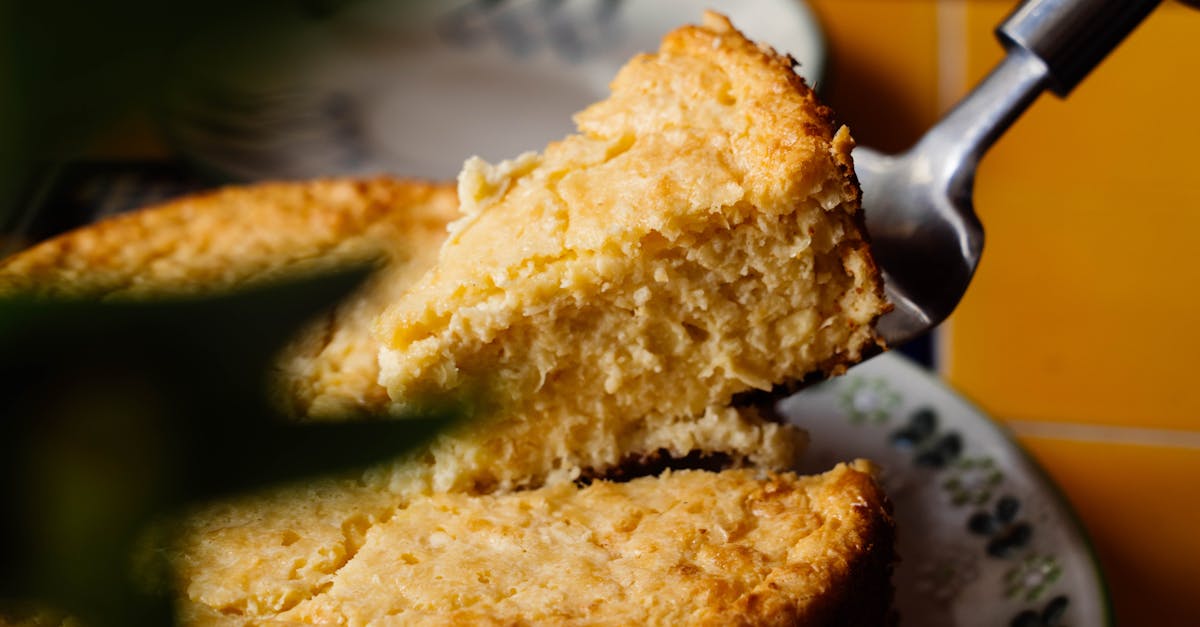
The first time I flipped a pineapple upside down cake, I heard that tiny suction-pop as the pan released.
I knew right then if I rushed the cooling window by even 2 minutes, I’d risk a broken cake or a stuck topping. This pineapple upside down cake recipe with cake mix Duncan Hines is the version I make when I want the old-school butter-and-brown-sugar finish without the stress.
Key Takeaways
- This pineapple upside down cake recipe with cake mix Duncan Hines works because the boxed mix gives consistent lift and crumb, letting you focus on a glossy caramel fruit topping.
- Build a stable topping by melting butter with brown sugar and pineapple juice until it loosens, then aim for bubbling edges in the oven (not a hard boil) to prevent sticky “glue” that causes sticking.
- Use a light-colored 9-inch round, 2-inch-deep pan and avoid dark nonstick pans so the caramel doesn’t burn before the cake sets.
- Guarantee an easy release by spraying the pan, adding a parchment round, spraying again, and patting pineapple rings dry to reduce sogginess and tearing.
- Bake using doneness cues (springy center and moist crumbs on a toothpick), then cool exactly 10 minutes before flipping so the caramel thickens without hardening.
- For clean slices and better texture, let the cake rest about 30 minutes after flipping, refrigerate leftovers up to 4 days, and reheat slices briefly (12–18 seconds) to warm the caramel without drying the crumb.
Why This Cake-Mix Version Works So Well
A pineapple upside down cake can feel fancy, but the method is simple.
I use Duncan Hines because it gives me consistent lift and crumb every time, which means I can focus on the caramel topping and the flip.
“Success here is timing plus heat control. The cake mix removes one big variable, which means the topping gets your full attention.”
Flavor And Texture Basics: Pineapple, Butter, And Brown Sugar
The topping runs on three ingredients: butter, brown sugar, and pineapple juice.
Butter melts and carries flavor, which means the topping tastes rich instead of just sweet.
Brown sugar brings molasses notes, which means you get that deeper caramel flavor even with a boxed mix.
Pineapple adds acid and juice, which means the sweetness stays bright and the cake stays moist.
Here’s the key texture truth: the topping is basically a thin caramel.
If you boil it too hard or bake it too long, it turns sticky and grabs the pan, which means your fruit layer can tear.
Concrete cue: I aim for a bubbling edge during baking, not a violent boil across the whole surface, which means the caramel sets without becoming glue.
Choosing The Right Duncan Hines Mix And Pan Size
I get the most reliable results from Duncan Hines Classic Yellow Cake Mix.
That mix has a neutral vanilla-butter profile, which means it supports the pineapple instead of fighting it.
Pan choice matters more than people think.
A 9-inch round, 2-inch deep pan gives a thick slice and a stable flip, which means less cracking.
If you only have a 9×13, you can do it, but the cake bakes thinner, which means the topping can soak in faster.
Capacity reference: Most standard cake mixes yield about 8 to 10 cups of batter (varies by brand), which means a 9-inch round or 9×13 both fit, but bake time changes.
I also avoid dark nonstick pans for this recipe.
Dark pans brown fast, which means the caramel can burn before the crumb sets.
Source for baking pan color impact: King Arthur Baking explains how pan material and color affect browning, which means you can pick a pan that matches your heat goals.
Ingredients And Tools You’ll Need
When I set everything on the counter first, I stop making “panic swaps” mid-recipe.
That setup keeps the topping smooth and the batter gentle, which means the cake bakes level and flips clean.
Ingredient List With Smart Substitutions
Below is my go-to list for a 9-inch round cake.
| Item | Amount | Why I use it | Smart swap (and the tradeoff) |
|---|---|---|---|
| Duncan Hines Classic Yellow Cake Mix | 1 box (about 15.25 oz) | Predictable crumb, which means a reliable flip | Butter Golden works too, which means more buttery flavor but slightly softer crumb |
| Eggs | As box directs (often 3) | Structure, which means cleaner slices | Use 2 eggs + 1 yolk, which means richer crumb but slightly denser |
| Water | As box directs | Hydration, which means proper rise | Use pineapple juice for up to 1/2 the water, which means stronger pineapple flavor |
| Oil | As box directs | Tenderness, which means moist cake | Melted butter, which means better flavor but firmer crumb when cold |
| Unsalted butter (topping) | 6 tbsp (85 g) | Flavor base, which means caramel that tastes like candy | Salted butter, which means skip extra salt |
| Light brown sugar | 3/4 cup (150 g) | Caramel body, which means glossy topping | Dark brown sugar, which means deeper molasses and darker color |
| Pineapple rings (canned) | 7 rings | Even layer, which means even flip | Fresh slices, which means less syrup and more prep |
| Maraschino cherries | 7 to 10 | Classic look, which means clear “center” markers | Skip them, which means less dye and less sweetness |
| Pinch of salt | 1 pinch | Flavor contrast, which means less flat sweetness | Leave out if using salted butter |
Food safety note: Canned fruit is shelf-stable, but once opened it becomes perishable, which means you should refrigerate leftovers within 2 hours.
Source: USDA food safety cold storage guidance, which means you can store leftovers with lower risk.
If you want a simple, bright side sauce for serving, I sometimes use a spoon of pineapple dressing as a drizzle.
I keep this one bookmarked: pineapple dressing recipe, which means I can turn a plain slice into a plated dessert fast.
Pan, Prep, And Must-Have Tools For Clean Release
I learned the hard way that upside down cake is a release recipe.
The bake can be perfect, but a bad pan prep ruins it, which means tools matter.
What I actually use:
- 9-inch round pan (2-inch deep), which means the topping stays contained.
- Parchment round for the bottom, which means the fruit layer lifts even if caramel cools fast.
- Nonstick spray (or butter), which means fewer grab points on the pan wall.
- Small saucepan for melting butter, which means the sugar dissolves evenly.
- Offset spatula (optional), which means you can nudge fruit without tearing it.
- A serving plate larger than the pan, which means you catch any caramel run.
Clean release trick that saves me: I spray the pan, then press in parchment, then spray again.
That double barrier prevents “welded sugar,” which means the pineapple rings stay pretty after the flip.
Step-By-Step Recipe: From Topping To Flip
The transformation happens in 10 seconds.
You lift the pan, and suddenly the bottom becomes a glossy pineapple crown, which means this cake always looks like you tried harder than you did.
Build The Brown Sugar-Pineapple-Cherry Layer
- Heat the oven to 350°F.
A fully preheated oven gives even rise, which means fewer cracks.
- Prep the pan.
I spray the pan, add a parchment round, then spray again, which means the topping has a nonstick buffer.
- Melt butter and add brown sugar.
I melt 6 tbsp butter in a small saucepan and stir in 3/4 cup brown sugar plus a pinch of salt.
I stir for 30 to 45 seconds until it looks like wet sand that starts to loosen, which means the sugar distributes instead of clumping.
- Pour topping into pan and spread.
I spread it into an even layer, which means each slice gets the same caramel.
- Add pineapple rings.
I pat the rings dry with paper towels, which means less excess syrup and less soggy top.
I place 1 ring in the center and 6 around it, which means a clean pattern.
- Add cherries.
I place a cherry in each ring center, which means the fruit doesn’t slide during the flip.
“Dry fruit feels fussy, but it stops the ‘wet sponge’ effect, which means the crumb stays cake-like instead of pudding-like.”
Mix And Pour The Cake Batter The Right Way
- Mix the batter as the box directs.
I follow the Duncan Hines instructions for eggs, water, and oil, which means I keep the designed ratios.
- Stop mixing earlier than you think.
I mix just until no dry streaks remain, which means I avoid a tough crumb.
Concrete cue: I stop the mixer when I still see 2 to 3 tiny flour specks, then I finish with a spatula, which means I do not overwork the batter.
- Pour gently over fruit.
I pour in three additions and spread lightly, which means the pineapple rings stay in place.
If I slam the batter in all at once, the fruit floats, which means the final look turns messy.
Bake Times, Doneness Cues, And Cooling Window Before Inverting
- Bake.
- For a 9-inch round: I bake 40 to 48 minutes.
- For a 9×13: I bake 28 to 35 minutes.
Ovens vary by at least ±15°F in many home kitchens, which means you should use cues, not only time.
- Check doneness.
I look for:
- A golden top, which means the crust set.
- A center that springs back, which means the crumb cooked.
- A toothpick with a few moist crumbs, which means it is not dry.
- Cool in the pan for 10 minutes.
This window is the whole trick.
The caramel needs time to thicken but not harden, which means you can flip without tearing.
- Flip.
I run a thin knife around the edge, place the plate on top, then invert in one confident motion.
I tap the pan top 3 times with my knuckles, which means I break suction.
- Lift the pan slowly.
I lift straight up.
If a ring sticks, I set the pan back down and wait 1 minute, which means steam can loosen the sugar.
Safety warning: Hot caramel can hit over 300°F while baking, which means you should use oven mitts and keep your wrists covered.
Source: USDA on candy syrup stages and temperatures, which means you can respect how hot sugar gets.
Troubleshooting: Preventing Sticking, Soggy Tops, And Broken Cakes
I once flipped too late and the topping set like epoxy.
I had to “tile” pineapple pieces back onto the cake, which means I learned prevention beats repair.
How To Guarantee A Clean Release Every Time
I use a short checklist.
| Problem risk | What I do | Why it works (which means…) |
|---|---|---|
| Sugar bonds to bare metal | I use parchment + spray | It blocks contact, which means less sticking |
| Caramel cools too long | I flip at 10 minutes | It stays fluid enough to move, which means rings release |
| Fruit leaks syrup | I pat pineapple dry | Less water hits the crumb, which means less sogginess |
| Pan warps or has scratches | I use a solid, light-colored pan | Even heat reduces hot spots, which means fewer burnt patches |
If you want a backup plan, warm the pan bottom on a burner for 10 to 15 seconds.
That brief heat softens sugar, which means the topping can let go.
Fixes For Common Issues After The Flip
If pieces stick to the pan:
I place them back like a puzzle while the caramel is still warm, which means it re-glues smoothly.
If the cake cracks:
I slice and serve “as-is” with whipped cream.
Nobody complains once they taste brown sugar butter, which means looks stop mattering fast.
If the top looks soggy:
I bake the next one 5 minutes longer or reduce added liquid.
Extra bake time drives off moisture, which means the crumb holds shape.
If the topping tastes burnt:
I lower the oven to 325°F and extend bake time.
Lower heat slows caramel browning, which means you keep flavor without bitterness.
“A pineapple upside down cake is forgiving after the flip. The pan prep is the non-forgiving part, which means you should spend your effort there.”
Flavor Variations And Add-Ins (Without Ruining The Flip)
One small add-in can make the kitchen smell like a bakery aisle.
But too many extras can destabilize the topping, which means I keep changes controlled.
Butter-Pecan, Coconut, Rum, And Spice Options
I use this rule: add dry flavor to the topping, and add liquid flavor to the batter.
That rule keeps the caramel stable, which means the fruit layer stays anchored.
My tested options:
- Butter-pecan: Add 1/3 cup chopped pecans to the brown sugar layer.
Nuts toast during baking, which means you get crunch against soft cake.
- Coconut: Add 1/4 cup sweetened shredded coconut under the pineapple.
Coconut absorbs syrup, which means it reduces pooling.
- Rum: Replace 2 tbsp of the batter water with rum.
Alcohol carries aroma, which means the cake smells richer without tasting boozy.
- Warm spice: Add 1/2 tsp cinnamon to the batter.
Cinnamon boosts perceived sweetness, which means you can avoid adding more sugar.
Practical warning: Do not add extra butter to the topping “for fun.”
Too much fat can separate the sugar, which means the topping turns greasy and slides.
Using Fresh Pineapple, Extra Cherries, Or Other Fruit
Fresh pineapple works, but it behaves differently.
Fresh fruit holds less syrup than canned rings, which means the caramel can look drier.
If I use fresh pineapple, I cut 1/2-inch slices and sprinkle 1 tsp sugar over them.
That light sugar pull draws juice to the surface, which means the topping stays glossy.
If I add extra cherries, I blot them dry.
Cherries carry dyed syrup, which means wet spots can stain the cake.
Other fruit that works in small amounts:
- Thin apple slices, which means a firmer bite.
- Peach slices (canned, drained), which means a softer, jammy layer.
If you want a fruit project that scratches the same “glossy sugar” itch, I also make candied fruit snacks like bing tang hu lu, which means you can practice sugar timing without baking a whole cake.
Making It In Different Formats: Bundt, Sheet, And Cupcakes
The first time I tried this in a Bundt, the reveal looked dramatic.
Then I realized the grooves can trap caramel, which means the format needs tweaks.
Adjusting The Topping And Bake For Each Pan
Bundt pan (10 to 12 cup):
- I grease every ridge with butter, then spray.
Extra grease protects the curves, which means less tearing.
- I increase topping to 8 tbsp butter and 1 cup brown sugar.
More topping coats more surface, which means fewer dry gaps.
- I use pineapple tidbits instead of rings.
Small pieces fit curves, which means the pattern releases easier.
Bake at 350°F for 40 to 50 minutes.
A Bundt bakes thick, which means the center needs more time.
9×13 sheet style:
- I keep the standard topping.
- I use 12 to 14 rings to cover the base.
A larger base spreads caramel thin, which means you need more pineapple coverage.
Bake at 350°F for 28 to 35 minutes.
Thinner batter cooks faster, which means you should check early.
Mini Upside-Down Cakes And Cupcake Method
Mini cakes feel like magic because every person gets a perfect fruit top.
They also cool faster, which means you must flip sooner.
My cupcake method (12-count muffin tin):
- Heat oven to 350°F.
- Add 1 tsp melted butter + 1 tbsp brown sugar to each cup.
That ratio builds a tiny caramel base, which means each cake releases.
- Add 1 pineapple ring half or 2 tbsp tidbits per cup.
Smaller fruit fits the cup, which means batter stays level.
- Add a cherry piece.
- Fill with batter to 2/3 full.
This headspace prevents overflow, which means clean edges.
- Bake 18 to 22 minutes.
- Cool 5 minutes, then flip onto a tray.
Shorter cooling keeps sugar soft, which means the topping does not seize.
If you love baked donut projects, a similar “small format, fast bake” rhythm shows up in this easy donut glaze recipe, which means you can reuse the same timing instincts.
Serving, Storage, And Make-Ahead Tips
This cake tastes different at different temperatures.
Warm slices taste like caramel custard, which means you can choose the vibe.
Best Serving Temperature And Clean Slicing
I serve it slightly warm or room temp.
At hot-from-the-oven heat, the topping can run, which means slices look messy.
My clean-slice method:
- I wait 30 minutes after flipping.
- I use a thin serrated knife.
- I wipe the blade after every cut.
That wipe removes sticky sugar, which means the pineapple edges stay sharp.
If I want contrast, I add 1 scoop vanilla ice cream (about 1/2 cup).
Cold cream slows caramel flow, which means the plate stays neat.
Storing For Moisture And Reheating Without Drying Out
I store leftovers in the fridge.
Fruit makes the cake high-moisture, which means room-temp storage turns risky faster.
Storage plan:
- Cover tightly and refrigerate for up to 4 days.
- For longer storage, freeze slices up to 2 months.
Tight wrap blocks fridge air, which means the crumb stays soft.
Reheat: I microwave a slice for 12 to 18 seconds.
Short heat warms sugar without cooking the crumb more, which means the cake stays tender.
Make-ahead reality check: This cake looks best on day 1.
The topping slowly soaks in overnight, which means day-2 cake tastes great but shows less shine.
If you want a make-ahead dessert that stays crisp, I plan a different menu.
But when I want a cozy, retro dessert, I accept the softer top, which means I get stress-free leftovers.
For a fun brunch pairing, I sometimes add grilled pancakes on the side.
I use this method: how to cook pancakes on a grill, which means I can feed a crowd without camping at the stove.
Conclusion
When I want a cake that feels like a memory, I make this pineapple upside down cake recipe with cake mix Duncan Hines.
It gives me consistent crumb, which means the caramel and fruit can take center stage.
If you take only one lesson from my tests, take this: flip at 10 minutes.
That timing keeps the topping soft enough to release, which means you get the clean, glossy pineapple crown that makes people say, “Wait… you made that?”
Frequently Asked Questions (Pineapple Upside Down Cake with Duncan Hines Mix)
How do I make a pineapple upside down cake recipe with cake mix Duncan Hines without it sticking?
For a reliable release, prep the pan like a “double nonstick barrier”: spray the pan, press in a parchment round, then spray again. Keep the caramel gentle (bubbling edges, not a hard boil), and invert after a 10-minute cool so the topping is set but still fluid.
When should I flip pineapple upside down cake made with Duncan Hines cake mix?
Flip at 10 minutes after it comes out of the oven. That window lets the brown sugar-butter caramel thicken without hardening into glue. Run a thin knife around the edge, invert confidently, tap the pan top a few times to break suction, then lift straight up.
What’s the best pan size for pineapple upside down cake recipe with cake mix Duncan Hines?
A light-colored 9-inch round pan that’s about 2 inches deep is the most stable option for a clean flip and thicker slices. A 9×13 works too, but the cake bakes thinner and the topping can soak in faster, so you’ll typically need a shorter bake time.
How do I prevent a soggy top in pineapple upside down cake with cake mix?
Pat the pineapple rings dry before assembling so extra syrup doesn’t flood the crumb. Mix the batter only until no dry streaks remain to keep texture cake-like, and bake until the center springs back with a toothpick showing a few moist crumbs. If it’s still soggy, bake 5 minutes longer next time.
Can I use fresh pineapple instead of canned rings in a Duncan Hines pineapple upside down cake?
Yes, but fresh pineapple has less syrup, so the caramel can look drier. Slice it about 1/2-inch thick and sprinkle roughly 1 teaspoon sugar over the slices to draw out a little juice for shine. You may also need slightly more careful pan prep to prevent sticking.
How do I store and reheat pineapple upside down cake made with Duncan Hines mix?
Refrigerate leftovers tightly covered for up to 4 days because the fruit makes it high-moisture. For longer storage, freeze slices up to 2 months. Reheat a slice in the microwave for about 12–18 seconds—just enough to soften the caramel without drying the crumb.
