
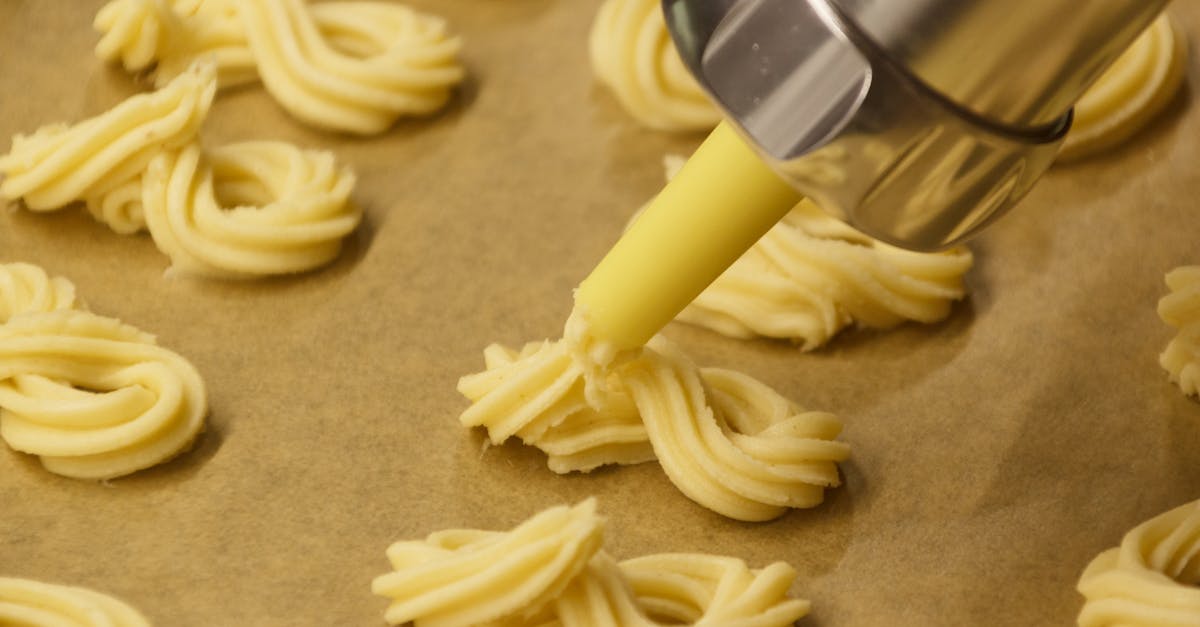
The first time I used a cookie press, I expected “cute.” I did not expect precision, clean ridges, sharp corners, and that buttery snap you hear when a cookie cools just right.
This Pampered Chef spritz cookie recipe is the method I use when I want crisp edges, clear shapes, and fast batches. I wrote it like I run my own kitchen tests: specific cues, exact steps, and honest fixes when things go weird (because they do).
Key Takeaways
- This Pampered Chef spritz cookie recipe works best when you treat spritz as “press dough,” aiming for a smooth frosting-like texture that holds ridges instead of cracking or oozing.
- Use unlined, ungreased metal baking sheets (no parchment or silicone) so the dough can grip the pan and release cleanly from the cookie press.
- Keep shapes and sizes consistent—about 1.25–1.5 inches wide—so a full sheet bakes evenly in roughly 7–10 minutes at 375°F.
- Press straight down, pause for one second, and lift straight up to prevent comma-shaped smears and preserve sharp cookie definition.
- Fix common failures fast: warm stiff dough slightly, chill greasy-soft dough 10 minutes, and add milk only 1 teaspoon at a time if the dough is crumbly.
- For make-ahead ease, freeze pressed cookies on a tray, bag them for up to 2 months, and bake from frozen at 375°F with 1–2 extra minutes to keep crisp, clean shapes.
What Makes Spritz Cookies Work (And Why the Cookie Press Matters)
I still remember the “aha” moment: spritz dough is not a scoop dough. It is a press dough.
That single detail changes everything, which means your success depends on dough texture + pan surface + press control.
“Spritz” comes from the German spritzen, which means “to squirt,” which means the dough must move smoothly through a disc without tearing or smearing.
A cookie press matters because it applies even pressure through a fixed shape, which means every cookie can bake at the same rate when you keep size consistent.
Spritz Dough Texture: What You’re Aiming For
I aim for a texture that looks like smooth frosting but feels like soft clay.
The dough should hold a ridge when pressed, which means you get crisp definition instead of blobs.
My quick test: I press a small amount through the disc onto a plate.
- If it breaks into rough chunks, the dough is too dry, which means the cookies will crumble.
- If it oozes and loses edges in 10 seconds, the dough is too warm, which means shapes will spread.
One data point that helps: Butter softens fast.
USDA food safety guidance calls the temperature “danger zone” 40°F to 140°F, which means you should not leave butter-heavy dough sitting out for long stretches while you press batch after batch. Source: USDA Food Safety “Danger Zone”.
Choosing Discs, Shapes, And Sizes For Even Baking
Disc choice is not just “pretty.” Disc choice controls thickness, which means it controls bake time.
I group discs into three practical buckets:
| Disc type | What it tends to do | What that means for you |
|---|---|---|
| Thin ridges (stars, flowers) | Cooks fast on edges | Crisp cookies with sharp detail if you watch timing |
| Thick shapes (trees, hearts) | Holds more dough per press | Longer bake and higher risk of browning on tips |
| Tight patterns (wreaths) | Traps heat in “loops” | More even color if you keep cookies small |
My size rule: I press most shapes to about 1.25 inches to 1.5 inches wide, which means I can bake a full sheet in 8–10 minutes without half the pan overbrowning.
Also: uniform pressure matters more than strength.
I press straight down, stop, and lift cleanly, which means the cookie releases without dragging into a comma shape.
Ingredients And Equipment Checklist
When spritz cookies fail, they usually fail for a boring reason: the butter was too soft, the flour was off, or the pan surface fought the dough.
I keep this checklist on my counter, which means I do not “wing it” when I need 60 cookies fast.
Ingredient Notes For Flavor, Color, And Consistency
Here is the base recipe I use.
Yield: about 6 to 8 dozen small cookies (depends on disc and pressure), which means this is ideal for cookie swaps.
Ingredients
- 1 cup (227 g) unsalted butter, softened to cool-room temp (about 65°F–68°F) which means it creams well without turning greasy.
- 3/4 cup (150 g) granulated sugar, which means the cookies stay crisp and clean-edged.
- 1 large egg, room temp, which means the dough emulsifies instead of splitting.
- 2 teaspoons vanilla extract (or 1 teaspoon vanilla + 1 teaspoon almond), which means you get strong aroma even after baking.
- 1/2 teaspoon fine salt, which means the butter taste stays bright.
- 2 1/4 cups (270 g) all-purpose flour, spooned and leveled, which means the dough does not dry out from packed flour.
- Optional: 1–2 tablespoons milk, only if needed, which means you can fix dryness without adding extra fat.
About food coloring: I use gel color.
Gel adds less water, which means the dough keeps definition.
One concrete reference: King Arthur Baking recommends weighing flour for consistent results, which means you reduce dry dough surprises. Source: King Arthur Baking: Why to weigh flour.
Cookie Press Setup And Prep
I use a Pampered Chef cookie press (or similar barrel press).
A good press gives steady pressure and repeatable shapes, which means less waste.
Equipment
- Cookie press with discs
- Unlined, ungreased metal baking sheets (2 is ideal), which means the dough grips the pan and releases from the press.
- Stand mixer or hand mixer
- Rubber spatula
- Cooling racks
Surprise that matters: parchment paper can ruin your day.
Parchment reduces friction, which means the dough often will not stick long enough to detach from the disc.
My pan rule: plain aluminum or steel sheet, no silicone mat, no parchment, which means the press “plants” the cookie.
Press prep steps I follow:
- Wash and dry discs.
- Assemble the press.
- Do 2–3 test presses on a clean pan.
Those test presses take 45 seconds, which means I avoid an entire tray of half-formed shapes.
Step-By-Step Pampered Chef Spritz Cookie Recipe
I judge spritz success by one moment: the second the cookie releases.
A clean release means the dough is right, which means baking becomes the easy part.
Mixing The Dough: Timing And Visual Cues
- Preheat oven to 375°F.
A hot oven sets edges fast, which means better definition.
- Cream butter + sugar for 2 full minutes on medium speed.
The mixture should look lighter and slightly fluffy, which means you trapped air for a tender bite.
- Add egg, vanilla, and salt. Mix 30 seconds.
Scrape the bowl once, which means you avoid salty pockets.
- Add flour in 2 additions. Mix on low until the last streak just disappears (20–40 seconds).
Overmixing develops gluten, which means tough cookies and rough pressing.
- If dough looks crumbly, add milk 1 teaspoon at a time (up to 1–2 tablespoons).
Small additions protect texture, which means you fix pressability without creating spread.
My real-life cue: When I squeeze dough between my fingers, it should form a smooth plug without cracking, which means it will flow through the disc.
Pressing Onto The Pan: Technique For Clean Releases
- Load the press.
Pack dough firmly, which means you avoid air pockets that cause broken shapes.
- Hold the press straight up and down.
Vertical pressure keeps symmetry, which means cookies bake evenly.
- Press once (or twice for thicker discs) and pause for 1 second.
That pause lets the dough grab the pan, which means it detaches from the disc.
- Lift straight up.
No twist, which means no smears.
Spacing: I leave 1.5 inches between cookies.
Spritz cookies do not spread like drop cookies, which means you can fit 30–40 per half-sheet depending on shape.
Baking: Temperature, Doneness, And Cooling
- Bake at 375°F for 7–10 minutes.
Time depends on size, which means you should watch the first tray closely.
- Look for pale tops and set edges.
I pull them when the bottoms show light golden brown, which means they stay crisp without tasting toasted.
- Cool on the pan for 2 minutes, then move to a rack.
That short rest firms the butter, which means shapes do not break when you transfer.
Doneness cheat sheet
| Sign | What it means | What you do |
|---|---|---|
| Tops still shiny | Not set | Bake 1 more minute |
| Edges barely tan | Perfect for classic spritz | Pull and cool |
| Tips brown | Too hot or too long | Drop time by 1 minute next tray |
My personal batch note: I rotate pans at minute 6 in my oven.
My back-right corner runs hot by about 15°F, which means rotation prevents one side from browning first.
If you want a savory break between baking trays, I usually prep something simple like this tostada pizza recipe for lunch, which means I can keep my oven rhythm without skipping meals.
Troubleshooting: Fixing Common Spritz Cookie Problems
The weird part about spritz cookies is how fast they punish tiny mistakes.
A 2-degree butter change can flip results, which means you need quick, specific fixes.
Dough Won’t Stick To The Pan Or Won’t Release From The Press
Symptom: The dough stays in the disc and pulls back into the press.
That happens when the pan surface is too slick, which means the dough cannot anchor.
Fixes I use (in order):
- Remove parchment or silicone mats.
More friction helps release, which means clean shapes.
- Wipe the pan dry.
Water creates slip, which means failed transfers.
- Warm the dough slightly if it is cold and stiff.
I let it sit 5 minutes on the counter, which means it flows without cracking.
- If dough is greasy-soft, cool it for 10 minutes.
Cool dough grips better, which means the disc prints instead of smearing.
My test: I press 3 cookies.
If 2 out of 3 fail, I stop and adjust, which means I do not waste a full tray.
Cookies Spread, Puff, Or Lose Definition
Symptom: The ridges blur and the cookies look puffy.
That usually means the butter got too warm, which means the dough melts before it sets.
Fixes that work in my kitchen:
- Reduce butter softness. I aim for butter that dents but does not shine.
Less warmth means sharper edges.
- Check oven temperature with a thermometer.
Many home ovens run off by ±25°F, which means your “375°F” might be 400°F and browning tips fast. Source: USDA: Oven temperature accuracy.
- Avoid adding extra liquid.
Extra milk loosens dough, which means more spread.
Dense, Dry, Or Crumbly Cookies
Symptom: The cookie snaps like a cracker and tastes floury.
That usually means too much flour or too much mixing, which means the dough cannot stay tender.
Fixes I trust:
- Weigh flour (270 g).
Weight removes guesswork, which means repeatable dough.
- Mix only until combined.
Less mixing keeps tenderness, which means a lighter bite.
- Add milk in teaspoons, not tablespoons.
Small adjustments protect shape, which means you keep definition.
Honest warning: If your dough already looks sandy, you cannot “press it into perfection.”
You can rescue it with a little milk, which means you can still bake it, but you may lose fine ridges.
Flavor Variations And Mix-Ins That Still Press Cleanly
The best spritz flavors feel like a memory.
I chase that “holiday tin” taste on purpose, which means I choose add-ins that do not clog the disc.
Classic Add-Ins: Almond, Citrus, Cocoa, And Spices
These additions keep dough smooth, which means the press still prints cleanly.
| Flavor | What I add | Exact amount | Which means… |
|---|---|---|---|
| Almond | Almond extract | 1 tsp (replace 1 tsp vanilla) | stronger aroma that reads as “classic” |
| Citrus | Lemon or orange zest | 2 tsp | bright flavor without extra moisture |
| Cocoa | Unsweetened cocoa powder | 2 tbsp (reduce flour by 2 tbsp) | chocolate taste without dry dough |
| Spice | Cinnamon | 1/2 tsp | warm flavor without texture change |
| Cardamom | Ground cardamom | 1/4 tsp | bakery-style twist with minimal grit |
My concrete example: I use 2 teaspoons orange zest + 1 teaspoon almond extract in December.
That combo makes the kitchen smell like a bakery in 6 minutes, which means people “hover” near the oven.
If you like citrus dessert projects, I keep a separate baking day for delicate treats like these macarons, which means my spritz trays stay fast and low-stress.
Festive Styles: Tinted Dough, Sparkling Sugar, And Sprinkles
Color surprises people.
A pale green tree shape on a plain plate looks flat, which means a tiny visual tweak can sell the whole cookie.
Tinted dough rules I follow:
- Use gel food coloring.
Gel adds pigment without thinning, which means shapes stay sharp.
- Add color with a toothpick.
Small doses prevent bitter dye taste, which means clean butter flavor.
Toppings that still work:
- Colored sanding sugar
- Nonpareils (use sparingly)
- Tiny sprinkles (avoid jumbo shapes)
Big sprinkles block the disc pattern, which means broken ridges.
Chocolate Dips, Sandwiches, And Drizzles Without Breaking The Shapes
Chocolate can wreck spritz cookies if you handle them like brownies.
Spritz cookies are thin, which means they snap if you rush.
My method for dipping:
- Cool cookies fully for 45 minutes.
Cool cookies resist pressure, which means fewer breaks.
- Melt chocolate gently.
I use a microwave at 50% power in 20-second bursts, which means I avoid scorched chocolate.
- Dip only 1/4 to 1/3 of the cookie.
Partial dip keeps balance, which means the cookie does not feel heavy.
- Set on parchment after baking.
Parchment is fine for cooling chocolate, which means you get easy release.
Sandwich spritz tip: I pipe 1 teaspoon jam or buttercream between two flat shapes.
Small filling keeps cookies aligned, which means the ridges do not crush.
If you want another “dip-and-set” style treat for parties, I often make this salted caramel creamer recipe for coffee service, which means the cookies feel like a planned dessert course.
Make-Ahead, Storage, And Freezing For Spritz Cookies
A spritz cookie looks fragile.
It actually stores well when you control moisture, which means you can bake ahead without sacrificing snap.
Chilling Dough vs. Not Chilling: When It Helps
I do not chill classic spritz dough by default.
Warm-enough dough presses cleanly, which means faster batches.
I chill only when:
- The kitchen is above 72°F, which means butter softens too fast.
- The dough looks shiny, which means it is close to spreading.
Chill method: I cover the bowl and chill 10–15 minutes.
Short chill firms butter without making the dough crack, which means I can resume pressing quickly.
Freezing Pressed Shapes And Baking From Frozen
Freezing pressed shapes feels like a cheat code.
It gives you “fresh-baked” cookies on demand, which means you can serve warm trays during gatherings.
How I do it:
- Press cookies onto a baking sheet.
- Freeze the whole tray for 30 minutes until hard.
- Transfer cookies to a freezer bag with parchment between layers.
- Freeze up to 2 months for best flavor.
Bake from frozen:
- Bake at 375°F.
- Add 1–2 minutes.
Frozen dough starts colder, which means the shape holds longer in the oven.
Storing For Crisp Edges And Fresh Flavor
Soft air ruins crisp cookies.
Humidity migrates into the cookie, which means edges lose snap.
Storage rules I use:
- Store in an airtight tin with a tight lid.
- Add a sheet of parchment between layers.
- Keep at room temp for 5 days for best texture.
Do not store with soft cookies.
Soft cookies share moisture, which means your spritz cookies soften too.
Honest warning: The fridge makes spritz cookies taste stale.
Cold air dries the surface, which means flavor fades faster.
When I build holiday tins, I pair spritz with something chewy so people get contrast.
I like these stuffed sandwich recipes for the savory table too, which means the dessert plate does not carry the whole party.
Conclusion
Spritz cookies look fancy, but the method stays simple.
You control butter temperature, pan surface, and press pressure, which means you control the shape.
If you remember one thing, remember this: the dough should feel like soft frosting, not warm grease.
That single cue fixes most problems, which means you can press a full batch with calm hands and clean trays.
Next time you bake them, run one small experiment.
Change only one variable, disc size, bake time, or dough temp, which means you will learn faster than any recipe card can teach.
Frequently Asked Questions (FAQ)
What is the best Pampered Chef spritz cookie recipe for crisp edges and clear shapes?
For a reliable Pampered Chef spritz cookie recipe, use cool-room-temp butter (about 65–68°F), cream butter and sugar 2 minutes, and mix flour only until combined. Press onto an ungreased, unlined metal sheet and bake at 375°F for 7–10 minutes for sharp ridges.
Why won’t my spritz dough stick to the pan when using a Pampered Chef cookie press?
Spritz dough often won’t release if the pan is too slick. Skip parchment and silicone mats, and use a plain, dry, ungreased metal baking sheet so the dough can “grab” the surface. If dough is too cold, let it sit 5 minutes; if greasy-soft, chill 10 minutes.
How do I know if spritz cookie dough is the right texture for a cookie press?
The ideal texture looks like smooth frosting but feels like soft clay. It should hold ridges when pressed. If it breaks into chunks, it’s too dry—add milk 1 teaspoon at a time. If it oozes and loses edges quickly, it’s too warm—cool it briefly before pressing.
Can I freeze pressed spritz cookies and bake them later?
Yes. Press shapes onto a baking sheet, freeze the tray about 30 minutes until firm, then bag with parchment between layers. Freeze up to 2 months for best flavor. Bake from frozen at 375°F and add 1–2 minutes, which helps the design hold longer in the oven.
What’s the best way to store spritz cookies so they stay crisp?
Store spritz cookies in an airtight tin at room temperature, with parchment between layers, for about 5 days. Keep them away from soft cookies, because moisture transfer softens crisp edges. Avoid refrigeration; the cold, dry air can make them taste stale and dull the butter flavor.
What’s the difference between spritz cookie dough and sugar cookie dough?
Spritz dough is formulated to be pressed, not scooped or rolled. It’s usually softer, smoother, and designed to flow through a disc while keeping sharp ridges. Sugar cookie dough is typically firmer for rolling and cutting; if too soft, it spreads and loses clean cut-out shapes.
