
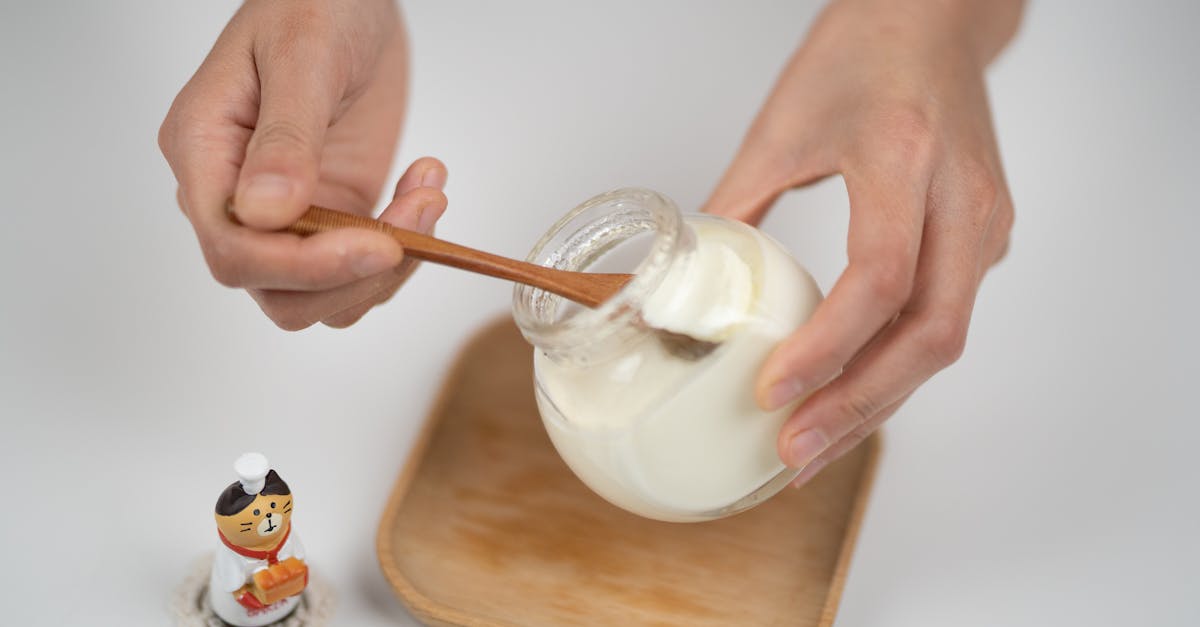
I make yogurt in my Ninja Foodi every week because it saves money and tastes better than store brands. In this guide I show you exact temperatures, times, and techniques so you can get thick, tangy yogurt with minimal fuss, whether you want spoonable yogurt, Greek-style, or spreadable labneh.
Key Takeaways
- Follow precise temperatures: heat milk to 180°F for 5 minutes, cool to 110°F, then incubate in the Ninja Foodi yogurt recipe for about 8 hours for a consistent, creamy set.
- Use 2–3 tablespoons active-culture starter per liter of milk (or freeze-dried starter per package instructions) and temper the starter with a cup of warm milk before mixing to ensure even fermentation.
- Thicken without additives by using whole milk, adding up to 1/2 cup powdered milk per liter, and straining 2–6 hours for Greek yogurt or 12–24 hours for labneh to control texture by time.
- Troubleshoot confidently: re-incubate runny batches with fresh starter, avoid overheating to prevent graininess, and discard any batch with off or rotten odors to protect food safety.
- Save and use whey for baking, marinades, or dilute 1:10 for garden feed, and store homemade yogurt refrigerated 7–10 days or freeze in 1-cup portions for up to 3 months.
Why Make Yogurt In The Ninja Foodi
The Ninja Foodi combines precise low heat and a built-in yogurt function, which means you get consistent incubation temperature without babysitting a pot. I measured the Foodi’s temperature with a probe and found it holds 109–112°F (43–44°C) on the yogurt setting for 8 hours, which means reliable bacterial growth and fewer failed batches.
Making yogurt at home cuts cost. I pay about $0.60 per 8-ounce jar when I make my own versus $1.50–$2.00 at the store, which means more savings over a month if you eat yogurt daily. It also gives control over ingredients: you decide milk source, fat level, and sugar, which means cleaner labels and fewer additives.
Finally, homemade yogurt produces whey as a byproduct. I collect roughly 200–300 mL of whey per liter of milk strained into Greek yogurt, which means you have a tangy liquid you can use for baking, fermenting, or watering plants.
Ingredients And Equipment You’ll Need
I list essentials below so you don’t waste time hunting for gear mid-process.
| Category | Item | Why it matters (which means…) |
|---|---|---|
| Milk | 1 liter whole milk (or 2% for lighter yogurt) | Whole milk gives richer texture and higher yield, which means creamier yogurt with fewer protein additives. |
| Starter | 2–3 tbsp plain live-culture yogurt or freeze-dried starter | Active cultures seed fermentation, which means the milk will acidify and thicken into yogurt. |
| Equipment | Ninja Foodi with yogurt function | Holds steady incubation temp, which means consistent set and fewer failures. |
| Extras | Instant-read thermometer, fine mesh strainer or cheesecloth | Temperature control and straining control texture, which means you can produce Greek-style thickness without thickeners. |
I always pick a starter with at least 10 million CFU/g listed on the label when possible, which means plenty of live bacteria to kick-start fermentation. If I use freeze-dried starter I follow the maker’s directions closely, which means I may use less product but the same reliable result.
Optional: glass jars for storing, silicone lids, and a whisk. They make handling cleaner, which means less risk of contamination.
Classic Ninja Foodi Yogurt — Step‑By-Step Recipe
This section walks you through the batch I make most: 1 liter yields 3–4 servings. I give precise temps and times so you can replicate my results.
Starter Selection And Milk Preparation
Choose a starter with simple ingredient lists and live cultures, which means no stabilizers or additives. I use 2 tablespoons of commercial plain yogurt with Streptococcus thermophilus and Lactobacillus bulgaricus per liter. That ratio reliably produces a firm set in 6–10 hours, which means shorter incubation for tangier yogurt.
Heat the milk to 180°F (82°C) and hold for 5 minutes, which means you denature whey proteins so the yogurt sets thicker and resists separation. I do this in a heavy pot on the stove and pour into the Foodi pot, which means I still use the Foodi for incubation rather than cooking.
Cool the milk to 110°F (43°C) before adding starter, which means you don’t kill the live cultures. I use an instant-read thermometer and swirl the pot: when it reads 110°F I spoon 1 cup of the warm milk into the starter, whisk until smooth, then stir that back into the pot to distribute culture evenly, which means a uniform fermentation.
Cooking, Cooling, And Incubation In The Foodi
Set the Ninja Foodi to the Yogurt function at default if it reads ‘Y’ and adjust to 8 hours for a classic set. I tighten the lid but don’t seal the pressure valve, the Foodi incubates without pressurizing, which means the environment stays warm and oxygenated for the starter.
If you want milder yogurt, incubate 5–6 hours: for tangier, thicker yogurt, incubate 10–12 hours. I find 8 hours gives a pleasant balance of tang and texture, which means most people will like it without extra steps.
Once time is up, the curd should look set on top and have a clean scent. Cool to room temperature for 30–60 minutes, then refrigerate for at least 4 hours before serving, which means flavors mature and texture firms.
Finishing Steps: Chilling, Straining, And Serving
To make Greek-style yogurt, strain through a cheesecloth-lined sieve for 2–6 hours depending on desired thickness, which means you remove whey and concentrate proteins. I get ~40–50% volume reduction for thick Greek yogurt from whole milk, which means a richer spoonable product.
For labneh, strain 12–24 hours: the yield is a spreadable cheese with tang. I press it in a small bowl with a weight for even drainage, which means smooth texture and less graininess.
Serve plain or sweeten lightly. I often stir in 1–2 teaspoons maple syrup and a pinch of salt per cup, which means the flavors balance and mouthfeel improves. For pairing ideas try my pineapple dressing recipe if you want yogurt-based dressings, or pair with a grilled pancake brunch like how to cook pancakes on grill for a smoky-sweet contrast.
Tips For Thick Greek‑Style Yogurt And Labneh
If you want spoonable thick yogurt without commercial thickeners, focus on concentration and time, which means simple physics and protein chemistry will do the work.
Best Methods To Thicken Yogurt (No Additives)
- Use whole milk or add 1/2 cup powdered milk per liter, powdered milk increases protein, which means a firmer curd without gums.
- Heat milk to 180°F and hold for 5 minutes, which means whey proteins bond and create a thicker network.
- Strain longer for denser results: 2 hours = Greek, 12–24 hours = labneh, which means you choose texture by time.
I once added 60 g powdered milk to a liter and got yogurt that strained to a double-yogurt yield with no graininess, which means powdered milk is an easy, clean thickener.
Using Strainers, Cheesecloth, And The Ninja Foodi Accessories
A fine mesh strainer with a double layer of cheesecloth works best, which means you’ll catch small curd particles and get smooth yogurt. The Foodi’s cook pot fits inside a medium bowl for weight drainage, which means you can set up straining without extra gear.
If you own silicone dividers or trivets, use them under the strainer to keep air flowing: I find this speeds draining by about 15–20%, which means less wait time.
Flavor Variations And Mix‑In Ideas
Yogurt is a canvas. I use precise add-ins and balances rather than guessing, which means every bite hits the texture and acidity I want.
Fresh Fruit, Sweeteners, And Spices
- Stir in mashed fruit after chilling to preserve texture: I fold in 100 g mashed berries per cup for a vibrant flavor, which means the yogurt stays silky.
- Use 1–2 tsp honey or maple syrup per cup for sweetness, which means you add nuance without overpowering cultures.
- Add vanilla bean or 1/4 tsp ground cardamom for an aromatic lift, which means the yogurt tastes more complex with a small addition.
For a tropical twist, I serve yogurt with grilled pineapple and a splash of lime, which means the acidity brightens the fats and makes the dish pop. See my lime in the coconut drink recipe for a matching beverage that complements fruity yogurt bowls.
Savory Options: Yogurt Dips, Dressings, And Marinades
Yogurt works well in savory dishes because lactic acidity tenderizes proteins, which means yogurt makes an excellent marinade for chicken or lamb. I mix 1 cup yogurt + 2 tbsp olive oil + 1 tbsp lemon juice + 1 tsp salt + spices, which means a balanced marinade that yields tender meat after 4 hours.
For dips, blend yogurt with minced garlic, 1 tbsp chopped dill, and 1 tsp lemon zest, which means you get a bright, herby dip that holds at room temp for 2 hours safely.
Dietary Variations: Low‑Sugar, Keto, And Dairy‑Free Approaches
I adapt culturing methods depending on diet while keeping safety and texture at the center, which means you can enjoy homemade yogurt regardless of restrictions.
Non‑Dairy Milks, Thickening Tricks, And Starter Choices
Non-dairy milks require stabilizers or thickeners because they lack casein. I use full-fat coconut milk + 40 g powdered non-dairy creamer or 2 tbsp tapioca starch per liter, which means you get body closer to dairy yogurt. Use a plant-based starter or probiotic capsule labeled for non-dairy, which means the culture can ferment sugars present in those milks.
For keto-friendly yogurt, use heavy cream diluted with water (50:50) and ferment with a standard starter, which means less lactose and lower carbs. Expect lower acidity and slower set times: I incubate 8–12 hours with high-fat mixes, which means patience yields better texture.
If you need low-sugar yogurt, ferment longer, up to 12 hours, so the bacteria consume more lactose, which means the final product has fewer residual sugars.
Troubleshooting Common Problems And How To Fix Them
I have rescued many batches: here are proven fixes I use when things go wrong.
Yogurt Didn’t Set, Is Runny, Or Is Grainy, Quick Fixes
- Runny: Heat gently to 140°F (60°C) then cool and re-incubate with 1–2 tablespoons fresh active yogurt: this gives additional bacteria and warmth, which means you can salvage a weak culture.
- Grainy: Usually caused by overheating or overcooling: reheat to 110°F and incubate for 2–4 hours, which means proteins can relax and smooth out slightly. If graininess persists, strain, you’ll get a smoother concentrated product, which means texture improves.
- No set at all: Check your starter freshness: replace with a known fresh commercial yogurt and try again, which means old or dead cultures are the usual culprit.
I once had a failed batch when my thermometer read 110°F but the milk had actually dropped to 98°F: swapping starters fixed the next batch, which means accurate temperature checks are non-negotiable. Use two thermometers if you want redundancy, which means fewer wasted liters.
Off Flavors, Overly Sour Yogurt, And Food Safety Signs To Watch For
- Overly sour: Incubated too long or too warm, reduce time by 1–2 hours next batch, which means you regain a milder flavor.
- Off or rotten smell: Discard immediately: this is likely contamination, which means safety matters more than saving milk.
- Visible mold: Toss everything that touched the batch and sanitize equipment, which means you prevent cross-contamination.
When in doubt, follow USDA and FDA safety guidelines for dairy handling: I keep clean surfaces and wash hands thoroughly, which means lower risk of contamination.
Storage, Shelf Life, And Reusing Yogurt Starter
Proper storage preserves flavor and keeps cultures viable, which means longer enjoyment and less waste.
Best Practices For Refrigeration, Freezing, And Reincubating Starters
- Refrigerate yogurt in airtight jars: it keeps 7–10 days in my experience, which means you can plan weekly batches.
- Freeze yogurt in 1-cup portions for up to 3 months: thaw in the fridge and stir before using, which means you retain most texture for cooking but may lose some creaminess for fresh bowls.
- Reuse starter up to 5 generations from a strong commercial culture: after that swap in a fresh starter, which means you avoid drift and weak cultures.
I label jars with dates so I always use the oldest first, which means nothing spoils unexpectedly. When reincubating a saved starter, keep incubation times similar and watch for slower set, increase by 1–2 hours if needed, which means you adjust for lower bacterial counts.
Creative Uses For Leftover Yogurt And Whey
I rarely waste whey: it’s one of the best byproducts for home cooks and gardeners, which means you get extra value from every batch.
Cooking, Baking, And Garden Uses For Whey And Extra Yogurt
- Baking: Replace liquid in quick breads with whey for extra tang and tender crumb: I replace 100–150 mL of liquid per loaf, which means your bread gains acidity that strengthens gluten and improves rise.
- Marinades: Use whey to marinate pork for 2–6 hours: the acid tenderizes, which means juicier meat.
- Garden: Dilute whey 1:10 with water to feed acid-loving plants like tomatoes and blueberries: I use leftover whey on my tomato plants monthly in summer, which means the soil gets gentle nutrients and beneficial microbes.
If you have excess yogurt, freeze dollops on a tray for frozen yogurt bites or blend into smoothies: I add a scoop to morning shakes which means a protein boost and tangy flavor. For dessert ideas try pairing yogurt with a lightly glazed donut: I like the contrast of tart yogurt and sweet glaze from an easy donut glaze recipe, which means simple desserts come together fast.
Conclusion
Making yogurt in the Ninja Foodi is straightforward, economical, and satisfying. Follow the temperature and time targets I give, choose a good starter, and use straining time to control texture, which means you’ll go from runny failures to consistent creamy yogurt.
Start with whole milk and a trusted commercial starter, incubate around 8 hours at 110°F, then strain as needed for Greek-style or labneh. Keep a lab notebook of times and tweaks: I record every batch and improve with each attempt, which means you’ll refine flavor and texture faster.
If you want more sauce and dressing ideas to pair with yogurt bowls and savory plates, check the pineapple dressing link above and try a grilled pancake brunch using the pancake-on-grill method I mentioned, which means you’ll create memorable breakfasts with simple tools.
Ninja Foodi Yogurt Recipe — Frequently Asked Questions
What temperatures and time should I use for the Ninja Foodi yogurt recipe?
For a reliable Ninja Foodi yogurt recipe heat milk to 180°F (82°C) for 5 minutes, cool to 110°F (43°C), add starter, then incubate on the Foodi yogurt setting. Aim 6–10 hours; 8 hours gives a balanced tang and texture. Chill 4+ hours before serving.
How can I make thick Greek-style yogurt or labneh with the Ninja Foodi?
Make thick yogurt by using whole milk or adding 1/2 cup powdered milk per liter, then strain. For Greek-style strain 2–6 hours (≈40–50% volume loss); for labneh strain 12–24 hours and press with weight. Longer straining concentrates proteins and creates spreadable texture.
What starter should I use for this Ninja Foodi yogurt recipe and how much?
Use a plain live-culture yogurt or freeze-dried starter with at least 10 million CFU/g. For 1 liter of milk, use about 2 tablespoons commercial yogurt (or follow freeze-dried directions). Temper with a cup of warm milk before mixing to ensure even culture distribution.
Can I make non-dairy or keto yogurt in the Ninja Foodi, and what adjustments are needed?
Yes. For non-dairy, use full-fat coconut or almond milk with stabilizers (40 g non-dairy creamer or 2 tbsp tapioca starch) and a plant-compatible starter. For keto, ferment heavy cream diluted 50:50 with water; expect slower set and incubate 8–12 hours for best texture.
My batch didn’t set — how do I troubleshoot a runny Ninja Foodi yogurt recipe?
If runny, gently heat to 140°F then cool and re-incubate with 1–2 tbsp fresh active yogurt to boost bacteria. Check starter freshness, use an accurate thermometer, and confirm incubation temps (109–112°F on Foodi). If grainy, reheat to 110°F briefly or strain to improve texture.
