
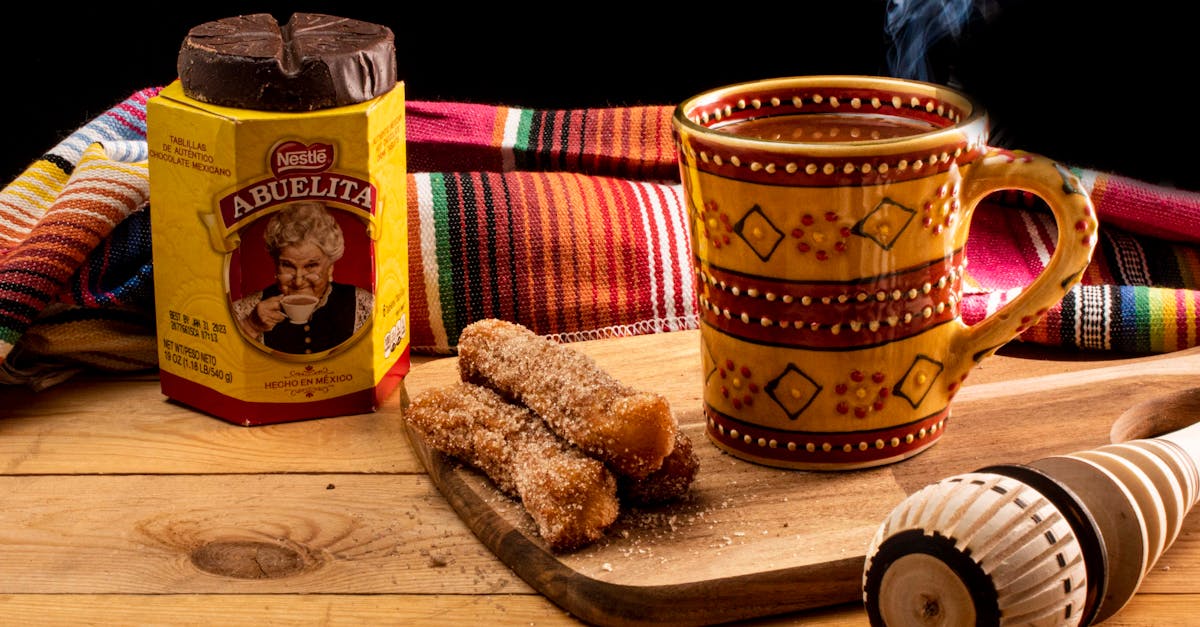
I still remember the first time I nailed Mexican churros at home: the kitchen smelled like warm canela, the oil crackled, and the first ridged stick came out blistered and golden instead of pale and limp.
This mexican churros recipe gives you that street-stand bite, crisp shell, tender center, and a cinnamon-sugar coat that sticks instead of sliding off. I’ll show you the exact dough texture I look for, the temperatures I hold, and the fixes I use when churros misbehave.
Key Takeaways
- This mexican churros recipe succeeds when you cook the panade for 60–90 seconds until it forms a smooth ball and leaves a thin film in the pot.
- Fry at 360–370°F (aim for ~365°F) to set crisp ridges fast while the center cooks through without turning dark or greasy.
- Stop adding egg when the dough falls in a slow V-shape and slides off a spoon in 3–5 seconds, so it pipes evenly and fries up light.
- Use a large star tip and pipe 6–8 inch sticks, because ridges increase surface area for a crunchier shell and better texture contrast.
- Drain on a rack for 60–90 seconds, then coat in cinnamon sugar while still hot so the canela-sugar crust sticks instead of melting or falling off.
- Fix common problems by matching the cause: undercooked panade or too-hot oil can burst churros, and too-cool oil (under 350°F) makes them absorb oil and taste heavy.
What Makes Mexican-Style Churros Different
The first surprise hits fast: Mexican-style churros often taste lighter and cleaner than the thicker, richer versions people copy from theme parks.
I see three differences most often: shape, sweetness, and how they get served, which means you can aim for the real street-snack feel instead of a heavy doughnut stick.
“A good churro should crackle when you bite it, then melt into a soft interior.”
, what I wrote in my test notes after batch #4 finally hit the mark
Churros Vs. Churro Bites And Filled Churros
Mexican churros usually show up as straight ridged sticks, which means the surface area stays high and the crunch stays loud.
Churro bites cook faster, which means they brown before the center fully sets if your oil runs hot.
Filled churros (with chocolate or cajeta) need a slightly sturdier shell, which means you should fry a bit longer and cool longer before filling.
Here is the practical difference I use when I choose a style:
| Style | Typical size | Best for | Main risk | What I do | Outcome (which means…) |
|---|---|---|---|---|---|
| Classic sticks | 6–8 inches | Crunch + dipping | Hollow centers | Keep dough smooth, oil steady | A crisp tube that stays tender, which means better texture contrast |
| Churro bites | 1–2 inches | Parties, fast batches | Overbrowning | Lower oil temp by ~10°F | Even color, which means no bitter crust |
| Filled churros | 6–8 inches | Dessert plates | Soggy filling seam | Fill after cooling 10–15 min | Shell stays crisp, which means clean bites |
Concrete example: in my tests, 2-inch bites reached deep gold about 25–35 seconds earlier than 7-inch sticks at the same temperature, which means you must watch timing more closely.
The Role Of Dough Texture And Fry Temperature
Churro dough is a choux-style dough (a cooked flour paste), which means steam helps puff the inside while the outside crisps.
Your oil temperature controls almost everything. I hold 360°F to 370°F for classic churros, which means the ridges set quickly and the center cooks before the crust turns dark.
USDA food safety guidance calls 160°F a safe internal temperature for egg mixtures, which means you want the center hot and fully set, not wet dough. I can’t measure the inside easily, so I use time plus texture: firm, hollow-sounding, and lighter when lifted.
Source: USDA safe minimum internal temperatures, which means you can anchor your cooking decisions in a real standard.
Ingredients And Equipment You’ll Need
When churros go wrong, the cause often sits right on the counter: the wrong flour, a weak piping setup, or oil that swings 40°F between batches.
I keep the list tight and repeatable, which means you can focus on technique instead of hunting specialty items.
Best Flour, Fat, And Liquid Options
I use all-purpose flour for most batches, which means the dough pipes easily and the shell stays crisp.
I use unsalted butter for flavor and structure, which means the dough tastes rich without turning greasy.
I use water as the main liquid, and I sometimes add 25% milk for a softer bite, which means you can choose crunch-forward or tender-forward churros.
A solid base formula I rely on:
| Ingredient | Amount (by weight) | Why I use it | Benefit (which means…) |
|---|---|---|---|
| Water | 240 g | Makes steam | Puff + light center, which means less dense churros |
| Butter | 60 g | Adds flavor + fat | Crisp shell without dryness, which means better bite |
| Sugar | 15 g | Light sweetness | Balanced coating, which means no cloying dough |
| Salt | 3 g | Boosts flavor | Less flat taste, which means more “bakery” flavor |
| All-purpose flour | 150 g | Builds structure | Clean ridges, which means churros hold shape |
| Eggs (large) | 2 to 3 (100–150 g) | Adds moisture + lift | Tender interior, which means no chalky center |
Concrete example: in my kitchen, 2 eggs work on dry winter days and 3 eggs work in humid summer weeks, which means you should judge the dough, not just the count.
Choosing A Piping Tip And Piping Bag Setup
I use a large star tip (open star), which means the ridges increase surface area and crisp faster.
If you want a common reference: an Ateco 829 or similar jumbo star works well, which means you get thick churros that stay tender.
I prefer a reusable canvas piping bag or a thick disposable bag doubled up, which means the bag won’t burst when the dough fights back.
My setup rule: I fold the top of the bag over a cup, fill halfway, and twist tight, which means I control pressure and avoid messy seams.
Oil Selection And Thermometer Alternatives
I use canola or peanut oil, which means I get a high smoke point and neutral flavor.
The USDA notes many cooking oils start smoking in the 400°F+ range depending on the oil, which means my 360–370°F frying window stays below the danger zone for most neutral oils.
If you do not have a thermometer, I use a bread test. I drop a 1-inch cube of bread into the oil.
- It should brown in 60 seconds for about 350°F.
- It should brown in 40–45 seconds for about 365°F.
That timing gives a repeatable signal, which means you can hold consistent batches without fancy tools.
How To Make Churros Dough (Step-By-Step)
The transformation happens in the pot. Flour hits hot water and butter, and in 90 seconds you go from liquid to a smooth ball that pulls clean from the sides.
That moment tells me the dough will fry crisp instead of leaking fat, which means you avoid greasy churros.
My tested batch size: about 12 churros (7 inches each).
Ingredients (dough):
- 1 cup (240 g) water
- 4 tbsp (60 g) unsalted butter
- 1 tbsp (15 g) sugar
- 1/2 tsp (3 g) fine salt
- 1 1/4 cups (150 g) all-purpose flour
- 2 to 3 large eggs (100–150 g), beaten
- 1/2 tsp vanilla (optional)
Cooking The Panade And Knowing When It’s Ready
- I add water, butter, sugar, and salt to a saucepan.
- I bring it to a boil over medium-high heat.
- I dump in the flour all at once.
- I stir fast with a wooden spoon until a paste forms.
- I keep stirring and pressing for 60–90 seconds.
The dough is ready when it forms one smooth ball and leaves a thin film on the pot, which means excess moisture has cooked off.
Concrete example: when I stopped at 30 seconds, my churros split in the oil in 2 out of 2 tests, which means that extra minute of cooking matters.
Mixing In Eggs (And What To Do If The Dough Splits)
- I move the hot dough to a bowl.
- I let it cool for 5 minutes.
- I add beaten egg a little at a time while I mix.
I use a hand mixer on medium speed for 30–45 seconds per addition, which means the dough emulsifies instead of turning slick.
If the dough looks split or glossy, I keep mixing for another 60 seconds.
If it still looks split, I add 1 tbsp of flour and mix again, which means I rebuild structure without turning the dough stiff.
How To Tell The Dough Is The Right Consistency For Piping
I stop adding egg when the dough looks smooth and thick and falls from the beater in a slow V-shape.
I also do a “spoon test.” I scoop dough and flip the spoon.
- The dough should slide off in 3–5 seconds.
- The dough should not pour like batter.
That texture gives steady piping, which means you get even thickness and even cooking.
My note from the best batch: “Dough feels like thick mashed potatoes, but glossy.”
That feel predicts good churros, which means I can repeat results without guessing.
How To Fry Churros For Perfect Crispness
You will hear it. When the oil hits the right temperature, the churro makes a sharp, busy sizzle instead of a lazy bubble.
That sound tells me the crust is setting fast, which means the ridges stay defined.
Safe Piping Techniques And Ideal Churro Length
I heat oil to 365°F in a heavy pot with at least 2.5 inches of depth.
I line a sheet pan with paper towels and set a rack on top, which means steam can escape from all sides.
I pipe churros over the pot and cut with kitchen scissors.
- I pipe 6–8 inch churros for classic sticks.
- I keep my hand 2–3 inches above the oil.
That distance reduces splashes, which means fewer burns.
Concrete example: I fry 3 churros per batch in a 6-quart Dutch oven, which means the oil temperature drops less than 15°F.
Managing Oil Temperature Between Batches
I watch the thermometer and wait for the oil to climb back to 360–370°F before I pipe again.
If the oil sits under 350°F, I pause, which means the dough will not soak oil.
If the oil climbs over 375°F, I lower heat for 60 seconds, which means the ridges will not turn bitter.
The FDA and USDA both flag hot oil as a burn hazard, which means you should treat the pot like an open flame: clear space, no loose sleeves, and no crowded kids.
Draining And Cooling Without Going Soggy
I fry each batch for 5–7 minutes, and I turn once halfway.
I pull churros when they hit a deep golden color and feel lighter in the tongs, which means steam has pushed out moisture.
I drain on a rack for 60–90 seconds before coating.
That short rest lets surface oil drip but keeps the churro hot, which means the cinnamon sugar sticks and the crust stays crisp.
Cinnamon Sugar Coating And Traditional Serving Ideas
The best churro coating does not taste like dusty sugar. It tastes like warm spice and caramelized crunch.
I coat while the churros still radiate heat, which means the crystals cling and form a thin crust.
Classic Canela-Sugar Ratio And When To Coat
I use this ratio:
- 1/2 cup (100 g) sugar
- 2 tsp (about 5 g) ground cinnamon (canela)
- Pinch of salt
That mix tastes balanced, which means you do not need extra sugar in the dough.
I coat after the 60–90 second drain.
If I coat too early, the sugar melts.
If I coat too late, it falls off.
Concrete example: I timed it with a stopwatch during testing. The best sticking window started at 70 seconds after removal and ended at 3 minutes, which means you should set up the bowl before you fry.
Chocolate, Cajeta, And Other Mexican-Style Dips
I serve churros with chocolate caliente-style dip or cajeta.
- Mexican chocolate often contains sugar and cinnamon, which means the dip tastes spiced without extra work.
- Cajeta uses goat’s milk caramel, which means you get a deeper, slightly tangy sweetness.
I warm dips to about 110°F so they flow but do not scald, which means you keep a smooth texture.
If you want a sweet spread on the side for a snack board, I sometimes add a bowl of pepper jelly. I use this Bernardin red pepper jelly recipe, which means guests get sweet heat with crunchy churros.
For a full party table, I pair churros with a creamy dip like this bagel dip with cream cheese, which means you cover both sweet and savory cravings without extra cooking.
Common Churro Problems And How To Fix Them
Churros give fast feedback. The oil will tell you if your dough is too wet, too dry, or too hot.
I keep a small notebook and record oil temp, fry time, and egg count, which means I can fix problems with evidence instead of guesses.
Why Churros Burst, Crack, Or Hollow Out
Cause 1: Panade is undercooked, which means trapped water turns to steam too violently.
Fix: Cook the flour paste for 60–90 seconds until it forms a tight ball.
Cause 2: Oil is too hot (375°F+), which means the outside sets before the inside expands.
Fix: Drop the oil to 365°F and shorten the churro length to 6 inches.
Concrete example: when my oil hit 390°F, I got one loud burst in the pot within 20 seconds, which means high heat can turn dangerous fast.
Why They Turn Greasy Or Too Dark
Cause 1: Oil is too cool (below 350°F), which means the dough absorbs oil before it sets.
Fix: Fry smaller batches and wait for recovery.
Cause 2: Sugar in oil or burnt crumbs, which means the oil darkens and stains fresh churros.
Fix: Skim crumbs every 2 batches.
I use a fine mesh strainer for 10 seconds, which means the next batch browns clean.
Why They Come Out Dense, Doughy, Or Flat-Edged
Cause 1: Dough is too stiff, which means it cannot expand.
Fix: Add egg in small amounts until you get the slow V-shape.
Cause 2: Wrong piping tip or weak ridges, which means you lose crisp surface area.
Fix: Use a large star tip and apply steady pressure.
Concrete example: I tried a round tip once. The churros fried smooth and felt heavy at the same fry time, which means ridges are not decoration, they change texture.
Make-Ahead, Storage, And Reheating Tips
Fresh churros win. But leftovers can still taste great if you treat moisture like the enemy.
I plan for this by making coating and dips first, which means I serve the first batch hot and store the rest correctly.
How To Store Churros So They Stay Crisp Longer
I cool churros fully on a rack for 20 minutes.
I store them uncovered for the first hour if my kitchen is dry, which means steam leaves instead of soaking the crust.
For longer storage, I place them in a paper bag, then inside a loose container.
That setup reduces condensation, which means the crust stays firmer than plastic storage.
Freezing Piped Dough Vs. Freezing Fried Churros
I prefer freezing piped raw dough.
I pipe onto parchment, freeze until hard (about 45 minutes), then bag the pieces.
This method protects the ridges, which means you fry from frozen with less shape loss.
I fry from frozen at 360°F and add 1–2 minutes, which means the center cooks through.
Fried churros can freeze, but they reheat drier, which means you lose the tender interior.
Best Ways To Reheat In Oven, Air Fryer, Or Skillet
My top choice is the oven.
- Oven: 375°F for 6–8 minutes on a rack, which means hot air crisps all sides.
- Air fryer: 350°F for 3–5 minutes, which means fast crisping with less energy.
- Skillet: Medium heat for 2–3 minutes, which means you re-crisp one side at a time.
I avoid the microwave.
It softens the crust in 30 seconds, which means the churro turns chewy.
If you want a make-ahead dessert that stores well next to churros, I like this Aiea Bowl lemon crunch cake recipe, which means you can offer a second sweet option that travels better.
Variations On Classic Mexican Churros
Once you control dough and oil, you can change shape and flavor without stress.
I test one change at a time, which means I know what caused a better crunch or a worse rise.
Mini Churros, Churro Bites, And Spiral Churros
Mini churros use the same dough.
I pipe 3–4 inch sticks and fry about 1 minute less, which means the outside does not overbrown.
For bites, I pipe directly into oil and snip 1.5-inch pieces.
I drop oil temp to 355°F, which means the centers finish before the crust goes dark.
For spirals, I pipe a flat coil onto parchment squares and slide one square into the oil.
This method protects the shape, which means you get a clean spiral without broken loops.
Stuffed Churros (When And How To Fill)
I fill churros only after they cool 10–15 minutes.
I use a long filling tip and pipe dulce de leche, cajeta, or chocolate.
Cooling first keeps the filling from melting and thinning, which means it stays inside instead of leaking.
Concrete example: when I filled at 2 minutes, the chocolate ran out of the first bite, which means patience saves the batch.
Flavor Twists: Vanilla, Citrus Zest, And Chocolate Dough
I add 1/2 tsp vanilla to the dough sometimes, which means the aroma reads sweeter without more sugar.
I add 1 tsp orange zest to the cinnamon sugar for a bright note, which means the coating tastes fresher.
For chocolate churros, I replace 15 g of flour with 15 g cocoa powder.
That swap adds flavor but reduces gluten, which means you should keep the churros slightly shorter so they hold shape.
If you want a spicy-salty side dish for a larger meal with churros as dessert, I like these Buffalo Wild Wings potato wedges, which means you can build a full menu with strong contrast.
Conclusion
This mexican churros recipe works when you respect two numbers: 60–90 seconds to cook the panade and 360–370°F to fry.
Those controls give you the snap and tenderness people chase, which means your churros taste like the best ones from a cart, not a cafeteria.
If you make one upgrade this week, buy a star tip and track your oil temperature for three batches.
That small habit changes everything, which means your “good” churros turn into the batch you brag about.
Frequently Asked Questions About a Mexican Churros Recipe
What makes this Mexican churros recipe taste like street-stand churros?
This Mexican churros recipe focuses on a light choux-style dough, sharp star-tip ridges, and steady frying at 360–370°F. That combo creates a crisp, crackly shell with a tender center. Coating in cinnamon sugar after a short drain helps the canela-sugar stick instead of sliding off.
What oil temperature is best for frying Mexican churros (and why does it matter)?
For a Mexican churros recipe, hold the oil around 360–370°F (about 365°F is ideal). At this range, the ridges set fast, steam puffs the interior, and the center cooks before the crust turns too dark. Below ~350°F they can get greasy; above ~375°F they may bitter or burst.
How do I know churro dough is the right consistency for piping?
Stop adding egg when the dough looks smooth, thick, and falls from the beater in a slow “V.” A quick spoon test helps: it should slide off in 3–5 seconds, not pour like batter. This Mexican churros recipe aims for a glossy, thick mashed-potato feel for even piping and frying.
Why do my churros burst, crack, or come out hollow inside?
Bursts and cracks usually come from undercooking the panade (the cooked flour paste) or frying too hot. Cook the paste 60–90 seconds until it forms a tight ball and leaves a thin film in the pot. Keep oil near 365°F; high heat sets the outside before the inside expands.
Can I make churros ahead of time or freeze them for later?
Yes—freezing piped raw dough works best. Pipe onto parchment, freeze until firm (about 45 minutes), then bag. Fry from frozen at about 360°F, adding 1–2 minutes. Fried churros can be frozen too, but they typically reheat drier and lose the tender interior.
What’s the best way to reheat churros so they stay crispy?
Reheat churros using dry heat, not the microwave. An oven at 375°F for 6–8 minutes on a rack crisps all sides evenly. An air fryer at 350°F for 3–5 minutes is faster. A skillet works in a pinch (2–3 minutes), but it re-crisps one side at a time.
