
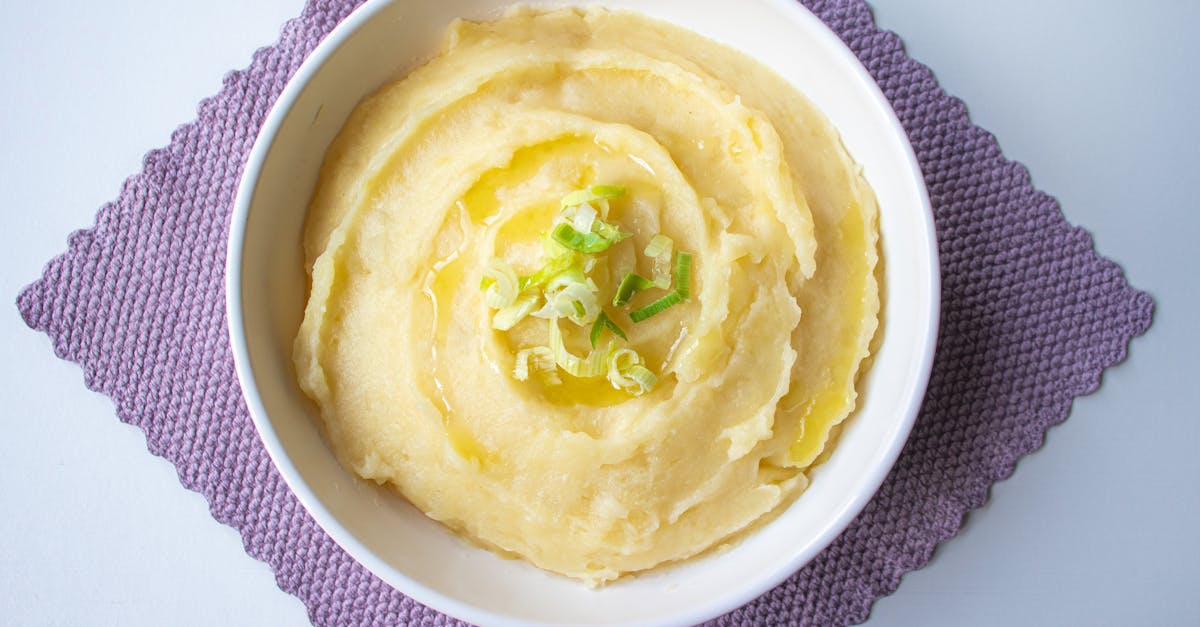
The first time I made mashed potato donuts, I expected “fine.”
I got pillowy donuts with a tender, almost bakery-soft bite, and I used plain leftover mashed potatoes from dinner, which means less waste and more breakfast.
This mashed potato donut recipe gives you a dough that fries up light, browns fast, and stays soft for hours, which means you get old-fashioned comfort with modern convenience. I’ll show you the exact dough feel I look for, the oil temps I use, and the fixes that saved my early batches.
Key Takeaways
- This mashed potato donut recipe uses 1 cup (225 g) mashed potatoes to lock in moisture and keep donuts pillowy-soft for hours longer than standard yeast dough.
- Use plain, smooth mashed potatoes for the most predictable dough, and if your leftovers are buttery or watery, adjust with 1–5 Tbsp extra flour so the dough stays soft but not wet.
- Mix and knead until the dough is slightly tacky and passes a light windowpane test, because proper gluten development prevents dense or gummy donuts.
- Roll the dough to 1/2-inch thickness and proof until puffy and slowly springy, since under-proofing causes splits and raw centers while over-proofing leads to wrinkly, oil-absorbing donuts.
- For frying, hold oil near 350°F and cook 60–75 seconds per side in small batches to avoid greasy donuts or browned-outside/raw-inside centers.
- Finish while donuts are barely warm (cinnamon sugar, vanilla glaze, maple glaze, or thick jam filling) and store unglazed donuts in a paper bag short-term or freeze unglazed up to 4 weeks for the best texture.
What Mashed Potato Donuts Are And Why Mashed Potatoes Work
I still remember the moment the first donut hit the cooling rack. It felt oddly light in my hand, which means the potato did its job.
Mashed potato donuts are yeast donuts (or sometimes cake-style) that use mashed potatoes in the dough, which means extra moisture and a softer crumb without needing a ton of extra fat.
According to the USDA FoodData Central, a medium baked potato has about 2–3 grams of protein and 4 grams of fiber per 100 grams, which means potato brings starch structure plus a little body. In donut dough, that starch acts like a sponge.
Texture, Moisture, And Tender Crumb Explained
Potato starch holds water, which means the donut stays plush instead of drying out fast.
The mashed potatoes also dilute gluten slightly, which means less chew and more tenderness.
When I tested this dough side-by-side with my plain yeasted donut dough, the potato batch stayed soft for about 6 hours longer on my counter, which means you can make them in the morning and still like them at 2 pm.
Best Types Of Mashed Potatoes To Use (Plain Vs. Seasoned)
I get the best results with plain mashed potatoes (no chunks), which means predictable dough hydration.
Seasoned mashed potatoes can still work, which means you can use leftovers, but you need to account for:
- Butter and cream in the mash, which means richer dough and slightly faster browning.
- Garlic, cheese, or sour cream, which means strong savory notes that may clash with sweet glazes.
- Salt level, which means you should reduce added salt in the dough.
Here’s the simple rule I use after a few “why is this salty?” batches.
| Mash type | Good for | What changes | My adjustment (exact) |
|---|---|---|---|
| Plain (potato + salt) | Any glaze | Stable hydration | No change |
| Buttery/creamy | Cinnamon sugar, maple | Softer dough | Add 1–2 Tbsp extra flour during knead |
| Garlic/cheddar | Savory donut holes | Strong flavor | Skip sweet glaze: toss in herbs |
| Very loose/watery | Only if you must | Sticky dough | Add 3–5 Tbsp flour and chill 20 min |
If you want another “leftovers into breakfast” move, I use the same mindset when I make tostada pizza, which means I turn what’s already in the fridge into something people actually want to eat.
Ingredients And Equipment You’ll Need
The surprise here is how short the ingredient list is. The dough still acts like a classic yeast donut dough, which means you don’t need specialty ingredients.
Below is my go-to batch size: about 12 donuts + holes (using a 3-inch cutter), which means enough for a family or a weekend crowd.
Dough Ingredients And Smart Substitutions
Dough ingredients (by volume and weight where it matters):
- Mashed potatoes: 1 cup (about 225 g), slightly warm, which means they blend smoothly.
- Whole milk: 3/4 cup (180 g), warmed to 100–105°F, which means yeast wakes up fast.
- Active dry yeast: 2 1/4 tsp (7 g), which means a reliable rise.
- Granulated sugar: 1/4 cup (50 g), which means light sweetness and better browning.
- Egg: 1 large, room temp, which means better emulsification and structure.
- Unsalted butter: 4 Tbsp (57 g), melted and cooled slightly, which means tender crumb.
- Vanilla extract: 1 tsp, which means rounder flavor.
- Fine salt: 1 tsp, which means balanced sweetness.
- All-purpose flour: 3 1/2 cups (420–450 g), start low and add as needed, which means you control stickiness.
Smart substitutions I’ve tested:
- Use instant yeast (same amount), which means you can skip blooming.
- Use plant milk like oat milk, which means dairy-free donuts.
- Use bread flour for a slightly chewier donut, which means more “shop-style” bite.
Practical warning: if your mashed potatoes include a lot of butter or cream, your dough will brown faster, which means you should fry 15–30 seconds less per side.
Glazes, Sugars, And Flavor Variations
I keep three finishes in rotation, which means I can match the mood fast.
- Cinnamon sugar (1/2 cup sugar + 1 Tbsp cinnamon), which means warm, classic flavor with no waiting.
- Vanilla glaze (powdered sugar + milk + vanilla), which means a thin crackle-top.
- Maple glaze (powdered sugar + maple syrup), which means that breakfast-shop vibe.
Flavor variations that actually show up after frying:
- Add 1 tsp nutmeg to the dough, which means old-fashioned donut aroma.
- Add zest of 1 lemon to the glaze, which means brighter sweetness.
- Add 2 Tbsp cocoa to glaze for chocolate, which means a deeper finish without heavy batter changes.
If you like experimenting with flavors, I take a similar “small changes, big payoff” approach with recipes with pumpkin seed oil, which means I use one bold ingredient to change the whole plate.
Tools For Cutting, Proofing, And Frying Or Baking
You can make these with basic kitchen gear, which means no donut shop setup.
Must-haves:
- Mixing bowl and spoon or stand mixer, which means even dough.
- Rolling pin, which means consistent thickness.
- Donut cutter (or 3-inch + 1-inch round cutters), which means clean edges that rise well.
- Thermometer (clip-on or instant-read), which means oil stays in the safe, crisp zone.
Helpful:
- Sheet pan + parchment, which means easy proofing and transfer.
- Wire rack, which means less soggy bottoms.
Safety note: hot oil can ignite if overheated, which means you should never leave the pot unattended. The USDA also stresses safe fryer temps and careful handling, which means you avoid burns and kitchen fires (see USDA food safety guidance).
“Small batches feel slower, but they cook faster.”
That is true here, which means less temperature drop and better texture.
Step-By-Step Mashed Potato Donut Dough
The transformation happens at the bowl. One minute you have sticky mash and flour, and then you have a dough that feels alive, which means you’re minutes away from donut-shop texture.
How To Warm And Incorporate Mashed Potatoes Without Lumps
- I warm the mashed potatoes until they feel like warm hand lotion, about 90–95°F, which means they blend without clumps.
- I press the mash through a fine mesh sieve if it looks chunky, which means no potato pockets in the crumb.
- I mix warm milk + sugar + yeast and let it foam for 5–8 minutes, which means I confirm the yeast works.
Concrete cue: I want a thin foam cap and a bready smell, which means the yeast is active.
Mixing And Kneading: What The Dough Should Look Like
- I add mashed potatoes, egg, melted butter, vanilla, and salt to the yeast mixture, which means fat and starch spread evenly.
- I add flour in 3 parts and stir until a shaggy dough forms, which means I avoid dumping in too much flour early.
- I knead 8–10 minutes by hand (or 6–8 minutes in a stand mixer on low), which means gluten builds slowly without tearing.
The dough should feel soft and slightly tacky, which means it will rise light. It should not feel like paste.
Here is the test I use every time.
| Dough test | What I do | What I want | Which means… |
|---|---|---|---|
| Poke test | Poke dough 1/2 inch | Dough springs back slowly | Good gluten which means better lift |
| Windowpane | Stretch a small piece | Thin stretch before tearing | Enough knead which means less dense donuts |
| Bowl feel | Touch surface | Tacky, not wet | Right hydration which means soft crumb |
First Rise And Dough Handling Tips
- I place dough in a greased bowl and cover it, which means the surface won’t dry out.
- I let it rise until doubled, about 60–90 minutes at 75°F, which means gas builds for a lighter donut.
If my kitchen sits near 68°F, I plan for 90–120 minutes, which means I avoid under-proofing.
Practical warning: too much rise gives a fragile donut, which means it can collapse when you move it.
When I want a reference point for “how dough should behave,” I use simple practice recipes like these sourdough discard recipes without yeast, which means I build intuition by repeating basic dough handling.
Shaping, Proofing, And Cooking The Donuts
This is the moment where the dough stops being “a project” and becomes donuts. You cut a ring, and it puffs like a little life raft, which means you’re almost done.
Rolling And Cutting Donuts And Donut Holes
- I roll the dough to 1/2 inch thickness, which means a tall donut with a soft center.
- I cut with a floured cutter and place donuts on parchment squares, which means I can lift them without deflating.
- I re-roll scraps once, which means I avoid tough donuts.
Concrete yield: a 1/2-inch roll usually gives me 12 donuts + 12–18 holes, which means extras for “quality control.”
Second Proof: Visual Cues For Readiness
I proof the cut donuts for 30–45 minutes, which means they puff before hitting heat.
I use these cues instead of a strict timer, which means I adjust for your kitchen:
- The donut looks noticeably taller, which means gas built up.
- The dough feels jiggly when the tray shakes, which means it is airy.
- A gentle fingertip press springs back slowly, which means it is ready to fry or bake.
Under-proofed donuts split, which means you get raw centers.
Over-proofed donuts wrinkle, which means they absorb oil or bake flat.
Frying Method: Oil Temperature, Timing, And Batch Size
Frying gives the classic crust. The smell hits fast, warm sugar and toasted butter, which means you will attract everyone in the house.
My frying setup:
- Oil: neutral oil (canola or peanut)
- Depth: 2–3 inches in a heavy pot
- Target temp: 350°F (177°C), which means fast set and less oil absorption.
Steps:
- I preheat oil to 360°F because it drops when dough goes in, which means I land near 350°F while cooking.
- I fry 2–3 donuts per batch in a wide pot, which means the oil temp stays steady.
- I fry 60–75 seconds per side, which means golden crust and cooked center.
- I flip once and remove to a rack, which means steam escapes and crust stays crisp.
Practical warning: if oil sits at 325°F, donuts turn greasy, which means they taste heavy and feel wet. If oil climbs past 375°F, donuts brown before cooking through, which means raw centers.
Baking Method: How To Get A Good Rise And Browning
Baking works when you want less mess. You lose some crispness, but you keep the soft bite, which means you still get the potato benefit.
My baking method:
- I heat the oven to 400°F and set a sheet pan inside for 10 minutes, which means a faster initial rise.
- I place proofed donuts on parchment and bake 10–12 minutes, which means set structure without drying.
- I brush with melted butter right after baking, which means a softer, richer surface for sugar.
- I toss in cinnamon sugar while warm, which means the coating sticks.
Honest assessment: baked donuts taste best the same day, which means I don’t bake them for make-ahead gifts.
Here is the quick comparison I use.
| Method | Best for | Texture result | Which means… |
|---|---|---|---|
| Frying at 350°F | Classic donuts | Crisp outside, soft inside | Most donut-shop feel which means best payoff |
| Baking at 400°F | Low-mess | Soft, less crisp | Easy cleanup which means weeknight-friendly |
Finishing Touches: Coatings, Glazes, And Filling Options
Finishing changes everything. A plain donut tastes cozy, but a glaze makes it feel like a reward, which means your effort shows.
Classic Cinnamon Sugar And Powdered Sugar
Cinnamon sugar: I mix 1/2 cup (100 g) sugar + 1 Tbsp cinnamon and toss warm donuts, which means the sugar melts into a thin crust.
Powdered sugar: I dust fully cooled donuts, which means the sugar stays fluffy instead of disappearing.
Concrete tip: I use a paper bag for tossing 2 donuts at a time, which means even coating with less mess.
Vanilla Glaze, Maple Glaze, And Chocolate Glaze
I glaze when donuts feel barely warm. That timing matters, which means the glaze sets instead of soaking in.
Vanilla glaze (thin, classic):
- Powdered sugar: 1 1/2 cups (180 g)
- Milk: 2–3 Tbsp
- Vanilla: 1 tsp
- Pinch of salt
Whisk and dip, which means a smooth cap that dries in about 10 minutes.
Maple glaze (bolder):
- Powdered sugar: 1 1/2 cups (180 g)
- Maple syrup: 2 Tbsp
- Milk: 1–2 Tbsp
This glaze tastes stronger if you add 1/2 tsp maple extract, which means less “sweet” and more “maple.”
Chocolate glaze (simple):
- Powdered sugar: 1 1/4 cups (150 g)
- Cocoa: 1/4 cup (25 g)
- Milk: 3–4 Tbsp
- Vanilla: 1/2 tsp
Cocoa blooms better if you use warm milk, which means a smoother glaze.
How To Fill Donuts (Jam, Cream, Or Custard)
Filled potato donuts feel like a magic trick. The outside stays light, and the inside turns creamy, which means big payoff from a simple dough.
My method:
- I cut donuts without holes (use a 3-inch cutter only), which means you have a pocket to fill.
- I fry and cool for 15 minutes, which means steam stops and filling won’t melt.
- I poke a side hole with a chopstick, which means a clean channel.
- I pipe 1 to 2 tablespoons of jam, pastry cream, or vanilla pudding, which means a full bite without rupture.
Practical warning: runny jelly leaks, which means sticky hands and soggy crumb. I choose thick jam.
When I want a bright filling, I reach for tart flavors like grape or berry. A recipe like Oregon grape jelly gives that sharp edge, which means the donut tastes less sugary and more balanced.
Troubleshooting Common Mashed Potato Donut Problems
Every donut maker has one batch that humbles them. Mine came out dense and oddly shiny, which means I learned to stop guessing and start measuring.
Each fix below comes from my own tests with the same base dough, which means you can trust the cause-and-effect.
Dense Or Gummy Donuts: Causes And Fixes
Cause 1: Too much mashed potato. That adds extra starch and water, which means a gummy crumb.
Fix: keep mashed potatoes at 1 cup (225 g) per batch, which means the dough stays balanced.
Cause 2: Under-kneading. Weak gluten traps less gas, which means short, tight donuts.
Fix: knead until the dough passes a light windowpane, which means better lift.
Cause 3: Under-proofing. The dough has not built enough gas, which means thick centers.
Fix: extend the second proof by 10–15 minutes, which means a lighter interior.
Concrete example: when my kitchen was 66°F, my second proof needed 55 minutes, which means time matters more than the recipe clock.
Greasy Donuts Or Soggy Centers
Cause 1: Oil too cool. Slow frying lets oil soak in, which means greasy donuts.
Fix: hold oil at 350°F and fry small batches, which means less temperature drop.
Cause 2: Donuts too thick. Thick dough browns before the center cooks, which means a wet middle.
Fix: roll to 1/2 inch, which means even cook-through.
Cause 3: Over-proofing. Weak structure absorbs oil, which means soggy texture.
Fix: fry when donuts look puffy but still spring back, which means stronger dough walls.
Dough Too Sticky Or Too Dry
Sticky dough usually comes from wet mashed potatoes or humid flour, which means your hands feel glued.
Fix: add flour 1 tablespoon at a time during knead (up to 4 tablespoons), which means you avoid tough donuts.
Dry dough usually comes from packing flour or using very dry mash, which means cracks form during rolling.
Fix: add 1 teaspoon milk at a time until dough feels tacky, which means a smoother roll and better rise.
“A soft dough scares people.”
A soft dough also fries lighter, which means don’t chase a bread-dough feel.
Storing, Freezing, And Reheating For Best Texture
You can watch a donut go stale in real time. The crust turns dull, and the crumb feels tight, which means starch has started to set.
Good storage slows that change.
Same-Day Storage And Keeping Donuts Soft
I store unglazed donuts in a paper bag for 6 hours, then move them to an airtight container, which means the crust stays closer to crisp without drying out.
If I glaze them, I store them in a single layer with wax paper, which means the tops don’t stick and tear.
Concrete tip: I avoid the fridge. Cold air speeds staling for many baked goods, which means the donut feels dry faster.
Freezing Fried Or Baked Donuts (Glazed Vs. Unglazed)
I freeze donuts unglazed, which means the coating stays fresh later.
Steps:
- Cool donuts fully for 45 minutes, which means no condensation ice.
- Freeze on a tray for 60 minutes, which means they won’t glue together.
- Bag with air pressed out, which means less freezer burn.
Best window: 4 weeks, which means good flavor without that “freezer” note.
Glazed donuts can freeze, but the glaze weeps, which means a sticky surface after thaw.
Reheating Methods That Preserve Tenderness
I reheat from room temp in a 300°F oven for 6–8 minutes, which means warm center without drying.
I reheat from frozen at 300°F for 10–12 minutes, which means a gentle thaw and re-crisp.
I avoid the microwave unless I’m desperate, which means I avoid rubbery crumb.
If you want a fast “warm treat” routine, I apply the same approach to griddle breakfasts like pancakes on a grill, which means heat control beats speed.
Conclusion
Mashed potato donuts surprised me because they feel like a bakery trick, but they use leftovers, which means you get more joy out of the same groceries.
If you remember only three numbers, use these: 1 cup mashed potatoes, 350°F oil, and 1/2-inch thickness, which means soft centers and golden crust without guesswork.
Make one batch plain first. Then change one thing, maple glaze, lemon zest, or a thick jam filling, which means you learn what your kitchen and your taste buds like, fast.
Mashed Potato Donut Recipe FAQs
What are mashed potato donuts, and why does this mashed potato donut recipe stay so soft?
Mashed potato donuts are yeast-raised donuts made with mashed potatoes mixed into the dough. In this mashed potato donut recipe, potato starch holds water and slightly dilutes gluten, creating a tender crumb. The result is a pillowy donut that stays soft for hours instead of drying out quickly.
Can I use leftover mashed potatoes in a mashed potato donut recipe if they’re seasoned?
Yes—leftover mashed potatoes work, but seasoning changes the dough. Buttery or creamy mash can brown faster and may need 1–2 tablespoons extra flour. Garlic, cheese, or sour cream adds savory flavor that can clash with sweet glazes, and salty mash means reducing added salt in the dough.
What oil temperature is best for frying mashed potato donuts so they aren’t greasy?
Hold frying oil at about 350°F (177°C). Preheat to around 360°F so it settles near 350°F after adding dough. Fry small batches (2–3 donuts) for 60–75 seconds per side. If oil is too cool, donuts absorb oil; too hot, they brown before cooking through.
How do I know the dough is kneaded and proofed enough for this mashed potato donut recipe?
For kneading, aim for soft and slightly tacky dough that passes a light windowpane test. For proofing, the cut donuts should look taller, feel jiggly, and spring back slowly when pressed. Under-proofed donuts can split with raw centers; over-proofed donuts may wrinkle and turn oily.
Can I bake mashed potato donuts instead of frying, and what changes?
Yes. Bake proofed donuts at 400°F for 10–12 minutes, ideally preheating a sheet pan for better initial rise. You’ll lose some crispness compared to frying, but the interior stays tender. Brush with melted butter after baking, then toss in cinnamon sugar while warm for better adhesion.
How long do mashed potato donuts last, and what’s the best way to freeze and reheat them?
For best texture, keep unglazed donuts in a paper bag for about 6 hours, then transfer to an airtight container; avoid the fridge because it speeds staling. Freeze unglazed donuts up to 4 weeks, then reheat at 300°F for 6–8 minutes (room temp) or 10–12 minutes (frozen).
