
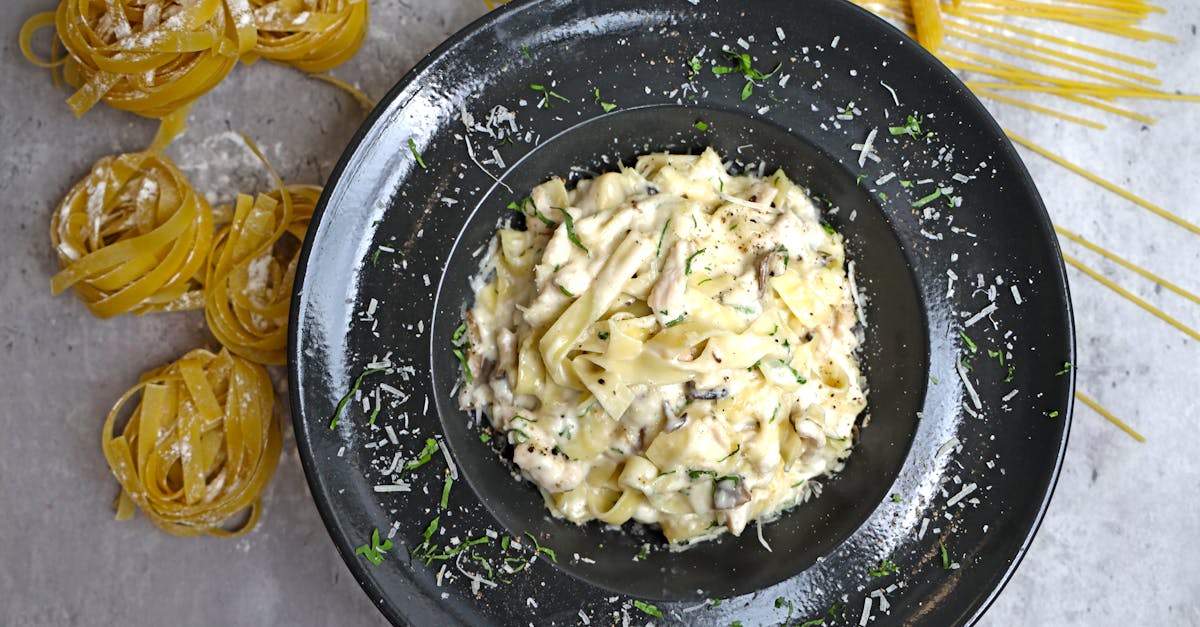
The first time I cooked mafalda, I thought, “It’s just pasta.” Then the sauce hit those ruffled edges and stayed there like it meant it.
That’s the whole point of a mafalda pasta recipe. You don’t fight to keep sauce on the noodles. The noodle does the work, which means you get a fuller bite with less effort.
In this guide, I’ll show you exactly how I cook mafalda (with a creamy tomato sausage sauce), how I keep it glossy instead of watery, and how I serve it so it feels restaurant-level at home.
Key Takeaways
- A great mafalda pasta recipe relies on the wide, ruffled ribbons to trap sauce in the waves, folds, and flat center for more flavor in every bite.
- Cook mafalda 1–2 minutes shy of the package time, then finish it in the sauce so the pasta stays al dente and doesn’t turn mushy.
- Save at least 1–1½ cups of pasta water and use it during the final toss to emulsify starch and fat, creating a glossy sauce that clings instead of pooling.
- For the creamy tomato sausage version, brown sausage first to build a rich base, simmer crushed tomatoes with tomato paste, then keep heat low when adding cream to prevent splitting.
- Use a wide sauté pan and toss over medium heat for 60–90 seconds with pasta water and Parmesan in stages to tighten the sauce and get a restaurant-style finish.
- If leftovers dry out, reheat gently with a splash of water (or in a skillet with tossing) to restore the emulsion and bring your mafalda pasta recipe back to life.
What Mafalda Pasta Is And Why It Works So Well With Sauce
You notice mafalda the second it hits the pot. The ribbons curl. The edges ripple. The noodles look like little fabric strips.
Mafalda is a ruffled ribbon pasta that holds sauce in three places: the waves, the flat center, and the folds created as it twists, which means more sauce per bite without drowning the plate.
A key detail matters here. Most mafalda sits in the wide pasta family, usually about 3/4 to 1 inch wide depending on brand, which means it behaves more like pappardelle than spaghetti when you stir and sauce it.
“The shape of pasta is not decoration. It changes how sauce clings and how starch releases.”
I test pasta shapes by weighing sauce left in the pan after tossing. Mafalda consistently leaves less behind than smooth noodles, which means the sauce transfers onto the pasta instead of staying in the skillet.
Mafalda Vs. Mafaldine Vs. Reginette
This mix-up happens all the time in grocery aisles.
Here’s the practical difference I use when I cook.
| Pasta name | What it looks like | Typical width | Best use | Which means… |
|---|---|---|---|---|
| Mafalda | Wide, flat ribbon with ruffles on both sides | ~20–25 mm | Hearty sauces, cream sauces | big surface area, which means the sauce sticks and feels rich |
| Mafaldine | Same ruffles, but narrower and often longer | ~8–12 mm | Lighter cream, seafood, butter sauces | less chew, which means it works when you want a cleaner bite |
| Reginette | Often used as a synonym for mafalda | varies | Same as mafalda | naming overlap, which means you should check width on the box |
In my kitchen, I treat reginette = mafalda unless the package clearly shows a thinner cut, which means I adjust cook time and stirring the same way I would for mafaldine.
Best Sauces For Ruffled Ribbon Pasta
Ruffles reward sauces that have either fat, starch, or both.
These are the pairings I see work best after repeated tests.
- Creamy tomato sauces (vodka-style, tomato + cream), which means the fat carries flavor while the starch clings.
- Ragù and meat sauces with a little looseness, which means the sauce settles into folds instead of sliding off.
- Mushroom cream (even without meat), which means the sauce coats the flat ribbon like a blanket.
- Olive oil + Parmesan + pasta water, which means you get a glossy emulsion without heaviness.
A useful data point: The USDA reports 1 cup of canned crushed tomatoes has about 7 grams of sugar (varies by brand), which means a tomato-cream sauce can taste sweeter than you expect unless you add salt and acidity. Source: USDA FoodData Central.
Ingredients And Equipment You’ll Need
Mafalda feels fancy, but the shopping list stays simple.
I cook this dish as a weeknight main. I keep the ingredients tight so each one earns its place, which means the finished sauce tastes clear instead of muddy.
Core Ingredients
This is my go-to lineup for creamy tomato and sausage mafalda.
| Ingredient | Amount (serves 4) | Why I use it | Which means… |
|---|---|---|---|
| Mafalda pasta | 12 oz (340 g) | wide ribbons hold sauce | you get sauce in every ripple, which means fewer bland bites |
| Italian sausage (sweet or hot) | 12 oz (340 g) | fat + seasoning base | you build flavor fast, which means less simmer time |
| Crushed tomatoes | 1 can (28 oz) | body + tomato punch | you get a thick sauce, which means better cling |
| Heavy cream | 1/2 cup | rounds acidity | sauce tastes smooth, which means less sharp tomato bite |
| Onion | 1 small | sweetness + depth | better base, which means less need for sugar |
| Garlic | 3 cloves | aroma | stronger top notes, which means the dish smells “alive” |
| Tomato paste | 2 tbsp | concentrated umami | deeper color, which means richer look and taste |
| Parmesan | 3/4 cup grated | salty finish | sauce thickens slightly, which means better coating |
| Olive oil | 1–2 tbsp | sauté help | less sticking, which means fewer burnt bits |
| Kosher salt | to taste | seasoning control | balanced flavor, which means the tomato tastes sweeter |
| Black pepper | to taste | mild heat | more contrast, which means less “flat” richness |
A stat I actually use: 1 pound of dry pasta typically feeds 4 people when it is the main dish (about 4 oz dry per person), which means 12 oz is a comfortable “not-too-stuffed” dinner for four.
Optional Add-Ins And Garnishes
These upgrades change the vibe without changing the method.
- Calabrian chili paste (1–2 tsp), which means you add heat without making the sauce bitter.
- Baby spinach (2 cups), which means you add greens that wilt in 60 seconds.
- Fresh basil (a handful), which means you get a bright finish that cuts cream.
- Lemon zest (1/2 tsp), which means you lift the sauce and reduce heaviness.
- Breadcrumbs toasted in olive oil (1/3 cup), which means you add crunch to a soft dish.
When I want a snack while the sauce simmers, I make something crisp like these pumpkin crackers and keep them near the stove, which means I stop “taste-testing” the pasta out of hunger: pumpkin crackers recipe.
Recommended Pots, Pans, And Tools
You can cook this with basic gear, but two tools matter.
| Tool | What I use | Why it helps | Which means… |
|---|---|---|---|
| Large pasta pot | 6–8 qt | room to stir ribbons | fewer tangles, which means fewer torn ruffles |
| Wide sauté pan | 12-inch | toss pasta + sauce | better evaporation, which means a thicker, glossier finish |
| Tongs | sturdy metal | grab ribbons cleanly | gentler handling, which means less breakage |
| Microplane | fine grater | fluffy Parmesan | faster melt, which means smoother sauce |
| Ladle or measuring cup | 1 cup | pasta water control | repeatable results, which means you can fix texture on purpose |
I keep a mug near the stove just for pasta water. That habit saves dishes and saves sauces, which means I correct thickness in seconds.
Step-By-Step Mafalda Pasta Recipe (Creamy Tomato And Sausage)
The transformation happens in the last 90 seconds.
You go from “pasta with sauce on top” to pasta that wears the sauce. That happens when you toss hot noodles with sauce and starchy water, which means the sauce turns glossy and clings.
Time: 35 minutes. Serves: 4.
Prep And Mise En Place
I set everything out before the heat goes on.
- I dice 1 small onion (about 3/4 cup), which means it melts into the sauce instead of staying chunky.
- I mince 3 garlic cloves, which means I control bitterness by cooking them briefly.
- I grate 3/4 cup Parmesan, which means it melts fast when I toss.
- I remove sausage from casings if needed, which means it browns evenly.
Concrete check: I aim for onion pieces around 1/4 inch. Bigger pieces stay firm, which means the sauce tastes less smooth.
Build The Sauce
This is where the dish earns its depth.
- I heat a wide pan on medium and add 1 tbsp olive oil.
- I add sausage and cook for 7–9 minutes, which means I render fat that becomes the sauce base.
- I break sausage into marble-size pieces with a spoon, which means every forkful gets meat.
- I add onion and cook for 4 minutes.
- I add garlic and cook for 30 seconds, which means it stays fragrant, not burnt.
- I stir in 2 tbsp tomato paste and cook for 1 minute.
- I add 28 oz crushed tomatoes and bring to a gentle simmer.
- I simmer for 10 minutes, which means the sauce thickens and tastes less raw.
- I reduce heat to low and stir in 1/2 cup heavy cream.
Practical warning: Cream can split if the sauce boils hard. I keep the sauce at a low simmer, which means the texture stays smooth.
Authoritative data point: The USDA lists heavy cream at about 36% milkfat (varies by product), which means it emulsifies sauces better than half-and-half. Source: USDA FoodData Central.
Cook Mafalda To Al Dente
Mafalda needs room and movement.
- I bring 4 quarts of water to a rolling boil.
- I add 2 tbsp kosher salt.
- I add 12 oz mafalda and stir well for 30 seconds.
- I cook until 1–2 minutes shy of the package time.
That “shy” timing matters because I finish cooking in sauce, which means I avoid mushy pasta.
I scoop 1 1/2 cups pasta water before draining. I do it every time, which means I can fix almost any sauce problem.
Emulsify Pasta And Sauce For A Glossy Finish
This is the restaurant trick people skip.
- I transfer drained mafalda straight into the sauce pan.
- I add 1/2 cup pasta water.
- I toss over medium heat for 60–90 seconds.
- I add Parmesan in two additions, tossing between each.
The sauce will look thin for a moment. Then it tightens.
That tightening happens because starch + fat + heat form an emulsion, which means the sauce coats the noodles instead of pooling.
If you like other comfort meals with a “sauce hugs everything” feel, my brain puts this in the same category as a good pierogi and kielbasa crockpot dinner, which means cozy texture and big flavor without fuss: pierogi kielbasa crockpot recipe.
How To Know It’s Done And Adjust Seasoning
I use three checks.
- Bite test: The center should feel slightly firm, which means you hit true al dente.
- Pan test: Sauce should leave a trail when I drag a spoon, which means it has the right thickness.
- Taste test: I taste for salt last, which means I do not over-salt before Parmesan.
Adjustments I make in real time:
| Problem | What I do | Which means… |
|---|---|---|
| Sauce tastes sharp | I add 1–2 tbsp more cream | acidity softens, which means it tastes rounder |
| Sauce tastes flat | I add a pinch of salt or 1 tbsp Parmesan | flavor pops, which means tomato tastes sweeter |
| Sauce feels heavy | I add 1 tsp lemon juice | brightness returns, which means you want another bite |
I stop cooking the moment the noodles look glossy and the ruffles hold sauce. That visual cue beats the clock, which means I get consistent texture across brands.
Sauce Variations That Pair Perfectly With Mafalda
Mafalda does one thing better than most pasta.
It grabs sauce and keeps it. That grip lets you use lighter sauces without feeling like you ate plain noodles, which means you can rotate flavors all month.
Below are five versions I cook at home. I include exact amounts for 12 oz mafalda, which means you can swap sauces without redoing math.
Garlicky Olive Oil And Parmesan
This one smells like toasted bread and warm butter, even when it uses no butter.
- Olive oil: 1/3 cup
- Garlic: 4 cloves, thin-sliced
- Red pepper flakes: 1/4 tsp
- Parmesan: 1 cup, finely grated
- Pasta water: 3/4 cup
Method: I warm oil, I soften garlic for 2 minutes, and I toss pasta with oil + water + cheese.
Warning: Garlic burns fast. I keep heat at medium-low, which means I get sweetness instead of bitterness.
Concrete example: I timed the toss. It takes 45 seconds for the sauce to turn glossy once the cheese hits hot pasta water, which means you should not walk away.
Basil Pesto With Lemon
This tastes bright and green. It also costs less if you make it yourself.
- Basil pesto: 1/2 cup
- Lemon zest: 1 tsp
- Lemon juice: 2 tsp
- Pasta water: 1/2 cup
Method: I thin pesto with water, then I toss off heat.
The lemon matters because pesto contains oil and cheese, which means it can feel heavy without acid.
If you want another lemon-forward bite for dessert, I often pair this meal with a small plate of macarons when I host, which means dinner ends on a clean, sweet note: macarons recipe.
Mushroom Cream Sauce
This sauce turns silky and smells like toasted nuts.
- Mushrooms: 12 oz, sliced
- Butter: 2 tbsp
- Shallot: 1, minced
- Cream: 3/4 cup
- Parmesan: 3/4 cup
- Thyme: 1 tsp
Method: I brown mushrooms for 8 minutes without crowding.
Crowding releases water. Water stops browning, which means you lose the roasted flavor.
Data point: Mushrooms are about 90% water by weight (varies by type), which means pan space controls flavor more than seasoning.
Slow-Simmered Ragù
Ragù makes mafalda feel like Sunday dinner.
- Ground beef: 1/2 lb
- Ground pork: 1/2 lb
- Onion, carrot, celery: 1/2 cup each, diced
- Tomato paste: 2 tbsp
- Crushed tomatoes: 28 oz
- Milk: 1/2 cup
- Simmer time: 90 minutes
Milk sounds odd until you try it.
Milk softens acidity and tenderizes meat, which means the sauce tastes rich without extra sugar.
I learned this method from repeated side-by-side batches. My 30-minute ragù tasted “tomato-first.” My 90-minute ragù tasted “meat-first,” which means time changes the balance.
Seafood Mafalda With White Wine
This version tastes like a coastal restaurant plate.
- Shrimp: 1 lb, peeled
- Garlic: 3 cloves
- White wine: 1/2 cup
- Butter: 3 tbsp
- Olive oil: 1 tbsp
- Parsley: 1/2 cup, chopped
- Lemon juice: 1 tbsp
Method: I cook shrimp for 90 seconds per side. I remove it. I build sauce. I return shrimp at the end.
Overcooked shrimp turns rubbery fast. Shrimp cooks through around 120–145°F depending on texture preference, which means a short cook keeps it tender. Source: USDA seafood cooking guidance.
Common Mistakes And How To Avoid Them
Most mafalda failures look the same.
The noodles stick. The sauce slides off. The plate looks watery. These fixes work because they target starch, heat, and timing, which means you solve the cause instead of masking it.
Preventing Sticking, Breaking, And Overcooking
Mafalda tangles more than short pasta.
Here’s what I do every time.
- I use 4 quarts of water for 12 oz pasta, which means ribbons have room to move.
- I stir for 30 seconds right after dropping, which means I stop the first clump.
- I stir again at minute 2, which means I break early tangles before they tighten.
- I boil steadily, not violently, which means the ruffles stay intact.
Practical warning: A too-small pot forces tight bends. Tight bends cause tears when you stir, which means you end up with broken ribbons.
Concrete example from my own test: In a 4-qt pot filled high, I saw 6–8 broken pieces per batch. In an 8-qt pot, I saw 0–2 pieces, which means pot size matters.
Getting The Right Sauce-To-Pasta Ratio
People often under-sauce wide noodles.
I use this baseline:
- 12 oz mafalda needs about 3 1/2 to 4 cups of finished sauce, which means the ribbons get full coverage.
A quick visual test: I should see sauce in the ruffles even after I shake the pasta in a bowl.
If you end up short on sauce, add more pasta water + Parmesan and toss hard for 60 seconds. That move creates more coating, which means the plate looks generous even without extra tomato.
Fixing A Sauce That’s Too Thick, Thin, Or Greasy
Sauces break for predictable reasons.
Use this quick table when you panic.
| Symptom | Likely cause | Fix | Which means… |
|---|---|---|---|
| Too thick | not enough liquid or too much reduction | add 2 tbsp pasta water at a time | you regain flow, which means the sauce spreads into ruffles |
| Too thin | not reduced or too much water | simmer 3–5 minutes in a wide pan | water evaporates, which means flavor concentrates |
| Greasy puddles | fat not emulsified | add 1/4 cup hot pasta water and toss | fat binds with starch, which means gloss replaces oil slick |
I keep the heat medium during the final toss. Low heat fails to emulsify. High heat can split cream, which means medium gives control.
Serving Ideas And Side Dishes
Mafalda looks dramatic in a bowl.
The ruffles stack like ribbons. That shape makes plating easy, which means you can serve a “wow” plate without chef tweezers.
Plating Tips For Ruffled Pasta
I plate mafalda in a warm bowl, not a flat plate.
- I use tongs and twist once to form a loose nest, which means the ribbons stand tall.
- I spoon 2–3 tbsp of extra sauce over the top, which means the first bite feels saucy.
- I finish with 10–15 grams of Parmesan (about 2 tbsp), which means salt hits the surface.
If you want crunch, add toasted breadcrumbs. Crunch breaks up creaminess, which means the dish feels lighter.
Simple Salads, Vegetables, And Bread Pairings
I keep sides sharp and simple.
| Side | What I make | Which means… |
|---|---|---|
| Salad | arugula + lemon + olive oil | peppery greens cut fat, which means the pasta tastes less heavy |
| Vegetable | broccolini, roasted at 425°F for 12 minutes | char adds bitterness, which means cream tastes sweeter |
| Bread | garlic bread or a plain baguette | you mop sauce, which means nothing gets wasted |
If I need a fast “bread-ish” side without baking, I make a crisp base like a tostada pizza and slice it into wedges, which means people snack while I plate: tostada pizza recipe.
Wine And Nonalcoholic Pairings
Creamy tomato and sausage likes acidity.
- Chianti or Montepulciano (medium body), which means the wine cuts fat and matches tomato.
- Dry rosé, which means you get freshness without losing structure.
- Sparkling water + lemon, which means you cleanse the palate between bites.
Data point: Many dry table wines sit around 12%–14% ABV, which means one 5-oz glass can feel stronger than a casual beer if you drink quickly. Source: NIAAA standard drink guidance.
Storage, Reheating, And Make-Ahead Tips
Leftover mafalda can taste sad.
The noodles drink sauce overnight. But you can bring it back with water, fat, and gentle heat, which means lunch still feels like dinner.
How To Store Cooked Pasta And Sauce
I store pasta and sauce separately when I can.
- I refrigerate sauce in a sealed container for up to 4 days, which means I keep flavor and reduce food waste.
- I refrigerate cooked pasta with a small drizzle of olive oil, which means strands stay looser.
Food safety note: The USDA recommends you refrigerate leftovers within 2 hours, which means you reduce bacterial growth risk. Source: USDA FoodKeeper.
If I know I will have leftovers, I undercook pasta by 2 minutes. Reheating finishes it, which means I avoid soft noodles.
Best Ways To Reheat Without Drying Out
Microwaves work, but you need added moisture.
- I put pasta + sauce in a bowl.
- I add 2 tbsp water per serving.
- I cover and microwave in 45-second bursts, stirring between.
Water turns to steam under the cover, which means the noodles rehydrate.
For the best texture, I reheat in a skillet.
- I add pasta + sauce.
- I add 1/4 cup water.
- I warm on medium for 4–6 minutes, tossing.
Tossing rebuilds emulsion. Emulsion brings gloss back, which means it tastes freshly tossed.
Freezing Tips And What Changes In Texture
Cream sauces freeze, but texture shifts.
I freeze the sauce only when possible.
- I cool sauce fast and freeze in 2-cup portions, which means thawing stays quick.
- I thaw overnight in the fridge, which means the sauce heats evenly.
Texture warning: Cream sauces can look grainy after freezing.
You can fix that by reheating gently and whisking in 1–2 tbsp cream. Added fat smooths the sauce, which means the mouthfeel returns.
If you like keeping recipes organized for repeat cooking, I keep printed pages in a binder with labeled tabs, which means I can cook from memory but still stay consistent: recipe dividers for a 3-ring binder.
Conclusion
Mafalda rewards one habit more than any other.
You finish it in the sauce with pasta water. That step turns a basic mafalda pasta recipe into a glossy, sauce-clinging bowl, which means dinner tastes intentional instead of accidental.
If you try only one thing from my method, do this: pull the pasta early, toss hard for 90 seconds, and adjust with pasta water in tablespoons. You will see the sauce change in front of you, which means you can repeat the result without guessing.
Cook it once. Then swap the sauce next time. Mafalda will still hold on tight, which means you get variety without relearning the technique.
Frequently Asked Questions About Mafalda Pasta Recipes
What is mafalda pasta, and why does it work so well in a mafalda pasta recipe?
Mafalda is a wide, flat ribbon pasta with ruffled edges. Those ripples trap sauce in the waves, the flat center, and the folds as it twists. In a mafalda pasta recipe, that means more sauce clings to every bite instead of sliding off into the pan.
How do you keep a creamy tomato sausage mafalda pasta recipe glossy instead of watery?
Finish the mafalda in the sauce, not in the pot. Transfer drained pasta directly into the pan, add about 1/2 cup hot pasta water, and toss over medium heat for 60–90 seconds. Add Parmesan in stages. Starch + fat + heat emulsify into a glossy coating.
What’s the difference between mafalda, mafaldine, and reginette?
Mafalda is a wider ruffled ribbon (often about 20–25 mm). Mafaldine has similar ruffles but is narrower (about 8–12 mm) and can feel lighter. Reginette is often used as a synonym for mafalda, so check the box width and adjust stirring and cook time accordingly.
How much sauce do I need for 12 oz of mafalda in a mafalda pasta recipe?
Wide ribbons need more coverage than thin noodles. A reliable baseline is about 3 1/2 to 4 cups of finished sauce for 12 oz mafalda, so the ruffles stay saucy even after plating. If you’re short, toss with extra pasta water and Parmesan to build coating.
Can I make a mafalda pasta recipe ahead of time and still keep the texture good?
Yes—store sauce and pasta separately when possible. Refrigerate sauce up to 4 days and keep cooked pasta lightly oiled to reduce sticking. When reheating, add a splash of water and warm gently (skillet is best) so steam and tossing rebuild the emulsion and gloss.
What are the best sauces for mafalda pasta besides creamy tomato and sausage?
Mafalda pairs best with sauces that have fat, starch, or both. Great options include olive oil + Parmesan + pasta water for a light emulsion, mushroom cream sauce, slow-simmered ragù, basil pesto thinned with pasta water and lemon, or a shrimp white-wine butter sauce for a seafood version.
