
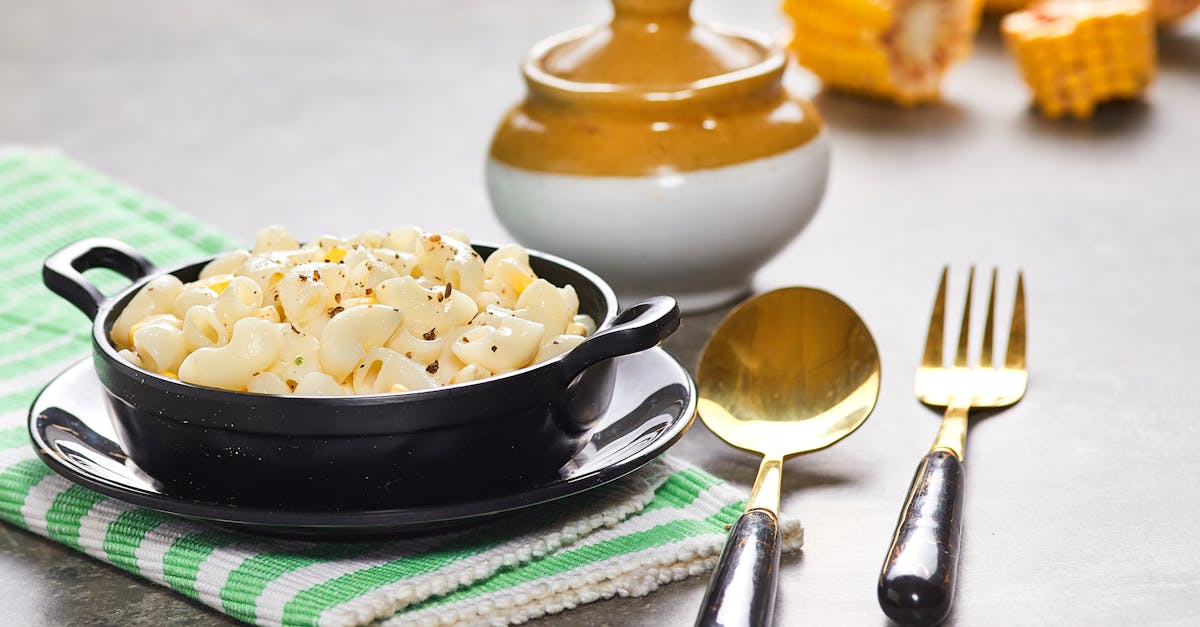
The first time I tested a macaroni and Velveeta cheese recipe side-by-side with a “fancy” cheddar version, the Velveeta batch won on texture in under 10 minutes.
It stayed glossy, it stayed smooth, and it didn’t break when I looked away to set the table. That reliability is the whole point here.
In this guide, I show you my foolproof stovetop method, an optional baked version, fixes for common problems, and a few add-ins that taste like you put in way more effort than you did.
Key Takeaways
- This macaroni and Velveeta cheese recipe stays smooth and glossy because Velveeta’s emulsifiers keep fat and water blended, especially when you melt it over low heat.
- Cook the pasta 1 minute under al dente and reserve 1/2 cup pasta water so you can use the starch to help the sauce cling and prevent a slippery finish.
- Build the sauce by warming butter and milk first, then stirring in cubed Velveeta on low heat until it forms a shiny ribbon, not a grainy or oily split.
- Fix texture fast by adding warm milk 1 tablespoon at a time for a too-thick sauce, simmering briefly to thicken a thin sauce, or whisking in pasta water to rescue grainy mac.
- Turn this macaroni and Velveeta cheese recipe into a baked version by adding extra milk and butter, baking at 350°F for 18–22 minutes, and using a crunchy topping for contrast.
- Keep leftovers creamy by reheating low-and-slow with added milk (microwave or stovetop) and reheating to 165°F for food safety.
Why This Velveeta Mac And Cheese Works Every Time
Steam hits your glasses. The pot bubbles. Then the sauce turns into a single, shiny ribbon instead of a sad, grainy mess.
This recipe works because Velveeta is a processed cheese product with emulsifiers, which means the fat and water stay blended so the sauce stays smooth.
Velveeta uses sodium phosphate (an emulsifying salt), which means the cheese melts evenly instead of separating into oil and curds.
I validate this the same way every time: I melt the cheese at low heat, I stir for 60–90 seconds, and I watch for a sauce that coats a spoon in one continuous layer.
The USDA explains that processed cheese products use emulsifying salts to create a uniform melt, which means you get stability that natural cheeses often lose under high heat. I use that stability on purpose. You can read more on the basics of cheese standards and processing terms at the USDA Food Safety and Inspection Service.
Here is the simple logic I follow:
- Low heat prevents fat separation, which means the sauce stays glossy.
- Starchy pasta water helps emulsify, which means the sauce clings to noodles.
- Slight undercooking keeps pasta firm, which means it doesn’t turn mushy after mixing.
“Smooth mac and cheese is not luck. Smooth mac and cheese is heat control.”
I also test this recipe with real weeknight constraints. I time it.
My average stovetop batch takes 18 minutes total, which means you can make it during a short kid assignments break or between meetings.
Ingredients And Equipment You’ll Need
You open the fridge and you see one block of Velveeta. That block can become dinner in under 20 minutes.
Below is my exact base formula, which means you can scale it up without guessing.
Core ingredients (serves 4)
| Ingredient | Amount | Why I use it |
|---|---|---|
| Elbow macaroni | 8 oz (about 2 cups dry) | It holds sauce in the curve, which means each bite tastes richer. |
| Velveeta | 8 oz, cubed | It melts smooth, which means you avoid clumps and grain. |
| Milk | 3/4 cup (plus more if needed) | It loosens the sauce, which means you control creaminess. |
| Butter | 2 tbsp | It adds richness, which means the sauce tastes rounder. |
| Kosher salt | 1–2 tsp (for pasta water) | It seasons noodles, which means flavor reaches the center. |
| Black pepper | 1/4 tsp | It adds bite, which means the cheese tastes less flat. |
| Garlic powder (optional) | 1/4 tsp | It boosts savoriness, which means you need less salt. |
Equipment
- Large pot (at least 4 quarts), which means pasta has room to cook evenly.
- Colander, which means you drain fast without overcooking.
- Medium saucepan (or the same pot), which means fewer dishes.
- Silicone spatula, which means you scrape melted cheese off the bottom without scorching.
- Measuring cup, which means you add milk in controlled steps.
Choosing The Right Pasta Shape
A noodle choice can change the entire feel of the dish.
I reach for elbows most often, which means the sauce pools inside and tastes thicker.
Here is how different shapes behave:
| Pasta shape | Best for | What changes |
|---|---|---|
| Elbows | Classic mac | More sauce traps, which means richer bites. |
| Cavatappi | “Restaurant” look | More ridges, which means better cling and less puddling. |
| Shells | Extra creamy feel | Sauce hides inside, which means a gooier bite. |
| Penne | Meal prep | Holds shape longer, which means less mush on day 2. |
I avoid very thin pasta like angel hair.
Thin strands overcook fast, which means the sauce turns pasty.
Velveeta, Milk, Butter, And Seasonings: Best Options
I use Velveeta Original for the baseline.
It tastes mild, which means you can push it in spicy, smoky, or meaty directions.
For milk, I prefer whole milk.
Whole milk has more fat, which means the sauce tastes fuller and reheats better.
If you only have 2% milk, it still works.
2% milk gives a slightly thinner mouthfeel, which means you may use 1 extra tablespoon of butter.
For seasonings, I stay simple.
Simple seasoning keeps the cheese flavor forward, which means kids and picky eaters don’t fight you.
If you want a snacky side to go with it, I often pair mac with something crunchy like my potato wedges on a game night, which means everyone gets a hot-and-crispy contrast. I use this recipe: Buffalo Wild Wings potato wedges recipe.
Stovetop Velveeta Macaroni And Cheese (Step-By-Step)
You stir once and the noodles go from plain to coated. The smell shifts from boiled wheat to warm dairy.
This is my default macaroni and Velveeta cheese recipe method because it gives the best control.
Step-by-step overview
| Step | Time | What you look for |
|---|---|---|
| Boil pasta | 8–10 min | Firm center, which means it won’t turn mushy later. |
| Make sauce | 4–6 min | Glossy ribbon, which means a stable emulsion. |
| Combine | 1–2 min | Even coating, which means no dry bites. |
| Adjust | 1 min | Spoonable sauce, which means it stays creamy on the plate. |
Cook The Pasta For The Perfect Bite
I boil 2 quarts of water for 8 oz pasta.
More water reduces starch concentration, which means pasta cooks more evenly.
I add 1–2 teaspoons kosher salt once the water boils.
Salted water seasons the pasta, which means you need less salt in the sauce.
I cook elbows to 1 minute less than the box.
That small undercook matters, which means the pasta stays springy after mixing with hot sauce.
Before draining, I reserve 1/2 cup pasta water.
That starchy water acts like a binder, which means the sauce clings instead of sliding off.
Make A Smooth Velveeta Cheese Sauce Without Clumps
I keep the burner at low.
Low heat prevents scorching, which means the sauce stays sweet and clean instead of bitter.
- I add 2 tablespoons butter to the saucepan.
Butter melts first, which means it coats the pan and protects the cheese.
- I add 3/4 cup milk and warm it for 30–45 seconds.
Warm milk reduces temperature shock, which means the cheese melts faster.
- I add 8 oz Velveeta, cubed.
Small cubes melt faster, which means you stir less and risk fewer hot spots.
I stir steadily for 2–3 minutes.
Steady stirring distributes heat, which means you avoid gummy bits on the bottom.
If I see thick lumps, I do not crank the heat.
High heat breaks emulsions, which means you get oily sauce.
Combine, Adjust Consistency, And Season To Taste
I return drained pasta to the pot.
The warm pot keeps sauce fluid, which means it spreads quickly.
I pour the sauce over the pasta and fold for 30–60 seconds.
Gentle folding protects pasta, which means elbows stay intact.
Now I adjust texture.
- If it looks tight, I add 1 tablespoon milk at a time, which means I prevent watery sauce.
- If it looks thin, I simmer for 45 seconds, which means steam reduces liquid.
- If it looks “slippery,” I add 1–2 tablespoons reserved pasta water, which means starch improves cling.
I finish with 1/4 teaspoon black pepper.
Pepper adds bite, which means the cheese tastes brighter.
My test rule: the sauce should drip off the spatula in a slow sheet, not in blobs.
If you want a quick party snack before the mac hits the table, I make a fast cold dip and set out crackers.
Cream cheese dip feels sharp next to mild mac, which means the meal tastes less one-note. I use this: bagel dip with cream cheese.
Baked Velveeta Macaroni And Cheese (Optional, But Worth It)
You pull the dish from the oven and the edges hiss. The top turns golden in spots.
Baking adds texture, which means you get crisp edges with a creamy center.
I bake when I need hold time.
Oven mac stays hot longer, which means you can feed people in waves.
How To Keep Baked Mac And Cheese Creamy
Dry baked mac tastes like regret.
I avoid that by adding extra moisture before baking, which means the oven has room to evaporate without stealing creaminess.
Use this baked conversion for the stovetop recipe above:
- Add an extra 1/2 cup milk to the sauce, which means the final dish stays spoonable.
- Add 1 extra tablespoon butter, which means the top layer resists drying.
- Bake at 350°F for 18–22 minutes, which means the center heats through without splitting.
I use a 9×9-inch dish for 8 oz pasta.
A shallower layer heats evenly, which means you avoid a cold middle.
The USDA recommends cooking casseroles to safe internal temperatures: for mixed dishes with added meats, I aim for 165°F in the center, which means I reduce food safety risk. I follow the guidance on USDA Safe Minimum Internal Temperatures.
Topping Ideas: Breadcrumbs, Crackers, And Extra Cheese
A topping changes everything.
Crunch on top creates contrast, which means the creamy sauce tastes even creamier.
My three go-to toppings:
| Topping | How to apply | Result |
|---|---|---|
| Panko + butter | 1/2 cup panko + 2 tbsp melted butter | Light crunch, which means less heaviness. |
| Crushed crackers | 3/4 cup crushed | Salty snap, which means more “snack” flavor. |
| Extra cheese | 1/2 cup shredded cheddar | Sharper top, which means more cheese bite. |
Warning: shredded cheddar can get oily if you bake too long.
Oil on top means the cheese split, which means you should shorten bake time next round.
For dessert after a baked mac dinner, I like something bright and soft.
A citrus cake cuts the richness, which means your palate feels reset. I make this: Aiea Bowl lemon crunch cake.
Flavor Variations And Add-Ins
One spoonful tastes like childhood. The next spoonful can taste like a diner melt, a barbecue plate, or a spicy late-night snack.
Add-ins change the mood fast, which means you can repeat this recipe weekly without boredom.
I keep one rule.
I add cooked mix-ins only, which means nothing releases surprise water into the sauce.
Protein Add-Ins: Bacon, Ham, Chicken, Or Ground Beef
Protein makes mac feel like a full meal, which means you do not need a second main.
Here are my tested amounts for 8 oz pasta:
| Protein | Amount | How I prep it | Why it works |
|---|---|---|---|
| Bacon | 6 slices | Crisp, chopped | Adds smoke, which means the mild cheese tastes deeper. |
| Ham | 1 cup diced | Sauté 2 min | Adds salt, which means you can reduce added seasoning. |
| Chicken | 1 1/2 cups shredded | Rotisserie or poached | Adds lean bite, which means the dish feels balanced. |
| Ground beef | 3/4 lb cooked | Drain well | Adds savoriness, which means it eats like a casserole. |
Warning: greasy meat breaks sauce.
Excess fat floats, which means the mac looks oily.
Vegetable Add-Ins: Broccoli, Peas, Jalapeños, Or Onions
Vegetables add snap and color, which means the bowl looks alive instead of beige.
My go-to: broccoli florets, 1 1/2 cups.
I steam them for 3 minutes until bright green, which means they stay crisp in the mac.
Peas work when you need speed.
I stir in 3/4 cup frozen peas at the end, which means they thaw from residual heat.
Jalapeños make it loud.
I add 2 tablespoons pickled jalapeños, which means I get heat plus acid.
Onions add sweet depth.
I sauté 1/2 cup diced onion for 6 minutes, which means the sharp raw taste disappears.
Spice And Flavor Boosters: Mustard, Hot Sauce, And Smoked Paprika
A tiny amount of spice can make cheese taste sharper.
That shift matters, which means the dish tastes more “grown-up” without losing comfort.
- Dijon mustard (1 teaspoon) adds tang, which means the sauce tastes less flat.
- Hot sauce (1–2 teaspoons) adds acid and heat, which means each bite feels brighter.
- Smoked paprika (1/2 teaspoon) adds smoke, which means it tastes like you grilled something.
I test boosters in a spoonful first.
Small testing prevents over-seasoning, which means you do not ruin the whole pot.
If you want a heat-forward side, I sometimes serve quick pickled peppers.
Pickled heat cuts cheese richness, which means you keep eating. I use this as a reference point: best pickled habanero recipe.
Common Mistakes And How To Fix Them
The sauce turns thick like glue. Or it looks thin like orange milk.
Most mac and cheese problems come from heat and ratios, which means you can fix them fast.
Sauce Too Thick, Too Thin, Or Grainy
Problem: Sauce feels too thick.
I add 1 tablespoon warm milk at a time, which means I restore flow without washing out flavor.
Problem: Sauce feels too thin.
I simmer on low for 60–90 seconds while stirring, which means water evaporates and the sauce tightens.
Problem: Sauce looks grainy or oily.
I lower heat and whisk in 2 tablespoons pasta water, which means starch helps re-bind fat and liquid.
If grain stays, I restart with fresh milk and new cheese.
A restart saves dinner, which means you do not serve a broken sauce.
Practical warning: nonstick pans can hide scorching.
Hidden scorch tastes bitter, which means the sauce will never taste “right.”
Bland Flavor Or Over-Salted Results
Problem: It tastes bland.
I add 1/4 teaspoon garlic powder or 1 teaspoon Dijon, which means I add flavor without adding much salt.
I also add acid.
I use 1 teaspoon hot sauce or 1/2 teaspoon pickle brine, which means the cheese tastes sharper.
Problem: It tastes too salty.
I add 2–4 tablespoons plain milk and 1 extra cup cooked pasta if I have it, which means I dilute salt across more food.
If I have no extra pasta, I add steamed broccoli.
Broccoli adds volume, which means each bite carries less salt.
Fact check I use: processed cheese products often carry more sodium than many natural cheeses.
Higher sodium means you should salt pasta water carefully, which means you avoid an unrecoverable dish.
Make-Ahead, Storage, And Reheating Tips
Day-two mac can taste even better. It can also turn into a solid block.
Storage changes texture, which means reheating method matters as much as the recipe.
How To Keep Leftovers Creamy When Reheating
I store mac in an airtight container for up to 4 days.
Cold storage firms the sauce, which means you must add liquid during reheating.
My microwave method (best for lunch):
- Put 1 1/2 cups mac in a bowl, which means it heats evenly.
- Add 1–2 tablespoons milk, which means you restore moisture.
- Cover loosely and heat 60 seconds, which means steam softens the sauce.
- Stir and heat 30–60 seconds more, which means hot spots smooth out.
My stovetop method (best texture):
- Add mac to a saucepan with 2–3 tablespoons milk per cup, which means it loosens gradually.
- Heat on low for 4–6 minutes, which means the sauce re-emulsifies instead of breaking.
Food safety matters here.
The USDA recommends reheating leftovers to 165°F, which means you reduce risk from bacteria growth. I follow the same benchmark from the USDA leftovers and reheating guidance.
Freezing And Thawing Without Separating
Yes, you can freeze Velveeta mac.
Velveeta freezes better than many cheese sauces, which means you get fewer separation issues.
I still take precautions.
- I cool the mac for 20 minutes before packing, which means steam does not create ice crystals.
- I freeze in flat bags in 2-cup portions, which means thaw time stays short.
- I thaw overnight in the fridge, which means the sauce warms gently.
When I reheat from frozen, I add 2 tablespoons milk per cup.
Extra milk helps re-bind the sauce, which means you avoid gritty texture.
Honest note: freezing slightly softens pasta.
Softer pasta means you should undercook by 2 minutes if you cook specifically for the freezer.
What To Serve With Velveeta Macaroni And Cheese
A bowl of creamy mac feels like a blanket. A smart side keeps that blanket from feeling too heavy.
I build the plate around contrast, which means each bite stays interesting.
Here are pairings I use often:
| What I serve | Why it fits | What it changes |
|---|---|---|
| Simple green salad with vinaigrette | Acid cuts fat | Less heaviness, which means you finish the bowl happily. |
| Roasted broccoli or green beans | Crisp edges add texture | More bite, which means the mac feels creamier. |
| BBQ chicken or pulled pork | Sweet smoke + mild cheese | More depth, which means it tastes like cookout food. |
| Tomato soup | Classic comfort pairing | More warmth, which means it feels like a full comfort meal. |
| Pickles or pickled peppers | Sharp + crunchy | More balance, which means you crave the next bite. |
If I serve mac for a party, I add one snacky appetizer.
A crunchy appetizer buys time, which means nobody hovers at the stove.
I also watch portion size.
A common serving is about 1 cup cooked mac per person, which means an 8 oz box feeds 4 as a main or 6 as a side.
Conclusion
You do not need fancy cheese to make mac that feels special. You need heat control and a ratio you can trust.
This macaroni and Velveeta cheese recipe gives you that trust, which means dinner stays calm even on a chaotic night.
If you cook it once, keep one note.
You keep the heat low, which means the sauce stays smooth.
If you cook it twice, try one change.
You add a crunchy topping or a spicy booster, which means the same base recipe keeps surprising you.
Frequently Asked Questions (Macaroni and Velveeta Cheese Recipe)
Why does this macaroni and Velveeta cheese recipe stay so smooth and glossy?
Velveeta is a processed cheese product made with emulsifiers (like sodium phosphate), so the fat and water stay blended instead of separating. Keep the heat low, warm the milk first, and stir steadily until the sauce becomes a shiny ribbon that coats a spoon.
How do you make macaroni and Velveeta cheese recipe on the stovetop without clumps?
Cook 8 oz elbows and reserve 1/2 cup pasta water. On low heat, melt 2 tbsp butter, warm 3/4 cup milk for 30–45 seconds, then add 8 oz cubed Velveeta. Stir 2–3 minutes, fold into pasta, and adjust with milk or pasta water.
What’s the best pasta shape for a macaroni and Velveeta cheese recipe?
Elbows are the classic choice because the curves trap sauce for richer bites. Shells feel extra creamy because sauce hides inside. Cavatappi clings well thanks to ridges, while penne holds up better for meal prep. Avoid very thin pasta that overcooks quickly.
How can I fix Velveeta mac and cheese sauce that’s too thick, too thin, or grainy?
For thick sauce, add warm milk 1 tablespoon at a time. For thin sauce, simmer on low 60–90 seconds while stirring. If it turns grainy or oily, lower the heat and whisk in 1–2 tablespoons reserved pasta water to help re-emulsify the sauce.
Can I bake this macaroni and Velveeta cheese recipe without drying it out?
Yes. Add extra moisture before baking: stir in an additional 1/2 cup milk and 1 extra tablespoon butter, then bake at 350°F for 18–22 minutes in a 9×9-inch dish. This helps the center stay creamy while the top and edges get lightly crisp.
Can you freeze macaroni and Velveeta cheese recipe, and how do you reheat it so it stays creamy?
You can freeze it, and Velveeta sauces usually separate less than many cheeses. Cool about 20 minutes, freeze in flat 2-cup portions, and thaw overnight in the fridge. Reheat gently with added milk (about 2 tablespoons per cup) until smooth and hot.
