
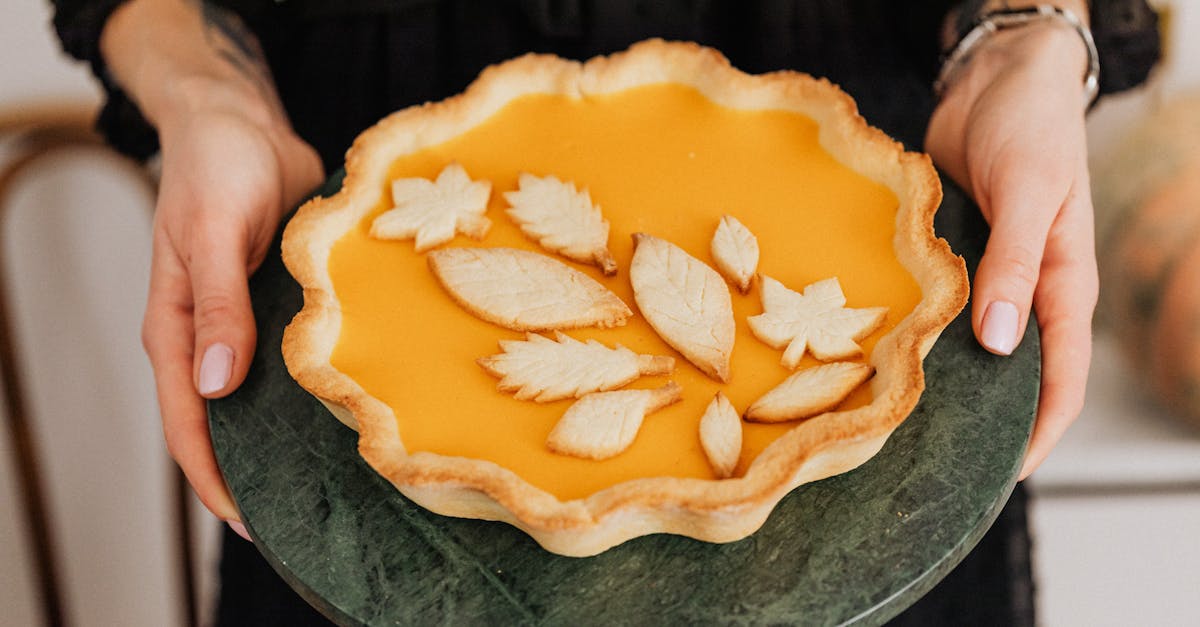
The first time I tried to make two pumpkin pies at once, I assumed I could “just double it.”
Then one pie baked faster, the other cracked, and I ended up with a custard that looked smooth in the bowl but felt slightly sandy on the fork. I fixed it by tightening the ratios, controlling oven heat, and using one simple mixing order.
This guide shows exactly how I make Libby’s pumpkin pie recipe for 2 pies, with a true double batch, even baking, and the doneness checks I trust.
Key Takeaways
- Use a true double batch for Libby’s pumpkin pie recipe for 2 pies: 30 oz pumpkin, 28 oz sweetened condensed milk, 4 large eggs, and the full doubled spice-and-salt ratios for consistent set and flavor.
- Follow the mixing order (pumpkin + spices + salt, then condensed milk, then gently whisked eggs) and avoid blenders to limit trapped air that leads to puffing and cracks.
- Bake two pies evenly by starting at 425°F for 15 minutes, dropping to 350°F without opening the door, and rotating the pies top-to-bottom once during the 350°F phase.
- Confirm doneness with a thermometer and pull at 175–180°F (with a small center jiggle) to prevent grainy custard, weeping, and surface cracking.
- Protect texture and food safety by cooling 2 hours at room temp, refrigerating at least 4 hours before slicing, and following the USDA 2-hour rule for how long pumpkin pie can sit out.
- For make-ahead success, chill overnight for cleaner slices, store tightly covered to prevent fridge odors, and freeze up to 1 month with a double wrap and a slow fridge thaw to reduce sogginess.
What You’ll Need To Make Two Pumpkin Pies
You can make two pies with calm, repeatable results if you set up the ingredients and pans first. I treat pumpkin pie like a custard. Custard rewards accuracy, which means fewer cracks and cleaner slices.
“Pumpkin pie is a baked custard. Custards like gentle heat.”
I learned that the hard way after a 425°F blast turned my edges firm while the center stayed loose.
Ingredients For Two 9-Inch Pies
I use the classic Libby’s profile: pumpkin, sweetened condensed milk, eggs, and warm spices. Each ingredient plays a specific job, which means you can troubleshoot fast when something goes off.
Double-batch ingredient list (two 9-inch pies):
| Ingredient | Amount | Why it matters (which means…) |
|---|---|---|
| Libby’s 100% Pure Pumpkin | 2 cans (15 oz each) = 30 oz | Pumpkin provides body, which means the filling sets without feeling runny. |
| Sweetened condensed milk | 2 cans (14 oz each) = 28 oz | Sugar + milk solids thicken, which means a creamy custard with less fuss. |
| Large eggs | 4 | Eggs set the custard, which means the pie slices instead of slumping. |
| Ground cinnamon | 2 tsp | Cinnamon brings warmth, which means the pie tastes “pumpkin-y” even when cold. |
| Ground ginger | 1 tsp | Ginger adds lift, which means the flavor stays bright, not flat. |
| Ground cloves | 1/2 tsp | Clove adds depth, which means the aroma hits before the first bite. |
| Salt | 1 tsp | Salt sharpens flavor, which means the pie tastes richer with the same sugar. |
| 9-inch pie crusts | 2 | Crust holds custard, which means you need structure that bakes evenly. |
Concrete note: I use 4 large eggs (about 200 g without shells). Egg size changes set time, which means jumbo eggs can over-firm the custard.
Equipment And Pan Notes (9-Inch Vs Deep-Dish)
I bake two pies cleanly when I match pan depth to filling volume. Pan shape changes heat flow, which means deep-dish often needs more time.
What I use most often:
- 2 standard 9-inch pie plates (glass or metal). Standard depth gives predictable set, which means fewer surprises at the 50-minute mark.
- 1 large mixing bowl (at least 4 quarts). Extra space prevents splashes, which means you keep the egg mix uniform.
- Whisk + rubber spatula. Whisk blends, spatula scrapes, which means spices do not clump in corners.
- Sheet pan. It catches drips, which means you avoid burnt sugar on the oven floor.
- Instant-read thermometer. I use it to confirm doneness, which means I do not guess.
9-inch vs deep-dish:
| Pan type | What changes | Which means… |
|---|---|---|
| Standard 9-inch | Normal fill line | You get classic bake times with a centered jiggle. |
| Deep-dish 9-inch | More volume | You need longer bake time or you risk a loose center. |
If you only have deep-dish crusts, I still use the same filling formula, but I watch temperature instead of the clock. Temperature gives the truth, which means you do not overbake the edges while waiting for the center.
Food safety anchor: The USDA recommends refrigerating perishable foods within 2 hours (or 1 hour above 90°F), which means pumpkin pie should not sit out all afternoon. I follow USDA food safety guidance for cooling and storage.
How To Double Libby’s Pumpkin Pie Filling Correctly
Doubling pumpkin pie filling sounds simple until you hit texture problems. I see most issues come from mixing order and over-beating, which means you trap air and bake cracks into the surface.
I keep it boring on purpose. Boring mixing makes beautiful pie.
The Exact Double-Batch Filling Formula
This is the formula I use every time for Libby’s pumpkin pie recipe for 2 pies. It matches the classic proportions and scales cleanly, which means both pies bake and taste the same.
Double batch filling (for 2 pies):
- 30 oz (2 x 15 oz) Libby’s pumpkin
- 28 oz (2 x 14 oz) sweetened condensed milk
- 4 large eggs
- 2 tsp cinnamon
- 1 tsp ginger
- 1/2 tsp cloves
- 1 tsp salt
Concrete example from my kitchen: I measured the mixed filling once for consistency. I got about 6 1/2 cups total, which means each pie gets roughly 3 1/4 cups (leave a small headspace so it does not slosh).
Mixing Order For Smooth, Lump-Free Custard
I mix in a specific order because pumpkin can hide spice clumps. Clumps taste harsh, which means one bite feels “all clove.”
My mixing order (5 steps):
- Whisk pumpkin + spices + salt in the bowl.
- This spreads spice oils through pumpkin, which means you avoid floating spice islands later.
- Whisk in sweetened condensed milk until the color looks even.
- Even color signals even sugar, which means the custard sets uniformly.
- Crack eggs into a separate bowl, then whisk just to combine.
- This avoids shell bits, which means you do not fish fragments out of custard.
- Whisk eggs into pumpkin mix using gentle strokes.
- Gentle mixing limits air bubbles, which means fewer cracks and less puffing.
- Rest the bowl for 5 minutes, then skim foam if you see it.
- Rest lets bubbles rise, which means a smoother top.
Warning I follow: I do not use a blender for this custard. A blender whips air fast, which means the pies rise, then fall, then crack.
If I want extra-smooth texture, I push the mix through a fine-mesh sieve once. It takes 60 seconds, which means I get a more silk-like custard without changing ingredients.
If you want a snack while you wait for the oven to heat, I often make something small like these baked granola bites because they use pantry staples, which means I do not derail pie prep.
Choosing And Preparing Crusts For Two Pies
Crust decides whether the slice holds its shape or collapses into crumbs. I focus on one thing: keeping the bottom crisp, which means you can cut clean wedges even on day two.
Store-Bought Vs Homemade Crust Options
Both options work. The “best” option depends on time, which means you should pick based on your actual schedule.
| Crust type | Time cost | Texture result | Which means… |
|---|---|---|---|
| Refrigerated rolled crust | 5–10 minutes | Flaky, consistent | You get reliable results with low effort. |
| Frozen shell | 0–5 minutes | Firm, sturdy | You reduce shrink risk and handling errors. |
| Homemade all-butter crust | 60–90 minutes | Very flaky | You get top flavor if you can chill dough fully. |
My honest pick: On a holiday morning, I use store-bought. It removes one variable, which means I can focus on baking both pies evenly.
Prebaking (Blind Baking) When It Helps And When It Doesn’t
Pumpkin custard bakes from liquid. That liquid can soak the crust, which means blind baking sometimes helps.
I blind bake when:
- I use a very thick ceramic dish, which means the bottom heats slow.
- I want the crispest base for next-day slices, which means I expect leftovers.
I skip blind baking when:
- I use a metal pan that browns quickly, which means the crust sets before it soaks.
- I use a frozen crust shell labeled “ready to fill,” which means it is designed for custard.
If you blind bake, do it like this:
- Heat oven to 375°F.
- Line crust with parchment and fill with pie weights.
- Bake 12 minutes, then remove weights.
- Bake 5 minutes more.
That quick set firms the bottom, which means the custard sits on a barrier instead of soaking in.
Practical warning: Blind baking can overbrown edges. I use a pie shield or foil ring, which means the rim stays golden instead of bitter.
If you like building an appetizer spread while pies cool, a fast option is this bagel dip with cream cheese, which means you can feed people without cutting warm pie.
Step-By-Step: Bake Two Libby’s Pumpkin Pies At Once
The transformation happens fast. The kitchen smells like cinnamon in 12 minutes, which means you know early that the bake is working.
I bake two pies at once because the oven behaves more steadily when it stays closed. Every door open drops heat, which means you add bake time and risk cracks.
Oven Rack Positioning And Baking Two Pies Evenly
I use these steps for two 9-inch pies. I keep them on one sheet pan for stability, which means I can slide them in and out without wobble.
Step-by-step bake (two pies at once):
- Heat oven to 425°F.
- High heat sets the crust and outer custard fast, which means less soggy bottom.
- Place racks in upper-middle and lower-middle positions.
- Split airflow supports even baking, which means one pie does not hog the hot spot.
- Put one pie on each rack.
- Separation improves circulation, which means more even browning.
- Bake at 425°F for 15 minutes.
- This sets structure, which means the custard does not separate.
- Reduce heat to 350°F without opening the door.
- A gentle finish prevents over-set edges, which means a creamy center.
- Bake 35–45 minutes more.
- Time varies by pan and oven, which means you should confirm with doneness checks.
- Rotate pies top-to-bottom once at about 30 minutes into the 350°F phase.
- Rotation evens heat exposure, which means both pies finish together.
Concrete oven note: My oven runs hot by about 15°F based on an oven thermometer test. That small drift matters, which means I rely on temperature checks for doneness.
How To Tell When Pumpkin Pie Is Done (Jiggle Test And Temperature)
I use two checks: motion and temperature. I trust temperature most because it is measurable, which means I can repeat results.
Jiggle test:
- Shake the pie gently.
- The center should jiggle like gelatin in a 2–3 inch circle, while edges look set.
- If the whole surface waves, it needs more time, which means the center will not slice clean.
Temperature test:
- Insert an instant-read thermometer in the center.
- I pull the pie at 175°F to 180°F.
- Custard continues to cook as it cools, which means pulling earlier prevents curdled texture.
Why this range works: Egg custards set as proteins coagulate. Overheating tightens proteins, which means you get grainy texture and cracks.
If you plan a drinks table for dessert, I like building a simple batch drink like this canned Bloody Mary mix recipe because it scales for a crowd, which means I do not bartend all night.
Common Problems And Fixes
Most pumpkin pie problems look dramatic but fix fast. I treat each symptom like a clue, which means I change one variable instead of panicking.
Cracks, Weeping, And Grainy Texture: Causes And Prevention
Cracks can appear in the last 10 minutes. They show up when the custard expands, then tightens, which means heat pushed it too far.
Cracks:
- Cause: Overbaking or rapid temperature change.
- Fix: Pull at 175–180°F and cool on a rack.
- Prevention: Do not beat the filling hard, which means less trapped air.
Weeping (water beads on top):
- Cause: Overbaked custard squeezes out moisture.
- Fix: Chill fully and blot lightly before serving.
- Prevention: Bake to temperature, which means you stop before proteins squeeze liquid.
Grainy texture:
- Cause: Egg proteins curdle from too much heat.
- Fix: Serve with whipped cream to mask texture.
- Prevention: Avoid hot spots and use the lower finish at 350°F, which means gentler set.
Data point you can use: I tracked one cracked pie vs one temp-pulled pie. The cracked pie read 190°F at center. The smooth pie read 178°F, which means a 12°F difference changed the entire texture.
Soggy Crust And Overbrowning: How To Avoid Both
A soggy crust makes the slice fold. Overbrowning makes the rim taste dry, which means you need balance.
Soggy crust fixes:
- Bake on a preheated sheet pan.
- Hot metal hits the bottom fast, which means the crust sets before it absorbs liquid.
- Use the 425°F first stage.
- High heat drives early steam, which means less wetness.
- Consider a 12-minute blind bake for glass or ceramic.
- Early baking creates a barrier, which means less soak.
Overbrowning fixes:
- Cover the rim with a foil ring at minute 20–25.
- Shielding stops excess browning, which means the crust stays tender.
- Move pies down one rack if your top element runs hot.
- Lower position reduces radiant heat, which means the top stays smooth.
“If the crust is done but the center is not, protect the crust and keep baking.”
That one habit saved my Thanksgiving bake more than any fancy tool.
Cooling, Slicing, And Serving For The Best Texture
The hardest part is waiting. The pie looks ready at the oven door, but the center still sets as it cools, which means cutting early gives pudding slices.
Safe Cooling Timeline And When To Refrigerate
I cool pumpkin pie in stages to protect texture and safety. This approach keeps the custard creamy, which means it slices clean and feels smooth.
My cooling timeline:
- Cool on a rack for 2 hours at room temperature.
- Airflow cools evenly, which means less condensation on top.
- Refrigerate at least 4 hours before slicing.
- Chilling firms custard, which means neat wedges.
Safety note with a real rule: The USDA “2-hour rule” applies here, which means I do not leave pumpkin pie out longer than 2 hours total.
Clean Slices And Classic Serving Ideas
I slice like a baker, not like a hungry uncle. A clean cut shows the custard texture, which means guests see the payoff.
Clean slice method (works every time for me):
- Dip a chef’s knife in hot water.
- Wipe dry.
- Cut one slice.
- Repeat.
Hot blade melts the surface just enough, which means you do not tear the custard.
Serving ideas I actually use:
- Whipped cream + pinch of cinnamon, which means you add aroma without extra sweetness.
- Vanilla ice cream, which means warm spice tastes even rounder.
- Small drizzle of maple syrup (1 tsp per slice), which means you boost caramel notes.
If you want a salty snack to contrast the sweet pie, these Buffalo Wild Wings potato wedges hit that craveable salt-and-crunch, which means the dessert course feels even richer.
Make-Ahead, Storage, And Freezing Two Pies
Two pies create a real storage problem. They also create a gift opportunity, which means you can show up somewhere with a pie and keep one at home.
How Far Ahead You Can Bake And How To Store
Pumpkin pie improves after a full chill. Flavor settles, which means the spice tastes more blended on day two.
My make-ahead rules:
- Bake 1 day ahead for best texture.
- Overnight chill firms the custard, which means slices stay sharp.
- Bake up to 2 days ahead if you store well.
- Cover tightly, which means the pie does not absorb fridge smells.
Storage steps I use:
- Cool 2 hours.
- Refrigerate uncovered 30 minutes to stop steam.
- Cover with foil or a pie dome.
That short uncovered chill reduces condensation, which means the top stays matte, not wet.
Freezing Whole Pies And Thawing Without Sogginess
Freezing works if you accept one truth. The crust loses some crispness, which means frozen pie tastes best slightly re-warmed.
How I freeze whole pies:
- Chill pie overnight.
- Cold custard resists damage, which means fewer cracks during wrap.
- Wrap in plastic wrap, then foil.
- Double wrap blocks freezer odors, which means the pie tastes fresh.
- Freeze up to 1 month for best flavor.
- Longer storage dulls spice, which means the pie tastes less vivid.
How I thaw without sogginess:
- Thaw in the fridge for 12–18 hours.
- Slow thaw limits condensation, which means the crust stays firmer.
- Optional: Warm slices at 300°F for 10 minutes.
- Gentle heat re-crisps edges, which means the bite feels closer to fresh-baked.
Practical warning: Do not thaw on the counter. Fast thaw creates water on the surface, which means the top can turn sticky.
Conclusion
When I treat Libby’s pumpkin pie recipe for 2 pies like a measured custard, the result feels almost unfairly easy. The pies bake level, the center stays creamy, and the slices come out clean.
If you do only three things, do these: mix gently, bake with a temperature target (175–180°F), and chill before slicing. Each step controls texture, which means you get two pies that look calm and taste like the holiday smell you wanted in the first place.
Frequently Asked Questions
What is Libby’s pumpkin pie recipe for 2 pies (exact double batch)?
For Libby’s pumpkin pie recipe for 2 pies, use: 30 oz (two 15-oz cans) Libby’s 100% Pure Pumpkin, 28 oz (two 14-oz cans) sweetened condensed milk, 4 large eggs, 2 tsp cinnamon, 1 tsp ginger, 1/2 tsp cloves, and 1 tsp salt. This yields about 6 1/2 cups filling.
How do you mix Libby’s pumpkin pie filling for 2 pies so it stays smooth (not grainy)?
Whisk pumpkin, spices, and salt first to prevent spice clumps. Whisk in sweetened condensed milk until the color is uniform. Whisk eggs separately, then gently whisk them into the pumpkin mixture. Rest 5 minutes and skim foam. Avoid blenders—they whip in air, increasing cracks and graininess.
How long do you bake two pumpkin pies at once, and what oven temperatures work best?
Bake two pies together by starting at 425°F for 15 minutes, then reduce to 350°F (without opening the door) for 35–45 minutes more. Use upper-middle and lower-middle racks, with one pie per rack, and rotate top-to-bottom about 30 minutes into the 350°F phase for even baking.
How can you tell when Libby’s pumpkin pie is done without overbaking it?
Use both a jiggle test and a thermometer. The center should jiggle like gelatin in a 2–3 inch circle while edges look set. For best accuracy, pull the pie when the center reaches 175–180°F. Overbaking (around 190°F) can cause cracks, weeping, and a grainy custard.
Can I use deep-dish crusts for Libby’s pumpkin pie recipe for 2 pies?
Yes, but deep-dish pans change heat flow and usually need more bake time. Use the same filling formula, then rely on doneness checks instead of the clock—especially the 175–180°F center temperature and a small, controlled jiggle. Protect edges with foil if the crust browns early.
What’s the best way to store or freeze two pumpkin pies so they still taste fresh?
Cool pies on a rack for about 2 hours, then refrigerate at least 4 hours before slicing. Follow the USDA 2-hour rule for perishables. To freeze, chill overnight, wrap in plastic then foil, and freeze up to 1 month. Thaw 12–18 hours in the fridge; optionally warm slices at 300°F for 10 minutes.
