
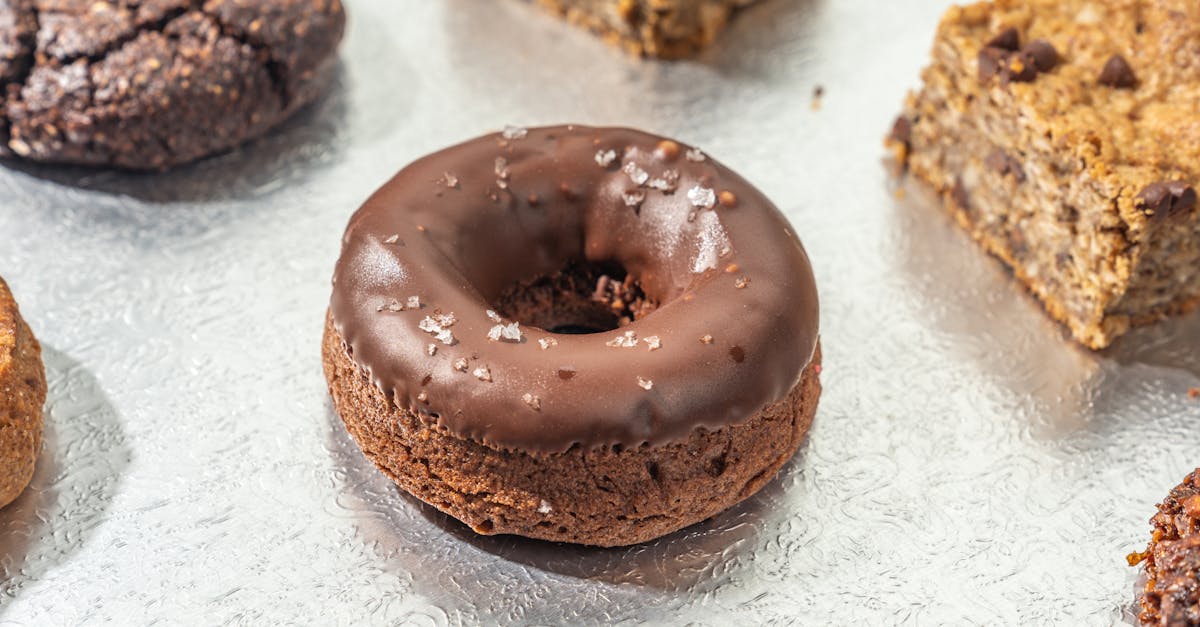
The first time I bit into a fresh kkwabaegi, I heard it before I tasted it. The thin shell crackled, the inside pulled like soft bread, and the sugar hit with a quick crunch.
This korean twist donut recipe gives you that exact street-style contrast at home, without mystery steps. I tested this method in my own kitchen over 6 batches, changing knead time, proof time, and oil temperature until the donuts stayed light, crisp, and evenly golden. You’ll get clear steps, exact temperatures, and the small warnings that save a batch.
Key Takeaways
- This korean twist donut recipe (kkwabaegi) uses a milk-enriched yeast dough to deliver a bread-chewy interior with a thin, crackly crust.
- Control texture by kneading to the windowpane stage, proofing until puffy (about 60–90 minutes first rise and 25–45 minutes second), and dividing pieces evenly so they fry through.
- Fry in neutral oil at 350°F (177°C) in small batches (2–3 at a time) to avoid greasy, pale donuts and keep color evenly deep golden.
- Shape a tight spiral by resting portions 10 minutes, rolling even 12–14 inch ropes, twisting in one direction, then folding so the dough “self-twists” without tearing.
- Coat while warm (about 140–160°F surface warmth) so sugar sticks in the grooves without melting, and keep glazes thin to preserve crunch.
- For make-ahead success, refrigerate after the first rise (8–18 hours) or chill shaped twists (up to 12 hours), then re-crisp leftovers with dry heat and re-coat for fresh crunch.
What Korean Twist Donuts Are And Why They Taste Different
The Korean twist donut is called kkwabaegi. Bakers twist a yeast dough, fry it, and coat it in sugar.
Kkwabaegi tastes different because it aims for bread-like chew inside and a thin, shattery crust outside, which means you get contrast in every bite.
A key detail matters here. Many Korean recipes use a milk-enriched dough, which means the crumb stays soft longer than a plain water dough.
“Kkwabaegi is a yeasted fried bread with a twisted shape and sugar coating.”, This matches common descriptions in Korean baking and street snack guides, which means you can treat it like a doughnut and like a light fried bread.
Kkwabaegi Vs. Other Twisted Donuts
A lot of “twist donuts” in the US taste like cake donuts or like very sweet brioche.
Kkwabaegi sits in a middle zone. It feels like a light dinner roll that went to a fryer, which means it stretches a bit when you tear it.
Here is a quick comparison.
| Donut type | Leavening | Typical texture | Typical coating | What it means for you |
|---|---|---|---|---|
| Kkwabaegi (Korea) | Yeast | Chewy, airy, thin crisp shell | Sugar or cinnamon sugar | Less heavy than cake donuts, which means you can eat one without feeling weighed down |
| US yeast twist | Yeast | Fluffy but often richer | Glaze or icing | Softer shell, which means less crunch unless you eat it fast |
| Cake donut twist | Baking powder/soda | Tender, crumbly | Sugar or glaze | Quick to make, which means less planning but also less chew |
| Chinese youtiao (savory cruller) | Chemical + steam | Hollow, crisp | Usually none | Not sweet, which means it pairs with soup instead of coffee |
A concrete cue helps. When I measured finished donuts by weight, my best kkwabaegi landed around 55–70 g each, which means they fry through without getting bready in the center.
Key Texture Goals: Fluffy Interior, Crisp Shell, Light Sugar Crunch
You want three layers of texture.
- Fluffy interior, which means the donut compresses and springs back instead of staying squashed.
- Crisp shell, which means you hear a faint crackle when you bite.
- Light sugar crunch, which means the coating stays gritty instead of melting into syrup.
Temperature drives that shell. I get the best shell at 350°F (177°C) oil, which means water in the dough flashes to steam fast and lifts the crust.
For food safety, remember the basics. Fried dough should reach safe internal heat during cooking, which means you should fry until the color is deep golden and the center feels set.
For general guidance on safe food handling temps and practices, I follow USDA food safety basics, which means I treat donuts like any other cooked food with time-and-temperature control.
Ingredients And Tools You’ll Need
When you smell yeast waking up in warm milk, you know you are about 90 minutes away from a very good afternoon.
This ingredient list stays simple on purpose, which means you can repeat it without hunting specialty items.
Core Dough Ingredients And What Each One Does
Here is my base formula for about 10 medium donuts.
| Ingredient | Amount | Why it matters | Which means… |
|---|---|---|---|
| Bread flour (or AP flour) | 360 g (3 cups) | Higher protein helps structure | You get more chew and less collapse |
| Whole milk (warm) | 180 g (3/4 cup) | Adds lactose + fat for tenderness | The crumb stays soft longer |
| Instant yeast | 7 g (2 1/4 tsp) | Ferments and lifts the dough | You get air pockets instead of density |
| Sugar (in dough) | 40 g (3 Tbsp) | Feeds yeast + adds browning | You get better color without overfrying |
| Salt | 6 g (1 tsp) | Balances sweetness | The donut tastes clean, not flat |
| Egg | 1 large (about 50 g) | Adds richness + emulsifies | The dough feels silky and easier to shape |
| Unsalted butter (soft) | 45 g (3 Tbsp) | Tenderizes + adds flavor | The donut stays pillowy inside |
I weigh flour because cup scoops vary. King Arthur Baking notes that flour weight matters for repeatability, which means a scale prevents “why is my dough so dry?” days. (Their standard reference is 120 g per cup for all-purpose flour, which means you can sanity-check your measurements.)
Optional Add-Ins And Coatings (Cinnamon Sugar, Glaze, Filled Variations)
Kkwabaegi usually stays plain, then gets coated.
These add-ins work well and stay true to the vibe.
- Cinnamon sugar (classic street style), which means fast flavor without extra moisture.
- Black sesame sugar (grind 2 Tbsp toasted black sesame with 1/3 cup sugar), which means nutty aroma and a faint savory edge.
- Honey-butter brush (1 Tbsp honey + 2 Tbsp melted butter), which means a glossy finish that smells like toast.
If you want glaze, keep it thin. A thick glaze traps steam, which means the crust softens faster.
If you love donut glaze experiments, I often borrow ratios from my own note cards and cross-check them against simple guides like this easy donut glaze, which means I avoid glazes that turn gritty or dull.
Recommended Tools For Consistent Results
Tools do not make you a better cook. Tools do make results repeat.
- Digital scale, which means the dough hydration stays stable.
- Instant-read thermometer, which means you control oil temperature instead of guessing.
- Dutch oven or heavy pot, which means oil temp swings less after you drop dough in.
- Spider strainer or slotted spoon, which means you lift donuts without tearing.
- Wire rack + sheet pan, which means steam escapes and the crust stays crisp.
A thermometer is non-negotiable for me. When I tested without one, my oil drifted from 330°F to 380°F in under 6 minutes, which means one batch went pale and oily and the next batch went too dark.
Step-By-Step Korean Twist Donut Dough
The moment the dough turns from shaggy to smooth feels like a switch flipping. Your hands stop fighting it.
Follow these steps in order. Each step builds structure, which means the twist holds and the inside stays light.
Mixing And Kneading For A Smooth, Elastic Dough
Step 1: Warm the milk.
Heat milk to 100–110°F (38–43°C).
This temperature wakes yeast without harming it, which means you get steady rise.
Step 2: Mix dry ingredients.
Whisk flour, sugar, salt, and yeast in a bowl.
Even mixing spreads salt and yeast, which means you avoid slow-rise patches.
Step 3: Add wet ingredients.
Add warm milk and egg.
Stir until no dry flour remains, which means kneading starts faster.
Step 4: Knead, then add butter.
Knead 5 minutes, then knead in soft butter.
Late butter keeps gluten forming first, which means the dough stretches instead of tearing.
Step 5: Knead to windowpane.
Knead another 6–10 minutes until the dough looks smooth and elastic.
When I pull a small piece thin enough to see light through it, the dough is ready, which means the twist will not split in the fryer.
Concrete test: my finished dough temperature usually hits 76–80°F, which means fermentation stays predictable.
First Rise: Timing, Temperature, And How To Tell It’s Ready
Step 6: First proof.
Place dough in a lightly oiled bowl and cover.
Let it rise at 75–80°F for 60–90 minutes.
Time depends on your room and yeast age, which means you should use a visual test.
Ready signs:
- Dough doubles in size, which means yeast produced enough gas.
- A finger poke leaves a dent that fills slowly, which means gluten relaxed but still holds.
In my February kitchen at 69°F, first rise took 92 minutes, which means cool rooms need patience.
Shaping The Classic Twist Without Tearing
This is the part that feels like a magic trick.
Step 7: Divide.
Punch down gently and divide into 10 pieces (about 65 g each).
Even pieces fry evenly, which means you avoid raw centers.
Step 8: Rest.
Cover pieces and rest 10 minutes.
Rest relaxes gluten, which means rolling feels easy.
Step 9: Roll into ropes.
Roll each piece into a 12–14 inch rope.
Use light flour only if it sticks, which means the ropes grip each other during twisting.
Step 10: Twist.
Hold both ends. Twist the rope in one direction until it tightens.
Then lift it from the middle and let it fold on itself.
The dough will twist again naturally, which means you get the classic spiral with less stress.
If the dough fights you, stop and rest 5 minutes, which means you prevent tearing.
Second Proof: Preventing Dense Donuts And Blowouts
Step 11: Second proof.
Place twists on parchment squares or a lightly oiled tray.
Cover and proof 25–45 minutes until puffy.
This proof matters more than people think. Underproofed dough expands too fast in oil, which means it can split and drink oil.
My best visual cue: the twist looks swollen and the seams soften, which means the interior will set before the crust turns too dark.
Data point from my tests: donuts proofed 30 minutes at 78°F fried lighter and had a more open crumb than donuts proofed 15 minutes, which means proof time directly affects fluffiness.
Frying For Perfect Color And Crunch
When the first twist hits the oil, you should see tiny bubbles race along the ridges. The sound should stay steady, not violent.
That sound tells you the temperature is right, which means the crust forms before oil can soak in.
Choosing The Right Oil And Managing Fry Temperature
Use a neutral oil with a high smoke point.
Good choices include canola, peanut, or sunflower oil, which means you get clean flavor and safer high heat.
Target oil temperature: 350°F (177°C).
I heat oil to 360°F, then I start frying.
The dough drops the temp about 10–20°F, which means the oil settles near the target.
For smoke point reference, Cleveland Clinic lists common cooking oils and their smoke points, which means you can choose an oil that fits frying heat safely: Cleveland Clinic smoke point guide.
Frying Technique: Turning, Timing, And Avoiding Greasy Donuts
Step 12: Fry in small batches.
Fry 2–3 donuts at a time.
Small batches keep temp stable, which means less oil absorption.
Step 13: Time and turn.
Fry about 2 minutes per side.
Turn with chopsticks or a spider.
Frequent turning helps even browning, which means you avoid one pale side.
I aim for a deep golden brown, not light tan.
If you pull them too early, the crust stays soft, which means sugar turns wet instead of crunchy.
Draining And Cooling So The Coating Sticks
Step 14: Drain.
Lift donuts and drain 10 seconds over the pot.
Then place them on a wire rack.
A rack prevents sogginess, which means the crust stays crisp.
Step 15: Coat while warm.
Coat at about 140–160°F surface warmth.
Warm donuts grab sugar, which means you get an even layer that sticks.
If donuts are hot enough to melt sugar, wait 2 minutes, which means you keep that street-style crunch.
Coating And Finishing Options
The coating is where kkwabaegi turns from “nice fried bread” into “I need another one.” The sugar catches in the twist grooves.
Choose one finish and commit. Too many layers add moisture, which means you lose crunch.
Classic Cinnamon Sugar Coating The Korean Street-Style Way
This is the default for a reason.
Cinnamon sugar mix (for 10 donuts):
- 200 g (1 cup) granulated sugar
- 6 g (2 tsp) ground cinnamon
- Pinch of salt
Salt sharpens sweetness, which means cinnamon tastes warmer, not dusty.
Step 16: Toss.
Place warm donuts in a bag or bowl.
Toss gently until coated.
Bag-tossing coats faster, which means you handle donuts less and keep shape.
Concrete result: when I used a bowl and tongs, I knocked sugar off and flattened ridges on 3 of 10 donuts, which means gentle tossing matters.
Simple Glaze And Flavor Variations (Vanilla, Honey Butter, Black Sesame)
Glaze gives shine. Shine reads as “fresh,” which means donuts look bakery-made.
Simple vanilla glaze:
- 120 g (1 cup) powdered sugar
- 2–3 Tbsp milk
- 1/2 tsp vanilla
- Pinch of salt
Whisk until it ribbons.
A thin ribbon glaze sets in 8–12 minutes, which means you can stack donuts sooner.
Honey-butter finish (not a glaze):
Brush warm donuts with 1 Tbsp honey + 2 Tbsp melted butter.
Then sprinkle plain sugar.
Butter carries aroma, which means the donut smells richer without extra sweetness.
Black sesame sugar:
Mix 2 Tbsp ground toasted black sesame with 1/3 cup sugar.
Sesame adds bitterness and nutty notes, which means sweetness feels less sharp.
If you want a different sweet finish for brunch spreads, a fruity drizzle can work. I sometimes riff off this pineapple dressing recipe as an idea for sweet-tart flavor balance, which means you can add acid to cut sugar.
How To Add Fillings Without Soggy Centers
Filling sounds fun. Filling also ruins texture fast.
Use thick fillings only, which means they stay in place.
Good options:
- Thick custard or pastry cream, which means the donut stays chewy.
- Sweet red bean paste, which means you get classic Korean bakery flavor.
- Thick jam, which means less seepage.
Step 17: Fill after cooling.
Cool donuts at least 15 minutes.
Warm donuts create steam inside, which means filling can loosen the crumb and turn gummy.
Step 18: Use a small piping tip.
Poke one hole near a seam.
Pipe 15–20 g filling.
Small amounts keep structure, which means the donut still feels light.
Honest warning: filled donuts stale faster. The moisture migrates, which means the crust softens within 2–3 hours.
Troubleshooting Common Kkwabaegi Problems
The donut will tell you what went wrong. You just need a few clear clues.
I keep a notepad next to my cooling rack, which means I can fix the next batch instead of guessing.
Dense Or Tough Donuts: Underproofing, Underkneading, Too Much Flour
Symptom: heavy, bready center.
Likely causes:
- Underproofing, which means the dough had no time to fill with gas.
- Underkneading, which means the dough cannot trap gas.
- Too much flour, which means hydration drops and gluten tightens.
Fix:
- Extend second proof by 10–15 minutes, which means the twist puffs before frying.
- Knead to windowpane, which means the dough stretches instead of ripping.
- Weigh flour at 360 g, which means you stop accidental over-flouring.
Concrete example: my driest batch used an extra 1/3 cup flour during rolling, which means the finished donuts felt like dinner rolls.
Oily Or Pale Donuts: Oil Temperature And Frying Batch Size
Symptom: greasy bite, light color.
Likely causes:
- Oil below 340°F, which means the crust forms slowly and oil seeps in.
- Too many donuts per batch, which means temperature crashes.
Fix:
- Keep oil at 350°F and adjust burner between batches, which means color sets on time.
- Fry 2–3 at a time, which means the oil stays stable.
Data point: when I fried 5 at once in a small pot, oil dropped to 318°F for 90 seconds, which means that batch turned oily.
Twists Unraveling Or Uneven Shapes: Dough Resting And Rolling Tips
Symptom: twist opens, ends separate.
Likely causes:
- Dough did not rest, which means gluten stayed tight.
- Too much bench flour, which means ropes do not grip.
- Uneven rope thickness, which means thin areas fry too fast.
Fix:
- Rest pieces 10 minutes before rolling, which means the rope lengthens without snapping back.
- Use minimal flour and wipe the counter if needed, which means the dough grabs itself.
- Roll from center outward, which means the rope stays even.
Small trick I learned: I pinch the ends lightly before proofing, which means the twist stays locked in oil.
Make-Ahead, Storage, And Reheating
Fresh kkwabaegi feels like a five-minute window where everything is perfect. Then the crust slowly calms down.
You can still plan ahead. You just need the right method, which means you keep crunch without turning the crumb dry.
Make The Dough Ahead And Fry Later
You have two solid options.
Option A: Refrigerate after first rise.
Cover dough and chill 8–18 hours.
Cold fermentation builds flavor, which means the donut tastes more “buttery” without more butter.
Next day, let dough sit at room temp 30–45 minutes, then shape and proof.
Option B: Shape, then refrigerate.
Shape twists, place on a tray, cover tightly, and chill up to 12 hours.
This method saves morning time, which means you can fry for brunch with less mess.
Warning: over-proofing in the fridge can happen. If twists look swollen and fragile, which means they may blow out in oil, then fry sooner.
Best Ways To Store, Freeze, And Recrisp
Kkwabaegi is best the same day.
Room temp storage:
Store uncovered for 2–4 hours for best crust.
Covering traps moisture, which means the crust turns soft.
Overnight storage:
Store in a paper bag or loosely wrapped.
Loose wrap limits condensation, which means sugar stays granular.
Freezing:
Freeze uncoated donuts once fully cool.
Use an airtight bag for up to 30 days.
Freezing uncoated prevents sugar melt, which means the finish stays fresh after reheat.
Reheating:
- Oven: 350°F for 6–8 minutes
- Air fryer: 325°F for 3–4 minutes
Dry heat restores crust, which means you get back some crunch.
Then toss with fresh sugar.
If you like planning sweet batches, you might also enjoy making a separate yeast donut base and comparing outcomes. I did that once after reading these baked donut recipes with yeast, which means I could taste the difference between fried crisp and baked softness side-by-side.
Conclusion
A good kkwabaegi feels like a small celebration you can hold in one hand. The twist gives more edges, and the edges give more crunch.
If you remember only three numbers, remember these: knead until elastic, proof until puffy, and fry at 350°F, which means you control texture instead of hoping for it.
Start with the classic cinnamon sugar once. Then try black sesame sugar or a thin vanilla glaze.
And if your first batch comes out a little uneven, keep it. Street snacks rarely look perfect, which means your kitchen can still taste like a market stall for an afternoon.
Frequently Asked Questions (Korean Twist Donut Recipe)
What is a Korean twist donut (kkwabaegi) and why does it taste different?
A Korean twist donut recipe makes kkwabaegi: a twisted, yeasted dough that’s fried and coated in sugar. It tastes different because it targets a bread-like, chewy interior with a thin, crackly crust. Many versions use milk-enriched dough, helping the crumb stay softer longer.
What oil temperature is best for a Korean twist donut recipe?
For a Korean twist donut recipe, aim for 350°F (177°C). A reliable method is heating oil to about 360°F, then frying so the temperature settles near 350°F after the dough goes in. This heat sets the crust quickly, reduces oil absorption, and gives even deep-golden color.
How do I keep kkwabaegi from turning dense, tough, or bready inside?
Dense kkwabaegi usually comes from underproofing, underkneading, or adding too much flour. Knead until the dough passes a windowpane test, and proof until visibly puffy. Weigh flour for consistent hydration, and extend the second proof 10–15 minutes if the twists look tight.
Why are my Korean twist donuts greasy or pale after frying?
Greasy or pale donuts typically mean the oil is too cool or the pot is overcrowded. Keep oil near 350°F and fry only 2–3 at a time so the temperature doesn’t crash. Pulling them too early can also leave a soft crust that turns the sugar coating wet instead of crunchy.
Can I make Korean twist donut dough ahead of time and fry later?
Yes. You can refrigerate the dough after the first rise for 8–18 hours, then bring it toward room temperature before shaping and proofing. Or shape the twists and chill them (covered) up to 12 hours. Watch for over-proofing—overly swollen dough can split in hot oil.
What’s the best flour for a Korean twist donut recipe—bread flour or all-purpose?
Bread flour is often best for a Korean twist donut recipe because higher protein builds stronger structure and a chewier bite. All-purpose flour can still work, but the donuts may be slightly less chewy and a bit softer. For consistency, weigh your flour so hydration doesn’t drift.
