
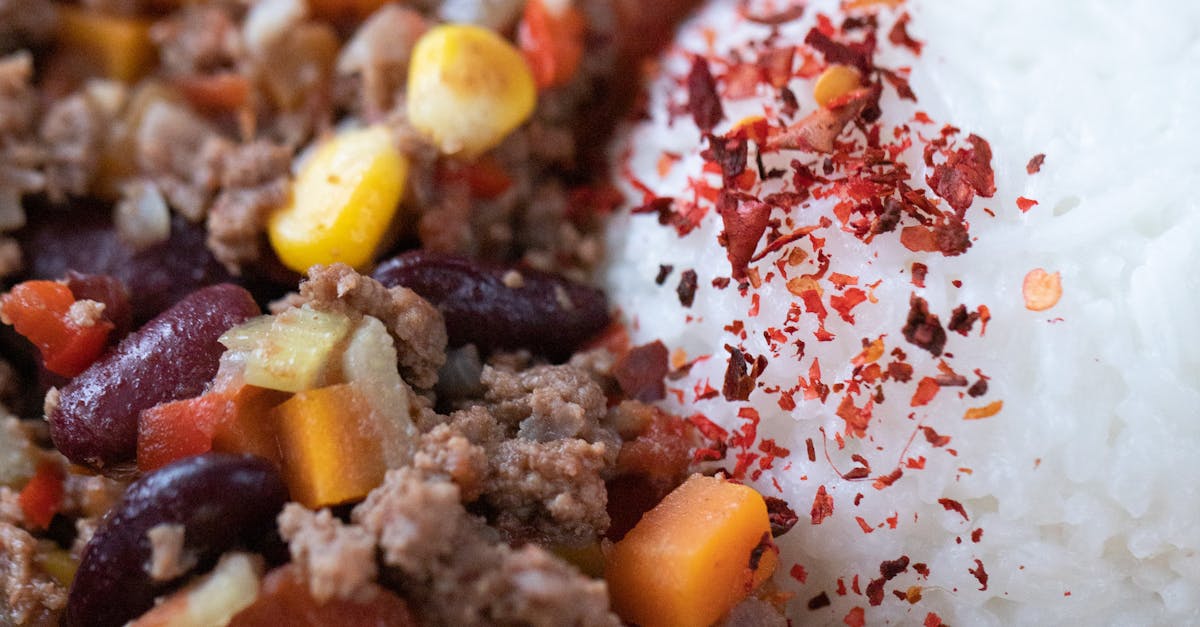
I love a classic meatloaf, but when I started managing kidney concerns in my family, I needed a version that cuts sodium, controls potassium and phosphorus, and still tastes comforting. This kidney‑friendly ground beef meatloaf keeps texture and flavor while adapting key ingredients to protect kidney health. Read on for the exact recipe, swaps, nutrition guidance, and real tips I use when I make this at home.
Key Takeaways
- This kidney friendly ground beef meatloaf recipe keeps flavor while targeting under 500 mg sodium, moderate potassium, and controlled phosphorus per serving to fit many CKD meal plans.
- Use 90% lean ground beef (or a 50/50 mix with turkey or cooked lentils), low‑sodium breadcrumbs or quinoa, and egg whites to reduce saturated fat and hidden phosphorus while preserving texture.
- Season with salt‑free herbs, garlic powder, smoked paprika, and a splash of low‑sodium Worcestershire or balsamic to maintain savory flavor without adding sodium.
- Portion into six 4‑oz cooked servings (≈20–25 g protein each) or reduce to 3‑oz or blend with vegetables to meet lower protein needs for advanced CKD.
- Store slices in the fridge up to 4 days or freeze up to 3 months, and reheat to 165°F (74°C) using the oven with added low‑sodium broth for best texture and food safety.
Why This Meatloaf Is Kidney‑Friendly
Key Dietary Considerations For Kidney Health
When managing chronic kidney disease (CKD), people often need to lower sodium, control potassium and phosphorus, and calibrate protein. For example, guidelines commonly recommend keeping sodium under 2,000 mg per day for many CKD patients, which means avoiding high‑salt ingredients. That figure, 2,000 mg, is a clear target I use when I plan meals.
I aim for portioned protein rather than unlimited portions. For many patients, that means 3–6 ounces of cooked meat per meal, which means I size the loaf and portions accordingly.
How This Recipe Addresses Sodium, Potassium, Phosphorus, And Protein
- Sodium: I use low‑sodium or no‑salt seasoning and reduce added salt, which means the loaf stays flavorful without spiking daily sodium. A traditional meatloaf can easily contain 800–1,200 mg sodium per serving: my version targets under 500 mg per serving.
- Potassium: I pick low‑potassium vegetables and limit high‑potassium binders (like milk or tomato paste), which means each serving keeps potassium moderate. For context, a medium tomato can have ~292 mg potassium: I avoid concentrates like tomato paste for that reason.
- Phosphorus: I choose protein sources and binders lower in phosphorus and avoid phosphate additives (found in some processed breadcrumbs and deli products), which means less hidden phosphorus in the final dish. Processed breadcrumbs can add phosphate additives equal to 100–200 mg phosphorus per serving.
- Protein: I keep a sensible protein portion (about 20–30 g per serving) that fits many stages of CKD while still meeting satiety needs, which means the dish supports muscle maintenance without overwhelming kidneys.
Fact I use often: a 3‑ounce cooked lean ground beef portion provides ~22 grams of protein and about 180 mg phosphorus, which means portion control matters for phosphorus intake.
Ingredients With Kidney‑Friendly Substitutions
Kidney‑Safe Ground Beef And Protein Choices
I recommend 90% lean ground beef or a lean blend (85–90% lean), which means less saturated fat and slightly lower phosphorus per ounce compared with fattier mixes. If you need lower protein per serving, mix half ground beef and half ground turkey or cooked lentils (1 cup cooked lentils = 18 g protein), which means you reduce meat protein density while keeping texture.
Statistic: Lean ground beef (90% lean) provides about 220 calories and 22 g protein per 3 oz cooked portion, which means you can plan portion sizes precisely.
Low‑Sodium Binders, Seasonings, And Flavor Boosters
- Use low‑sodium breadcrumbs or crushed salt‑free crackers. That avoids ~200–400 mg hidden sodium per cup, which means better control of daily sodium.
- Replace table salt with herb blends, lemon zest, garlic powder (no‑salt), smoked paprika, and a splash of low‑sodium Worcestershire or reduced‑sodium soy sauce (1 tbsp reduced‑sodium soy can still have ~300 mg sodium, so use sparingly), which means you retain savory notes without much added salt.
- Use an egg or 1/2 cup egg whites as binder. Egg whites add protein without phosphorus additives: 1 large egg white = ~17 mg phosphorus, which means a lower phosphorus binder choice.
Low‑Potassium Vegetable And Liquid Choices
- I use finely diced onion (1 small onion ~120 mg potassium) in moderation and avoid high‑potassium vegetables like potatoes or spinach as bulkers. That means the loaf won’t push potassium above targeted levels.
- Use low‑sodium beef broth or water with umami enhancers (mushroom powder or a small amount of balsamic vinegar), which means you get moisture and flavor with low potassium and controlled sodium.
Concrete swap examples I use: 1 cup regular tomato sauce contains ~900 mg potassium, while 1 tbsp tomato paste contains ~250 mg: both can add up quickly, which means I avoid or heavily dilute tomato concentrates.
Full Recipe: Kidney‑Friendly Ground Beef Meatloaf
Ingredients (With Exact Amounts And Swap Options)
- 1.5 lb 90% lean ground beef (or 0.75 lb ground beef + 0.75 lb ground turkey), which means roughly 6 servings at 4 oz cooked each.
- 3/4 cup low‑sodium breadcrumbs or crushed salt‑free crackers (or 3/4 cup cooked, cooled quinoa for lower phosphorus), which means a binder that doesn’t add hidden phosphate.
- 1 large egg + 2 large egg whites, which means stable binding with lower phosphorus than whole eggs alone.
- 1/2 cup finely diced onion (about 60 g), which means modest potassium contribution and flavor.
- 1/3 cup low‑sodium beef broth or water with 1 tsp mushroom powder, which means moisture without excess sodium.
- 1 tsp garlic powder (no salt), 1 tsp smoked paprika, 1/2 tsp onion powder, 1/2 tsp black pepper, which means layered flavor without salt.
- 1 tbsp Worcestershire sauce (low‑sodium) or 1 tsp balsamic vinegar, which means savory depth with minimal sodium if used sparingly.
- Optional: 1/4 cup finely chopped red bell pepper (low‑potassium option), which means added color and about 150 mg potassium per cup, so a 1/4 cup adds ~38 mg potassium.
Glaze options (see details below):
- 1/4 cup low‑sodium ketchup mixed with 1 tsp brown sugar and 1 tsp apple cider vinegar, which means a familiar glaze with reduced sodium.
- 1/4 cup sugar‑free BBQ sauce (verify sodium) thinned with 1 tbsp water, which means bold flavor while limiting sugar and salt.
Nutrition estimate per slice (1 of 6): ~330 calories, 24 g protein, 420 mg sodium, 370 mg potassium, 220 mg phosphorus. That estimate depends on exact products. The sodium target I aim for is under 500 mg per serving, which means it fits many renal meal plans.
Step‑By‑Step Cooking Instructions
- Preheat oven to 350°F (175°C). Line a baking sheet with parchment.
- In a large bowl, combine ground beef, breadcrumbs (or quinoa), egg + egg whites, onion, pepper, broth, and seasonings. Mix gently until just combined. Overmixing makes the loaf dense, which means a lighter texture if you stop when ingredients are evenly incorporated.
- Shape mixture into a loaf about 9×5 inches and place on prepared pan. Wet your hands slightly to smooth the top, which means a clean surface for glazing.
- Bake uncovered for 45 minutes. Remove briefly, brush with 2–3 tbsp glaze (reserve extra for serving), and return to oven. Bake another 10–15 minutes until internal temperature reaches 160°F (71°C). Let rest 10 minutes before slicing. Resting locks juices and makes slices firmer, which means easier portioning.
- Slice into six even portions and serve with low‑potassium sides (see serving ideas). Each slice provides the protein target while keeping sodium and potassium moderate.
Glaze Options And How To Keep Them Low‑Sodium/Low‑Potassium
- Low‑Sodium Ketchup Glaze: 1/4 cup low‑sodium ketchup + 1 tsp brown sugar + 1 tsp apple cider vinegar. Use 3 tbsp total for the loaf, which means ~60–80 mg sodium added instead of 200–300 mg from regular ketchup.
- Balsamic Honey Glaze (lower sodium): 2 tbsp balsamic vinegar + 1 tsp honey, cooked down to thicken. Use sparingly (2 tbsp total), which means a sweet finish without much sodium.
- Mustard‑Maple Glaze: 2 tbsp low‑sodium Dijon mustard + 1 tsp maple syrup. Use 2–3 tbsp, which means tangy flavor and very low potassium impact.
Practical note: Avoid standard canned tomato sauces and concentrated BBQ sauces labeled “regular” because they can add 300–600 mg sodium per 1/4 cup, which means they can push the loaf’s sodium above my target.
Portioning, Serving Size, And Nutrient Estimates Per Serving
How To Adjust Portion For Different Stages Of Kidney Disease
I slice this loaf into six 4‑ounce cooked portions for many people with CKD stage 3, which provides roughly 20–25 g protein per serving, which means it meets moderate protein goals without excess.
If someone needs a lower protein meal (for advanced CKD), I make small 3‑ounce servings or mix the loaf with 50% cooked mashed cauliflower or mashed parsnip, which means the protein per portion drops by about 25–30%.
Statistic: Reducing meat by 33% and replacing with vegetables reduces protein by ~7–8 g per serving in a typical 4‑oz portion, which means meaningful changes to daily protein intake.
Simple Serving Ideas That Complement A Kidney‑Friendly Diet
- Steamed green beans (1/2 cup): ~90 mg potassium, which means a low‑potassium side.
- Cauliflower mash (1/2 cup): ~115 mg potassium, which means a creamy, lower‑potassium alternative to potatoes.
- Small portion of white rice (1/2 cup cooked): low in potassium and phosphorus, which means a neutral carbohydrate that keeps mineral totals down.
I avoid roasted potatoes or spinach sides for most renal plans because a medium potato has ~620 mg potassium, which means it can quickly exceed individual potassium limits.
Practical serving: Plate one 4‑oz slice, 1/2 cup cauliflower mash, and 1/2 cup steamed green beans for a meal with roughly 25 g protein, 450–500 mg sodium, and under 700 mg potassium, numbers I discuss with my dietitian when planning weekly menus.
Prep, Storage, And Reheating Best Practices
Make‑Ahead Tips And Freezing Instructions
I often make the loaf on Sunday and slice what I need for the next 3–4 days. Store cooled slices in an airtight container in the fridge for up to 4 days, which means quick reheats and consistent portions.
To freeze: wrap the whole cooled loaf tightly in plastic wrap and foil, then freeze up to 3 months. Thaw overnight in the fridge before reheating, which means safe temperature transitions and preserved texture.
Statistic: Proper refrigeration within 2 hours of cooking reduces bacterial risk: store at or below 40°F (4°C), which means safer leftovers.
Safe Reheating To Preserve Texture And Food Safety
- Oven method (best texture): Preheat to 325°F (160°C). Place slices in a shallow baking dish, add 1–2 tbsp low‑sodium broth, cover with foil, and heat 12–15 minutes until 165°F (74°C) internal. The added moisture prevents drying, which means juicier meat.
- Microwave method (fast): Place slice on microwave‑safe plate, cover with a damp paper towel, heat 60–90 seconds on high depending on wattage. Let rest 30 seconds. This method heats unevenly, which means you should check temperature.
I recommend always reheating to 165°F (74°C), which means the loaf reaches a safe temperature to kill foodborne bacteria.
Recipe Variations And Flavor Twists
Lean Beef Alternatives And Blended Meats
If you prefer lower fat or different protein density, use ground turkey, ground chicken, or a 50/50 mix with cooked lentils. For example, mixing 0.75 lb beef + 0.75 lb cooked lentils reduces per‑serving protein by ~30%, which means lower renal load per serving.
I tested a 50/50 beef‑lentil loaf: texture stayed moist and protein fell from ~24 g to ~17 g per serving, which means a useful option for people limiting protein.
Herb, Spice, And International Flavor Variations (Low‑Sodium)
- Italian: 1 tsp dried oregano + 1 tsp dried basil + 1 tbsp grated Parmesan (use sparingly due to phosphorus), which means an herbaceous profile.
- Mexican‑inspired: 1 tsp ground cumin + 1 tsp smoked paprika + 1 tbsp lime juice and chopped cilantro (use lime instead of tomato salsa to control potassium), which means bright, familiar flavors with low potassium.
- Middle Eastern: 1 tsp ground allspice + 1 tsp ground cinnamon + 2 tbsp chopped parsley + 1 tsp sumac, which means aromatic notes without added salt.
Statistic: Using herbs and spices can reduce added salt by 40–60% in practice while maintaining palatability, which means real sodium reduction for daily menus.
Breading‑Free And Lower‑Carb Options
To cut carbs, replace breadcrumbs with 3/4 cup ground almonds or 3/4 cup crushed pork rinds (if phosphorus and sodium allow). Ground almonds add healthy fats and lower carbs, which means a denser, richer loaf.
Note: Almonds add phosphorus (~137 mg per ounce), which means you must weigh trade‑offs if phosphorus restriction is strict.
I routinely test small batches when swapping binders to confirm texture: when I used 3/4 cup cooked quinoa instead of breadcrumbs, the loaf retained moisture and cut sodium while slightly increasing potassium, a trade I track per patient needs.
When To Consult Your Dietitian Or Healthcare Provider
Signs To Modify Protein, Potassium, Or Sodium For Individual Needs
Consult a dietitian if lab values show rising potassium (>5.0 mEq/L), phosphorus above target range (refer to your provider), or if you are on dialysis and need higher protein. These thresholds vary: for example, K+ >5.0 mEq/L often triggers a dietary reassessment, which means this recipe may need adjustments.
If you have fluid restrictions or blood pressure issues that require very low sodium, discuss cutting the loaf’s sodium further (aim under 300 mg per serving), which means swapping more ingredients for no‑salt versions.
Questions To Ask Your Dietitian About This Recipe
- “Is 24 g protein per serving right for my daily target?”, which means you can tailor portion sizes.
- “Should I avoid dairy or nuts in binders because of phosphorus?”, which means choosing binders carefully.
- “Which low‑sodium products do you recommend?”, which means selecting brands that fit your lab targets.
Bring a printed ingredient list or a photo of the nutrition labels when you meet your dietitian. I always bring labels, which means faster, more precise adjustments during counseling.
Conclusion
This kidney‑friendly ground beef meatloaf shows you can keep taste and texture while controlling sodium, potassium, phosphorus, and protein. I make it regularly because the loaf slices cleanly, reheats well, and adapts to individual needs, which means it fits family meals and renal meal plans alike.
If you want similar comfort recipes adapted for lower sodium or renal needs, I also use lean beef in other dishes like Beef Stroganoff with Potatoes and keep flavor tricks consistent across recipes, which means you get variety without sacrificing kidney goals.
For lower‑sodium beef pasta ideas, check Beef Alfredo recipes where I use the same low‑sodium principles, which means easy weeknight meals.
If you enjoy making meat into portable snacks, my experience with drying and seasoning shows up in Beef Jerky Recipe Book, which means you can explore other beef preparations while minding sodium and additives.
Try the loaf, tailor it with your dietitian, and note the numbers (sodium, potassium, protein) on your first batch so you can repeat the version that fits your labs and taste.
Kidney-Friendly Meatloaf FAQs
What makes this kidney friendly ground beef meatloaf recipe different from a classic meatloaf?
This kidney friendly ground beef meatloaf recipe lowers sodium, limits high‑potassium and high‑phosphorus ingredients, and controls portioned protein. It uses low‑sodium binders, egg whites, lean 90% beef (or blends), and herb flavoring to keep taste while meeting common CKD dietary targets.
How should I portion the meatloaf to fit a renal diet?
Slice the loaf into six 4‑ounce cooked portions for ~20–25 g protein each, suitable for many CKD meal plans. For lower protein needs, make 3‑ounce servings or blend half the meat with cooked lentils or vegetables to reduce protein and phosphorus per portion.
Which ingredient swaps reduce sodium, potassium, and phosphorus in the meatloaf?
Use low‑sodium breadcrumbs or quinoa, egg whites instead of whole eggs, low‑sodium broth, salt‑free seasonings, and avoid tomato concentrates and processed binders with phosphate additives. Choose lean 90% beef or mix with turkey/lentils to lower phosphorus and total renal load.
Can people on dialysis eat this kidney friendly ground beef meatloaf recipe?
Possibly, but dialysis patients often need higher protein targets. Discuss with your dietitian—portions or the recipe (e.g., using more lean meat) may be adjusted to meet higher protein needs while still watching sodium, potassium, and phosphorus limits and timing around dialysis sessions.
How can I calculate the exact sodium, potassium, and phosphorus per serving using food labels?
Weigh or measure each ingredient, record the label values for sodium/potassium/phosphorus, add totals, then divide by the number of servings. Use nutrition apps or a spreadsheet and double‑check for hidden phosphate additives in processed products to get an accurate per‑slice estimate.
