
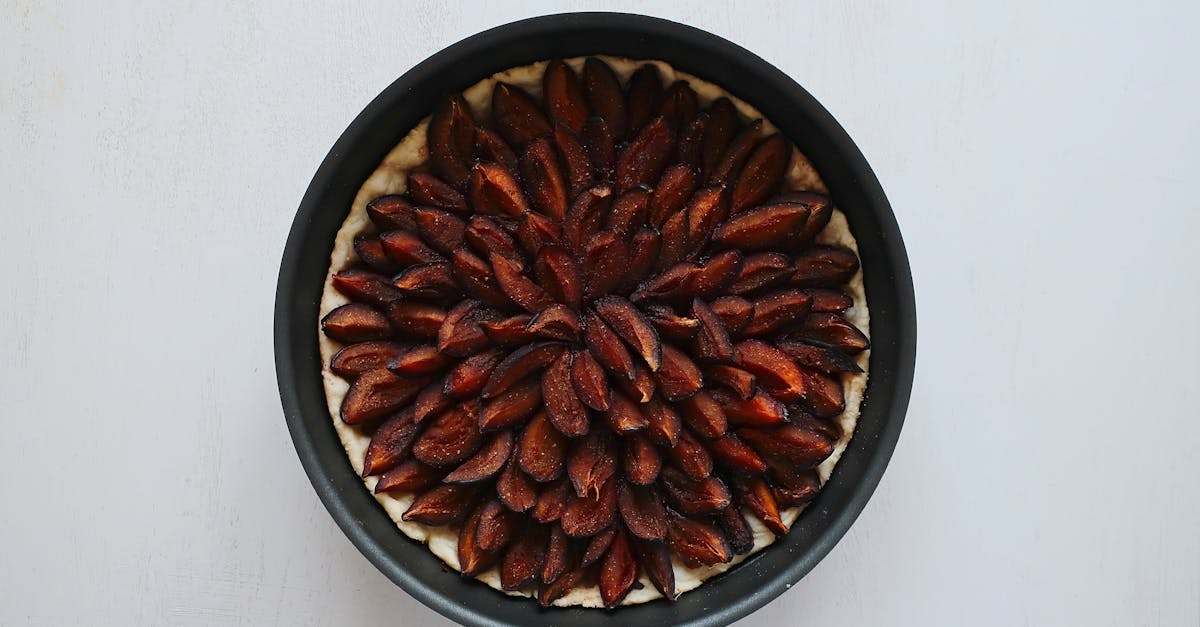
The first time I baked with Italian plums, I expected “just another plum.” Then the heat hit the fruit. The skins turned inky. The centers melted into a jammy stripe. The kitchen smelled like honey and wine.
Italian plums (also called prune plums) behave differently than round supermarket plums, which means you can push them into cakes, jams, and savory sauces with fewer surprises. I’ll show you 15 Italian plum recipes (plus smart prep, storage, and fixes) so you can use a whole basket without waste.
Key Takeaways
- Italian plum recipes work especially well because prune plums are firm, lower-moisture, and hold their shape in the oven for jammy centers without watery puddles.
- Shop Italian plums from about August to October and choose firm-ripe fruit (slight give near the stem) so cakes, tortes, and galettes bake cleanly instead of leaking.
- Prep fast by rinsing gently, twisting along the seam to pit, slicing into 3–4 wedges, and tossing with about 1 teaspoon lemon juice per pound if you need to prevent browning.
- For foolproof baking, use smart thickeners—flour in galettes, cornstarch in crisps, or an extra cornstarch toss for very ripe fruit—to keep fillings set and crusts crisp.
- Stretch a basket with quick preserves: make low-sugar jam in 20–30 minutes, roast plum butter low and slow for deep flavor, or simmer a 10-minute compote for yogurt, oatmeal, and toast.
- Balance sweet and savory Italian plum recipes by pairing plums with warm spices for desserts or turning them into chutney, salsa, roasted salad toppings, or a glossy pan sauce for pork and chicken.
What Makes Italian Plums Different (And How To Prep Them)
You bite one and you get sweet-tart flesh with a floral edge, which means desserts taste bright instead of flat.
Italian plums are small and oval, with firm flesh and lower water than many round plums, which means they hold shape better in baking.
USDA data lists plums at about 7–8 grams of sugar per 100 grams (varies by variety), which means you can often cut added sugar and still get balance. I check USDA FoodData Central when I write recipe notes, because it keeps my sugar guidance grounded in real numbers.
“Firm-ripe fruit gives the best cooked texture.” I learned this after turning one too-soft batch into purple soup on a sheet pan, which means I now pick plums like I pick avocados: ready, not collapsing.
When They’re In Season And How To Choose Ripe Fruit
The season usually runs late summer into early fall in much of the US, which means August through October is your prime window at many farmers markets.
I look for deep purple skin with a dusty bloom, which means the fruit likely stayed handled gently.
I press near the stem. I want a slight give, not a squish, which means the plum will bake into slices instead of puddles.
Avoid fruit with wet spots or wrinkles, which means it has started to dehydrate or break down.
Concrete example: when I bought 2 pounds that felt “soft-ripe,” my torte baked fine but my galette leaked enough juice to soften the crust, which means ripeness level should match the recipe.
How To Wash, Pit, Slice, And Keep Them From Browning
I rinse plums under cool water and rub lightly with my hands, which means I remove field dust without bruising.
I pit them by slicing along the seam and twisting, which means the pit often releases cleanly.
Italian plum pits sometimes cling. I slide a paring knife tip under the pit and pry, which means I keep the flesh in neat halves.
I slice halves into 3–4 wedges for cakes and crisps, which means the shown fruit stays distinct after baking.
Plums brown less than apples, but cut fruit can still dull. I toss slices with 1 teaspoon lemon juice per pound if I need a hold time, which means the color stays vivid for photos and for serving.
Prep time benchmark: I can wash, pit, and slice 1 pound in about 6 minutes, which means a 5-pound basket is realistic in under 30 minutes with a podcast on.
Fresh Italian Plum Desserts
A hot oven turns Italian plums into jammy pockets with crisp edges, which means you get big flavor without long cook times.
Below are 6 dessert paths I actually rotate through when I come home with too many plums.
Classic Plum Torte And Sheet-Pan Plum Cake
- Italian plum torte (1 pan): I butter a 9-inch springform. I beat 1/2 cup butter with 3/4 cup sugar, then add 2 eggs and 1 teaspoon vanilla, which means the crumb stays tender.
- I fold in 1 cup flour, 1 teaspoon baking powder, and 1/4 teaspoon salt, which means the batter rises around the fruit.
- I press 12–16 plum halves skin-side up into the batter. I dust with 1 tablespoon sugar + 1/2 teaspoon cinnamon, which means the tops caramelize.
- I bake at 350°F for 45–55 minutes until the center hits about 200–205°F, which means the cake sets without drying.
Sheet-pan plum cake: I spread a similar batter in a 13×18-inch pan and use 2.5–3 pounds plums, which means I can feed a crowd and slice clean bars.
Practical warning: very ripe plums can drop too much juice. I add 1 tablespoon cornstarch to the plum toss, which means the sheet pan does not flood.
Galette, Hand Pies, And Rustic Tart Variations
A galette feels fancy. It also forgives mistakes, which means it works on tired weeknights.
Galette method I use:
- I roll a 12-inch round of pie dough.
- I toss 1.5 pounds sliced plums with 1/3 cup sugar, 1 tablespoon flour, and a pinch of salt, which means the juices thicken.
- I pile fruit in the center and fold edges.
- I bake at 400°F for 35–45 minutes, which means the crust browns before the fruit turns mushy.
Hand pies: I cut 4×5-inch dough rectangles. I fill each with 2–3 tablespoons plum filling. I seal hard, which means the filling stays inside.
Concrete example from my kitchen: I tested 8 hand pies with and without vent slits. The unvented ones burst at the seams, which means steam needs an exit.
Crisps, Crumbles, Cobblers, And Skillet Bakes
A crisp gives you the fastest “baked fruit” payoff, which means you can use plums that are slightly overripe.
My crisp ratio (reliable at 2 pounds fruit):
- Fruit: 2 pounds plums + 1/3 cup sugar + 2 tablespoons lemon juice + 2 tablespoons cornstarch, which means you get a spoonable, not watery, base.
- Topping: 1 cup oats + 3/4 cup flour + 1/2 cup brown sugar + 6 tablespoons butter, which means you get crisp edges and soft middle.
I bake at 375°F for 35–40 minutes until the center bubbles hard, which means the starch actually activates.
Serve it with plain yogurt if you want contrast, which means the tang keeps the dessert from tasting heavy.
If you want a different baking project later, I use the same crisp topping idea on other fruit bars like my tostada pizza recipe night as a “dessert after something salty,” which means the menu feels intentional even when it’s thrown together.
Jams, Preserves, And Small-Batch Spreads
You watch a pot of plums go from slices to gloss in about 20 minutes, which means you can preserve flavor without an all-day canning session.
Plums have natural pectin, which means you can often skip boxed pectin for small batches.
A useful reference point: the USDA Complete Guide to Home Canning gives tested methods for safe processing, which means your shelf-stable jars reduce spoilage risk. I still make many batches as fridge jam because it stays simple.
Low-Sugar Plum Jam, Quick Refrigerator Jam, And Freezer Jam
Low-sugar jam (small batch):
- I pit and chop 2 pounds Italian plums.
- I cook them with 1/2 cup sugar and 2 tablespoons lemon juice.
- I simmer 20–30 minutes and stir often, which means the bottom does not scorch.
- I test set by chilling a spoon in the freezer for 2 minutes, then dragging a finger through jam on the spoon, which means I see if it wrinkles.
Quick refrigerator jam: I stop cooking earlier for a looser set, then I chill in jars, which means I get a spread in under 45 minutes total.
Freezer jam: I cook fruit and sugar for 8–10 minutes and freeze in 1-cup containers, which means I keep fresh flavor with minimal sugar.
Practical warning: jam foams fast. I use a tall pot that holds at least 3× the fruit volume, which means boil-over stays unlikely.
Plum Butter And Compote For Yogurt, Oatmeal, And Toast
Plum butter gives you deep flavor. It also solves the “too many plums” problem, which means less waste.
Oven plum butter method I trust:
- I roast 3 pounds plums with 1/2 cup sugar, 1/2 teaspoon cinnamon, and a pinch of salt at 300°F for 2.5–3 hours.
- I stir every 45 minutes, which means edges do not burn.
- I blend smooth, which means the skins disappear.
Compote (10 minutes): I simmer 1 pound sliced plums with 2 tablespoons sugar and 2 tablespoons water until glossy, which means I can spoon it onto yogurt, oatmeal, or pancakes.
I like compote on weekend pancakes. If you cook outdoors, this pairs well with ideas from how to prepare pancakes in grill, which means you can keep breakfast moving even at a campsite.
Savory Italian Plum Recipes
A plum can taste like dessert. A plum can also taste like sauce for roast meat, which means one fruit can cover two courses.
Italian plums bring acidity and gentle tannin, which means they cut fat the way lemon does but with more body.
Plum Chutney, Relish, And Salsas For Pork, Chicken, And Cheese Boards
Plum chutney (my base):
- 1.5 pounds chopped plums
- 1/2 cup diced onion
- 1/3 cup apple cider vinegar
- 1/3 cup brown sugar
- 1 tablespoon grated ginger
- 1/2 teaspoon salt
- 1/4 teaspoon chili flakes
I simmer 25–35 minutes until thick, which means it clings to a spoon and does not run across a board.
Serve it with pork tenderloin or roasted chicken, which means dinner tastes “restaurant” with one extra pot.
Fast plum salsa: I dice plums and mix with jalapeño, lime, salt, and cilantro, which means tacos get a bright pop without tomato.
Concrete example: I served plum salsa with grilled chicken thighs for 6 people. The bowl emptied before the main platter, which means fruit salsa can beat a standard salad.
Roasted Plums In Salads, Grain Bowls, And Pan Sauces
Roasting plums concentrates sugar, which means you get a savory-sweet bite that stands up to bitter greens.
Roasted plum method: I halve plums, brush with olive oil, and roast at 425°F for 12–15 minutes, which means the edges blister but the centers stay intact.
I add them to arugula with goat cheese and toasted walnuts, which means you get fat, bite, and crunch in one fork.
Pan sauce: I deglaze a skillet with 1/3 cup wine or broth. I add sliced plums and a teaspoon of Dijon. I simmer 4–6 minutes, which means the sauce turns glossy and clings to pork chops.
If you already cook slow comfort food, this fruity-sour sauce matches well with sausage meals like pierogi kielbasa crockpot recipe, which means you can brighten rich plates without changing your routine.
Baking And Breakfast Staples
A ripe Italian plum can save breakfast. It can also save a dry muffin, which means it earns its counter space.
Plum Muffins, Quick Bread, And Coffee Cake
Plum muffins (12 standard):
- 1 3/4 cups flour
- 2 teaspoons baking powder
- 1/2 teaspoon salt
- 1/2 cup sugar
- 2 eggs
- 1/2 cup neutral oil or melted butter
- 3/4 cup milk or yogurt
- 1 1/2 cups diced plums
I fold fruit in last, which means I avoid purple streak batter.
I bake at 400°F for 16–18 minutes, which means the tops dome and brown.
Quick bread: I bake at 350°F for 55–65 minutes and tent foil at minute 35, which means the loaf cooks through without a burnt crown.
Concrete example: I weighed my diced plums once. 250 grams fruit gave me the best crumb. 350 grams turned the center gummy, which means more fruit is not always better.
Dutch Baby, Pancakes, And Baked Oatmeal With Plums
Dutch baby: I heat a cast-iron skillet at 425°F with 3 tablespoons butter. I blend 3 eggs, 3/4 cup milk, and 3/4 cup flour, which means the batter puffs fast.
I scatter sliced plums into the pan right after the butter melts, which means the fruit caramelizes under the batter edges.
Baked oatmeal (8×8 pan): I mix 2 cups oats, 1 3/4 cups milk, 1 egg, 1/4 cup maple syrup, 1 teaspoon baking powder, and 2 cups sliced plums. I bake at 375°F for 35 minutes, which means weekday breakfasts become “grab and go.”
If you like a sweeter baking project for brunch guests, I use the same timing mindset I use for macarons recipe (rest, then bake), which means I stay patient and get better texture.
Drinks And Frozen Treats
A single plum can perfume a whole pitcher, which means you can stretch a small haul into something shareable.
Plum Syrup, Shrubs, And Simple Cocktails Or Mocktails
Plum syrup: I simmer 1 pound plums with 1 cup water and 3/4 cup sugar for 12–15 minutes. I strain and chill, which means I get a clear, pourable syrup.
I add 1–2 tablespoons to seltzer with a squeeze of lemon, which means the drink tastes bright without soda.
Plum shrub: I mix 1 cup plum puree, 1 cup sugar, and 1 cup vinegar. I rest it 24 hours, which means the flavor rounds out.
For safety, I keep shrubs in the fridge and label dates. I use them within 4 weeks, which means the flavor stays clean.
If you want a cocktail direction, this syrup plays well with tequila. It echoes the flavor logic I use in recipe 21 tequila, which means you can build drinks with a clear base and a bright accent.
Sorbet, Granita, Popsicles, And No-Churn Ice Cream Swirls
Sorbet (no machine option): I blend 4 cups plum flesh with 1/2 cup sugar syrup and 2 tablespoons lemon juice. I freeze in a shallow pan and scrape every 30 minutes for 3 hours, which means you get granita-like crystals.
Machine sorbet: I chill the base to 40°F or colder before churning, which means it freezes faster and stays smoother.
Popsicles: I blend plums with yogurt and a spoon of honey. I freeze in molds, which means kids get fruit without a fight.
Concrete example: I measured yield once. 2 pounds plums gave me about 3 cups puree, which means you can plan batch size without guessing.
Preserving The Harvest For Later
You open the freezer in January and you smell late August, which means your future self gets a gift.
How To Freeze Italian Plums For Baking And Smoothies
I freeze plums when I see the first soft ones, which means I stop waste before it starts.
My freeze method (best for baking):
- I pit plums and cut into wedges.
- I spread slices on a parchment-lined sheet.
- I freeze 2–3 hours until firm.
- I bag in 2-cup portions and press out air, which means slices stay separate and scoopable.
I label with date and weight. I use them within 10–12 months, which means flavor stays strong and freezer burn stays low.
For muffins or crisps, I bake from frozen and add 5–10 minutes to cook time, which means the fruit does not turn watery from thaw juice.
Drying, Dehydrating, And Making Homemade Prunes
Drying turns Italian plums into prunes, which means you get shelf-stable snacks with deep sweetness.
The National Center for Home Food Preservation gives tested drying guidance, which means you reduce mold risk when you store dried fruit.
Oven method (simple, not perfect):
- I halve and pit plums.
- I set oven to 170–200°F (as low as it goes).
- I dry 6–10 hours, flipping once, which means moisture drops steadily.
Dehydrator method (better): I dry at 135°F until leathery and no wet spots remain, which means storage lasts longer.
Practical warning: dried fruit can grow mold if it stays damp inside. I condition prunes in a jar for 7 days and shake daily, which means I catch moisture issues before long storage.
Troubleshooting, Substitutions, And Serving Ideas
One batch bakes perfect. The next batch leaks purple juice everywhere, which means you need a few fixes ready.
Sweetness Adjustments, Thickening Options, And Spice Pairings
Italian plums swing in sweetness. I taste one raw before I sweeten anything, which means I avoid cloying jam.
My sweetness rule:
- If fruit tastes sharp, I add 1–2 extra tablespoons sugar per pound, which means the final dish tastes round.
- If fruit tastes honeyed, I cut sugar by 25%, which means the plum flavor stays forward.
Thickening options (and when I use them):
| Problem | Fix | Amount | Which means… |
|---|---|---|---|
| Galette leaks | Flour in fruit | 1 tbsp per 1.5 lb | which means the juices gel in the oven. |
| Crisp turns soupy | Cornstarch | 2 tbsp per 2 lb | which means the filling sets after cooling 15 minutes. |
| Sauce looks thin | Reduce heat-time | +3–6 min simmer | which means water evaporates and flavor concentrates. |
| Jam won’t set | Lemon + longer simmer | +1 tbsp juice +10 min | which means pectin activates more fully. |
Spice pairings I reach for: cinnamon, cardamom, ginger, black pepper, and star anise, which means you can shift from “pie” to “winey” with tiny changes.
Concrete example: 1/8 teaspoon black pepper in plum chutney tasted invisible at first. It made the finish warmer, which means savory dishes feel less sugary.
Best Pairings: Nuts, Chocolate, Dairy, And Warm Spices
Plums love fat. Fat carries aroma, which means the fruit tastes bigger.
My best pairings list:
- Almonds and pistachios, which means you get crunch plus a gentle bitterness.
- Dark chocolate (60–70%), which means the fruit tastes brighter against cocoa.
- Greek yogurt, ricotta, mascarpone, which means tang and cream calm the tart edge.
- Warm spices like cinnamon and cardamom, which means the kitchen smells like a bakery fast.
Serving idea: I spoon plum compote over ricotta toast and top with toasted almonds. I add flaky salt, which means the sweetness reads sharper and cleaner.
Honest note: plum skins can feel tannic in raw desserts. I roast or simmer them first when I serve to kids, which means the bite softens without peeling.
Conclusion
Italian plums act like a shortcut ingredient. They bake into jam, they sharpen sauces, and they freeze well, which means one seasonal buy can power weeks of cooking.
If you start with one thing, I suggest a plum torte and a small pot of compote, which means you cover dessert and breakfast with the same prep.
Then freeze a few bags before the fruit softens. Your January self will taste September again, which means the season lasts longer than the market table.
Frequently Asked Questions About Italian Plum Recipes
What makes Italian plum recipes different from recipes using regular round plums?
Italian plum recipes are often more reliable because Italian plums (prune plums) are firmer, lower in water, and hold their shape better when baked. They turn jammy in the center without flooding batters as easily, so cakes, galettes, and crisps stay structured and flavorful.
When are Italian plums in season in the US, and how do I choose ripe fruit?
Italian plums are usually in season from late summer to early fall—often August through October in much of the US. Choose deep purple fruit with a dusty bloom and a slight give near the stem. Avoid wet spots, wrinkles, or overly soft plums for most baking.
How do I keep Italian plums from making my galette or sheet-pan cake watery?
Match ripeness to the recipe and add a thickener when needed. For a galette, toss about 1.5 pounds sliced plums with sugar plus 1 tablespoon flour to help juices gel. For very ripe plums on a sheet pan, adding about 1 tablespoon cornstarch helps prevent flooding.
How can I freeze Italian plums for baking later (and should I thaw them first)?
For Italian plum recipes like crisps or muffins, freeze wedges on a sheet until firm, then bag in portions with air pressed out. Bake from frozen rather than thawing to avoid excess juice. Plan to add roughly 5–10 minutes to bake time for best texture.
Can I make low-sugar Italian plum jam without boxed pectin?
Yes. Italian plums contain natural pectin, so small-batch jam can set without boxed pectin if you use lemon juice and simmer long enough. Cook chopped plums with sugar and lemon, then test set on a chilled spoon. If it’s runny, simmer longer to concentrate.
What are the best substitutes if I can’t find Italian plums for Italian plum recipes?
Look for other firmer, lower-juice plums such as prune-plum-type varieties, or use slightly underripe black/red plums. If using juicier round plums, reduce slicing time before baking and add a bit more thickener (flour/cornstarch) to prevent a soggy crust or watery filling.
