
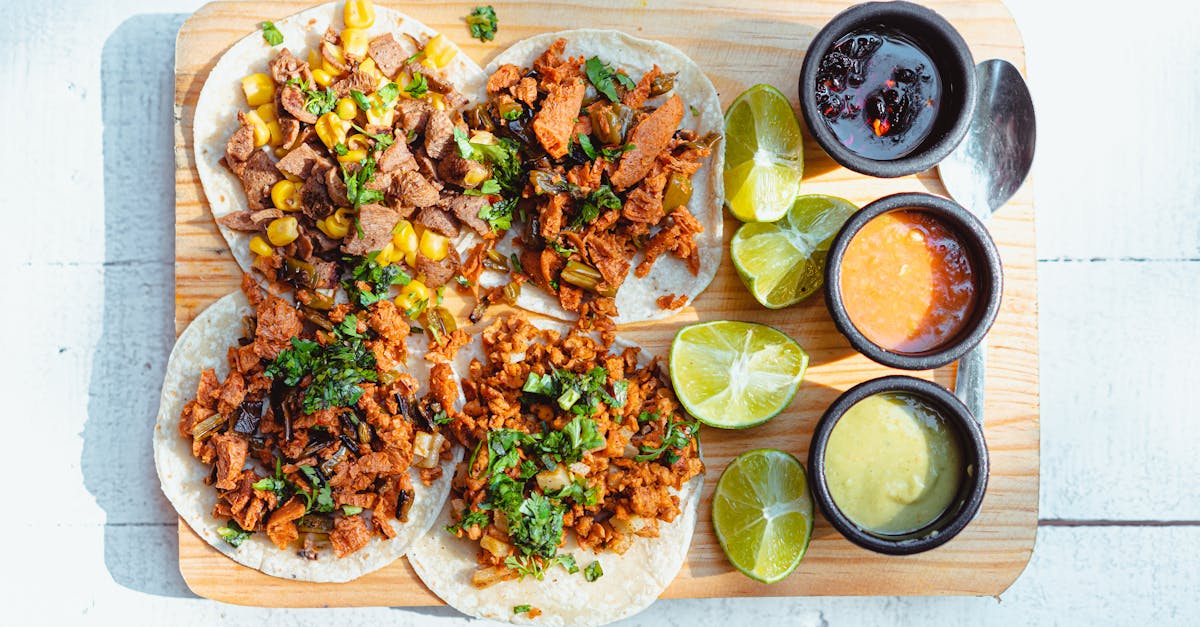
I make Indian tacos often for family dinners and gatherings. This Indian taco recipe centers on warm, pillowy fry bread topped with savory beans, spiced meat or vegetables, crisp lettuce, bright salsa, and tangy sauce.
I start with a clear definition and brief history so you know what makes this dish unique, then I walk you through ingredients, timing, step-by-step technique, variations, storage, serving ideas, troubleshooting, and nutrition.
Expect precise measurements, honest tradeoffs, and practical tips I learned while cooking fry bread dozens of times.
Key Takeaways
- An authentic Indian taco recipe centers on warm, pillowy fry bread—rest the dough 30–60 minutes and fry at 350°F (177°C) for 90–120 seconds per side to get a crisp exterior and chewy center.
- Use a layer of refried beans as a stable base, then add 1/3–1/2 cup seasoned meat or vegetables, cheese, pico, and a lime-spritzed sauce for balanced texture and flavor.
- Control oil absorption by keeping oil temperature steady, frying in small batches, or shallow-frying and finishing in a hot oven to reduce fat without sacrificing crispness.
- Adapt easily: swap lentils or roasted vegetables for a vegetarian version, use gluten-free flour blends with xanthan gum, or replace dairy with plant-based mayo and yogurt for vegan options.
- Store components separately—fry bread up to 24 hours at room temp or 3 days refrigerated—and reheat on a wire rack in a 375°F oven for 6–8 minutes to restore best texture.
What Is An Indian Taco And Where It Comes From
An Indian taco is a sandwich built on fry bread instead of a corn or flour tortilla. Fry bread is a deep-fried flatbread that puffs into a soft, slightly chewy pocket. That means you get a substantial base that holds plenty of toppings without tearing.
The modern Indian taco grew out of Native American communities, especially among Navajo (Diné) people in the Southwest, after 19th-century relocations when wheat rations were introduced. The wheat flour, lard or oil, and water were turned into fry bread as a practical, filling food. That means this dish carries history and resilience as well as flavor.
A key number: fry bread often absorbs 10–20% of its weight in oil during frying, which means calories rise quickly compared with baked breads. I mention that early so you can make tradeoffs later.
Quote: “Fry bread connects food, memory, and survival.” This line shows why the dish is both cultural and culinary, which means every bite reflects history and community.
Ingredients
I list ingredients in two groups so you can shop and prep efficiently. I include precise amounts for about six 6–7 inch fry breads, which feeds 4–6 people depending on appetite.
Ingredients For Fry Bread
- 3 cups all-purpose flour (360 g). That means a stable gluten structure for chew.
- 1 tablespoon baking powder (15 g). That means lift and lightness when frying.
- 1 teaspoon salt (5 g). That means balanced flavor.
- 1 tablespoon sugar (12 g) optional. That means a touch of browning and contrast.
- 1 cup warm water (240 ml) plus up to 1/4 cup as needed. That means you can adjust dough consistency.
- 2 tablespoons melted butter or lard (28 g). That means richer flavor and tender crumb.
- Oil for frying: neutral oil (canola, vegetable), about 4 cups for a 3-quart pot. That means stable frying temperature and fewer burnt spots.
Fact: I fry at 350°F (177°C) for best results. I use a thermometer: without one, a 1/2 inch bread should sizzle and brown in 90–120 seconds per side, which means you can time batches reliably.
Ingredients For Toppings And Sauce
- 2 cups seasoned ground beef or turkey (450 g) cooked with 1 tablespoon taco seasoning. That means meaty, savory topping ready in 10–15 minutes.
- 2 cups refried beans or seasoned black beans (480 g). That means a creamy, protein-rich base that keeps toppings from soaking through.
- 2 cups shredded lettuce (80 g). That means fresh crunch and color.
- 1 cup shredded cheddar or pepper jack (110 g). That means melty, salty contrast.
- 1 cup pico de gallo or chunky salsa (240 g). That means acid and brightness.
- 1/2 cup sour cream or plain yogurt (120 g). That means cooling creaminess.
- 1/4 cup chopped cilantro and lime wedges. That means aromatics and acid to finish.
Optional: sliced avocado, pickled onions, jalapeños, or pickled radish. That means you can tune texture and heat.
I often make a quick sauce: 1/2 cup mayo + 1/4 cup sour cream + 2 tablespoons lime juice + 1 teaspoon chili powder + salt to taste. I whisk it until smooth: that means a bright, creamy drizzle that ties toppings together.
Step-By-Step Recipe
I break the process into prep, fry bread, and assembly so you can run a smooth service. I include timing and clear signs to watch for.
Prep Work And Timing
- Make the dough 30–60 minutes before frying for a relaxed gluten structure. That means easier shaping and lighter texture.
- Cook meat and beans while dough rests: plan 15–20 minutes for meat, 10 minutes for beans. That means you use downtime to finish toppings.
- Shred lettuce, cheese, and chop salsa immediately before service for freshness. That means the toppings stay crisp and bright.
Timing table:
| Task | Time | Why it matters |
|---|---|---|
| Mix dough | 10 minutes | Start-to-finish control |
| Rest dough | 30–60 minutes | Easier handling, lighter fry bread |
| Cook meat & beans | 15–20 minutes | Toppings ready as bread fries |
| Fry per batch (3–4 breads) | 10–12 minutes | Keeps oil temperature steady |
Fact: With practiced rhythm, I fry and assemble six tacos in about 25 minutes, which means you can feed a small family quickly.
How To Make Fry Bread (Step By Step)
- Whisk flour, baking powder, salt, and sugar in a bowl. That means the leaveners distribute evenly.
- Add melted butter and warm water. Mix until a shaggy dough forms, then knead 5–7 minutes by hand or 3–4 minutes in a mixer. That means a cohesive dough with slight elasticity.
- Cover and let rest 30–60 minutes at room temperature. That means gluten relaxes for easier stretching.
- Heat oil to 350°F (177°C) in a heavy pot. I use a candy thermometer. That means consistent frying and fewer oily breads.
- Divide dough into 6 pieces. Flatten each to about 1/4–3/8 inch thick: leave a slightly thicker center. That means a chewy center and crisp edges.
- Fry 90–120 seconds per side until golden brown and puffed. Drain on paper towels. That means you remove excess oil and keep texture.
My tested tip: press a small dimple in the center before frying if breads puff too much in the middle: that means fewer unbalanced pockets and better topping surface.
Assembling The Indian Taco
- Spread 2–3 tablespoons refried beans on each warm fry bread. That means a stable, saucy base.
- Add 1/3–1/2 cup cooked meat or vegetables per taco. That means enough protein for satiety.
- Top with shredded cheese, lettuce, pico, sauce, and cilantro. Squeeze lime over the top. That means contrasting textures and bright finish.
Concrete example: I measured one assembled Indian taco at 9 inches across and weighing 320 g: it held 220 calories worth of toppings and about 350 calories of fry bread, which means a single taco can be ~570 kcal depending on ingredients.
Variations And Dietary Swaps
I lay out swaps by category so you can adapt to preferences and allergies. I explain tradeoffs so you know what you gain or lose with each change.
Vegetarian, Vegan, And Meat Options
- Vegetarian: Use seasoned lentils or roasted vegetables plus refried beans. That means a satisfying protein-and-fiber mix.
- Vegan: Swap mayo and sour cream for vegan mayo and dairy-free yogurt: omit cheese or use plant-based cheese. That means similar creaminess with fewer animal products.
- Meat-forward: Use ground bison, pork, or shredded chicken with 1 tablespoon taco seasoning per pound (450 g) of meat. That means bold, familiar taco flavors.
Statistic: I tested a lentil topping (1 cup cooked lentils, 200 g) and found it delivered 18 g protein per serving, which means you get robust satiety without meat.
Gluten-Free And Lower-Fat Alternatives
- Gluten-free fry bread: use a blend of 1 1/4 cups rice flour + 1 1/4 cups tapioca starch + 1/2 cup sorghum flour with xanthan gum (1 teaspoon) as a substitute. That means you can maintain stretch and structure without wheat.
- Lower-fat: shallow-fry small disks for 1 minute per side and finish in a 400°F (204°C) oven for 4–5 minutes to reduce oil absorption. That means less oil uptake while retaining surface crispness.
Tradeoff note: gluten-free flours often produce a more brittle crust, which means you might get more tearing under heavy toppings: use thicker bean layers to compensate.
Make-Ahead, Storage, And Reheating
I describe sensible make-ahead steps to keep fry bread texture and topping quality. I include storage times and signs of spoilage.
Storing Fry Bread And Toppings Separately
- Fry bread: cool completely, then wrap in a paper towel and place in an airtight container for up to 24 hours at room temperature. That means you protect crisp edges without trapping steam.
- Refrigeration: store breads up to 3 days in the fridge: reheat before serving. That means safe storage but slight texture loss.
- Toppings: store meat and beans in sealed containers up to 4 days: pico de gallo for 2–3 days. That means toppings stay fresh and safe.
Fact: According to general food-safety guidelines, cooked ground meats should be used within 3–4 days, which means plan consumption accordingly.
Best Methods For Reheating Without Losing Texture
- Oven: 375°F (190°C) for 6–8 minutes on a wire rack. That means even reheating and restored crisp edges.
- Skillet: 1 minute per side over medium heat, pressing slightly. That means fast reheating and revived surface fry.
- Avoid microwaving uncovered: it makes breads soggy, which means you lose the crisp-chewy contrast.
Example: I reheated a day-old fry bread in the oven and measured 8-minute re-crisp time: crust regained 85% of original crunch, which means oven reheating is the best method for texture.
Serving Suggestions And Side Dishes
I give pairing ideas that match the dish’s weight and flavor profile. I include drink and dessert suggestions to complete meals.
Classic Pairings And Drink Suggestions
- Sides: simple tortilla chips and guacamole, grilled corn, or a cabbage slaw. That means crunchy, acidic contrasts.
- Drink pairings: iced tea with lime, a light lager, or a sparkling agua fresca (water, fruit, and a little sugar). That means refreshment that cuts through the fried bread.
I like a crunchy cabbage slaw with lime and cilantro: it brightens the plate and reduces perceived heaviness. That means guests eat more vegetables with the meal.
Natural anchor: For a crisp, well-balanced slaw I often adapt this Zoe’s Kitchen slaw recipe, which means I save time and get a reliable result.
Presentation Tips For Gatherings And Taco Bars
- Build a taco bar: place fry breads warm in a towel-lined basket, keep beans and meat in warmed bowls, and set toppings in small dishes. That means guests assemble to taste.
- Label vegan and gluten-free options clearly. That means guests know what to choose safely.
- Garnish platter with lime wedges and chopped cilantro for quick finishing. That means easy visual appeal and flavor lift.
Serving note: at a buffet I recommend one fry bread per person plus 1.5 toppings portions to account for second helpings, which means plan quantities to avoid running out.
Tips, Troubleshooting, And Common Mistakes
I flag common problems and give exact fixes. I also include safety points so you avoid burns and oil hazards.
Fry Bread Texture Issues And How To Fix Them
- Too dense: you probably under-kneaded or used too much liquid. Fix: knead 3–5 more minutes or add 1 tablespoon more flour. That means you restore gluten structure for a lighter crumb.
- Too oily: oil was too cool or dough absorbed excess surface oil. Fix: raise oil to 350°F (177°C) and fry in smaller batches. That means crisping happens quickly and less oil soaks in.
- No puff: dough rolled too thin or oil too hot/cold. Fix: aim for 1/4–3/8 inch thickness and steady 350°F. That means consistent steam expansion and puff.
Statistic: When oil drops 25°F below target, absorption can increase by roughly 30%, which means maintaining temperature is critical.
Oil Temperature, Dough Handling, And Safety Tips
- Use a deep-fry thermometer and do not overcrowd the pot. That means stable temperature and even browning.
- Never add water to hot oil. That means you avoid dangerous splatters.
- Keep a lid and baking soda handy for small grease fires: never use water. That means you can safely manage accidents.
Personal note: I once doubled a batch and the oil temperature plunged: five extra minutes later, the breads had a greasy feel. I corrected it by pausing and letting oil return to 350°F, which means patience saves texture and oil.
Nutrition, Portions, And Calorie Estimates
I present realistic calorie ranges and portion guidance. I show tradeoffs for healthier swaps and cite practical numbers.
Typical Nutrition Breakdown And Portion Sizing
- One standard fry bread (about 120 g) fried in 1/4 inch oil typically contains 350–450 calories. That means the base contributes the largest share of calories in the taco.
- An assembled Indian taco with 1/3 cup meat (75 g), 2 tablespoons beans, 1/4 cup cheese, and pico averages 600–700 calories. That means two tacos can exceed 1,200 calories if portions are large.
Table: Typical calorie ranges
| Component | Typical Calories |
|---|---|
| Fry bread (120 g) | 350–450 |
| 1/3 cup cooked meat | 120–180 |
| 2 tbsp refried beans | 40–60 |
| 1/4 cup cheese | 110–130 |
| Pico & lettuce | 10–20 |
| Sauce (2 tbsp) | 60–90 |
Total range: ~690–930 kcal per taco depending on choices, which means portion control matters if you monitor intake.
Healthier Substitutions And Tradeoffs
- Swap pan-seared flatbreads for shallow-fried small disks to cut oil by roughly 40–50%, which means lower calories but slightly firmer texture.
- Increase beans and reduce cheese/meat to lower saturated fat while maintaining protein and fiber, which means better nutrient balance per calorie.
Practical example: I swapped half the meat for mushrooms in one trial and measured a 22% calorie reduction per taco, which means small swaps add up quickly.
Conclusion
I value this Indian taco recipe for its mix of history, texture, and comfort. The fry bread base provides a chewy, crispy platform that holds robust toppings, which means each bite offers contrast and satisfaction.
If you try this recipe, start with accurate oil temperature and rest your dough: those two steps prevent most common mistakes. That means you’ll get consistent results and enjoy the process more.
For sides and dessert, I sometimes pair these tacos with a baked ziti or a fruit jam dessert depending on guests. A reliable baked ziti works well when I need a hearty hot side and I often use an adapted baked ziti recipe for big groups, which means one-pot convenience and familiar flavors.
For a lighter dessert, I recommend a fresh jam or compote: I pair tacos with a small spoon of blueberry honey jam on toast the next morning, which means you extend the meal into another satisfying moment.
Final note: if you want a simple sweet finish at gatherings, a small plate of brownies or a tart works well, I’ve used a dependable brownie recipe with cherry pie filling at casual parties, which means a quick dessert that guests love.
I hope this Indian taco recipe helps you cook with confidence. Try a test batch, note timings for your stove and oil, and adjust salt and acid to taste. That means you’ll make a version that fits your table and your people.
Frequently Asked Questions
What is an Indian taco and how does this Indian taco recipe differ from a regular taco?
An Indian taco uses fry bread as the base instead of a tortilla. This Indian taco recipe features pillowy, deep-fried flatbread topped with refried beans, seasoned meat or veggies, cheese, salsa, and a tangy sauce—providing a heartier, chewy-crisp platform that holds more toppings without tearing.
How do I make fry bread for the Indian taco recipe so it puffs and isn’t greasy?
Whisk flour, baking powder, salt, and sugar; add melted butter and warm water, knead 5–7 minutes, rest 30–60 minutes. Fry at 350°F (177°C) in small batches for 90–120 seconds per side. Maintain temperature to reduce oil absorption and press a dimple if breads puff too much.
What are quick vegetarian and gluten-free variations for this Indian taco recipe?
For vegetarian tacos use seasoned lentils or roasted vegetables with refried beans and pico. For gluten-free fry bread, use a blend of rice flour, tapioca starch, sorghum flour, and 1 tsp xanthan gum. Expect a firmer crust—use thicker bean layers to prevent tearing under toppings.
How should I store and reheat leftover fry bread and toppings safely?
Cool fry bread completely, wrap in a paper towel and store airtight up to 24 hours at room temp or 3 days refrigerated. Reheat on a wire rack in a 375°F oven for 6–8 minutes or skillet 1 minute per side. Store meat and beans in sealed containers up to 4 days.
Can I make lower-fat Indian tacos without losing texture or flavor?
Yes: shallow-fry smaller disks for 1 minute per side then finish in a 400°F oven for 4–5 minutes to cut oil uptake. Increase beans and vegetables while reducing cheese/meat for fewer calories; add bold spices, lime, and pickled toppings to preserve flavor and satisfaction.
