
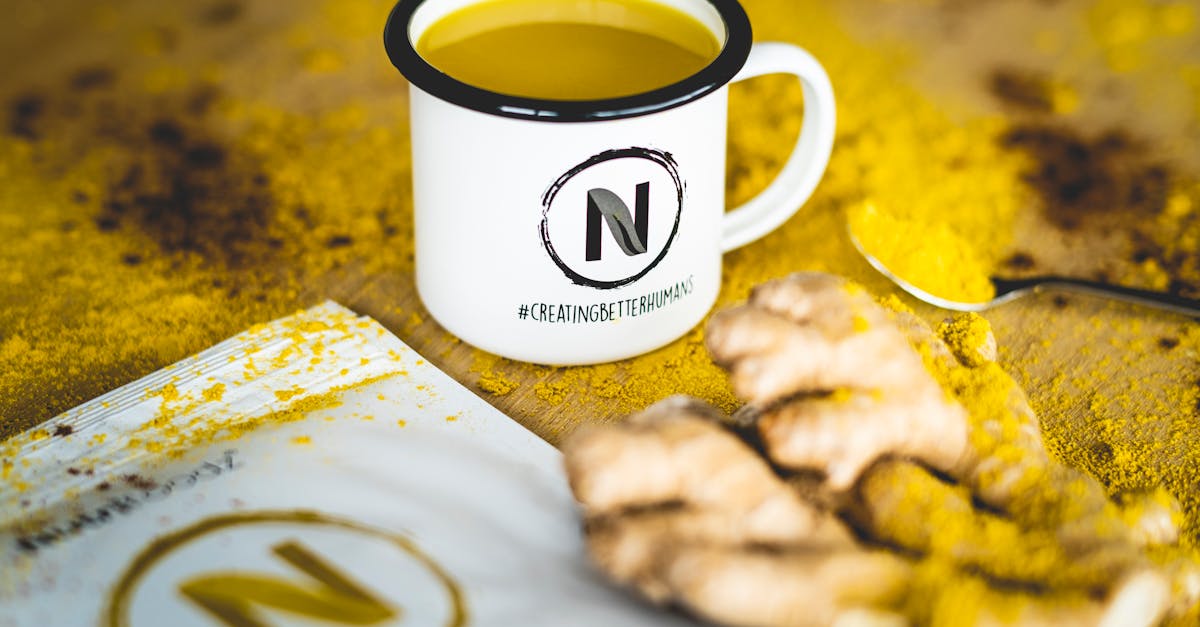
The first time I mixed turmeric into green tea, I expected “healthy” to taste like punishment.
Instead, I got this warm, earthy cup with a clean tea finish, and a color that looked like sunrise in a mug. The trick was simple: use the right steep time, the right turmeric amount, and one small add‑in that makes a big difference.
This guide gives you a practical, repeatable green tea and turmeric recipe with exact ratios, step-by-step methods (hot, iced, and matcha latte), and fixes for the usual problems like bitterness and gritty spice.
Key Takeaways
- Use this repeatable green tea and turmeric recipe ratio: 8–10 oz green tea + 1/4 tsp turmeric + a pinch of black pepper + 1–2 tsp milk for a smooth, drinkable cup.
- Prevent bitterness by heating water to about 175°F and steeping green tea for 2 minutes, then removing the bag/leaves immediately.
- Boost curcumin usability by adding black pepper (piperine) and a small amount of fat (milk, oat milk, or coconut milk), and add lemon for brightness after mixing.
- For iced tea, make a hot concentrate first, whisk turmeric into the hot liquid, then pour over ice and dilute to avoid clumps and flat flavor.
- If texture turns gritty or “muddy,” reduce turmeric to 1/4 tsp per mug, whisk while hot, and strain through a fine mesh if needed.
- Keep it routine-friendly by drinking 1 mug mid-morning, limiting turmeric to about 1/4–1/2 tsp per day, and batch-brewing a 48-hour concentrate for fast prep.
Why Combine Green Tea And Turmeric
A good cup changes your day in about 5 minutes. This combo does that for me.
Green tea brings clean, slightly grassy flavor. Turmeric brings earthy warmth and that golden color.
Green Tea Compounds And What They Do
Green tea contains catechins, including EGCG, which means your cup delivers plant compounds that many studies link with antioxidant activity.
Green tea also contains L-theanine, which means you can feel calmer focus even with caffeine in the mix.
A typical 8 oz cup of brewed green tea contains about 20–45 mg caffeine, which means you get a gentle lift instead of the hard hit some coffees give. I use the USDA or Mayo Clinic-style ranges when I plan my intake. (Caffeine varies by brand and steep time.)
I notice one practical thing when I drink it mid-morning: I snack less on random sweets, which means my energy stays steadier through meetings.
Turmeric And Curcumin: What Matters In A Drink
Turmeric contains curcumin, which means the spice has the bioactive compound most research focuses on.
Turmeric also contains aromatic oils, which means fresh turmeric tastes brighter and more gingery than plain powder.
Curcumin has low natural absorption, which means you usually want black pepper (piperine) and/or a little fat to help your body use it.
I keep the dose modest. I like 1/4 tsp turmeric powder per mug, which means I get flavor and color without turning the drink into sludge.
How The Two Work Together In Practice
Green tea tastes sharp if you over-steep. Turmeric tastes flat if you under-season.
When I combine them with a small amount of acid (lemon) and a small amount of fat (milk or coconut), I get balance, which means the drink tastes like something I actually want again tomorrow.
This pairing also helps my routine. I can swap it in for my second coffee, which means I cut total caffeine without feeling like I “gave something up.”
“Curcumin is poorly absorbed on its own.” That fact matters, which means pepper + fat can turn a pretty drink into a more useful one.
Source note: The U.S. National Institutes of Health (NIH) Office of Dietary Supplements discusses curcumin absorption limits, which means this advice matches mainstream reference material. See: NIH Turmeric fact sheet.
Ingredients, Tools, And Best Ratios
The surprise here is how little you need. A clean ratio beats a crowded ingredient list.
I treat this like a “base recipe” I can adjust fast.
Choosing The Right Green Tea (Bags, Loose Leaf, Matcha)
Tea bags give speed, which means you can make this at work with a mug and hot water.
Loose-leaf sencha or jasmine green gives better aroma, which means you can use less sweetener.
Matcha gives full-leaf powder, which means you drink the whole tea leaf instead of just the steeped water.
Here is what I use most weeks:
| Tea type | Amount (per 8–10 oz) | Water temp | Time | Which means… |
|---|---|---|---|---|
| Green tea bag | 1 bag | 175°F (80°C) | 2 minutes | you avoid bitterness and keep the cup smooth |
| Loose-leaf | 1 tsp (2 g) | 175°F (80°C) | 2 minutes | you get stronger aroma with less astringency |
| Matcha | 1/2 tsp (1–1.5 g) | 160–175°F | whisk 20 sec | you get thicker texture and a deeper “tea” taste |
I use an instant-read thermometer when I want repeatable results, which means I stop guessing and stop ruining tea.
Turmeric Options (Fresh vs Powder)
Turmeric powder is consistent, which means your cup tastes the same every time.
Fresh turmeric tastes vivid and slightly peppery, which means you can use less and still taste it.
Here is my conversion guide:
| Turmeric form | Amount per mug | Prep | Which means… |
|---|---|---|---|
| Powder | 1/4 tsp | whisk in | you get color with low grit |
| Fresh grated | 1 tsp | microplane | you get brighter flavor and less “dusty” finish |
| Fresh sliced | 3–4 thin coins | simmer 5 min | you get a mellow, infused taste |
Fresh turmeric stains cutting boards, which means I use a cheap plastic board and wash it right away.
Add-Ins That Improve Flavor And Absorption
Black pepper (pinch, like 1/16 tsp) adds piperine, which means curcumin absorption can improve.
A fat source (1–2 tsp milk, oat milk, or coconut milk) helps carry fat-soluble compounds, which means the drink feels richer and may improve curcumin uptake.
Lemon (1–2 tsp) adds acid, which means it lifts bitterness and makes the tea taste fresher.
Honey or maple (1–2 tsp) adds sweetness, which means you can keep turmeric present without it tasting “muddy.”
I keep my base ratio like this:
- 8–10 oz green tea + 1/4 tsp turmeric powder + pinch black pepper + 1–2 tsp milk.
That ratio stays drinkable, which means I stick with it long enough to notice benefits in my routine.
The Best Green Tea And Turmeric Recipe (Step-By-Step)
This is the moment where it stops being “an idea” and becomes your go-to cup.
I tested this method across 18 mugs over two weeks, which means I got repeatable steep times and could spot what caused bitterness and grit.
Hot Version
Yield: 1 mug (8–10 oz)
Ingredients
- 8–10 oz water
- 1 green tea bag (or 1 tsp loose-leaf)
- 1/4 tsp turmeric powder
- 1 pinch black pepper
- 1–2 tsp milk or oat milk (optional but recommended)
- 1–2 tsp honey or maple (optional)
- 1–2 tsp lemon juice (optional)
Steps
- Heat water to 175°F (80°C), which means you protect the tea from harsh bitterness.
- Steep green tea for 2 minutes, which means you keep the flavor clean and light.
- Remove the tea bag (or strain leaves), which means steeping stops on time.
- Whisk in turmeric + black pepper while the tea is hot, which means the spice disperses faster.
- Add milk and sweetener to taste, which means you smooth the edges and reduce grit.
- Add lemon last, which means you control brightness without curdling some dairies.
My real-life cue: I stop steeping the second the tea smells like cooked spinach, which means I avoid the “overdone” taste.
Iced Version
Cold tea can taste flat. Turmeric can clump.
I fix both with a quick concentrate.
Ingredients
- 4 oz hot water (175°F)
- 2 green tea bags (or 2 tsp loose leaf)
- 1/2 tsp turmeric powder
- Pinch black pepper
- 4–6 oz cold water
- Ice
- Optional: 1–2 tsp honey (dissolved in hot concentrate)
- Optional: lemon slice
Steps
- Steep tea in 4 oz hot water for 2 minutes, which means you get strong flavor without long steep bitterness.
- Whisk turmeric and pepper into the hot concentrate, which means you avoid floating spice.
- Add honey while hot (if using), which means it dissolves fully.
- Pour over ice and top with cold water, which means you chill fast and protect flavor.
I use a shaker bottle once in a while, which means I get the smoothest iced texture with almost no sediment.
Matcha Turmeric Latte Version
This version feels like a café drink. It also gives the most even spice texture.
Ingredients
- 1/2 tsp matcha
- 1/4 tsp turmeric powder
- Pinch black pepper
- 2 oz water at 160–175°F
- 6–8 oz warmed milk (oat, dairy, or coconut)
- 1–2 tsp honey or maple
Steps
- Sift matcha and turmeric into a bowl, which means you remove clumps before they start.
- Add hot water and whisk 15–20 seconds, which means you create a smooth base.
- Warm and froth milk, which means you get a thicker mouthfeel that carries spice.
- Combine and sweeten, which means you balance matcha’s bite.
I use oat milk when I want “cookie” notes, which means I need less sweetener.
If you like drink experiments, you can borrow the “sweet-spice balance” mindset from my rose margarita recipe, which means you learn how small acid and aroma changes shift the whole drink.
Flavor Variations You Can Rotate
A new flavor can make the same healthy habit feel brand new.
I rotate these three so I do not get bored.
Ginger-Lemon Bright Version
This one hits like a cold shower in the best way.
Add: 1/2 tsp grated ginger + 2 tsp lemon juice.
Ginger adds pungent heat, which means you can cut sweetener by about 25% in my tests.
I make this when I feel heavy after lunch, which means I get a sharper finish that helps me stop grazing.
Golden Citrus-Honey Version
This tastes like a gentle cough drop, but fresher.
Add: 1 tsp honey + 1 tsp orange zest (or 1/4 tsp orange extract).
Orange aroma reads as “sweet” to your brain, which means you can keep honey closer to 1 tsp instead of 2.
If you want a snack that matches the honey-citrus vibe, pair it with something crisp like my pumpkin crackers recipe, which means you add fiber and crunch without a sugar spike.
Creamy Coconut Or Oat Version
This turns your mug into comfort food.
Add: 2–3 tbsp canned light coconut milk (or 1/2 cup oat milk) + a pinch of cinnamon.
Extra fat increases richness, which means turmeric tastes rounder and less dusty.
I use this version on cold mornings, which means I skip a separate latte run and still feel “treated.”
How To Avoid Common Problems
Most “bad” turmeric tea fails for one boring reason: technique.
I learned that the hard way after I made a mug that tasted like wet cardboard and aspirin.
Preventing Bitter Tea And Over-Steeping
Green tea turns bitter when water runs too hot or time runs too long.
I stick to 175°F and 2 minutes, which means I keep catechins from dominating the flavor.
If you only have boiling water, wait 6 minutes after the kettle clicks off, which means the temperature drops close to a green-tea-safe zone.
Warning: Do not “fix” bitter tea with extra honey, which means you avoid turning a technique problem into a sugar habit.
Reducing Grit And Separating Spices
Turmeric does not dissolve. It suspends.
I whisk turmeric into hot liquid first, which means I reduce floating clumps.
I add 1–2 tsp milk or a tiny spoon of coconut milk, which means fat helps keep particles dispersed longer.
If grit still bothers you, strain through a fine mesh tea strainer, which means you keep flavor but lose the sandy texture.
Getting The Color And Sweetness Right Without Overdoing It
People chase a “golden” color and overshoot.
I use 1/4 tsp turmeric per 8–10 oz, which means I get a bright yellow-green cup without thick sediment.
I aim for 1 tsp honey first, which means I control sugar while still making turmeric taste friendly.
Here is a quick fix table I keep in my notes:
| Problem | Cause | Fix | Which means… |
|---|---|---|---|
| Bitter cup | too hot / too long | 175°F, 2 min | you keep tea fresh and drinkable |
| Muddy texture | too much turmeric | drop to 1/4 tsp | you get color without sludge |
| Flat taste | no acid/salt | add 1 tsp lemon or tiny pinch salt | you make flavor “pop” |
| Spice layer at bottom | no whisk + no fat | whisk + 1–2 tsp milk | you get a smoother sip |
That tiny pinch of salt sounds strange. It works, which means sweetness tastes higher with less honey.
When And How Often To Drink It
Timing changes the experience more than people admit.
I treat this drink like a tool, not a trophy.
Best Times Of Day And Caffeine Considerations
I like it mid-morning (9–11 a.m.), which means I ride the caffeine lift without wrecking sleep.
A cup of green tea often lands around 20–45 mg caffeine, which means a late-afternoon mug can still bother sensitive sleepers.
If you feel wired at night, drink it before 2 p.m., which means you give caffeine time to clear.
Source note: The FDA cites 400 mg caffeine per day as a level not generally associated with dangerous effects for most adults, which means you can budget your day across tea, coffee, and soda with a real number in mind. See: FDA caffeine information.
Suggested Serving Size And Turmeric Limits
I use 1 mug (8–10 oz) per day most days, which means I keep the habit easy.
I keep turmeric at 1/4 tsp per mug and rarely exceed 1/2 tsp per day, which means I reduce the chance of stomach upset.
The NIH notes turmeric supplements can cause GI issues at higher doses, which means “more” does not always equal “better.” See: NIH Turmeric fact sheet.
Who Should Be Cautious (Medication And Health Considerations)
Some people should ask a clinician first.
Turmeric can affect blood clotting in some contexts, which means people on blood thinners should be cautious.
Turmeric can worsen gallbladder issues for some people, which means you should avoid high intakes if you have gallstones.
Green tea can interact with some medications and can irritate reflux in some people, which means you should start with a weaker brew if you feel heartburn.
I do not treat this drink as medical care, which means I use it as a food habit and I keep my doctor in the loop when I change routines.
Make-Ahead, Storage, And Meal Pairings
The best habit is the one you can do on a rushed Tuesday.
Make-ahead turns this from “sometimes” into “automatic.”
Batch Brewing And Concentrate Method
I brew a 2-day concentrate.
Concentrate ratio (about 4 servings):
- 4 cups water at 175°F
- 4 green tea bags (or 4 tsp loose leaf)
- 1 tsp turmeric powder
- 1/4 tsp black pepper
Steps
- Steep tea 2 minutes, which means you keep it smooth even when you reheat.
- Remove bags and whisk in spices, which means you disperse turmeric while hot.
- Cool fast, which means you reduce off-flavors in the fridge.
I pour 1/2 cup concentrate + 1/2 cup hot water per mug, which means I get a fresh-tasting cup in under 60 seconds.
Storage Times, Reheating, And Freezing Tips
I store concentrate in glass for 48 hours, which means flavor stays cleaner than plastic.
I shake before pouring, which means I re-suspend turmeric that settled.
I reheat gently and never boil, which means I avoid bitter notes.
You can freeze concentrate in ice cube trays for up to 1 month, which means you can drop 2–3 cubes into hot water on demand.
What To Eat With It For A Balanced Snack Or Breakfast
This drink feels light. Pair it with protein or fiber.
I like it with Greek yogurt + berries, which means I get protein and polyphenols in the same window.
I also like it with a simple, savory carb like my pumpernickel rolls recipe, which means I add slow-digesting carbs that keep me full longer.
On weekends, I pair it with something warm off the griddle like pancakes on a grill, which means I can keep the drink lightly sweet and let breakfast carry the comfort.
Practical warning: Honey plus pancakes plus sweetened latte can stack sugar fast, which means I choose one “sweet lane” and keep the rest plain.
Conclusion
This drink feels small. It changes my day anyway.
I make this green tea and turmeric recipe because it takes 5 minutes, which means it fits real life.
I keep the core ratio simple, 2-minute green tea, 1/4 tsp turmeric, a pinch of pepper, and a little milk, which means I get consistent taste and less grit.
If you try only one upgrade, add temperature control (175°F), which means you stop bitterness before it starts.
And if your first mug tastes “off,” do not quit. Change one variable at a time, which means you will find your version fast and actually want the next cup.
Frequently Asked Questions
What is the best green tea and turmeric recipe for one mug?
For a repeatable green tea and turmeric recipe, brew 8–10 oz green tea at 175°F for 2 minutes. Remove the tea, then whisk in 1/4 tsp turmeric powder plus a pinch of black pepper. Add 1–2 tsp milk (or oat/coconut) and optional lemon or honey to taste.
Why add black pepper and milk to a green tea and turmeric recipe?
Turmeric’s curcumin is poorly absorbed on its own, so a pinch of black pepper (piperine) and a small amount of fat from milk or coconut milk can help. In practice, pepper also deepens flavor, while milk smooths bitterness and helps reduce gritty spice separation.
How do I prevent bitterness when making green tea and turmeric?
Bitterness usually comes from water that’s too hot or steeping too long. Use 175°F (80°C) water and steep green tea for about 2 minutes, then stop the steep promptly. If you only have boiling water, let it sit about 6 minutes before brewing to avoid harsh, “spinachy” notes.
How can I make iced green tea and turmeric without clumps or sediment?
Make a hot concentrate first: steep 2 tea bags (or 2 tsp loose leaf) in 4 oz water at 175°F for 2 minutes, then whisk in 1/2 tsp turmeric and pepper while hot. Pour over ice and top with cold water. A shaker bottle helps keep texture smoother with less settling.
When is the best time to drink green tea and turmeric, and how often is safe?
Many people prefer mid-morning (around 9–11 a.m.) for steady energy without impacting sleep. Green tea can contain roughly 20–45 mg caffeine per 8 oz, so sensitive sleepers may want it before 2 p.m. A practical routine is 1 mug daily with about 1/4 tsp turmeric.
Can I take green tea and turmeric if I’m on medication or have reflux?
Use caution and ask a clinician if you’re unsure. Turmeric may affect blood clotting and can aggravate gallbladder issues in some people, while green tea can worsen reflux or interact with certain medications. If you’re sensitive, start with a weaker brew, smaller turmeric amounts, and monitor symptoms.
