
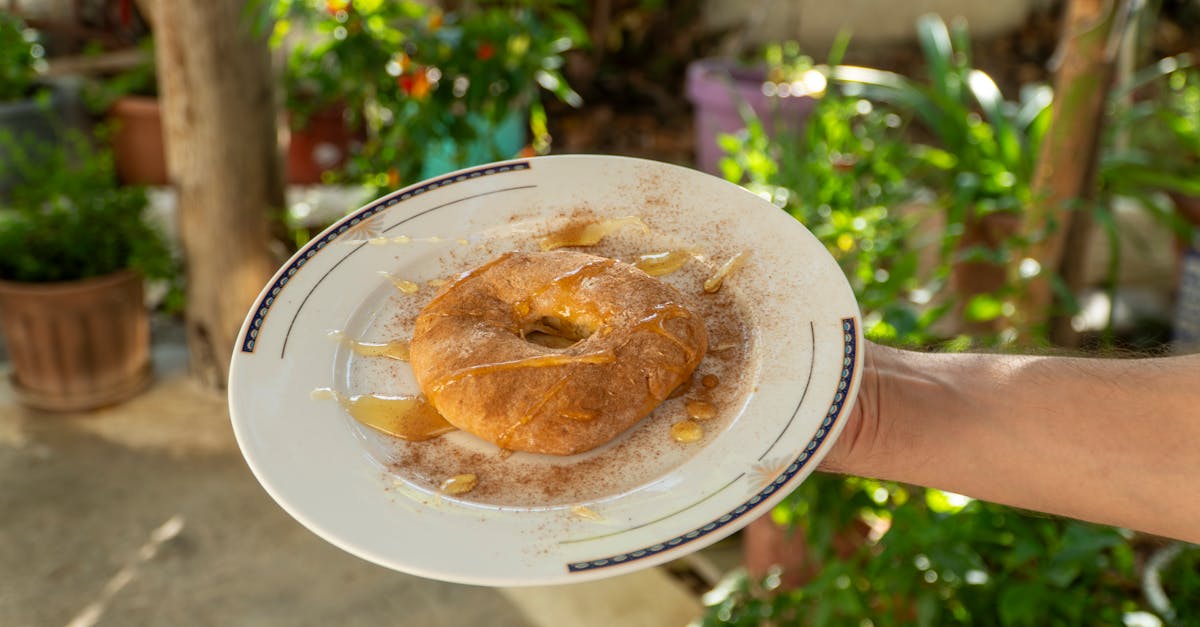
I start most mornings with simple Mediterranean flavors because they wake up the senses and fuel me without heaviness. In this guide I show you pantry basics, quick recipes you can make in 10–30 minutes, meal-prep tricks, and realistic swaps for allergies. Expect clear steps, exact ingredient notes, and examples I actually cook on weekday mornings.
Key Takeaways
- Build weekday breakfasts around pantry staples—olive oil, Greek yogurt, eggs, sturdy bread, and a spice like za’atar—to make easy Mediterranean recipes for breakfast come together in 10–30 minutes.
- Use batch-cooking (roasted vegetables, cooked farro or quinoa, and hard-boiled eggs) on weekends so most easy Mediterranean recipes for breakfast assemble in under 5 minutes.
- Aim for balance at each meal by combining protein (eggs, yogurt, feta), healthy fat (olive oil, tahini), and fiber (whole grains, vegetables) to sustain energy and reduce mid-morning hunger.
- Keep breakfasts simple: one-pan dishes and five-ingredient assemblies—examples include shakshuka, Greek yogurt bowls, and halloumi plates—so you’ll actually make breakfast instead of skipping it.
- Customize easily with swaps: chickpea socca for gluten-free, tofu scramble or dairy-free yogurt for vegan, and toasted seeds for nut-free options to maintain flavor and nutrition.
Why Choose Mediterranean Breakfasts
The Mediterranean-style breakfast combines whole foods, healthy fats, and fresh produce, and it often takes 10–30 minutes to prepare. Research from the PREDIMED trial found a roughly 30% lower risk of major cardiovascular events for people following Mediterranean diets with nuts or olive oil, which means a morning pattern built around these foods can add measurable long-term health benefits.
Mediterranean breakfasts emphasize vegetables, legumes, whole grains, olive oil, and modest dairy or fish. That balance boosts satiety and steady energy through the morning, which means you’re less likely to crash or over-snack before lunch.
I like them because the flavors change fast: lemon and oregano one day, tahini and za’atar the next. That variety keeps breakfast interesting, which means you’ll stick with healthy choices rather than drifting back to sugary options.
Mediterranean Breakfast Principles: Flavor, Balance, and Simplicity
Start with three principles: bold flavor, balanced macros, and short prep.
Flavor: herbs, citrus, and good olive oil provide noticeable taste with small effort, which means you don’t need heavy sauces or salt to enjoy food.
Balance: combine protein, healthy fat, and fiber at each meal, for example, eggs (protein), olive oil (fat), and whole-grain toast or beans (fiber). This mix slows digestion and maintains focus: studies show protein at breakfast can reduce mid-morning hunger by up to 25%, which means you manage calories more easily.
Simplicity: I keep most breakfasts to one pan or an assembly of five ingredients. That approach cuts time and decision fatigue, which means you’ll actually make breakfast instead of skipping it.
Essential Pantry Ingredients And Simple Prep
Here I list what I buy weekly and how I prep to make 10–30 minute breakfasts feel effortless. I aim for items that last 1–3 weeks or that improve with a little planning, which means lower food waste and faster mornings.
Olive Oil, Herbs, And Spices To Keep On Hand
Keep extra-virgin olive oil as your primary cooking and finishing fat: one tablespoon has about 120 calories and provides monounsaturated fats, which means you get flavor and heart-healthy fat in small amounts.
Store dried oregano, za’atar, sumac, and crushed red pepper. I use 1/4 teaspoon of za’atar to lift a dish and a pinch of sumac to add bright acidity without lemon, which means a small jar transforms many plates.
Buy whole spices when possible and replace every 6–12 months. Fresh-smelling herbs are more potent, which means you use less and taste more.
Staple Fresh Ingredients: Cheese, Yogurt, Eggs, Vegetables, And Bread
I keep these staples in rotation: Greek yogurt, labneh (strained yogurt), feta, halloumi, eggs, cucumbers, tomatoes, lemons, and sturdy bread.
A 7-ounce (200 g) serving of plain Greek yogurt provides about 20 grams of protein, which means yogurt is a fast, high-protein base for sweet or savory breakfasts.
Cheese like feta and halloumi lasts up to 2 weeks when wrapped properly, which means they’re reliable options for the week’s breakfasts.
Sturdy bread, like sourdough or a country loaf, stales slowly, which means toasted slices crisp up perfectly for open-faced toasts.
Make-Ahead Elements And Shortcuts (Roasted Veggies, Jarred Olives, Labneh)
I roast a sheet pan of peppers, tomatoes, and onions on Sunday: I get about five breakfasts from one pan, which means 10–15 minutes of work now saves many future mornings.
Jarred or brined olives last months, which means you can add savory bursts with no prep.
I make labneh by straining 2 cups of Greek yogurt overnight through cheesecloth: the result is a thick spread you can use for 4–5 days, which means quick creaminess without buying specialty tubs.
Tip: chop herbs and store them in an airtight container with a paper towel: they stay fresh 3–7 days, which means you use bright herbs all week.
8 Easy Mediterranean Breakfast Recipes (Quick, 10–30 Minutes)
Below are recipes I prepare regularly. I give exact timings, simple swaps, and a few assembly tricks I tested over months of weekday cooking. Each entry notes time, skill level, and one quick variation.
Greek Yogurt With Honey, Nuts, And Fresh Fruit (Assembly + Variations)
Time: 2–4 minutes. Skill: None.
Spoon 1 cup (245 g) plain Greek yogurt into a bowl. Drizzle 1 tablespoon honey and scatter 2 tablespoons chopped walnuts and 1/2 cup sliced fruit (figs, berries, or peach). Sprinkle a pinch of flaky salt and 1/2 teaspoon lemon zest. This gives ~20 g protein and healthy fats, which means you’ll feel full longer.
Variation: swap walnuts for 2 tablespoons chopped pistachios and drizzle orange blossom honey to make a Middle Eastern twist. For jam-focused breakfasts, I sometimes add a spoon of homemade jam such as a bright strawberry-basil jam for sweetness and herbal contrast (I’ve adapted ideas from recipes like the strawberry-basil-jam-recipe), which means seasonal fruit can define the bowl.
Tomato, Feta, And Herb Toast (Smashed Tomato Open-Face)
Time: 8–10 minutes. Skill: Easy.
Toast a thick slice of bread until golden. Smash a ripe tomato with salt and a drizzle of olive oil: spread the tomato on toast, crumble 1–2 tablespoons feta, and top with chopped basil or oregano. Finish with a splash of olive oil and black pepper.
Why it works: tomatoes add acid, feta adds salt and fat, and bread adds carbs, this triad stabilizes blood sugar, which means steady energy.
Variation: add a soft-boiled egg for protein. I often use smoked or roasted tomatoes from my sheet pan when tomatoes are out of season, which means you get deeper flavor year-round.
Mediterranean Shakshuka (One-Pan Tomato And Egg Skillet)
Time: 15–22 minutes. Skill: Moderate.
Sauté 1/2 diced onion and 1 sliced bell pepper in 2 tablespoons olive oil for 6 minutes. Add 2 cloves minced garlic, 1 teaspoon paprika, 1/2 teaspoon cumin, and 1 can (14 oz) crushed tomatoes. Simmer 6–8 minutes. Make four wells, crack eggs into them, cover, and cook 6–8 minutes until whites set but yolks are soft.
One skillet yields 3–4 servings and provides ~12 g protein per serving with eggs and vegetables, which means it’s a true breakfast meal.
Tip: finish with chopped parsley and a spoon of labneh or crumbled feta for richness, which means each bite balances heat and creaminess.
Savory Oatmeal With Za’atar, Olive Oil, And Poached Egg
Time: 10–12 minutes. Skill: Easy.
Cook 1/2 cup rolled oats in 1 cup water or stock for 5–7 minutes. Stir in 1 tablespoon extra-virgin olive oil, 1/2 teaspoon za’atar, and salt. Top with a poached or fried egg, 1 tablespoon crumbled feta, and chopped tomatoes.
Savory oats give 6–8 g fiber and around 15–20 g protein with the egg and cheese, which means a filling bowl that’s different from sweet cereal.
Variation: swap za’atar for 1/2 teaspoon sumac and add a handful of arugula stirred in at the end, which means peppery greens join the meal without extra cooking time.
Halloumi And Veggie Breakfast Plate With Lemon And Oregano
Time: 10–15 minutes. Skill: Easy.
Slice 6 oz halloumi into 1/4-inch slabs and fry in a nonstick pan for 2–3 minutes per side until golden. Serve with sliced cucumber, cherry tomatoes, a squeeze of lemon, and oregano. Add warm pita or toast.
Halloumi gives salty, chewy texture and about 20 g protein per 100 g, which means it’s an easy way to add savory substance.
I often add roasted peppers from my make-ahead sheet pan, which means the plate feels abundant with minimal morning work.
Chickpea Flour Pancakes/Flatbreads (Socca) With Herb Yogurt
Time: 15–25 minutes. Skill: Moderate.
Whisk 1 cup chickpea flour, 1 cup water, 2 tablespoons olive oil, and 1/2 teaspoon salt. Rest batter 10 minutes. Pour 1/4-inch layer into a hot, oiled skillet and cook 3–4 minutes per side until crisp. Serve with herb yogurt (1/2 cup Greek yogurt with chopped parsley and lemon).
Socca is naturally gluten-free and provides about 6–8 g protein per serving, which means it’s a hearty, grain-free alternative to toast.
I sometimes tear leftover socca into salads or use it to scoop shakshuka, which means it doubles as bread and a vessel for saucy dishes.
Mediterranean Breakfast Grain Bowl (Farro Or Quinoa With Veggies And Tahini)
Time: 10–15 minutes (if you use pre-cooked grains). Skill: Easy.
Combine 1 cup cooked farro or quinoa, 1/2 cup roasted vegetables, a handful of arugula, 2 tablespoons tahini dressing, and 1 soft-boiled egg. Toss and finish with lemon and a pinch of salt.
One cup cooked farro has about 6 g protein and 5 g fiber, which means grains add chew and keep you full.
I make a batch of farro on Sunday for the week, which means bowls come together in two minutes.
Smoked Salmon, Cucumber, And Labneh Wrap Or Toast
Time: 5–8 minutes. Skill: Easy.
Spread 2–3 tablespoons labneh or Greek yogurt on toast or a flatbread. Top with 2–3 oz smoked salmon, thin cucumber slices, dill, capers, and a squeeze of lemon.
Smoked salmon provides about 16 g protein per 3 oz, which means it’s a protein-rich, quick topping that feels special.
This is my go-to when I want a breakfast that feels indulgent but takes under 10 minutes, which means you can impress a guest without early-morning stress.
Meal Prep, Serving Ideas, And Quick Variations
I plan a few components ahead so weekday breakfasts are fast and varied. Below are batch techniques, swap ideas, and pairing notes I use every week.
Batch Cooking Tips And How To Build A Weekly Mediterranean Breakfast Plan
Batch roast a sheet pan of veggies: roast at 425°F for 25–30 minutes, and you’ll have enough for 4–6 breakfasts. That means one half-hour session gives you daily boosters for the whole week.
Cook 2 cups dry farro or quinoa (yields ~6 cups cooked) on Sunday: store in the fridge in a sealed container. That means you can assemble grain bowls or warm bowls in under 2 minutes.
Hard-boil 6 eggs and keep them peeled in water for up to 5 days, which means protein is ready to go.
Example week: Monday, Greek yogurt bowl, Tuesday, shakshuka, Wednesday, halloumi plate, Thursday, savory oatmeal, Friday, smoked salmon toast. This rotation keeps repetition low, which means you won’t get bored.
Quick Swaps And Flavor Boosters To Customize Any Recipe
Swap: feta → ricotta or labneh, which means you change texture and reduce salt.
Boosters: lemon zest, toasted pine nuts, or a final drizzle of extra-virgin olive oil. A small spoon of tahini adds creaminess and about 90 calories per tablespoon, which means it’s calorie-dense but highly satisfying.
If you want heat, add 1/4 teaspoon Aleppo pepper or crushed red pepper: 1/8 teaspoon is enough for noticeable warmth, which means a tiny pinch changes the profile dramatically.
Pairing Suggestions: Drinks, Sides, And Light Add-Ons
Pairings: strong coffee or a citrusy herbal tea pairs well with savory dishes, which means acidity or bitterness balances the richness of cheese and eggs.
Sides: fresh fruit or 1/2 cup olives when you want salty contrast. Olives add flavor and healthy fats, which means small portions amplify satisfaction.
Add-ons: a spoon of jam or marmalade when you want sweet contrast, try a fruit jam like the strawberry-basil-jam-recipe as a seasonal topping, which means fruit preserves bring brightness to plain yogurt or toast.
Dietary Modifications And Allergy-Friendly Options
I make Mediterranean breakfasts work for many diets. Below are practical swaps I actually use when cooking for friends with restrictions.
Vegetarian And Vegan Swaps (Dairy-Free Yogurt, Tofu Scramble)
Dairy-free yogurt: use soy or coconut yogurt with added protein powder if needed: 1 cup fortified soy yogurt often provides 6–8 g protein, which means it’s closer to dairy yogurt nutritionally.
Tofu scramble: crumble 6 oz firm tofu, sauté with turmeric, smoked paprika, and spinach for 6–8 minutes. Tofu gives ~12 g protein per 100 g, which means it stands in well for eggs.
Nutritional yeast provides cheesy flavor: 1 tablespoon has about 2 g protein and B vitamins, which means you mimic umami without dairy.
Gluten-Free And Low-Carb Alternatives (Socca, Lettuce Wraps, Grain Substitutes)
Use chickpea socca as a gluten-free flatbread: chickpea flour is naturally gluten-free and high in fiber, which means it’s a durable, savory base.
For low-carb options, use large lettuce leaves or roasted portobello caps as bread substitutes, which means you cut carbs without losing the concept of an open-faced breakfast.
Swap grains for cauliflower rice in a bowl when you want minimal carbs, which means you retain texture while reducing calories.
Nut-Free And Low-Sodium Adjustments
Replace nut toppings with toasted seeds like pumpkin or sunflower: 2 tablespoons provide 4–6 g healthy fat, which means you keep crunch without nuts.
To lower sodium, rinse canned beans and choose low-sodium canned tomatoes or fresh tomatoes: rinsing can cut sodium by 30–40%, which means you control salt at the source.
Use fresh lemon and herbs for brightness instead of salt, which means flavor improves while sodium declines.
Where To Buy Authentic Ingredients And Simple Substitutes
I buy most Mediterranean staples at local markets, specialty shops, and reputable online stores. Below are sourcing tips and easy swaps for when items aren’t available.
How To Source Quality Olive Oil, Cheese, And Spice Blends Locally Or Online
For olive oil, choose bottles labeled ‘extra-virgin’ and check harvest or best-by dates: fresher oil (within 12–18 months of harvest) retains polyphenols, which means better flavor and more health properties.
Buy cheese from reputable deli counters: ask to taste halloumi or feta if possible, taste tells you brine and texture. Good feta should be tangy and slightly creamy, which means it will crumble instead of drying out.
For za’atar and sumac, buy from Middle Eastern grocers if you can: 1 teaspoon sumac added to a dish gives bright acidity, which means a little goes a long way.
Easy Substitutes When Mediterranean Ingredients Aren’t Available
No labneh? Drain Greek yogurt for 3–6 hours to thicken it, which means you can create similar texture at home.
No halloumi? Use firm tofu pressed and pan-seared with a dash of salt, which means you keep the squeaky, grilled-cheese sensation in a plant-forward version.
No za’atar? blend 2 parts oregano, 1 part toasted sesame seeds, and a pinch of sumac if you have it: this mimics za’atar’s herb-sesame-acid profile, which means your dishes still get that signature lift.
Conclusion
I’ve shown practical breakfasts that use the same small set of ingredients to create many flavors. The point is less about rigid rules and more about daily habits that are tasty and repeatable, which means you can improve health without boring mornings.
Start by stocking olive oil, yogurt, eggs, a firm cheese, lemons, and one aromatic spice. Practice one make-ahead element, roasted vegetables or cooked grains, each weekend, which means weekday breakfasts will feel easy and satisfying.
If you want a crowd-pleasing starter for weekend brunch, try the shakshuka or a halloumi plate, and if you want a fast solo breakfast, keep Greek yogurt bowls on rotation. I cook these every week: they save time, taste great, and keep mornings calm, which means you can enjoy the day from the first bite.
Further reading and inspiration: for jam and fruit topping ideas try a seasonal preserve recipe like the strawberry-basil-jam-recipe. For vegetable-forward ideas check a collection of Spanish vegetarian plates at spanish-vegetarian-food-recipes. For grain and pasta context that informs leftovers and bowls, see spinach-linguine-pasta-recipe for inspiration on handling greens and grains together.
Frequently Asked Questions
What pantry and fresh staples should I buy for easy Mediterranean recipes for breakfast?
Stock extra-virgin olive oil, za’atar, sumac, canned tomatoes, jarred olives, Greek yogurt or labneh, feta or halloumi, eggs, sturdy bread, lemons, and quick grains (farro/quinoa). These items last 1–3 weeks and let you assemble diverse, 10–30 minute Mediterranean breakfasts with minimal prep.
How do I make a quick Greek yogurt breakfast bowl from the guide?
Spoon 1 cup plain Greek yogurt, drizzle 1 tablespoon honey, add 2 tablespoons chopped walnuts and 1/2 cup sliced fruit. Finish with a pinch of flaky salt and 1/2 teaspoon lemon zest. It takes 2–4 minutes and provides about 20 g protein for steady morning energy.
Can I meal-prep components to speed up easy Mediterranean recipes for breakfast during the week?
Yes. Roast a sheet pan of vegetables, cook 2 cups dry farro or quinoa, and hard-boil eggs on Sunday. Store in sealed containers: one prep session yields multiple 10–15 minute breakfasts and lets you assemble bowls, toasts, or shakshuka quickly on busy mornings.
Are Mediterranean breakfasts healthy and backed by research?
Yes. Mediterranean breakfasts emphasize whole grains, vegetables, legumes, olive oil, and modest dairy or fish. Trials like PREDIMED linked Mediterranean-pattern diets (olive oil/nuts) to ~30% lower major cardiovascular events, so morning habits built on these foods support long-term heart health.
How can I adapt these breakfasts for vegan, gluten-free, or nut-allergy diets?
Use fortified soy or coconut yogurt and tofu scrambles for vegan protein; swap bread for chickpea socca or lettuce wraps for gluten-free options. Replace nuts with toasted seeds (pumpkin/sunflower) for nut-free crunch, and rinse canned items to reduce sodium.
