
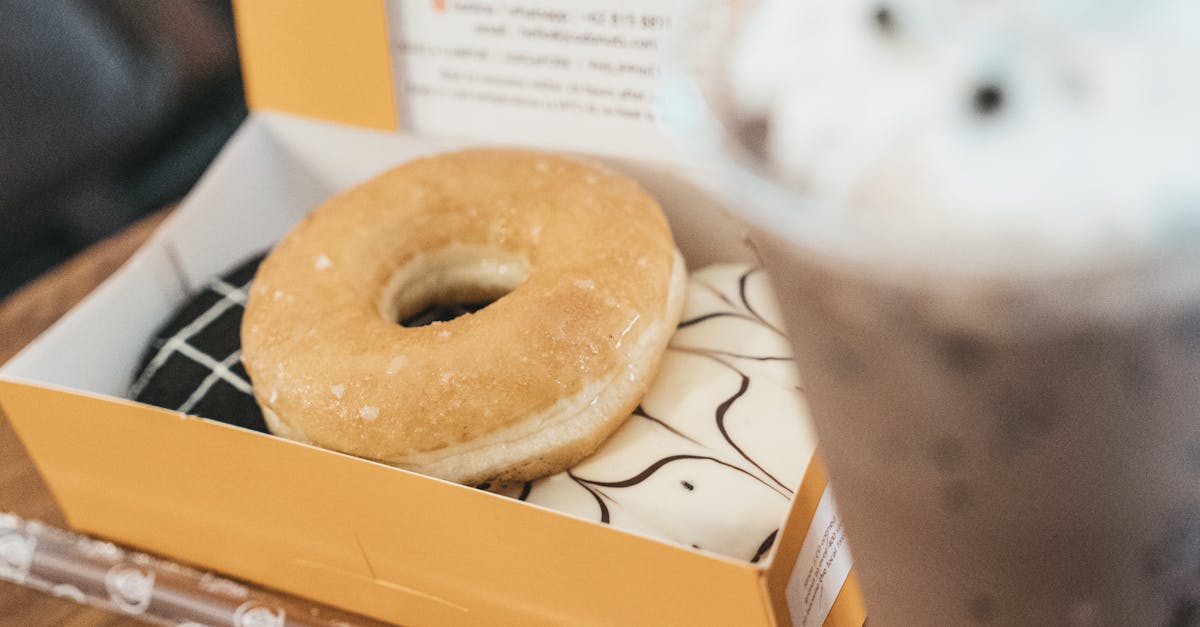
A donut can taste perfect and still feel unfinished. I learned that the hard way after a test batch of 24 yeast donuts looked bakery-pretty, then turned sad and blotchy the moment my glaze hit the surface.
Since then, I have tested donut frosting recipes the same way I test bread dough: by weight, by temperature, and by set time. I track what happens at 5 minutes, 15 minutes, and 60 minutes, because that is when shine turns to matte, and “set” turns into “sticky.” This guide gives you reliable formulas, clear steps, and the small warnings that save a whole batch.
Key Takeaways
- The most reliable donut frosting recipes come from weighing ingredients, adjusting liquids in 5 g steps, and tracking set at 5, 15, and 60 minutes for consistent shine and bite.
- Use powdered sugar for smooth, fast-dissolving glazes (and less weeping) while saving granulated sugar for heated or cooked frostings to avoid gritty results.
- Control finish with temperature: glaze at 90–100°F for a glossy set, dip warmer cake donuts at 110–120°F for crackle, and frost fully cooled donuts for buttercream or cream cheese.
- Choose liquids strategically—water sets fastest, milk stays softer, cream sets slower and richer, citrus juice loosens and brightens, and maple syrup adds flavor but reduces how much extra liquid you need.
- Prevent sticky glaze in humid weather by allowing 15–30 extra minutes to set, then add a little more sugar and re-dip thin instead of smearing the first coat.
- Get clean coverage by dipping only the top 1/3 inch, lifting and twisting once, setting on a wire rack, and adding toppings within 30–60 seconds so they actually stick.
Donut Frosting Basics: Texture, Sweetness, And Set Time
The first surprise is simple. Donut frosting is mostly physics, which means your results change fast when water, sugar, and heat shift.
When I test glazes, I measure viscosity by drip: a ribbon that disappears in 2 seconds gives a thin dip, and 4 seconds gives a thicker coat, which means you can control coverage without guessing.
“Set time” is not just drying. Set time is crystal structure forming as water leaves, which means humidity and donut warmth can change everything.
Choosing Powdered Sugar Vs Granulated Sugar
Powdered sugar dissolves fast, which means you get a smooth glaze with minimal stirring.
Granulated sugar needs heat or time, which means it can stay gritty if you rush.
I use powdered sugar for most donut frosting recipes because it contains a small amount of starch (often cornstarch), which means it helps prevent weeping on the surface.
Concrete test: I whisked 200 g powdered sugar + 30 g milk and got a smooth glaze in 45 seconds, which means it works for quick batches.
Liquids And Flavorings That Change Consistency
Every liquid pushes your glaze in a different direction, which means you should pick the liquid based on set and shine.
| Liquid | Typical use | What it changes | Which means… |
|---|---|---|---|
| Milk | classic glaze | moderate set | you get a soft bite that is not brittle |
| Water | thin sugar glaze | fastest set | you get a cleaner crackle on cake donuts |
| Heavy cream | rich glazes | slower set | you get a thicker, smoother coating |
| Citrus juice | lemon/orange/lime | higher acidity | you get brighter flavor with a slightly looser glaze |
| Maple syrup | maple glaze | adds water + sugar | you get maple flavor but need less extra liquid |
| Coffee/espresso | mocha | adds bitterness | you balance sweetness without extra cocoa |
I add liquids in 5 g steps, which means I stop the glaze before it turns runny.
How To Make Frosting That Sets Shiny (Or Stays Soft)
Shine comes from a smooth surface that levels before it sets, which means you need the right temperature and the right water content.
For shiny set glazes, I aim for 90–100°F glaze temperature on a cool donut, which means the glaze flows, then locks in place.
For soft glazes that stay a bit creamy, I add 1 teaspoon corn syrup per 1 cup powdered sugar, which means the sugar crystals stay smaller and the bite stays tender.
Humidity warning: The NOAA notes that higher humidity slows evaporation, which means glazes can stay tacky longer in wet weather. I plan 15–30 extra minutes on humid days. (Source: NOAA humidity basics)
My rule: If the glaze still feels sticky after 60 minutes, I thin it slightly and dip again, which means I build a cleaner shell instead of smearing the first coat.
Essential Tools And Ingredients For Consistent Results
The “aha” moment for me came from switching to a scale. My glazes stopped changing from batch to batch, which means my donuts looked the same every weekend.
Best Bowls, Whisks, And Thermometers (When To Use Them)
A wide bowl helps dipping, which means you avoid thick puddles and broken donut edges.
A small whisk beats a fork, which means you crush sugar clumps faster.
I use an instant-read thermometer for ganache and caramel glazes, which means I stop heating before the fat splits.
| Tool | What I use it for | Which means… |
|---|---|---|
| Digital scale | weigh sugar and liquids | you get repeatable thickness |
| Wide shallow bowl | dipping tops | you coat evenly with fewer drips |
| Offset spatula | scrape bowl and smooth thick frostings | you waste less frosting |
| Piping bag + round tip | buttercream rings or fills | you control portion size |
| Thermometer | chocolate and caramel | you avoid grainy or broken glazes |
Coloring, Extracts, Cocoa, And Specialty Ingredients
Gel food color stays concentrated, which means you do not thin your glaze.
Natural cocoa powder adds flavor and color but absorbs water, which means you often need 5–10 g extra liquid.
Extract warning: Too much extract can thin frosting, which means you should cap it at 1 teaspoon per batch unless the recipe says more.
For tangy donut toppings, I often pair donuts with a creamy spread vibe like my bagel-style cream cheese dip ideas, which means you can borrow flavor combos that already work. You can see that approach in this bagel dip with cream cheese recipe.
Classic Donut Glazes (Vanilla And Simple Sugar)
A plain glaze can look boring. Then it hits the light and turns into that thin, glassy shell, which means people reach for a second donut before they finish the first.
Below are my core donut frosting recipes for classic glazes. Each one includes weights, which means you can scale up cleanly.
Vanilla Glaze That Sets Smooth And Glossy
This is my everyday yeast-donut glaze, which means it works for rings, twists, and filled donuts.
Ingredients (makes enough for 10–12 donuts)
- 240 g powdered sugar (about 2 cups), which means a strong base for set.
- 45–60 g milk (3–4 Tbsp), which means you control thickness.
- 1 tsp vanilla extract, which means you get bakery aroma.
- 1 tsp light corn syrup (optional), which means more shine.
- Pinch of salt, which means sweetness tastes cleaner.
Steps
- Whisk sugar, salt, vanilla, and 45 g milk, which means you start thick.
- Add milk in 5 g steps until the glaze ribbons and disappears in 2–3 seconds, which means it will dip without running off.
- Dip donut tops and lift straight up, which means you avoid side streaks.
- Let set 15–20 minutes, which means you get a dry-to-touch shell.
My test note: At 55 g milk in a 70°F kitchen, the glaze set in 18 minutes, which means it is reliable for parties.
Old-Fashioned Crackle Glaze For Cake Donuts
Crackle glaze looks like tiny ice sheets, which means cake donuts get that classic shop look.
Ingredients
- 200 g powdered sugar, which means fast dissolve.
- 30 g hot water (about 2 Tbsp), which means quick set.
- 1/2 tsp vanilla or 1/4 tsp almond extract, which means sharper aroma.
Steps
- Stir sugar and extract, then add hot water, which means the glaze thins fast.
- Dip warm cake donuts (about 110–120°F), which means the top sets in micro-cracks.
- Let stand 10 minutes, which means the crackle pattern locks.
Warning: Do not over-stir once smooth, which means you avoid air bubbles that dry dull.
Citrus Glazes (Lemon, Orange, And Lime)
Citrus glaze smells loud in the best way, which means the first bite feels brighter even on a heavy donut.
Base formula
- 240 g powdered sugar, which means stable set.
- 30–45 g citrus juice, which means real fruit bite.
- Zest of 1 citrus, which means aroma hits before sweetness.
- Pinch of salt, which means the flavor tastes “bigger.”
Steps
- Whisk sugar, salt, and zest, which means you spread oils through the glaze.
- Add juice in small steps, which means you keep a dip thickness.
- Dip cool donuts and let set 20 minutes, which means the surface stays smooth.
Data point: One medium lemon gives about 45 g juice, which means one lemon often makes a full batch.
Chocolate Frostings And Ganache-Style Dips
Chocolate frosting changes a donut’s whole mood. One dip and you go from breakfast to “hide these from everyone,” which means presentation matters.
I use two chocolate paths: cocoa glazes for speed, and ganache for depth.
Chocolate Glaze With Cocoa Powder (Quick Dip)
This glaze mixes in minutes, which means it fits weekday baking.
Ingredients
- 220 g powdered sugar, which means structure.
- 25 g unsweetened cocoa powder (about 1/4 cup), which means chocolate flavor without a bar.
- 45–70 g milk, which means you tune flow.
- 1 tsp vanilla, which means rounder flavor.
- Pinch of salt, which means the cocoa tastes less flat.
Steps
- Sift sugar and cocoa, which means you prevent cocoa specks.
- Whisk in 45 g milk and vanilla, which means you form a paste.
- Add milk to reach a 3-second ribbon, which means you get a thicker chocolate cap.
Warning: Cocoa dries the surface faster, which means you should add sprinkles right after dipping.
Chocolate Ganache Dip (Rich, Bakery-Style)
Ganache gives you that deep snap-soft finish, which means the donut feels like a dessert case item.
Ingredients
- 170 g semi-sweet chocolate, chopped, which means even melt.
- 170 g heavy cream, which means a 1:1 ganache that sets.
- 15 g corn syrup (optional), which means extra shine.
- Pinch of salt, which means the chocolate tastes darker.
Steps
- Heat cream to 180–190°F, which means it melts chocolate without scorching.
- Pour over chocolate and rest 2 minutes, which means the chocolate softens fully.
- Stir from the center until glossy, which means you form a stable emulsion.
- Cool to 90–95°F before dipping, which means it coats without sliding.
Source check: USDA food safety guidance recommends keeping perishable dairy foods out at room temp for more than 2 hours, which means you should not leave ganache donuts out all day. (Source: USDA FoodKeeper)
Chocolate Peanut Butter Glaze
This one tastes like a candy bar, which means kids and adults both go quiet on the first bite.
Ingredients
- 200 g powdered sugar, which means set.
- 30 g cocoa powder, which means chocolate backbone.
- 45 g milk, which means flow.
- 45 g creamy peanut butter, which means richness.
- Pinch of salt, which means peanut flavor pops.
Steps
- Warm peanut butter 10 seconds in the microwave, which means it blends smoothly.
- Whisk everything until glossy, which means fat disperses evenly.
- Dip and let set 25 minutes, which means the top stays sliceable, not sticky.
If you like sweet-and-salty snack energy, you can pair these donuts with a crunchy side like these Buffalo Wild Wings-style potato wedges, which means you can build a party tray with contrast.
Maple, Caramel, And Brown Sugar Frostings
Maple glaze smells like weekend mornings. Then brown butter hits, and it feels like someone turned the volume up, which means a simple donut becomes “special.”
Maple Glaze With Real Maple Flavor
I use real maple syrup, not imitation, which means the flavor reads as maple instead of “sweet.”
Ingredients
- 240 g powdered sugar, which means set.
- 60 g real maple syrup (1/4 cup), which means true maple flavor.
- 15–30 g milk or cream, which means thickness control.
- Pinch of salt, which means balance.
Steps
- Whisk sugar, salt, and maple syrup, which means you build the base.
- Add milk in small steps until you get a 2–3 second ribbon, which means it dips clean.
- Dip cool donuts and set 20 minutes, which means the finish stays smooth.
Data point: Pure maple syrup is about 33% water, which means you often need less extra liquid than you think.
Brown Butter Maple Glaze
Brown butter smells like toasted nuts, which means the glaze tastes deeper without extra ingredients.
Ingredients
- 56 g butter (4 Tbsp), browned, which means concentrated flavor.
- 240 g powdered sugar, which means set.
- 50 g maple syrup, which means maple base.
- 10–25 g milk, which means flow control.
- Pinch of salt, which means clarity.
Steps
- Brown butter until you see amber bits and smell toast, which means you hit the right point.
- Cool butter 5 minutes, which means it does not melt the sugar into lumps.
- Whisk everything and adjust with milk, which means you match donut style.
Caramel Glaze That Sets Without Getting Sticky
Sticky caramel glaze feels great at first. Then it grabs your fingers and smears, which means serving gets messy.
This version uses a cooked caramel base plus powdered sugar, which means it sets cleaner.
Ingredients
- 50 g brown sugar, which means caramel notes.
- 56 g butter, which means richness.
- 60 g heavy cream, which means smooth texture.
- 180–220 g powdered sugar, which means set control.
- Pinch of salt, which means the flavor stays sharp.
Steps
- Melt butter and brown sugar and simmer 2 minutes, which means sugar dissolves.
- Add cream and simmer 1 minute, which means you smooth the caramel.
- Cool to 120°F, then whisk in powdered sugar, which means you avoid a greasy split.
- Dip and set 30 minutes, which means the surface dries better.
Warning: Do not pour boiling caramel over powdered sugar, which means you avoid hard clumps that never dissolve.
Creamy Frostings For Piped Or Thick-Spreading Donuts
A thick frosting changes the bite. You feel the frosting first, then the donut, which means you should match sweetness to the dough.
These frostings work best on cooled donuts, which means they hold shape.
American Buttercream For Filled And Yeast Donuts
This is the classic bakery swirl frosting, which means you can pipe rings and stack donuts without smearing.
Ingredients (pipes 10–12 donuts)
- 113 g butter, softened, which means a smooth base.
- 360 g powdered sugar (3 cups), which means structure.
- 30–45 g milk or cream, which means pipe control.
- 1 tsp vanilla, which means aroma.
- Pinch of salt, which means balance.
Steps
- Beat butter 2 minutes, which means it traps air.
- Add sugar in 3 additions, which means you avoid a sugar cloud.
- Add milk slowly until it holds a soft peak, which means it pipes clean.
My test note: A 1M tip makes a tall spiral, which means you get the “shop case” look.
Cream Cheese Frosting For Tangy Toppings
Cream cheese cuts sweetness, which means rich donuts feel less heavy.
Ingredients
- 113 g cream cheese, softened, which means smooth texture.
- 56 g butter, softened, which means stability.
- 240–300 g powdered sugar, which means you choose firmness.
- 1 tsp vanilla + pinch of salt, which means better balance.
Steps
- Beat cream cheese and butter 90 seconds, which means you remove lumps.
- Add sugar until thick, which means it holds on the donut.
If you want a bright fruit pairing, I sometimes serve these with something peachy like this “a cup a cup a cup” peach cobbler recipe, which means dessert tables feel planned, not random.
Whipped Frosting Options For Lighter Texture
Whipped frosting feels airy, which means it eats less sweet even when the sugar is similar.
Option A: Whipped chocolate ganache
- Chill 1:1 ganache until thick, then whip 30–45 seconds, which means it turns mousse-like.
Option B: Whipped cream topping (same-day only)
- Whip 240 g heavy cream + 30 g powdered sugar to soft peaks, which means you get cloud texture.
Storage warning: Whipped cream breaks after about 24 hours in the fridge, which means you should serve the same day.
Flavor Variations And Mix-Ins (Build Your Own)
Once you nail the base, flavor gets fun fast. One drop or one spoon can shift the whole donut, which means you can build a menu from one dough batch.
I treat every add-in as either a dry thickener or a wet loosener, which means I keep control.
Coffee, Espresso, And Mocha Frostings
Coffee turns sweet into “grown-up” in one bite, which means chocolate donuts stop tasting flat.
Mocha glaze formula
- 240 g powdered sugar, which means set.
- 20 g cocoa powder, which means chocolate.
- 30 g strong espresso (or 2 tsp instant espresso + 30 g hot water), which means clear coffee flavor.
- 10–20 g milk, which means dip thickness.
Steps
- Whisk dry ingredients, then add espresso, which means the cocoa blooms.
- Add milk to reach a 2–3 second ribbon, which means clean coverage.
Data point: I brew espresso to about 1:2 ratio (18 g coffee to 36 g yield), which means the flavor stays strong in sugar.
Fruit-Based Options: Strawberry, Raspberry, And Freeze-Dried Fruit
Freeze-dried fruit powders add flavor without extra water, which means your glaze stays thick.
Fruit glaze add-in
- Add 10–15 g freeze-dried fruit powder per 240 g powdered sugar, which means you get clear fruit taste.
If you need a spicy-sweet contrast on a brunch table, I like a small jar of heat like this best pickled habanero recipe, which means guests can add a tiny kick to savory items next to the donuts.
Warning: Fresh berry puree adds water, which means you must reduce it on the stove first.
Quick reduction method: Simmer 150 g puree to 90 g (about 10 minutes), which means you concentrate flavor and lower water.
Spices And Warm Flavors: Cinnamon, Chai, And Pumpkin Spice
Spice reads as warmth, which means donuts taste “seasonal” without food coloring.
Spice mix-ins
- Cinnamon: 1 tsp per batch, which means a clear cinnamon note.
- Chai spice: 1 1/2 tsp, which means ginger-cardamom warmth.
- Pumpkin spice: 2 tsp plus 1/2 tsp vanilla, which means classic fall aroma.
Clove warning: Keep clove under 1/8 tsp, which means it does not dominate.
How To Dip, Drizzle, Pipe, And Finish Donuts Cleanly
The cleanest donut tops come from one boring step. I wait.
That short pause changes everything, which means the frosting sits on top instead of soaking in.
Best Donut Temperature For Frosting (Warm Vs Cool)
For shiny glazes, I glaze donuts when they feel barely warm, around 90–100°F, which means the glaze levels.
For crackle glazes, I glaze cake donuts warmer, around 110–120°F, which means the top fractures into that classic pattern.
For buttercream and cream cheese, I frost fully cool donuts, under 80°F, which means the fat stays firm.
Dipping Technique For Even Coverage And Minimal Drips
I hold the donut upside down and dip only the top 1/3 inch, which means I avoid side runs.
I lift, then twist my wrist once, which means excess falls back into the bowl instead of down the donut.
Set station method: I place dipped donuts on a wire rack over a sheet pan, which means drips do not glue the donut to the counter.
Toppings That Stick: Sprinkles, Nuts, Coconut, And Crumbs
Toppings need timing. You get about 30–60 seconds after dipping, which means you should stage toppings before you start.
| Topping | Best frosting base | Best timing | Which means… |
|---|---|---|---|
| Sprinkles | vanilla glaze, chocolate glaze | immediately | you get full coverage instead of bald spots |
| Toasted nuts | ganache, caramel | within 30 seconds | you get grip before the surface films |
| Coconut flakes | citrus glaze, cream cheese | immediately | you get a clean white contrast |
| Cookie crumbs | buttercream | press after piping | you avoid soggy crumbs |
Nut warning: Chop nuts to 3–5 mm pieces, which means they stick better and slice cleaner.
Storage, Make-Ahead, And Troubleshooting
Fresh donuts feel like magic for about two hours. Then the glaze can sweat, the crumb can toughen, and the shine can fade, which means storage matters.
How To Store Frosted Donuts Without Sweating Or Smearing
I store glazed donuts in a single layer in a box with the lid slightly cracked for 10 minutes, which means steam escapes.
Then I close the lid and keep them at cool room temp for up to 24 hours, which means the glaze stays cleaner than in the fridge.
Fridge warning: The fridge adds moisture on the surface when you pull donuts out, which means glaze can turn wet and sticky.
Make-Ahead Frosting Tips And Reheating Methods
You can make most glazes 3 days ahead and refrigerate, which means you can batch work for events.
I rewarm glaze in 10-second microwave bursts, then whisk, which means I avoid scorching.
For ganache, I rewarm to 90–95°F, which means it dips glossy again.
Fixes For Runny, Grainy, Dull, Or Too-Thick Frosting
Small fixes save batches, which means you do not need to trash a bowl of frosting.
| Problem | Cause | Fix | Which means… |
|---|---|---|---|
| Runny glaze | too much liquid | whisk in 15–30 g powdered sugar | you bring back coating power |
| Too thick | not enough liquid | add 5 g milk at a time | you prevent heavy ridges |
| Grainy | sugar not dissolved | let sit 5 minutes, then whisk | you give crystals time to melt |
| Dull finish | glaze too cold or overworked | warm to 90°F and stir gently | you restore shine |
| Sticky after 1 hour | high humidity or too much syrup | add a bit more sugar, dip again thin | you build a drier shell |
Safety note: If your frosting contains dairy, I follow the 2-hour room temperature rule, which means I reduce risk for guests. (Source: FDA Food Code basics)
Conclusion
Good donut frosting recipes do not need fancy tricks. They need measured sugar, controlled liquid, and the right donut temperature, which means your glaze stops being a gamble.
If you try only one change, use a scale and track set time at 15 minutes. That one habit will make your donuts look consistent, which means they will feel bakery-made even in a home kitchen.
Frequently Asked Questions About Donut Frosting Recipes
What are the most reliable donut frosting recipes for a classic glossy glaze?
A dependable vanilla glaze uses powdered sugar, milk, vanilla, and a pinch of salt. For about 10–12 donuts, whisk 240 g powdered sugar with 45–60 g milk, then adjust liquid in 5 g steps to a 2–3 second ribbon. Dip and let set 15–20 minutes.
Why does my donut glaze turn sticky or dull after it sets?
Sticky or dull glaze is usually caused by humidity, donut warmth, or a glaze that’s too cold or overworked. High humidity slows evaporation, so allow 15–30 extra minutes. If it’s still sticky after 60 minutes, thin slightly and re-dip to build a cleaner, drier shell.
Powdered sugar vs granulated sugar: which is better for donut frosting recipes?
Powdered sugar is better for most donut frosting recipes because it dissolves quickly and creates a smooth glaze with minimal stirring. It often contains a small amount of starch that helps reduce weeping. Granulated sugar typically needs heat or extra time and can stay gritty if rushed.
How do I get a crackle glaze on cake donuts like old-fashioned shops?
Use a hot-water glaze and dip warmer cake donuts. Mix 200 g powdered sugar with 30 g hot water plus vanilla or almond extract, stirring just until smooth. Dip donuts around 110–120°F, then let stand about 10 minutes. Avoid over-stirring to prevent dull, bubbly tops.
Can I make donut frosting recipes ahead of time, and how do I rewarm them?
Yes—most glazes can be made up to 3 days ahead and refrigerated. Rewarm in 10-second microwave bursts, whisking between bursts to prevent scorching. For ganache-style dips, rewarm to about 90–95°F so it coats smoothly without sliding off the donut.
What’s the best way to color donut frosting without making it runny?
Use gel food coloring, which is concentrated and adds minimal liquid, helping donut frosting recipes keep their intended thickness and set time. Add color a little at a time and mix gently. If you accidentally thin the glaze, correct it by whisking in more powdered sugar.
