
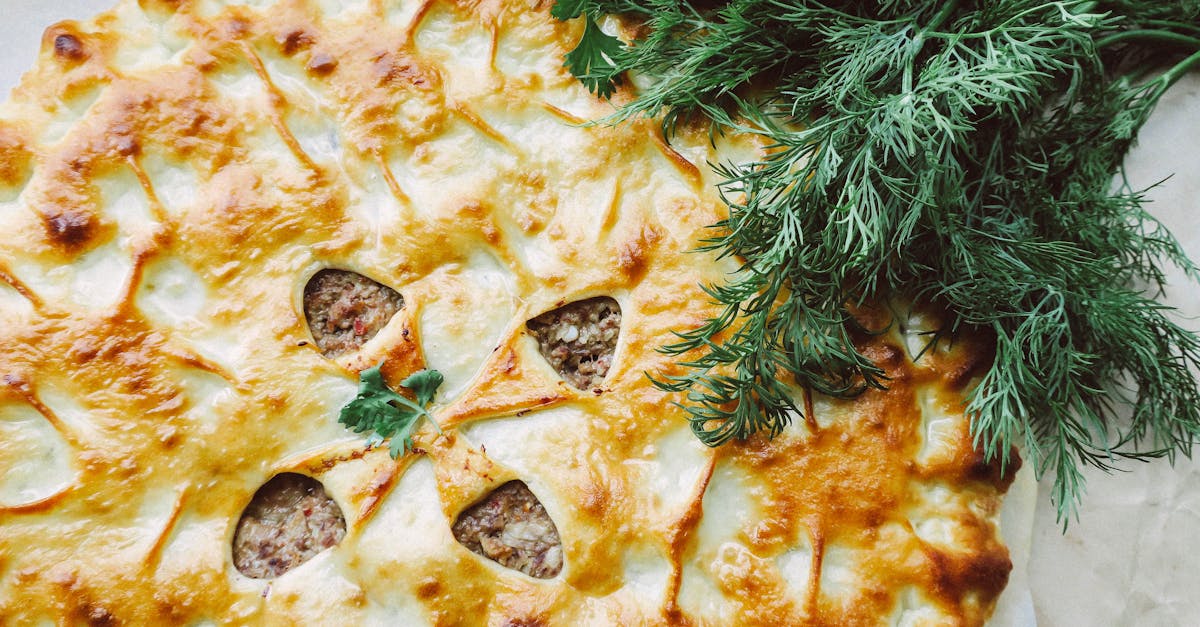
The first time I mixed dill into plain dough, the kitchen smell changed in about 30 seconds. It went from “basic bread day” to something sharper and greener, like a pickle brine note, but warm and bready.
This dill dough recipe gives you one base dough that can become soft rolls, pull-apart bread, or thin flatbreads. I’ll show you the exact steps I use, the measurements for fresh vs dried dill, and the fixes that matter when dough acts weird. I also include real timing, temperature targets, and storage options so you can bake on your schedule.
Key Takeaways
- This dill dough recipe uses one flexible base dough that you can turn into soft rolls, pull-apart bread, or thin flatbreads with small changes in shaping and cooking method.
- Measure dill correctly to avoid bitterness: use 18–25 g chopped fresh dill per 500 g flour or just 2–3 g dried dill weed, and keep dried dill closer to 2 tsp if adding lots of butter or cheese.
- Hit the core process cues—10-minute rest after mixing, knead until the dough passes a windowpane test, and proof until puffy—to get a soft crumb and reliable rise.
- Bake by temperature, not color: aim for 195–205°F internal temp for oven-baked bread and let it rest 10–12 minutes before slicing to prevent a gummy center.
- Choose your finish and pairings to make the herb flavor pop: brush hot bread with dill butter and lemon, and serve dill dough with creamy soups, yogurt dips, or lemony fish.
- Make it fit your schedule by refrigerating the dough 8–24 hours for better flavor, or freeze shaped rolls so you can bake only what you need later.
What Dill Dough Is And When To Use It
Dill dough is bread dough that includes dill (fresh or dried), which means you get a bright herb aroma and a savory finish without needing extra sauces.
I use it when I want bread that tastes “finished” even with just butter. It also works when dinner feels plain, which means the bread can carry the meal.
“Dill behaves like a flavor highlighter in dough. It pulls forward butter, yogurt, garlic, lemon, and fish.”
A typical dill dough sits in the 60–70% hydration range (water as a percentage of flour), which means it can shift from structured rolls to flexible wraps with small tweaks.
Concrete example: I make one batch (about 900 g of dough) and bake half as rolls while I cook the other half as skillet flatbreads. That split gives me dinner bread plus next-day sandwich wraps.
Fresh Vs Dried Dill: Flavor And Measurement Differences
Fresh dill tastes grassy and citrusy, which means it reads “fresh” even after baking.
Dried dill tastes more concentrated and slightly woody, which means you need less of it and you need to avoid overdoing it.
Here’s the swap I use in this dill dough recipe:
| Dill type | Amount to use (for 500 g flour) | What you’ll notice | Which means… |
|---|---|---|---|
| Fresh dill (chopped) | 18–25 g (about 1 loose cup) | Bright, clean herbal aroma | which means the bread tastes fresh without extra toppings |
| Dried dill weed | 2–3 g (about 2–3 tsp) | Stronger, more “dill pickle” | which means you get punchy flavor with less bulk |
| Dill seed (optional) | 1–2 g (1–2 tsp) | Caraway-like warmth | which means the bread pairs better with roasted meats and rye-style spreads |
Warning: Dried dill gets bitter faster in hot fat. If you add a lot of butter or cheese, keep dried dill closer to 2 tsp.
Best Pairings: Soups, Dips, Fish, And Roasted Vegetables
Dill dough loves foods with acidity or fat, which means it matches meals that feel rich or tangy.
- Salmon, trout, or white fish with lemon, which means the bread echoes the same flavor family as the fish.
- Creamy soups (potato, mushroom, chicken), which means the bread “cuts” the richness.
- Roasted carrots or beets with yogurt sauce, which means you get sweet + tang + herb in one bite.
- Dips like tzatziki or whipped feta, which means the dough works like a built-in cracker.
Specific number: I aim for 10–12 minutes rest after baking before slicing. That short pause lets steam settle, which means the crumb stays soft instead of gummy.
If you want a strong dip pairing, I often make this dough and serve it with a bright dressing like my pineapple dressing, which means you get sweet-acid contrast against the herb bread.
Ingredients And Equipment You’ll Need
Good dill dough does not need fancy gear. It needs accurate amounts and temperature control, which means your results stay repeatable.
I test dough by weight. A $12 digital scale saves more batches than any special flour.
Core Ingredients And Smart Substitutions
This is my base formula for one medium batch.
Dill Dough Base (makes ~10 rolls or 6–8 flatbreads)
| Ingredient | Amount | Purpose | Which means… |
|---|---|---|---|
| Bread flour (or AP flour) | 500 g | Structure | which means better rise and chew |
| Warm water (95–105°F) | 320 g | Hydration | which means dough stays flexible, not dry |
| Instant yeast | 7 g (2 1/4 tsp) | Lift | which means a reliable rise without long fermentation |
| Fine salt | 10 g (1 3/4 tsp) | Flavor control | which means the dill tastes sharper, not flat |
| Sugar or honey | 10 g (about 2 tsp) | Yeast support | which means faster proof and better browning |
| Olive oil (or neutral oil) | 25 g (2 tbsp) | Tenderness | which means softer crumb and easier shaping |
| Fresh dill or dried dill | 18–25 g fresh or 2–3 g dried | Signature flavor | which means the bread tastes herby even when plain |
Substitutions that actually work (I’ve tested them):
- Use all-purpose flour instead of bread flour, which means you get a softer bite with slightly less height.
- Use milk for half the water, which means a richer crumb and gentler dill note.
- Use active dry yeast instead of instant (same grams), which means you should dissolve it in the warm water for 5 minutes first.
Food safety and accuracy note: The USDA defines the safe minimum internal temperature for cooked egg dishes as 160°F (USDA FSIS safe temperature chart), which means if you enrich dough with eggs (see variations), you should bake until the bread is fully set and not underdone in the center.
Optional Add-Ins: Garlic, Lemon Zest, Cheese, And Seeds
Add-ins can make dill dough taste like a full appetizer, which means you can serve it with less extra food.
I use these ranges per 500 g flour:
| Add-in | Amount | Best for | Which means… |
|---|---|---|---|
| Garlic (minced) | 6–12 g (2–4 cloves) | rolls, pull-apart bread | which means you get instant “garlic bread” energy |
| Lemon zest | 2–4 g (1–2 lemons) | fish dinners, wraps | which means dill tastes brighter, not heavy |
| Feta or shredded cheddar | 60–120 g | rolls, stuffed bread | which means pockets of salt and melt keep bread exciting |
| Sesame or poppy seeds | 8–15 g | flatbreads, crust | which means the surface stays fragrant and crisp |
Honest assessment: Cheese can slow rise. Fat and salt weigh dough down, which means you should expect the first rise to take 15–30 minutes longer.
If you like bold savory add-ins, you may also like spicy crunch toppings. I pull ideas from these Trader Joe’s chili onion crunch recipes, which means you can turn simple dill flatbread into a snack plate fast.
Equipment list (minimal but real):
- Digital scale, which means consistent hydration.
- Large bowl with lid or wrap, which means the dough does not dry out.
- Bench scraper (or sturdy spatula), which means cleaner shaping.
- Sheet pan or skillet, which means you can bake or cook without extra tools.
- Instant-read thermometer (optional), which means you can verify water temp and avoid yeast damage.
How To Make Dill Dough Step By Step
When this dough comes together, it looks shaggy for about 90 seconds. Then it turns smooth and elastic, and the dill specks streak through like confetti.
I wrote the steps below in the order I follow in my own kitchen, which means you can copy my flow without guessing.
Mixing And Kneading: Hand Method Vs Stand Mixer
Step 1: Mix the base.
I add water, yeast, sugar, and oil to a bowl. I stir for 15 seconds, which means the yeast disperses evenly.
I add flour, salt, and dill. I stir until no dry flour remains, which means you avoid flour pockets later.
Step 2: Rest (autolyse-style).
I rest the shaggy dough for 10 minutes. This short rest hydrates flour, which means kneading gets easier and faster.
Step 3: Knead.
- By hand: I knead 8–10 minutes on a clean counter.
- Stand mixer: I mix with a dough hook on medium-low for 6–7 minutes.
I stop when the dough feels smooth and slightly tacky. It should not feel wet like batter, which means it will shape without tearing.
Quick test: I pull a walnut-size piece and stretch it thin. If it forms a “window” without ripping fast, gluten is ready, which means the dough can trap gas and rise well.
First Rise, Shaping, And Second Proof
Step 4: First rise.
I place the dough in a lightly oiled bowl. I cover it.
I let it rise until it doubles, which usually takes 60–90 minutes at 72°F.
Concrete temperature note: At 78°F, my rise time drops to about 45–60 minutes, which means warm kitchens speed everything up.
Step 5: Shape.
For rolls, I divide into 10 pieces of ~85–90 g. I shape tight balls, which means you get a higher, softer roll.
For flatbreads, I divide into 6 pieces of ~145–150 g. I shape into smooth rounds, which means they roll out evenly.
Step 6: Second proof.
I proof on a pan for 25–45 minutes until puffy. The dough should spring back slowly when poked, which means it still has gas left for oven spring.
Baking Or Cooking Options: Oven, Skillet, Or Grill
You can finish dill dough three ways. Each method changes texture, which means you can match the bread to the meal.
Option A: Oven (best for rolls and pull-apart bread)
I heat the oven to 425°F.
I bake rolls for 14–18 minutes until golden. I aim for 195–205°F internal temp on an instant-read thermometer, which means the crumb sets and does not feel gummy.
Steam trick: I place a small metal pan on the oven floor and pour in 1/2 cup hot water at the start. Steam improves oven spring, which means taller rolls with thinner crust.
Option B: Skillet (best for flatbreads)
I heat a cast-iron skillet over medium-high for 4 minutes.
I roll each piece to 1/8–1/4 inch and cook 60–90 seconds per side. I watch for brown spots.
Those spots mean fast surface heat, which means you get a soft inside with a toasty outside.
Option C: Grill (best for smoky flatbreads)
I preheat a gas grill to 450–500°F.
I grill flatbread 1–2 minutes per side with the lid closed.
Warning: Dill burns fast over open flame. Herbs char quickly, which means you should oil the dough lightly and flip as soon as bubbles rise.
If you want another outdoor breakfast use for flatbreads, I also tested griddle-style cooking when I worked on how to cook pancakes on a grill, which means the same heat control skills transfer directly.
Dill Dough Variations By Style
One dough can feel like three different breads with small changes. That shift feels like a magic trick the first time you do it.
I use the same base recipe and change fat, thickness, and bake method, which means I do not need three separate dough recipes.
Soft Dinner Rolls And Pull-Apart Bread
For softer rolls, I add 30 g milk powder or replace 120 g water with milk.
Milk solids boost browning and tenderness, which means the rolls stay soft for longer.
Pull-apart method: I place 10 dough balls into a buttered 9-inch pan. I bake at 375°F for 22–28 minutes.
Lower heat gives the center time to cook, which means the middle rolls do not stay doughy.
Specific example: I brush the hot bread with 18 g melted butter mixed with 1 g salt and 1 tsp chopped dill. That brush soaks in fast, which means the crust turns fragrant instead of dry.
Thin Flatbreads, Pitas, And Wraps
For wraps, I increase water to 340 g (instead of 320 g).
Higher hydration improves flexibility, which means the bread bends without cracking.
- For thin flatbreads, I roll to 2–3 mm.
- For pita-style, I roll to 5–6 mm and cook at high heat.
High heat creates fast steam inside. Steam makes pockets, which means you can stuff them.
Method note from my tests: I get the best pockets when the skillet surface sits near 450°F (measured with an infrared thermometer). That heat gives rapid puffing, which means fewer dense pitas.
Enriched Vs Lean Dough: Choosing For Texture And Flavor
Lean dill dough uses water + oil only. It tastes clean and sharp, which means dill stays the main note.
Enriched dill dough adds egg, milk, or extra fat. It tastes rounder and softer, which means it works better for sandwiches.
Here is my quick chooser:
| Goal | Choose | Add | Which means… |
|---|---|---|---|
| Strong dill punch | Lean | keep oil at 25 g | which means dill stays bright and obvious |
| Soft, fluffy rolls | Enriched | add 1 egg (50 g) and reduce water by 50 g | which means the crumb turns tender and rich |
| Wraps that don’t crack | Slightly higher hydration | water 340 g | which means the bread folds cleanly |
Warning: Extra egg and sugar brown faster. Faster browning can hide underbaking, which means you should check internal temp before pulling bread early.
Troubleshooting And Technique Fixes
Dough can fail in quiet ways. It looks fine, then it bakes into a brick.
I use simple checks and fast fixes, which means I waste less flour and time.
Why Dough Is Sticky, Dense, Or Not Rising
Sticky dough usually comes from high hydration or under-kneading.
- I add 10–20 g flour only if the dough pours like thick batter. Small flour adds control, which means you keep the dough soft instead of dry.
- I knead for 2 more minutes before adding flour. Gluten development reduces stickiness, which means you do not “flour your way” into dense bread.
Dense dough usually comes from low fermentation or cold yeast.
- I check my water temp. Yeast works best around 95–105°F, which means lukewarm water speeds the start.
- I extend the first rise by 20–40 minutes if the kitchen is cool.
Not rising at all usually means dead yeast or too-hot water.
- I test yeast in warm water with sugar for 5 minutes. Foam shows yeast activity, which means the batch will rise.
Data point: Instant yeast can start losing viability faster when stored warm. I keep mine in the freezer and label the bag with the date, which means I avoid silent failures.
Getting A Strong Dill Flavor Without Bitterness
Bitterness often comes from too much dried dill or scorched herb bits.
I build dill flavor in layers:
- I use fresh dill in the dough.
- I add 1 tsp dill seed for warmth.
- I brush with dill butter after baking.
Layering spreads flavor across fat and crumb, which means you get strong dill without harshness.
Practical warning: I avoid blending dill into a paste with oil in a food processor for this dough. That process bruises herbs, which means the flavor can turn muddy.
Preventing Dryness: Hydration, Proofing, And Baking Cues
Dry bread usually comes from too much flour, overbaking, or underproofing.
I prevent it with three cues:
- I stop adding flour early. A tacky dough bakes softer, which means the crumb stays moist.
- I proof until puffy. Underproofed dough tears and dries out, which means it feels tight and bready.
- I pull bread at temp. I aim for 195–205°F.
Specific example: When I baked rolls to “color only,” I got pretty crust and a dry center. When I baked to 200°F, the crumb stayed soft the next day, which means temperature beat guesswork.
“Color lies. Temperature tells the truth.”
Make-Ahead, Storage, And Freezing
Make-ahead dough feels like time travel. You do the work once, then you bake when you actually want bread.
Cold dough also develops flavor slowly, which means dill tastes more rounded.
Refrigerating Dough Overnight And Timing The Bake
I mix and knead as usual. I cover the bowl.
I refrigerate the dough for 8–24 hours.
Cold slows yeast. Slow rise builds flavor, which means the bread tastes “aged” without sourdough effort.
Next day plan:
- I let dough sit at room temp for 45–75 minutes.
- I shape, then proof 30–60 minutes.
Warning: If the dough doubles in the fridge, I punch it down once. That degas prevents collapse, which means a better final rise.
Freezing Shaped Dough And Baked Bread
Freezing shaped dough:
I shape rolls. I freeze them on a sheet pan for 60–90 minutes.
I transfer frozen rolls to a bag.
That flash-freeze prevents sticking, which means you can bake only what you need.
To bake: I thaw in the fridge overnight, then proof at room temp until puffy (often 60–90 minutes).
Freezing baked bread:
I cool completely for 2 hours. I wrap tightly.
Cooling avoids trapped steam. Less steam prevents freezer ice, which means better texture after thaw.
Reheating And Refreshing For Best Texture
I reheat rolls at 325°F for 8–10 minutes.
I sprinkle a few drops of water on the crust first.
That water makes light steam, which means the crust softens and the crumb wakes up.
For flatbreads, I reheat in a dry skillet for 20–30 seconds per side.
Dry skillet heat restores surface toast, which means wraps taste fresh again instead of rubbery.
Serving Ideas And Finishing Touches
The best part hits when you tear the bread open and the dill aroma rises like warm green air. It feels simple and a little luxurious.
Finishes matter because dill can fade after baking. A topping brings it back, which means your first bite tastes as strong as the smell.
Dill Butter, Garlic Oil, And Yogurt-Based Dips
Dill butter (my go-to):
I mash 60 g softened butter with 6 g chopped fresh dill, 1 g salt, and 1 tsp lemon juice.
Acid brightens herbs. Bright herbs taste fresher, which means the bread feels lighter.
Garlic oil:
I warm 30 g olive oil with 1 grated garlic clove for 60 seconds, then I stop the heat.
Short heating tames garlic bite, which means you get aroma without harsh burn.
Yogurt dip:
I stir 200 g Greek yogurt, 1/2 tsp salt, 1 tbsp dill, and 1 tbsp lemon.
Yogurt adds tang and protein, which means the bread snack feels more filling.
If you want a sweet contrast for a brunch spread, pair dill rolls with a quick dessert like this easy donut glaze, which means the table feels complete without extra work.
Sandwich And Snack Uses: Stuffed Rolls And Pinwheels
I slice dill rolls and stuff them with:
- smoked salmon + cucumber, which means you get a classic deli flavor at home.
- turkey + mustard + pickles, which means dill echoes the pickle note.
For pinwheels, I flatten dough into a rectangle and spread softened cream cheese + dill + lemon zest.
I roll it tight and slice.
Tight rolling creates even spirals, which means every piece carries filling.
Specific example: I slice pinwheels to 1 inch and bake at 400°F for 16–20 minutes. That size cooks through fast, which means the centers stay tender.
If you want another savory direction, you can pair dill flatbreads with smoky meat. I like the salt-and-spice profile from this Cajun tasso recipe, which means the herb bread balances heat and smoke.
Conclusion
This dill dough recipe gives you one dependable base that turns into rolls, pull-apart bread, or flatbreads with small changes. That flexibility means you can bake for a weekday soup or a weekend spread without learning a new method.
When you bake it, chase three things: dough feel, proof height, and internal temp. Those checks beat guesswork, which means you get soft bread with clear dill flavor every time.
If you try one upgrade first, brush hot bread with dill butter and lemon. The aroma jumps back to life, which means the last bite tastes as good as the first.
Frequently Asked Questions About Dill Dough
What is a dill dough recipe, and what can I make with it?
A dill dough recipe is a basic yeast bread dough flavored with fresh or dried dill for a bright, savory finish. One batch can be shaped into soft dinner rolls, pull-apart bread, or thin flatbreads/wraps. The dill makes the bread taste “finished” even with just butter.
How much fresh dill vs dried dill should I use in a dill dough recipe?
For 500 g flour, use about 18–25 g fresh chopped dill (roughly 1 loose cup) or 2–3 g dried dill weed (about 2–3 teaspoons). Dried dill is more concentrated and can turn bitter faster, especially with lots of butter or cheese, so keep it closer to 2 teaspoons.
Why is my dill dough sticky, dense, or not rising?
Sticky dough often comes from high hydration or under-kneading—knead a couple more minutes before adding just 10–20 g flour. Dense dough usually needs more fermentation time or warmer water (95–105°F). If it won’t rise, test yeast in warm water with sugar; foam means it’s active.
What’s the best temperature to bake dill dough rolls so they aren’t gummy?
For oven-baked rolls, a reliable target is 195–205°F internal temperature. Color can mislead, especially with enriched dough that browns quickly, so an instant-read thermometer helps. Let the bread rest 10–12 minutes before slicing so steam settles and the crumb stays soft.
Can I refrigerate or freeze dill dough recipe dough for later baking?
Yes. Refrigerate the dough 8–24 hours for make-ahead baking; the slow rise rounds out flavor. Before baking, let it sit 45–75 minutes at room temp, then shape and proof. For freezing, flash-freeze shaped rolls 60–90 minutes, bag them, then thaw overnight and proof until puffy.
How can I make dill dough taste stronger without turning bitter?
Build flavor in layers instead of adding lots of dried dill. Use fresh dill in the dough, optionally add 1 teaspoon dill seed for warmth, and finish with dill butter after baking. Avoid pureeing dill with oil, which can bruise herbs and create a muddy, bitter note.
