
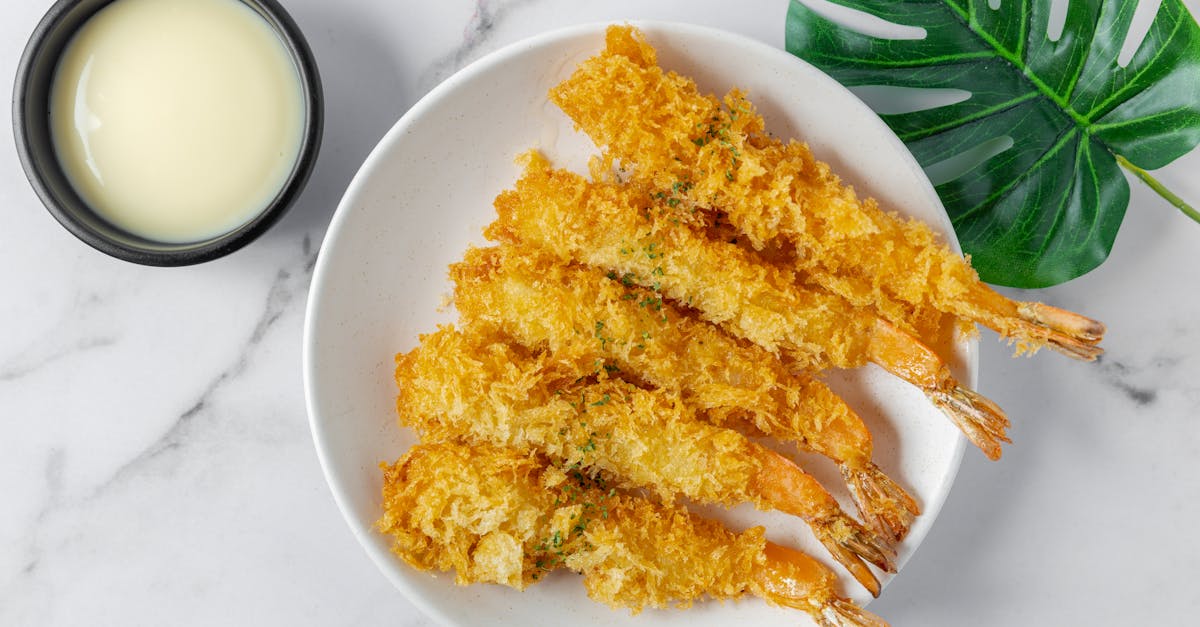
The first time I made dragon shrimp at home, I heard the same sound you hear in a good restaurant kitchen: a sharp, dry crackle when the shrimp hit the plate. That sound matters, which means you know the coating stayed crisp.
This crispy dragon shrimp recipe gives you that sweet-heat punch, a sticky-glossy sauce, and shrimp that stays juicy inside. I’ll show you exactly how I get restaurant-style crunch at home, with clear steps, temperature targets, and fixes for the most common failures (like soggy coating or sauce that turns watery).
Key Takeaways
- This crispy dragon shrimp recipe succeeds when you focus on three basics: dry shrimp thoroughly, fry at 350°F, and toss in reduced sauce only at the last minute.
- Build true “dragon shrimp” flavor with sweet heat plus garlic, acid, and an umami note (soy or fish sauce) so the sauce tastes balanced, not just sugary.
- Use large shrimp (21/25 or 26/30) and pull them as soon as they turn opaque and form a “C” to keep the center juicy instead of rubbery.
- For restaurant-style crunch, coat with a 70/30 cornstarch-to-flour blend plus a pinch of baking powder, then tap off excess to avoid gummy clumps.
- Prevent sogginess by frying in small batches, draining on a wire rack (not paper towels), and keeping finished shrimp warm in a 200°F oven until you’re ready to sauce.
- Store leftover shrimp and sauce separately, then re-crisp at 425°F on a rack for 6–8 minutes before quickly reheating and tossing with sauce.
What Makes Dragon Shrimp “Dragon Shrimp”
A good dragon shrimp hits fast: sweet first, then heat, then a savory back note. I taste it, and my mouth does that little “whoa” pause, which means the balance is right.
Most places use crispy fried shrimp plus a sweet chili garlic-style sauce. The “dragon” part usually signals bolder heat and a shiny, sticky finish, which means each bite clings to flavor instead of tasting like plain fried seafood.
“Dragon shrimp” is not a single official dish. Restaurants use the name for crispy shrimp tossed in a sweet-spicy sauce, which means you can adjust it to your own heat level.
Flavor Profile: Sweet Heat And Umami
I build dragon shrimp flavor with four pillars: sweet + chili + garlic + acid. I add a salty/umami note (soy or fish sauce), which means the sauce tastes “complete” instead of sugary.
Here is a concrete target that helps: I aim for about 2:1 sweet to acid in the sauce. For example, 4 tablespoons sweet chili sauce plus 2 tablespoons rice vinegar gives a bright finish, which means the shrimp tastes lively even after frying.
For a real-world reference, the USDA lists recommended safe cooking guidance for seafood and general temperature practices, which means you can cook confidently without guesswork (see USDA Food Safety).
Texture Goals: Crispy Shell With Juicy Shrimp
Dragon shrimp lives or dies on texture. I want a coating that stays crisp for at least 10 minutes after tossing, which means you can actually serve it without panic.
I also want shrimp that bends and springs, not shrinks into tight little commas. Overcooked shrimp turns rubbery fast, which means timing matters more than almost any spice choice.
My texture rules:
- I dry the shrimp hard, which means the coating sticks and fries crisp.
- I fry in small batches, which means the oil stays hot.
- I toss with sauce right before serving, which means the crust does not soak.
Key Ingredients And Smart Substitutions
I learned this the messy way: you can buy perfect shrimp and still get sad results if your pantry choices fight crispiness. The good news is you can swap ingredients without losing the “dragon” effect, which means you can cook this on a normal grocery run.
Shrimp Selection And Prep (Size, Deveining, Drying)
I buy large shrimp (21/25 or 26/30 count per pound) when I want that restaurant bite. That size gives a thick, juicy center, which means the coating stays crisp while the inside stays tender.
Prep steps I never skip:
- I peel and devein (tail on is optional), which means you remove grit and get cleaner flavor.
- I rinse fast and drain well, which means you avoid extra water.
- I press the shrimp between paper towels for 60 seconds, which means the starch coating grabs instead of sliding.
If I use frozen shrimp, I thaw it in the fridge overnight. When I rush, I thaw in cold water for 15–20 minutes, which means the shrimp stays firm (not mushy).
Breading Options: Cornstarch Vs. Flour Vs. Potato Starch
Starch choice controls crunch. I tested these side-by-side in my kitchen with the same shrimp and the same oil at 350°F, which means the results came from the coating, not the fryer.
| Coating | What I notice | Best for | Tradeoff |
|---|---|---|---|
| Cornstarch | Light, shattery crust, which means crisp bites | Classic dragon shrimp | Can clump if shrimp is wet, which means you must dry well |
| All-purpose flour | Thicker, breadier crust, which means more “fried chicken” vibes | If you want heavier crunch | Can turn dull and soft faster, which means toss late |
| Potato starch | Crisp stays longer, which means better delivery-style texture | Saucy versions | Harder to find, which means you may need an Asian market |
My default: 70% cornstarch + 30% flour. That blend gives a crisp shell with a little structure, which means it resists sauce better than cornstarch alone.
Sauce Staples: Sweetener, Chili, Garlic, Acid
Dragon sauce needs a sweet base and a sharp edge.
Staples I use most often:
- Sweetener: honey or brown sugar, which means quick gloss and caramel notes.
- Chili: sweet chili sauce or sambal oelek, which means heat spreads evenly.
- Garlic: fresh minced garlic, which means you get aroma, not just heat.
- Acid: rice vinegar or lime, which means the sauce does not taste flat.
If you like drink pairings, a floral cocktail can match the heat. I sometimes serve this with a bright margarita-style drink, which means the acid cuts the fried coating: this rose margarita recipe gives a nice template.
Tools And Setup For Restaurant-Style Results
A small setup change can flip your results from “fine” to “why is this so good?” I felt that shift the first time I used a thermometer and a rack, which means the shrimp stayed crisp instead of steaming itself.
Tools I use (and why):
- Dutch oven or deep skillet: steady heat, which means less temperature swing.
- Instant-read thermometer: real oil temps, which means fewer greasy batches.
- Wire rack over a sheet pan: airflow under the shrimp, which means no soggy bottoms.
- Tongs or spider strainer: quick lifts, which means less oil drag.
Oil Choice And Temperature Control
I use peanut, canola, or sunflower oil because they handle frying temps well. A higher smoke point gives cleaner flavor, which means the shrimp tastes sweet-spicy, not burnt.
Target oil temperature: 350°F (177°C).
When I drop shrimp, the oil often falls to 325°F. That drop is normal, which means you should wait for the oil to climb back before adding more.
The FDA and USDA both stress safe handling and proper cooking practices for seafood, which means you should avoid risky shortcuts (see FDA food safety guidance).
How To Keep Shrimp Crispy While You Cook In Batches
Batch frying fails when cooked shrimp sits in a pile. Steam builds fast, which means crisp coating turns soft.
My batch system:
- I fry 8–10 shrimp at a time (for large shrimp), which means the oil stays hot.
- I place shrimp on a wire rack, not paper towels, which means air keeps the crust dry.
- I keep batches warm in a 200°F oven for up to 20 minutes, which means I can finish frying before saucing.
If you want another crunchy side project for later, I like having a snacky item ready for the table. These pumpkin crackers work well, which means you can keep people busy while you fry.
Step-By-Step Crispy Dragon Shrimp
When this comes together, it feels like a switch flips. The shrimp comes out blistered and golden, then the sauce hits it like lacquer, which means you get crunch plus shine.
Below is my core method. I wrote it the way I actually cook it on a weeknight.
Marinate And Season For Flavor That Reaches The Center
Ingredients (serves 4):
- 1.5 lb large shrimp (21/25), peeled and deveined
- 1 tsp kosher salt
- 1/2 tsp black pepper
- 1 tsp garlic powder
- 1/2 tsp paprika
- 1 egg white
- 1 tsp soy sauce
What I do:
- I dry the shrimp very well, which means the seasoning sticks.
- I mix salt, pepper, garlic powder, and paprika.
- I toss shrimp with the spice mix, egg white, and soy sauce for 5 minutes, which means flavor gets past the surface.
- I rest the bowl in the fridge for 10 minutes, which means the coating layer sets slightly.
Why egg white? Egg white creates a thin tacky film, which means starch clings without forming a heavy batter.
Coat For Maximum Crunch Without Clumping
Coating mix:
- 1/2 cup cornstarch
- 1/4 cup all-purpose flour
- 1/2 tsp baking powder
I add baking powder because it creates tiny bubbles in the crust, which means lighter crunch.
Coating steps:
- I shake off excess marinade (do not wipe), which means I keep the tack.
- I dredge shrimp in the starch mix.
- I press lightly, then I tap off excess, which means no gummy clumps.
Quick check: I look for a dry, dusty surface with no wet patches, which means the oil will crisp it fast.
Fry Or Air Fry: Timing, Temps, And Visual Cues
You can fry or air fry. Frying gives the most “restaurant” crackle, which means the coating stays louder after sauce.
Option A: Fry (best crunch)
- I heat oil to 350°F in a pot with at least 2 inches of oil.
- I fry shrimp for 2 to 3 minutes total.
- I flip once halfway.
- I pull shrimp when it turns deep golden with small blisters, which means the starch cooked through.
Internal doneness cue: shrimp turns opaque and forms a “C” shape. A tight “O” shape usually signals overcooking, which means you should pull earlier.
Option B: Air fry (less oil, still crisp)
- I preheat the air fryer to 400°F for 5 minutes.
- I spray shrimp lightly with oil.
- I air fry for 7 to 9 minutes, shaking at minute 5, which means both sides brown.
Air frying gives a drier crust, which means you should sauce even closer to serving.
Toss With Sauce Without Losing Crispiness
I learned one rule that fixes most sogginess: reduce the sauce first. A watery sauce soaks crust, which means crunch disappears.
Fast dragon sauce (classic):
- 1/2 cup sweet chili sauce
- 1 tbsp honey
- 2 cloves garlic, minced
- 1 tbsp rice vinegar
- 1 tsp soy sauce
- 1–2 tsp sambal oelek (optional)
Sauce method:
- I simmer the sauce in a small pan for 2 minutes until it coats a spoon, which means less water hits the crust.
- I turn off heat.
- I add shrimp to a bowl.
- I drizzle sauce in small amounts and toss quickly for 10 seconds, which means I control coverage.
If you want maximum crisp, sauce only 70% of the shrimp and serve extra sauce on the side, which means every plate has both glossy bites and dry crunch.
Dragon Sauce Variations (Adjust The Heat And Sweetness)
A sauce change can make the same fried shrimp feel like a new dish. I notice it right away because heat hits different parts of your mouth depending on the base, which means you can tune the experience.
Each variation below gives a clear ratio and a specific result.
Classic Sweet Chili Garlic
This version tastes like the menu photo. It looks bright, it smells like garlic, and it sticks in a thin layer, which means the shrimp stays crisp longer.
Mix:
- 1/2 cup sweet chili sauce
- 1 tbsp honey
- 2 tsp rice vinegar
- 2 cloves garlic
- Pinch of salt
Data point: I reduce it to about 2/3 cup total volume before tossing. That reduction takes 2 minutes at a simmer, which means the sauce clings instead of dripping.
Spicy Creamy Dragon Sauce (Mayo-Based)
This one hits like a spicy shrimp roll filling. The cream cools the chili, which means you can push heat higher without pain.
Mix (no cooking):
- 1/3 cup mayo
- 2 tbsp sweet chili sauce
- 1 tbsp sriracha or sambal
- 1 tsp lime juice
- 1/2 tsp garlic powder
Warning: mayo sauce melts on hot shrimp. I cool fried shrimp on a rack for 5 minutes first, which means the sauce stays creamy instead of oily.
Sticky Soy-Ginger Dragon Glaze
This version tastes more savory and smells like ginger steam from a noodle shop, which means it pairs better with rice bowls.
Mix (simmer 3 minutes):
- 2 tbsp soy sauce
- 2 tbsp honey or brown sugar
- 1 tbsp rice vinegar
- 1 tsp grated ginger
- 1 clove garlic
- 1/2 tsp cornstarch mixed with 1 tbsp water (slurry)
I add the slurry at the end. The slurry thickens fast, which means you avoid over-reducing into candy.
If you want a matching main for another night, I like to keep a bold sauce theme going. This tostada pizza recipe has that crispy-plus-saucy feel, which means your meal plan stays fun without repeating flavors.
Serving Ideas And Pairings
Dragon shrimp disappears fast on a table. I see hands reach for “one more” even before the plates land, which means you should plan sides that hold up.
Best Sides: Rice, Noodles, Slaw, And Lettuce Wraps
I choose sides that absorb sauce or refresh the palate.
| Side | Why it works | My concrete move |
|---|---|---|
| Jasmine rice | It soaks sauce, which means less mess | I cook 2 cups cooked rice for 4 people |
| Garlic noodles | It matches umami, which means deeper flavor | I add 1 tsp sesame oil at the end |
| Cabbage slaw | It brings crunch + acid, which means balance | I use 2 cups cabbage + 1 tbsp vinegar |
| Lettuce wraps | They feel light, which means you can eat more | I use butter lettuce and add 3 shrimp per wrap |
If you want a cozy carb side for a different dinner, this pierogi kielbasa crockpot recipe is a solid cold-weather option, which means you can switch moods without switching effort.
Garnishes That Add Crunch And Color
Garnish should add texture, not just looks.
My top garnishes:
- Thin scallions: sharp bite, which means the sweetness stays in check.
- Toasted sesame seeds: nutty crunch, which means the coating feels thicker.
- Crushed peanuts or cashews: loud crunch, which means each bite has contrast.
- Lime wedges: fresh acid, which means the sauce tastes brighter.
Data point: I use about 1 tablespoon toasted sesame seeds for a full platter. More than that tastes dusty, which means you lose shrimp flavor.
Common Mistakes And Troubleshooting
Most dragon shrimp failures feel personal because they happen fast. One minute you feel proud, then the coating slides off like wet paint, which means you need a simple fix list.
Why The Coating Falls Off (And How To Fix It)
Cause 1: Wet shrimp. Water blocks starch contact, which means the crust cannot bond.
Fix: I dry shrimp for 60 seconds with firm pressure. I also let coated shrimp sit for 3 minutes before frying, which means the coating hydrates and grips.
Cause 2: Too much marinade. A puddle creates gummy patches, which means coating breaks.
Fix: I keep marinade thin (egg white, not whole egg). I also shake shrimp before dredging, which means the starch layer stays even.
How To Prevent Soggy Shrimp
Soggy shrimp usually comes from low oil temp or trapped steam.
My checklist:
- I fry at 350°F, which means water flashes off fast.
- I avoid crowding, which means the oil does not cool.
- I drain on a rack, which means steam escapes.
- I reduce sauce before tossing, which means less liquid hits the crust.
Data point: When oil drops under 320°F, I see pale coating and oily texture. That temperature creates absorption, which means you taste grease.
How To Fix Sauce That’s Too Thin, Thick, Or Spicy
Sauce problems are common because bottled chili sauces vary by brand, which means you need quick adjustments.
| Problem | What I do | Why it works |
|---|---|---|
| Too thin | I simmer 2–4 minutes | Evaporation removes water, which means thicker cling |
| Too thick | I add 1 tsp water at a time | Small dilution protects flavor, which means no bland sauce |
| Too spicy | I add 1 tbsp honey or 1 tbsp mayo (off heat) | Sweetness/fat softens heat, which means less burn |
| Too sweet | I add 1 tsp vinegar | Acid cuts sugar, which means cleaner finish |
Honest warning: if you toss shrimp in sauce and let it sit for 20 minutes, it will soften. Physics wins, which means you should sauce at the last minute.
Storage, Reheating, And Make-Ahead Tips
Leftover dragon shrimp can still taste great, but you need the right reheat method. I once microwaved it and got chewy shrimp in syrupy sauce, which means I never do that now.
How To Store And Reheat While Keeping It Crispy
Storage:
- I store fried shrimp and sauce separately when possible, which means the crust stays dry.
- I refrigerate in airtight containers for up to 2 days, which means shrimp stays safe and flavorful.
Reheat (best method):
- I heat the oven to 425°F.
- I place shrimp on a wire rack.
- I heat for 6–8 minutes until crisp.
- I warm sauce in a pan for 1 minute and toss fast, which means the crust stays intact.
Air fryer reheat also works at 375°F for 4–5 minutes, which means quick crunch.
Make-Ahead Prep For Quick Weeknight Cooking
I prep in layers so dinner feels easy.
Make-ahead plan:
- I mix the dry coating and keep it in a jar for 7 days, which means dredging takes 30 seconds.
- I mince garlic and ginger in advance and store for 48 hours, which means sauce time drops.
- I peel and devein shrimp the night before, then I dry it well right before cooking, which means better texture.
Data point: With prep done, active cook time drops to about 18 minutes (heat oil, coat, fry, reduce sauce). That speed matters, which means this works on a real weeknight.
Conclusion
Crisp dragon shrimp at home does not require special gear or mystery ingredients. It requires three choices: dry shrimp, hot oil (350°F), and reduced sauce, which means you control crunch from start to finish.
When I serve this, I watch people take the first bite, pause, then go back in. That pause is the goal, which means you hit the sweet-spicy-crunchy combo that makes dragon shrimp feel restaurant-level.
If you cook it this week, start with the classic sauce, then adjust one dial at a time (heat, acid, or sweetness), which means you learn your perfect version fast.
Frequently Asked Questions (Crispy Dragon Shrimp Recipe)
What makes a crispy dragon shrimp recipe taste like “dragon shrimp” at restaurants?
A crispy dragon shrimp recipe is defined by crunchy fried shrimp tossed in a glossy sweet-spicy sauce. The flavor should hit sweet first, then chili heat, with garlic and a savory/umami note (often soy or fish sauce) plus acid for balance and a bright finish.
How do you keep crispy dragon shrimp from getting soggy after saucing?
To keep crispy dragon shrimp crisp, reduce the sauce first so it coats a spoon (less water to soak the crust), then toss fast right before serving. Drain fried shrimp on a wire rack—not paper towels—and avoid letting sauced shrimp sit longer than a few minutes.
What’s the best coating for a crispy dragon shrimp recipe: cornstarch or flour?
Cornstarch gives a lighter, “shattery” crunch, while flour makes a thicker, breadier crust that can soften sooner. A reliable middle ground for a crispy dragon shrimp recipe is a blend like 70% cornstarch and 30% flour, plus a little baking powder for extra bubbles.
What oil temperature should I use to fry dragon shrimp so it stays crunchy?
For restaurant-style crunch, fry at about 350°F (177°C). If the oil drops too low—especially under ~320°F—the coating can turn pale and greasy because it absorbs oil instead of crisping. Fry in small batches so the temperature recovers between rounds.
Can I make crispy dragon shrimp in an air fryer instead of deep frying?
Yes. Preheat the air fryer to 400°F, spray the coated shrimp lightly with oil, and cook about 7–9 minutes, shaking around minute 5 for even browning. Air-fried shrimp can be drier, so sauce it even closer to serving to protect crispiness.
What should I serve with crispy dragon shrimp for a complete meal?
Great sides either soak up extra sauce or refresh your palate: jasmine rice, garlic noodles, cabbage slaw, or lettuce wraps. For texture and brightness, finish with scallions, toasted sesame seeds, crushed peanuts/cashews, and lime wedges to make the sweet-heat pop.
