
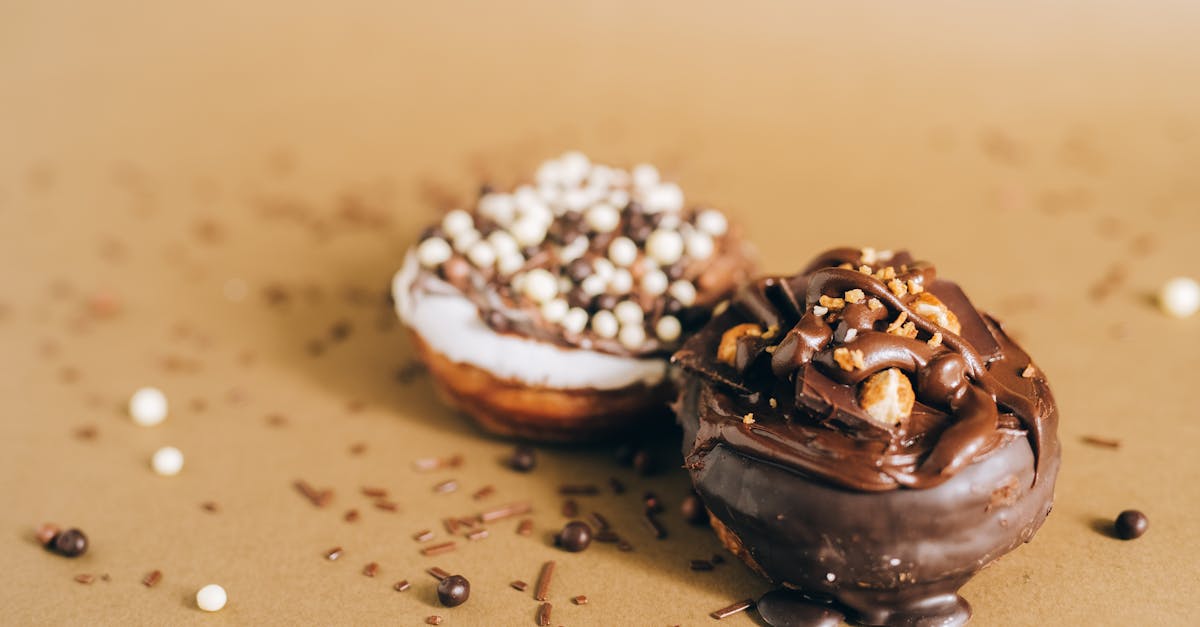
The first time I nailed a choco butternut donut at home, I heard it.
That soft shhh when warm dough hits the oil, then the sharp tap of butternut crumbs raining onto sticky chocolate glaze. I stopped buying them for a while because my kitchen version tasted fresher and smelled like cocoa and fried brioche.
This choco butternut donut recipe gives you that bakery-style bite: airy yeast donut, glossy chocolate shell, and a sweet, crunchy butternut coating that sticks. I wrote it for real home kitchens, with exact temperatures, proofing cues, and fixes for the mistakes I made the first few batches.
What Makes Choco Butternut Donuts Unique
A choco butternut donut feels simple until you taste it.
You get three layers of contrast, which means every bite stays interesting: pillowy donut crumb, snappy chocolate, and crunchy topping.
Flavor And Texture Profile
I taste cocoa-forward sweetness first, which means the donut reads like dessert even without filling.
I feel light chew from yeast dough, which means the donut stays soft longer than cake-style donuts.
I smell toasted nutty notes from the topping, which means the finish tastes richer than plain sprinkles.
A standard yeast donut lands near 20–25% fat by calories in many commercial nutrition profiles, which means small changes (like draining well and controlling oil temp) can reduce greasy mouthfeel without changing the “treat” vibe. I use that as my target when I test batches.
Key Components: Chocolate Glaze And Butternut Crunch
The chocolate glaze matters more than people think, which means you need the right cocoa-to-sugar balance so it sets shiny, not chalky.
The butternut crunch is usually sweetened crushed peanuts or cookie-like crumbs dyed orange, which means it should be dry, sandy, and fast to stick before the glaze skins over.
I learned this the hard way: if the topping has moisture, it turns chewy in an hour, which means you lose the signature crunch.
“Temperature is the hidden ingredient in frying.”
I treat oil temperature like an ingredient, which means I measure it the same way I measure flour.
If you want another crunchy topping idea for a snack board, I sometimes borrow the same “coat while sticky” timing from my bagel dip with cream cheese spreads and toppings, which means I prep bowls and trays before I fry anything.
Ingredients And Equipment You’ll Need
When I prep for donuts, I set everything out like a tiny assembly line.
That setup removes stress, which means I can glaze and coat before the donuts cool.
Donut Dough Ingredients
I use a classic enriched yeast dough, which means the crumb stays tender and slightly stretchy.
Makes: about 10–12 donuts (depending on cutter size).
- Bread flour (360 g), which means you get better chew and structure than all-purpose.
- Granulated sugar (50 g), which means yeast gets quick fuel and the crust browns faster.
- Fine salt (7 g / 1 1/4 tsp), which means the sweetness tastes sharper and not flat.
- Instant yeast (7 g / 2 1/4 tsp), which means the rise stays reliable without a separate bloom step.
- Whole milk, warm (180 g / about 3/4 cup, 95–105°F), which means the dough stays soft and the yeast wakes up fast.
- Large eggs (2, about 100 g without shell), which means you get richness and a yellow, bready aroma.
- Unsalted butter, softened (60 g / 4 tbsp), which means the crumb stays plush instead of bready-dry.
- Vanilla extract (1 tsp), which means the chocolate glaze tastes rounder.
Optional: ground nutmeg (1/8 tsp), which means the donut tastes more “shop-style” without screaming spice.
Chocolate Glaze Ingredients
I aim for a glaze that sets in 10–15 minutes, which means it holds topping without smearing.
- Powdered sugar (240 g / 2 cups), which means the glaze thickens without cooking.
- Dutch-process cocoa (35 g / about 1/3 cup), which means you get darker color and smoother chocolate flavor.
- Pinch of salt, which means the cocoa tastes stronger.
- Warm milk or water (60–90 g / 1/4–1/3 cup), which means you control the shine and thickness.
- Light corn syrup (1 tbsp), which means the glaze sets glossy instead of dull.
- Vanilla (1/2 tsp), which means the chocolate tastes less bitter.
Butternut Topping Ingredients
The goal is dry crunch, which means you should avoid anything sticky.
- Sweetened butternut crumbs (1 1/2–2 cups), which means you can fully coat all donuts.
If you cannot find “butternut” topping, I mix:
- Roasted peanuts (120 g) pulsed to coarse sand, which means you get real nut flavor.
- Vanilla wafer crumbs (60 g), which means the coating tastes like donut-shop crumble.
- Brown sugar (30 g / 2 tbsp), which means it caramelizes slightly on the warm glaze.
- Orange gel color (tiny drop), which means you get the classic look without adding liquid.
Recommended Tools For Consistent Results
Tools reduce guesswork, which means your second batch tastes like your first.
| Tool | What I use | Which means… |
|---|---|---|
| Scale | Digital scale in grams | you get repeatable dough every time. |
| Thermometer | Clip-on or instant-read | you keep oil at 350°F, so donuts don’t soak oil. |
| Mixer (optional) | Stand mixer with dough hook | you build gluten faster, so the dough traps more air. |
| Donut cutter | 3–3.5 inch | you get even fry time, so centers cook through. |
| Spider strainer | Mesh skimmer | you lift donuts fast, so crust stays crisp. |
| Wire rack + tray | Cooling setup | you drain oil well, so glaze sticks better. |
I also keep a small bowl of crumbs right next to the glaze, which means I can coat donuts within 30 seconds of dipping.
How To Make Choco Butternut Donuts Step By Step
The first transformation happens before you fry anything.
Dough goes from shaggy and stubborn to smooth and elastic, which means gluten starts to trap the gas that makes donuts light.
Activate The Yeast And Mix The Dough
I warm the milk to 95–105°F, which means yeast activates without damage.
I whisk milk, sugar, and yeast in a bowl, which means the yeast disperses evenly.
I add eggs and vanilla, which means the dough gains richness early.
I add flour and salt, which means the dough forms structure.
I mix until no dry flour remains, which means I avoid dry pockets that tear during shaping.
Cue I watch for: dough looks rough and sticky after 2–3 minutes, which means it is ready for kneading.
Knead, Proof, And Check Readiness
I knead 8–12 minutes by mixer (or 12–15 by hand), which means the dough becomes elastic.
I add softened butter in 3–4 pieces after the dough starts to come together, which means butter emulsifies instead of smearing.
I stop kneading when the dough passes a windowpane test, which means it can stretch thin without ripping.
I place dough in a lightly oiled bowl and cover it, which means the surface does not crust.
I proof at 75–80°F until doubled, usually 60–90 minutes, which means yeast creates enough gas for a light fry.
Concrete check: I press a finger 1/2 inch into the dough, which means a slow spring-back signals the dough is ready.
Shape The Donuts And Final Proof
I roll dough to 1/2 inch thick, which means the donut rises tall without a doughy center.
I cut donuts and holes, which means I create consistent sizes.
I place pieces on parchment squares, which means I can lift them into oil without deflating them.
I proof donuts until puffy, usually 30–45 minutes, which means the dough floats and cooks evenly.
Ready cue: the donut jiggles when I nudge the tray, which means the internal bubbles are active.
Fry For Even Color And Proper Doneness
I pour neutral oil to a depth of 2–3 inches in a heavy pot, which means donuts float and brown evenly.
I heat oil to 350°F and hold 345–355°F, which means the crust sets fast and blocks oil.
The USDA notes that deep-frying safety depends on stable heat and careful handling, which means I keep kids and loose sleeves away from the pot and I never fill it more than halfway. (Source: USDA Food Safety)
I fry 1–2 donuts at a time, which means the oil temperature does not crash.
I fry 60–90 seconds per side, which means the exterior turns deep golden while the interior cooks.
I remove donuts to a rack, which means excess oil drips away instead of soaking in.
Internal doneness check: a properly cooked yeast donut usually hits about 190–200°F inside, which means the crumb sets and stays fluffy.
Make The Chocolate Glaze And Coat The Donuts
I sift powdered sugar and cocoa, which means I prevent lumps.
I whisk in salt, corn syrup, vanilla, and warm milk, which means the glaze turns smooth and shiny.
I aim for glaze that ribbons off the whisk for 2 seconds, which means it coats without running off.
I dip each donut while it is warm, not hot (about 5–8 minutes after frying), which means the glaze clings but does not melt thin.
Add The Butternut Crunch And Set
I hold the glazed donut over a tray of crumbs, which means I can catch and reuse topping.
I sprinkle crumbs on immediately, which means they bond before the glaze skins.
I let donuts set on a rack for 10–15 minutes, which means the coating locks in place.
If you like chocolate finishes in other desserts, the same “gloss control” shows up in a good frosting method like this C&H powdered sugar buttercream frosting, which means you can recognize when sugar-based coatings turn satiny instead of gritty.
Tips For Donut-Shop Results
A donut shop wins with repeatability.
I chase repeatability at home, which means I measure, time, and watch dough cues like a hawk.
Dough Hydration, Kneading, And Proofing Timing
I keep dough slightly tacky, which means it expands easily in the fryer.
If the dough feels dry, I add 1 tablespoon (15 g) milk at a time, which means I avoid tough donuts.
I stop proofing when donuts look airy but still hold shape, which means they do not collapse when lifted.
Data point I use: enriched yeast dough often doubles at 75–80°F in about 60–90 minutes, which means a much longer rise usually signals cold dough or weak yeast.
Oil Temperature Control And Frying Strategy
I treat 350°F as the centerline, which means I adjust heat after every batch.
I wait for oil to recover to 350°F before the next donut, which means color stays even.
I flip once, which means I reduce oil absorption from repeated handling.
A thermometer matters because surface bubbling can lie, which means “looks hot” can still be 315°F and lead to greasy donuts.
Glaze Consistency, Dipping Technique, And Setting
I glaze when donuts feel warm to the touch, which means steam does not turn glaze matte.
I dip straight down, then lift and twist, which means the glaze layer stays even.
I set donuts on a rack instead of a plate, which means air circulates and the glaze firms faster.
I learned one quiet trick: I keep the crumb tray right under the donut.
That setup keeps crumbs off my counters, which means I move faster and the topping sticks better.
If you want a spicy-sweet snack contrast on the same table as donuts, I pair them with salty sides like these Buffalo Wild Wings potato wedges, which means people can bounce between sweet and savory without palate fatigue.
Common Mistakes And How To Fix Them
Every mistake leaves a clue.
I look for the clue, which means I fix the process instead of blaming the recipe.
Dense Or Tough Donuts
Cause: under-kneading or under-proofing, which means the dough cannot trap enough gas.
Fix: knead until windowpane and proof until puffy, which means the fryer expands existing bubbles instead of fighting tight dough.
Cause: too much flour during rolling, which means the dough dries and tightens.
Fix: dust lightly and use a bench scraper, which means you keep hydration consistent.
Concrete marker: if donuts barely rise in oil, they were not proofed enough, which means you should add 10–15 minutes to final proof next time.
Greasy Or Under-Cooked Centers
Cause: oil runs cool (often below 335°F), which means donuts sit longer and absorb oil.
Fix: fry at 345–355°F and in small batches, which means crust sets quickly.
Cause: dough rolled too thick, which means the outside browns before the center cooks.
Fix: roll to 1/2 inch, which means heat reaches the middle in under 2 minutes per side.
Safety warning: if oil smokes, it is too hot, which means you risk burned glaze flavor and kitchen hazards.
Glaze Too Thick, Too Thin, Or Dull
Too thick cause: not enough liquid, which means glaze drags and clumps.
Fix: add warm milk 1 teaspoon at a time, which means you hit a smooth ribbon stage.
Too thin cause: donuts too hot or too much liquid, which means glaze slides off.
Fix: wait 5–8 minutes after frying or whisk in more powdered sugar, which means glaze stays put.
Dull glaze cause: no corn syrup or glaze set too slowly, which means sugar crystals form on the surface.
Fix: add 1 tbsp corn syrup and dip once, which means you get a shinier shell.
Topping Not Sticking Or Turning Soggy
Not sticking cause: glaze skinned over, which means crumbs bounce off.
Fix: top within 30–60 seconds of dipping, which means crumbs bond.
Soggy cause: topping contains moisture or large chunks, which means it pulls water from the glaze.
Fix: use dry crumbs and pulse to sand-like texture, which means crunch lasts longer.
If you want a reference for how dry mix-ins behave in a batter, the texture lesson is similar to what I see in chewy, add-in heavy bakes like baked granola bites, which means “dry coating” stays crisp when you keep moisture low.
Variations And Make-Ahead Options
Once you control the base dough, you can change the whole mood.
A small swap changes aroma and color fast, which means you can match holidays, cravings, or what you already have.
Baked Vs Fried Option (What Changes And Why)
You can bake these, but the result changes.
Frying creates a crisp shell in seconds, which means you get the classic donut bite.
Baking dries the surface more slowly, which means the crumb tastes closer to sweet bread.
My baked method: bake at 375°F for 10–12 minutes in a donut pan, which means you keep the shape and avoid oil.
Honest assessment: baked donuts will not taste like a shop-fried donut, which means you should choose baking for convenience, not “same thing.”
Mini Donuts, Donut Holes, And Filled Versions
Mini donuts fry faster, which means you need tighter timing.
- Mini donuts: roll to 3/8 inch and fry 45–60 seconds per side, which means you avoid overbrowning.
- Donut holes: cut 1-inch balls and fry 60–75 seconds total, which means you get a poppable snack.
- Filled donuts: skip the hole and pipe filling after frying, which means you keep structure for custard.
Flavor Twists: Ube, Pandan, Or Espresso Chocolate
Ube glaze: add 1–2 tsp ube extract to the chocolate glaze, which means you get a vanilla-root sweetness and purple tone.
Pandan dough: add 1 tsp pandan extract to the milk, which means the donut smells grassy-sweet like pandan cake.
Espresso chocolate: add 2 tsp instant espresso to glaze liquid, which means cocoa tastes darker without extra sugar.
Concrete guide: I cap extracts at about 1–2% of total liquid, which means flavor stays strong without turning bitter.
Overnight Proofing And Freezing Instructions
Overnight proofing saves morning time, which means you can fry fresh for brunch.
- I mix and knead at night, which means gluten develops fully.
- I cover and refrigerate dough 8–12 hours, which means yeast works slowly and flavor deepens.
- I let dough sit at room temp 45–60 minutes before rolling, which means it becomes workable.
Freezing:
- I freeze cut, unproofed donuts on a tray for 45 minutes, which means they hold shape.
- I bag them airtight for up to 4 weeks, which means you can fry on demand.
- I thaw in the fridge overnight and proof until puffy, which means they fry like fresh.
Warning: I do not freeze glazed donuts, which means I avoid condensation that turns topping gummy.
How To Store And Reheat For Best Texture
A great donut fades fast.
Air steals softness and sugar pulls moisture, which means storage matters more than you want it to.
Short-Term Storage For Freshness
I eat choco butternut donuts the same day, which means I get peak crunch.
If I must store them, I keep them in a paper bag inside a loose plastic bag for up to 24 hours, which means they stay soft without sweating.
I avoid airtight plastic alone, which means the glaze stays less sticky and the topping stays crisper.
Concrete note: most yeast donuts lose noticeable crispness in 2–4 hours at room temp, which means serving timing matters for guests.
Reheating Without Melting The Glaze Too Much
I reheat unglazed donuts only, which means the chocolate stays glossy later.
If donuts are already glazed, I use 10 seconds in the microwave, which means I soften the crumb without fully melting the glaze.
For better texture, I use 300°F oven for 3–4 minutes, which means the donut warms through with less glaze damage.
Warning: high heat melts cocoa butter fast, which means your glaze can slide and your butternut topping can fall off.
Conclusion
When I make this choco butternut donut recipe, I look for three signals.
I want puffy proofed rings, which means the fryer will lift them instead of hardening them.
I want 350°F oil, which means the crust sets fast and stays clean-tasting.
I want glaze-on-then-crumbs-now timing, which means the topping sticks and stays crunchy.
If you try one upgrade first, buy a thermometer and weigh your flour, which means your donuts stop being “random” and start being repeatable. And once you get that first perfect glossy, orange-crusted donut on the rack, you’ll know exactly why people line up for them.
Choco Butternut Donut Recipe FAQs
How do I make a choco butternut donut recipe taste like a bakery-style donut?
Use enriched yeast dough for an airy crumb, fry in 2–3 inches of neutral oil held at 345–355°F, then dip donuts while warm (about 5–8 minutes after frying). Add butternut crumbs within 30–60 seconds so they bond before the chocolate glaze skins over.
Why are my choco butternut donuts greasy or undercooked in the middle?
The most common cause is oil that’s too cool (often under 335°F), which makes donuts sit longer and absorb oil. Fry small batches at 350°F (345–355°F range) and roll dough about 1/2 inch thick so the center reaches roughly 190–200°F without overbrowning.
What is butternut topping for donuts, and what can I use if I can’t find it?
Butternut topping is a dry, sandy crunch—often sweetened crushed peanuts or cookie-like crumbs tinted orange. If you can’t find it, pulse roasted peanuts into coarse sand, mix with vanilla wafer crumbs and a little brown sugar, and tint with a tiny drop of orange gel color (avoid liquid dye).
How do you get a shiny chocolate glaze for a choco butternut donut recipe?
Sift powdered sugar and cocoa, then whisk with warm milk (or water) until it ribbons off the whisk for about 2 seconds. Add a pinch of salt and about 1 tablespoon of light corn syrup for gloss. Dip once, then set on a wire rack 10–15 minutes.
Can I bake instead of fry for this choco butternut donut recipe?
Yes, but the texture changes: baking makes a sweeter bread-like crumb rather than a crisp fried shell. Bake in a donut pan at 375°F for 10–12 minutes, then glaze and top while slightly warm. Choose baking for convenience, not an identical donut-shop bite.
How do I store and reheat choco butternut donuts without ruining the topping?
They’re best the same day. For up to 24 hours, store in a paper bag inside a loosely closed plastic bag to reduce sweating. Reheat unglazed donuts when possible; if already glazed, microwave about 10 seconds or warm at 300°F for 3–4 minutes to limit glaze melt and topping loss.
