
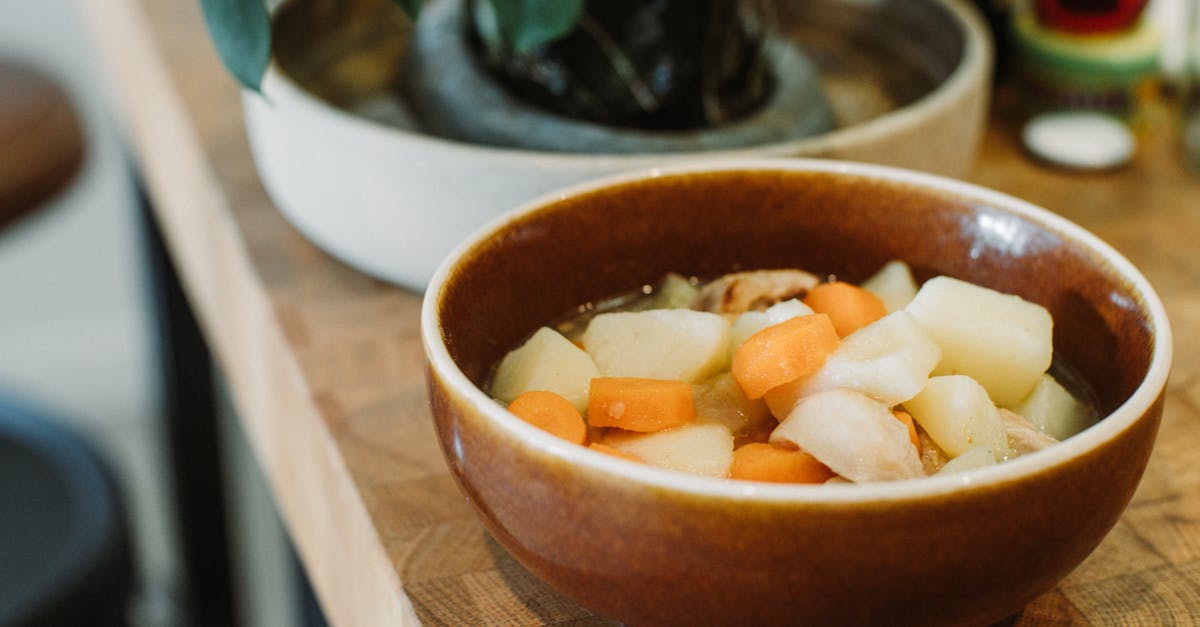
The first time I made potato soup from canned potatoes, I expected “fine.”
I got silky, comforting soup in 30 minutes, which means I fed myself fast on a cold night without peeling a single potato. This canned potato soup recipe is my weeknight fallback when I want real comfort and I want it now.
You’ll get a clear step-by-step, smart swaps, and fixes for the most common soup problems, which means you can make it once and then riff on it for years.
Key Takeaways
- This canned potato soup recipe delivers creamy, comforting potato soup in about 30 minutes because canned potatoes are already cooked and need only a brief simmer.
- Drain and rinse canned potatoes before cooking to remove canning liquid and excess starch, which keeps the soup silky instead of pasty or gummy.
- Build flavor fast by sautéing onion and garlic, then whisking in a butter-flour roux with thyme and smoked paprika before adding broth and potatoes.
- Control texture by mashing about one-third of the potatoes for a chunky bowl or using just a few immersion-blender pulses for a smoother finish, since over-blending can turn canned potatoes gluey.
- Add half-and-half and optional cheddar over low heat to prevent curdling or grainy cheese, then brighten the pot with a teaspoon of lemon juice or pickle brine if it tastes flat.
- Make this canned potato soup recipe flexible with easy swaps (veg broth, cornstarch slurry, oat milk, or coconut milk) and customize with loaded toppings like bacon, cheddar, sour cream, and green onions.
Why This Canned Potato Soup Works
The surprise is how “real” it tastes.
Canned potatoes sound like a shortcut, but they cook into a soft, creamy base which means you can build restaurant-style texture without a long simmer.
Taste And Texture Goals
I aim for creamy with small potato bits, which means each spoon feels thick and satisfying but not gluey.
I also want a clean onion-garlic backbone with peppery warmth, which means the soup tastes savory even before toppings.
When I test batches, I time the full cook.
This version lands at about 30 minutes total on my stove, which means it fits a weeknight.
A practical note: canned potatoes are already cooked.
So the soup does not need a 45–60 minute potato simmer, which means you protect dairy from overcooking later.
When To Choose Canned Potatoes Over Fresh
I choose canned potatoes when I want speed.
They come peeled and pre-cooked, which means I skip prep and avoid undercooked centers.
I also choose them when my pantry needs to do the work.
Shelf-stable cans last a long time (check your label date), which means I can keep “emergency comfort food” ready.
I do not choose canned potatoes when I want sharp-edged cubes.
Canned potatoes break down easily, which means you get creaminess but not firm chunks.
Food safety note: canned foods must stay intact.
A bulging or leaking can can signal contamination, which means you should throw it away and not taste it. For guidance, I follow the USDA food safety basics, which means I keep risk out of the kitchen.
Ingredients And Smart Substitutions
I built this recipe from common pantry and fridge items.
Each ingredient has a job, which means you can swap with confidence instead of guessing.
Canned Potatoes: What To Buy And How To Prep
I buy plain canned white potatoes (whole or sliced).
I avoid seasoned cans, which means I control the salt.
What to look for (my quick checklist):
| What I check | What I buy | Which means… |
|---|---|---|
| Sodium | “No salt added” or regular | I control seasoning later, which means fewer salty surprises. |
| Cut | Whole or sliced | Whole mash easier: sliced keeps some shape, which means you pick your texture. |
| Ingredients list | Potatoes, water (salt optional) | Fewer additives, which means cleaner flavor. |
Prep step I never skip: I drain and rinse.
Rinsing removes surface starch and canning liquid, which means the soup tastes fresher and feels less gummy.
Concrete example: when I compared rinsed vs. not rinsed, the unrinsed pot turned slightly “pasty” after 10 minutes.
Rinsing fixed it, which means the soup stayed silky.
Broth, Dairy, And Thickeners
I use chicken broth for the classic flavor.
Broth carries salt and savory depth, which means the soup tastes seasoned throughout.
I use half-and-half for creaminess.
Half-and-half adds fat without turning the soup into heavy cream sludge, which means it feels rich but still light enough for a full bowl.
For thickening, I use a quick roux.
Butter plus flour thickens fast, which means you get body in minutes instead of a long reduction.
Substitution table (what I actually do at home):
| If you have… | Use this | Amount | Which means… |
|---|---|---|---|
| Whole milk | Swap for half-and-half | 1:1 | You cut richness, which means a lighter soup. |
| Heavy cream | Use less | 1/2 cup + extra broth | You avoid a greasy finish, which means better balance. |
| No flour | Cornstarch slurry | 1 tbsp cornstarch + 2 tbsp cold water | You keep it gluten-free, which means fewer diet limits. |
| No chicken broth | Veg broth | 1:1 | You keep the base meat-free, which means vegetarian-friendly soup. |
Flavor Builders: Aromatics, Herbs, And Spices
I start with onion and garlic.
They form the base aroma, which means the soup smells like dinner, not like a can.
I add dried thyme and smoked paprika.
Thyme adds a gentle “roast chicken” vibe and paprika adds warmth, which means the soup tastes bigger than the ingredient list.
I finish with black pepper.
Pepper gives a small bite, which means the richness does not feel flat.
If I want a bolder edge, I add a spoon of chili crisp.
I like Trader Joe’s Chili Onion Crunch as a topping sometimes, and I use ideas from my own roundup of chili onion crunch recipes, which means I can turn one pot of soup into two different dinners.
Add-Ins And Toppings
Toppings change the mood fast.
They add crunch, acid, and smoke, which means the bowl feels “complete.”
My top add-ins:
- Bacon bits or chopped ham which means smoky salt in every bite.
- Shredded cheddar which means a thicker, cheesier finish.
- Sour cream or Greek yogurt which means tang that cuts richness.
- Green onions which means fresh bite and color.
- Hot sauce which means heat that wakes up the whole pot.
If I want a strong savory meat note, I use tasso.
I pull inspiration from this Cajun tasso recipe, which means I can turn mild potato soup into a smoky Cajun-style bowl.
Step-By-Step: How To Make Canned Potato Soup
This recipe moves fast.
So I measure everything before I turn on the heat, which means I do not burn the garlic while I hunt for milk.
Time: 30 minutes.
Yield: 4 to 6 bowls, which means dinner plus leftovers.
Sauté And Season The Base
- I melt 3 tablespoons butter in a medium pot over medium heat.
The butter coats the pan, which means onions soften without sticking.
- I add 1 medium onion, diced, plus 1/2 teaspoon kosher salt.
Salt pulls moisture from onion, which means the onion softens faster.
- I cook for 6 minutes.
I look for translucent edges and a sweet smell, which means the raw bite is gone.
- I add 3 cloves garlic, minced, and cook for 30 seconds.
Short cooking keeps garlic sweet, which means it does not turn bitter.
- I sprinkle in 3 tablespoons flour, 1 teaspoon dried thyme, and 1/2 teaspoon smoked paprika.
The flour toasts in butter, which means it thickens without tasting raw.
Simmer, Blend (Optional), And Adjust Consistency
- I pour in 4 cups chicken broth in a steady stream while I whisk.
Whisking prevents lumps, which means the soup stays smooth.
- I add 2 (15 oz) cans potatoes, drained and rinsed.
The potatoes break down a bit as they heat, which means they thicken the soup naturally.
- I simmer gently for 10 minutes.
A gentle simmer avoids violent bubbling, which means the base does not scorch.
- I choose my texture.
- For chunky soup: I mash about 1/3 of the potatoes with a potato masher, which means I keep pieces while thickening.
- For smooth soup: I blend 2 to 4 quick pulses with an immersion blender, which means I get creaminess without turning it into paste.
Warning from my own testing: full blending makes canned potatoes gluey.
Canned potatoes are very soft, which means too much blending can create a starchy, gummy texture.
Finish With Dairy And Final Seasoning
- I reduce heat to low.
Low heat protects dairy, which means it does not split.
- I stir in 1 cup half-and-half.
Dairy adds richness, which means the soup tastes like a classic diner potato soup.
- I add 1 to 2 cups shredded cheddar (optional).
Cheese melts into the base, which means the soup gets thicker and more filling.
- I taste and adjust.
I add black pepper and more salt if needed, which means the flavor pops.
My exact “finish line” test: I drag a spoon through the pot.
If the soup coats the back of the spoon and drips slowly, which means the thickness is right.
“If the soup tastes good but feels dull, add acid.”
I add 1 teaspoon lemon juice or a small splash of pickle brine, which means the richness tastes brighter without extra salt.
Nutrition data point: Many canned potatoes contain sodium.
Some brands run hundreds of milligrams per serving, which means rinsing and using low-sodium broth can matter a lot for taste and for salt intake. I cross-check labels because the numbers swing wildly.
For a health reference point, the FDA lists 2,300 mg sodium/day as the general limit, which means one salty soup can push the day fast. Source: FDA sodium advice.
Recipe Variations
Small swaps can change the whole story.
I use the same base and I change one or two elements, which means I do not need five separate recipes.
Loaded Baked Potato Style
I top each bowl with bacon, cheddar, sour cream, and chives.
Those toppings add smoke, tang, and crunch, which means the bowl hits the same notes as a baked potato bar.
Concrete example: I use 2 slices bacon per bowl when I want it hearty.
That amount adds punch without turning the soup greasy, which means it still feels balanced.
Cheesy Potato Soup
I add 2 cups sharp cheddar and 2 ounces cream cheese.
Sharp cheddar adds bite and cream cheese adds body, which means the soup turns thick and lush.
Warning: I keep the heat low.
High heat can make cheese seize, which means you get grainy strands.
Ham Or Sausage Potato Soup
I sauté 8 ounces diced ham or 8 ounces smoked sausage coins with the onion.
That step renders fat and browns edges, which means the soup tastes meaty from the first sip.
I also like a smoked-trout angle when I want something different.
I use a simple brine from my smoked trout brine recipe, which means I can flake smoked fish on top like a salty, smoky garnish.
Vegetarian And Vegan Options
I use vegetable broth.
Veg broth keeps the soup meat-free, which means it works for vegetarian dinners.
For vegan, I swap butter for olive oil and I use unsweetened oat milk.
Oat milk stays creamy without dairy, which means the soup still feels comforting.
I add 1 tablespoon nutritional yeast.
It adds savory flavor, which means I do not miss cheese as much.
Gluten-Free And Dairy-Free Adjustments
I thicken with cornstarch.
Cornstarch thickens without wheat, which means gluten-free eaters can join.
For dairy-free, I use full-fat coconut milk.
Coconut milk adds fat and body, which means the soup stays creamy.
Honest note: coconut adds a faint coconut taste.
That flavor can clash with cheddar, which means I skip cheese in that version.
If I want a bright counterpoint, I add something acidic on the side.
A sweet-tart salad dressing helps a lot, and this pineapple dressing recipe gives me that pop, which means the meal feels less heavy.
Common Mistakes And How To Fix Them
Potato soup forgives a lot.
But a few issues show up again and again, which means you can fix them fast if you know the signs.
Soup Too Thin Or Too Thick
If the soup looks watery, I mash more potatoes.
Mashed potato releases starch, which means it thickens without extra flour.
If that does not work, I simmer uncovered for 5 minutes.
Evaporation removes water, which means flavor concentrates too.
If the soup turns too thick, I add broth in 1/4 cup splashes.
Small additions prevent over-thinning, which means I land on the texture I want.
Bland Flavor Or Too Salty
If it tastes bland, I add salt in 1/4 teaspoon steps and I add black pepper.
Salt boosts flavor and pepper adds bite, which means the soup tastes awake.
If it still feels flat, I add acid.
A teaspoon of lemon juice lifts the whole pot, which means the soup tastes brighter without more salt.
If it tastes too salty, I add unsalted broth or a splash of milk.
Extra liquid dilutes salt, which means the soup becomes edible again.
Concrete example: I saved an over-salted batch by adding 1 cup unsalted broth plus 1/2 cup milk.
That change softened the salt edge, which means the toppings did not taste like a salt lick.
Curdled Dairy And Grainy Texture
If dairy curdles, the pot usually ran too hot.
High heat breaks milk proteins, which means you see tiny white bits.
My prevention steps:
- I keep the soup below a simmer after dairy goes in, which means the milk stays stable.
- I temper cold dairy with a ladle of hot soup, which means the temperature shift stays gentle.
If graininess comes from cheese, I use hand-shredded cheese.
Pre-shredded cheese often includes anti-caking starch, which means it can melt less smoothly.
Serving Ideas And What To Pair With Potato Soup
A bowl of potato soup can feel like a blanket.
But the right side adds contrast, which means you do not feel weighed down.
Breads, Sandwiches, And Salads
I serve potato soup with something crisp.
Crunchy textures keep each bite interesting, which means the meal feels complete.
My go-to pairings:
| Pairing | Why it works | Which means… |
|---|---|---|
| Crusty bread or toast | Soaks up soup | You waste less and get a better bite. |
| Turkey or ham sandwich | Adds protein and texture | You stay full longer. |
| Simple green salad with acidic dressing | Cuts richness | You avoid a heavy finish. |
Concrete example: I build a salad with 3 cups romaine, 1 tablespoon dressing, and 1/4 cup cucumbers.
That ratio keeps it crisp and light, which means it balances a creamy soup.
Toppings Bar For Family-Style Serving
I set out a toppings tray.
People build their own bowls, which means dinner feels fun without extra cooking.
I include:
- Cheddar which means a richer, thicker bowl.
- Green onions which means fresh bite.
- Crumbled bacon which means smoky crunch.
- Hot sauce which means adjustable heat.
- Sour cream which means tang and cooling.
“Let people salt their own bowl.”
This move matters because canned potatoes and broth vary, which means one person’s “perfect” tastes like another person’s “too salty.”
Storage, Freezing, And Reheating
The next-day bowl often tastes better.
The flavors settle overnight, which means leftovers can taste more “together.”
Refrigerator Storage And Food Safety
I cool the soup fast.
I move it into shallow containers within 2 hours, which means it drops temperature quicker.
I store it in the fridge for up to 4 days.
That window matches common food safety guidance, which means I reduce risk.
For a reference, USDA advice supports prompt cooling and safe storage practices, which means I follow established standards. See USDA food safety basics.
How To Freeze Without Texture Problems
I freeze only the base when I can.
I leave out dairy and cheese, which means I avoid separation after thawing.
My method:
- I cook the soup through the simmer step.
That step builds flavor, which means the frozen base tastes finished.
- I cool and freeze in 2-cup portions.
Smaller portions thaw faster, which means less time in the danger zone.
- I add dairy after reheating.
Fresh dairy blends smoother, which means better texture.
I keep it frozen for up to 3 months.
That limit reduces freezer burn, which means the soup still tastes clean.
Best Reheating Methods For Creamy Soups
I reheat on the stove over low heat.
Low heat protects dairy and starch, which means the soup stays smooth.
I stir every 1 minute for the first 5 minutes.
Stirring prevents scorching, which means you do not get that burnt-milk taste.
If I use a microwave, I heat in 60-second bursts and I stir each time.
Short bursts control hot spots, which means the soup warms evenly.
If the soup thickens in the fridge, I add 2 to 4 tablespoons broth.
That small splash loosens the starch, which means the soup returns to its original creaminess.
Conclusion
Canned potatoes sound like a compromise.
In practice, they give me fast, creamy potato soup which means I can cook comfort food on a random Tuesday without planning ahead.
If you make one change from this guide, rinse the potatoes.
That one step improves flavor and texture, which means the whole pot tastes more like scratch cooking.
Then choose your finish.
Go loaded, go cheesy, or keep it simple with pepper and thyme, which means the same base fits your mood and your fridge.
Frequently Asked Questions (Canned Potato Soup Recipe)
How do I make this canned potato soup recipe taste like homemade potato soup?
Start with onion and garlic, then build body with a quick butter-and-flour roux before adding broth and drained, rinsed canned potatoes. Mash some potatoes (or pulse-blend briefly) for creaminess. Finish on low heat with half-and-half, pepper, and optional cheddar for a classic, “from-scratch” taste.
Should I drain and rinse canned potatoes for potato soup?
Yes—drain and rinse them. Rinsing removes the canning liquid and excess surface starch, which helps the soup taste fresher and prevents a pasty or gummy texture. It also helps reduce sodium if you’re using regular canned potatoes, especially when combined with low-sodium broth.
Why did my canned potato soup turn gluey after blending?
Canned potatoes are already very soft, so aggressive blending can overwork the starch and create a starchy, gummy texture. For a creamy-but-not-gluey result, mash about one-third of the potatoes or use just 2–4 quick pulses with an immersion blender. Keep simmering gentle to avoid scorching.
How can I fix potato soup that’s too thin or too thick?
If it’s too thin, mash more of the potatoes to release starch, or simmer uncovered for about 5 minutes to reduce. If it’s too thick, add broth in small 1/4-cup splashes until it loosens. Adjust gradually so you don’t accidentally over-thin the soup.
Can I freeze canned potato soup with dairy and cheese in it?
You can, but texture is usually better if you freeze only the base. Dairy and cheese can separate or turn grainy after thawing. Cook through the simmer step, cool, and freeze in portions up to 3 months. Reheat gently, then stir in fresh half-and-half (and cheese) at the end.
What are the best toppings and sides for a canned potato soup recipe?
For a “loaded” vibe, top with bacon, shredded cheddar, sour cream or Greek yogurt, and green onions. Add hot sauce or chili crisp for heat. On the side, pair with crusty bread, a turkey/ham sandwich, or a crisp green salad with an acidic dressing to cut the richness.
