
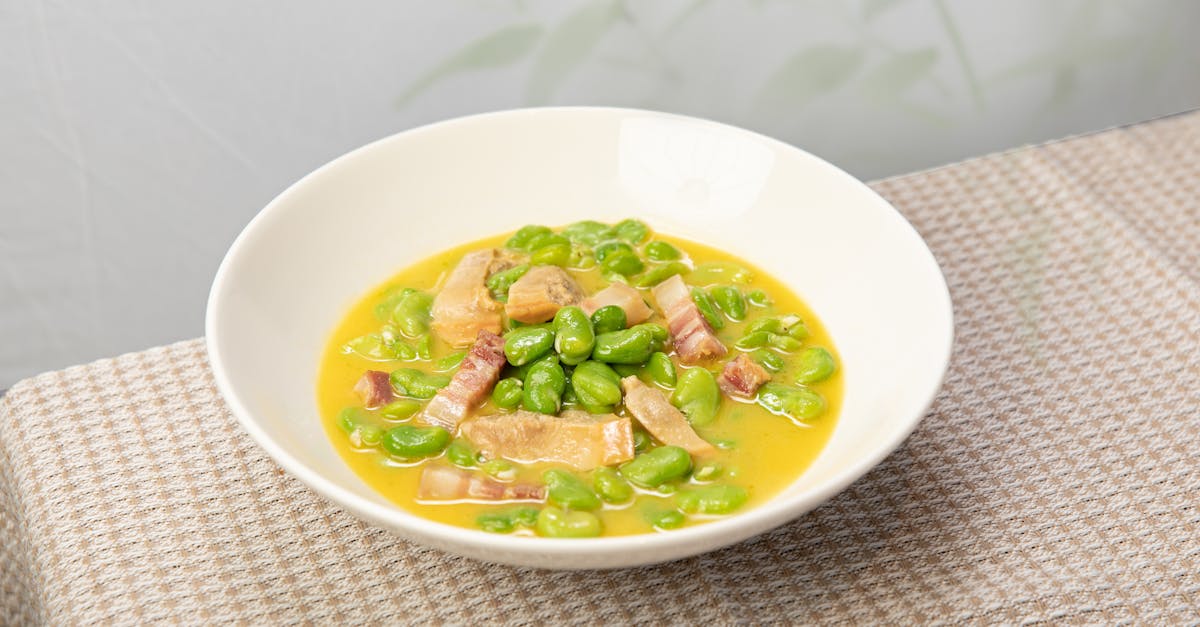
Boiled country ham recipe sits at the intersection of rugged preservation and simple, satisfying cooking. I learned to make boiled country ham from an old neighbor who kept a saltbox and a crock of pickles. The first time I simmered a salt-cured ham until it shucked a glossy sheen and the kitchen smelled like smoke and onion, I knew this method deserved a permanent place in my weeknight and holiday rotation. In this guide I show you how to desalt, simmer, glaze, serve, and store boiled country ham so you get a moist, well-seasoned result every time.
Key Takeaways
- The boiled country ham recipe delivers tender, smoky flavor if you desalt the ham 24–48 hours (changing water every 6–8 hours) to remove excess salt before cooking.
- Simmer low and steady at 180–200°F about 20–30 minutes per pound and use an instant‑read thermometer to pull the ham at 145°F (rest 15–20 minutes) for juicy, sliceable results.
- Balance residual salt with a finishing glaze—try brown sugar, Dijon, and apple cider vinegar—or a pineapple/maple variation to add brightness and caramelized crust.
- Slice against the grain thin for sandwiches (1/8″) or thicker for entrees (1/4–1/2″), and pair with biscuits, braised greens, or a bright salad to cut richness.
- Store sliced ham refrigerated 3–4 days or frozen 2–3 months; reheat covered at 300°F with a splash of cooking liquid or steam thin slices to keep them moist.
What Is Boiled Country Ham And Why It Works
Boiled country ham is a salt-cured, often smoked pork leg that I simmer in water or stock until tender. Country ham starts with long curing, many are dry-cured for weeks to months, which means the meat develops deep flavor and a high salt content.
Why boiling works: simmering dissolves and leaches excess salt from the cured muscle while gently cooking connective tissue. That means you get flavor without the chalky, hyper-salty bite.
A quick fact: the USDA recommends cooking fully cooked ham to an internal temperature of 140°F for safe holding or 145°F with a 3-minute rest for fresh pork cuts. For country ham, the key number is salt: cured country hams can contain 1,200–2,000 mg sodium per 3-ounce serving, which means careful desalting matters for health and taste.
I like this method because it preserves smoky, cured notes while turning the meat tender enough to slice thin or pull apart. That means you can serve it hot with gravy or cold on sandwiches and still enjoy complex flavor.
Ingredients And Tools
Here’s a concise shopping and tools list I use for a 6–8 pound country ham.
Ingredients (serves 8–10):
- 1 whole country ham, 6–8 lb (bone-in), choose labeled “country ham” which means it’s been salt-cured and possibly smoked.
- 2–3 onions, halved, for aromatics and natural sweetness.
- 3–4 bay leaves, for background herbal aroma.
- 1 tbsp black peppercorns, crushed for gentle heat.
- 2 carrots and 2 celery stalks, for body in the cooking liquid.
- 1–2 cups apple cider or pineapple chunks (optional), for mild acidity and tenderizing.
- Water or low-sodium stock to cover the ham.
Tools:
- Large stockpot or roaster that holds the ham with 2–3 inches of headspace.
- Instant-read thermometer, I use this to hit 145°F for safety.
- Fine mesh strainer and measuring cups.
A quick tip: use a pot with a heavy bottom which means it holds steady heat and prevents local boiling that can dry the exterior.
How To Desalt And Prepare The Ham Before Cooking
Step 1: Select The Right Ham And Read Labels
I always read the label for salt content and whether the ham is smoked or fully cooked. If the label says “ready-to-eat,” it may be smoked but still very salty. That means I plan a longer soak.
Step 2: Soak And Desalt, Timing And Water Changes
I place the whole ham in a cooler or large pot and cover it with cold water. I change the water every 6–8 hours. For a 6–8 lb ham I soak 24–48 hours, which means salt migrates out and the meat becomes palatable. If the ham label shows higher sodium (over 1,500 mg per 3 oz), I aim for 48 hours. A measurable tip: taste a thin slice after 24 hours, if it tastes like ocean, keep soaking.
Step 3: Prepare Aromatics And Seasoning For The Pot
I rough-chop onions, carrots, and celery and add 1–2 tablespoons of crushed peppercorns and 3–4 bay leaves to the pot. I sometimes add 1 cup apple cider, which means the mild acid helps balance salt and adds a subtle sweetness.
Quick data point: one study into curing found that water exchange during soaking can reduce surface salt by up to 30–50% in 24 hours, which means soaking is not optional if you want balanced flavor.
Step‑By‑Step Boiled Country Ham Cooking Method
Step 4: Simmering Technique, Temperature And Time Guidelines
I place the soaked ham in a clean pot and cover it with cold water or low-sodium stock, add aromatics, and bring to a gentle simmer. I keep the pot at a low simmer, 180–200°F, which means the meat cooks slowly without toughening.
Time guideline: simmer 20–25 minutes per pound for a 6–8 lb ham, which means a 7 lb ham cooks about 140–175 minutes. If you prefer a more pull-apart texture, extend time up to 30 minutes per pound. I check an internal temperature of 145°F in the thickest part.
Step 5: Check For Doneness And Resting
I test the ham with an instant-read thermometer and probe near the bone. When the thermometer reads 145°F, I remove the ham and tent it for 15–20 minutes. Resting means juices redistribute and the meat slices cleaner.
Troubleshooting: Too Salty, Dry, Or Underseasoned
- Too salty: simmer ham in fresh water for another 20–30 minutes and taste thin slices. That means you can still reduce salt post-cook.
- Dry: you likely boiled too hard. Next time keep the heat lower and avoid a rolling boil, which means gentler heat retains moisture.
- Underseasoned: make a glaze with brown sugar and mustard (recipe below) and baste in the final 10–15 minutes. That means you add surface flavor without re-salting.
Common Glazes, Sauces, And Serving Suggestions
Quick Brown Sugar And Mustard Glaze
I mix 1 cup brown sugar, 1/4 cup Dijon mustard, and 2 tbsp apple cider vinegar. I brush it on the ham and broil or bake at 425°F for 8–12 minutes until caramelized. That means you get a sweet-savory crust that cuts salt.
Pineapple, Maple, And Molasses Glaze Variations
For a fruity glaze I use 1 cup crushed pineapple and 1/2 cup maple syrup: for a deeper flavor, swap maple for 1/3 cup molasses. Both glazes add acidity and sugar which means the ham tastes brighter and less salty.
Sauce Options: Pan Jus, Mustard Sauce, And Vinegar Drizzle
- Pan jus: strain the cooking liquid and reduce 1 cup to a glossy sauce. That means you reuse savory stock for extra moisture.
- Mustard sauce: 1/2 cup sour cream, 2 tbsp stone-ground mustard, 1 tbsp honey. That means you get creamy brightness for rich meat.
- Vinegar drizzle: 2 tbsp apple cider vinegar, 1 tsp sugar, pinch of red pepper flakes. That means a sharp counterpoint for fatty slices.
Presentation And Slicing Tips For Serving
I slice across the grain thin for sandwiches (1/8 inch) or thicker for plated entrees (1/4–1/2 inch). I let the ham cool slightly: warm ham slices hold shape better. That means slices are uniform and look professional.
I often pair boiled country ham with a light dessert like a rustic apple filling: try this Amish apple pie filling recipe for a classic finish. That means dessert matches the savory-salty profile with gentle sweetness.
Traditional Side Dishes And Pairings
Classic Southern Sides: Biscuits, Greens, And Red Eye Gravy
I serve ham with buttermilk biscuits and collard greens. A traditional red eye gravy uses ham pan drippings and coffee: it’s salty and bright, which means it turns leftover juices into a bold sauce.
Vegetable And Salad Side Options For Lighter Meals
For a lighter plate I add roasted Brussels sprouts and a parsley‑lemon salad. I once served ham with a salad of arugula, shaved fennel, and orange segments: the plate had 3 contrasting textures which means each bite felt balanced.
Seafood & Small Plates
If you want a surf-and-turf approach, pair thin-sliced ham with buttery scallops. I like a simple broiled scallop starter, this baked bay scallops recipe with white wine works well. That means you add a delicate sea note that offsets the cured pork.
Sandwich Ideas
Turn cold ham into a sandwich with slaw and a smear of mustard mayo. For a weekend brunch, use toasted brioche and a fried egg, one of my guests counted it as the best ham-and-egg sandwich they’d had, which means the ham shines in casual formats.
A final pairing idea: make a warm grain salad with farro, roasted squash, and toasted pecans. I sometimes serve this with ham and a cider vinaigrette. That means the dish brings texture and tang to every forkful.
Storage, Make‑Ahead Tips, And Reheating
How To Cool, Refrigerate, And Freeze Leftover Ham
I cool the ham to room temperature no longer than 2 hours, then refrigerate slices in airtight containers. Cooked ham keeps 3–4 days in the fridge which means you can plan several meals from one cook.
For freezing, I slice and vacuum-seal or tightly wrap in plastic and foil. Frozen ham keeps 2–3 months at 0°F, which means you preserve texture and flavor longer.
Best Methods To Reheat Without Drying Out The Ham
I reheat slices in a 300°F oven covered with foil and a splash of the reserved cooking liquid: 10–15 minutes usually does it. For thin slices, I steam them in a pan with a lid over low heat for 3–5 minutes. That means you avoid drying and retain juiciness.
Make‑Ahead Meal Ideas Using Boiled Country Ham
- Ham-and-cheese strata: assemble the night before and bake in the morning. That means you feed a crowd with minimal morning work.
- Ham fried rice: use 2 cups cooked rice and 8 oz diced ham for a 20-minute dinner. That means you turn leftovers into a fast, satisfying meal.
Estimated Nutrition And Serving Size Guidance
A typical serving is 3 ounces cooked ham (about two thin slices). Cooked country ham often contains 1,200 mg sodium per 3 oz: after desalting you may reduce sodium by 30–50%, which means even then it can be higher than fresh pork. For people watching sodium, pair ham with low-sodium sides and limit portion size.
Conclusion
I make boiled country ham when I want deep, savory flavor without an overly salty finish. The method rewards patience: soak to desalt, simmer low and slow, and finish with a bright glaze or sauce. That means you get a versatile centerpiece, slice it thin for sandwiches or serve thick with biscuits and gravy.
If you try this recipe, start with a 6–8 lb ham and plan at least 24 hours of soaking. I recommend keeping an instant-read thermometer and tasting thin slices after soaking. That means you can fine-tune timing to your ham’s salt level.
For a complete menu, consider serving ham with a crisp green salad or a warm scallop starter like the baked bay scallops with white wine I mentioned earlier. If you want a classic dessert to follow, this Amish apple pie filling pairs perfectly. That means your guests leave full and satisfied.
Final tip: keep a small jar of brown sugar‑mustard glaze in the fridge for leftover ham. I use it on sandwiches and roasted vegetables: it lasts up to 2 weeks and brightens everything it touches, which means you’ll never let leftover ham go bland.
Happy cooking, and when you hear that slow simmer crackle, know you’re finishing something that’s equal parts history and dinner.
Step 1: Select The Right Ham And Read Labels
Pick a ham labeled country ham or salt-cured ham. I avoid hams labeled only “smoked” without cure information because salt levels vary.
Check weight and whether bone-in or boneless: bone-in adds flavor and weight for recipes that serve many, which means it’s often the better choice for gatherings.
Step 2: Soak And Desalt — Timing And Water Changes
Cover the ham with cold water and refrigerate or keep cool. Change water every 6–8 hours.
Timing rules I follow: 24 hours for mildly salty hams: 36–48 hours for very salty specimens. Taste a thin sliver at intervals, if it still tastes briny, keep soaking, which means you control final salt level.
Step 3: Prepare Aromatics And Seasoning For The Pot
I add halved onions, 2 carrots, 2 celery stalks, 3–4 bay leaves, and 1 tbsp crushed peppercorns to the pot. For sweetness, I add 1 cup apple cider which means the cooking liquid balances salt.
If I want a slightly sweet finish, I toss in 1 cup pineapple chunks. That means the acid and fruit cut through richness while tenderizing the meat slightly.
Step 4: Simmering Technique — Temperature And Time Guidelines
Bring to a bare simmer (no rolling boil) and maintain 180–200°F. Simmer 20–30 minutes per pound depending on texture preference. A 7 lb ham will usually need 140–210 minutes, which means schedule 2.5–3.5 hours for most home cooks.
I check internal temperature at several spots near the bone: 145°F is my target and I remove the ham promptly to rest.
Step 5: Check For Doneness And Resting
Probe the thickest portion without touching bone. When thermometer reads 145°F, pull the ham and tent it for 15–20 minutes. Resting means juices settle and the ham slices cleanly.
If you want it more falling-apart, raise final internal temp to 160–170°F over a longer simmer. That means you trade sliceability for shreddability.
Troubleshooting: Too Salty, Dry, Or Underseasoned
Too salty: simmer the ham in fresh water for 20–30 minutes and re-test slices. That means you can correct excess salt without discarding the cook.
Dry: cutting into the ham during cooking or boiling hard likely caused moisture loss. Keep heat low and check thermometer less frequently, which means you preserve juice.
Underseasoned: finish with a glaze or a pan jus reduction. I often make a quick mustard glaze and broil for 8–10 minutes. That means surface flavor increases without adding more salt.
Quick Brown Sugar And Mustard Glaze
Ingredients:
- 1 cup packed brown sugar
- 1/4 cup Dijon mustard
- 2 tbsp apple cider vinegar
Method: whisk and brush on ham, broil or bake at 425°F for 8–12 minutes until caramelized. The sugar caramelizes and mustard adds tang, which means the glaze masks remaining salt and creates a lively finish.
Pineapple, Maple, And Molasses Glaze Variations
Pineapple-maple glaze: 1 cup crushed pineapple + 1/2 cup maple syrup.
Molasses-maple glaze: 1/3 cup molasses + 1/2 cup maple syrup.
Both add sweetness and acid, which means they balance salt and add visual gloss when broiled.
Sauce Options: Pan Jus, Mustard Sauce, And Vinegar Drizzle
Pan jus: reduce 2 cups strained cooking liquid to 1 cup.
Mustard sauce: 1/2 cup sour cream + 2 tbsp stone-ground mustard + 1 tbsp honey.
Vinegar drizzle: 2 tbsp apple cider vinegar + 1 tsp sugar + pinch red pepper.
Each sauce adds moisture or brightness, which means you can tailor the plate to guests’ taste and cut through fattiness.
Presentation And Slicing Tips For Serving
Slice against the grain for tenderness. Use a long, sharp slicing knife and a steady hand, thin slices look elegant and thin into sandwiches.
Garnish with fresh parsley and serve on warm plates. That means slices keep heat and the plate appears intentional.
Classic Southern Sides: Biscuits, Greens, And Red Eye Gravy
Serve with buttery biscuits and mustard greens braised with a little ham fat. Red eye gravy: combine 1/2 cup strong coffee with pan drippings and reduce: season to taste. This combination gives salty, bitter, and starchy notes, which means each bite feels complete.
Vegetable And Salad Side Options For Lighter Meals
Try honey-roasted carrots, lemony asparagus, or an herb salad with radish and orange. Bright vegetables add acidity and crunch, which means the plate avoids feeling heavy.
How To Cool, Refrigerate, And Freeze Leftover Ham
Cool ham to room temperature (max 2 hours), then refrigerate in airtight containers for 3–4 days. For freezing, slice and seal in vacuum bags for 2–3 months at 0°F, which means you lock in flavor and reduce freezer burn.
Best Methods To Reheat Without Drying Out The Ham
Reheat in a 300°F oven covered with foil and a splash of cooking liquid for 10–15 minutes. For sandwiches, warm slices in a pan with a lid and a tablespoon of water to steam. Both methods add moisture back, which means the ham stays tender.
Make‑Ahead Meal Ideas Using Boiled Country Ham
Ideas I use often:
- Strata with ham and Gruyère: assemble the night before and bake for brunch.
- Ham fried rice: a 20-minute weeknight meal using leftover rice and diced ham.
- Ham and split pea soup: simmer 1 cup split peas with 2 cups ham stock for 45 minutes.
Make-ahead options save time, which means you can feed a group with minimal day-of work.
Estimated Nutrition And Serving Size Guidance
Typical 3-ounce serving: 180–220 calories, 14–18 g protein, 10–14 g fat, and 1,200+ mg sodium in an unsalted-corrected country ham. After proper desalting you may reduce sodium by 30–50%, which means controlling soak time directly affects nutritional profile.
If you track sodium, aim for 1–2 ounces per serving or serve with low-sodium sides to keep the meal balanced.
Boiled Country Ham FAQs
What is a boiled country ham and why does the boiled country ham recipe work?
Boiled country ham is a salt‑cured (often smoked) pork leg simmered until tender. This boiled country ham recipe works because gentle simmering dissolves and leaches excess surface salt while slowly breaking down connective tissue, preserving smoky cured flavor without the chalky, hyper‑salty bite.
How long should I soak a country ham before using this boiled country ham recipe?
Soak the whole ham in cold water, changing water every 6–8 hours. For a 6–8 lb ham, soak 24–48 hours: 24 hours for mildly salty hams, 36–48 hours if very salty or labeled high sodium. Taste thin slices after 24 hours to decide.
What temperature and time should I use to simmer a country ham?
Bring to a bare simmer and maintain 180–200°F. Cook 20–30 minutes per pound (20–25 minutes per pound is typical); a 7 lb ham needs about 2.5–3.5 hours. Aim for an internal temp of 145°F for sliceable ham; 160–170°F for shreddable texture.
How can I reduce sodium from country ham and still keep flavor?
Desalting via prolonged soaking (24–48 hours with water changes) can reduce surface salt by ~30–50%. After cooking, simmer briefly in fresh water if still too salty, and use acidic or sweet glazes (brown sugar‑mustard, pineapple‑maple) to balance salt without adding sodium.
Can I cook a country ham in a pressure cooker or Instant Pot instead of the boiled country ham recipe?
Yes — you can pressure‑cook a desalted ham to speed tenderizing: use enough liquid to cover the ham partially, and cook on high pressure roughly 15–20 minutes per pound with a natural release. Check internal temp (145°F) and finish with a broiled glaze for a caramelized crust.
