
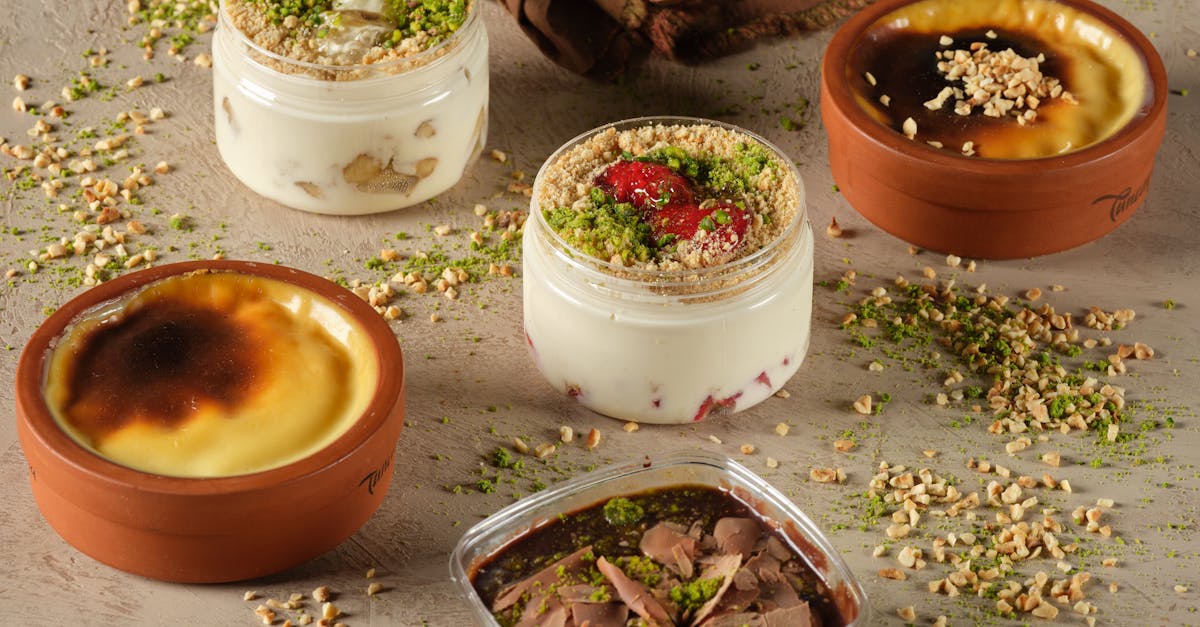
Blood pudding recipe sits at the center of many traditional breakfasts and hearty dinners. I learned to make it from my grandfather, who taught me to treat blood as an ingredient, not a curiosity, and to handle it with care. This guide gives a clear, tested method plus variations, safety notes, and serving ideas so you can make flavorful, stable blood pudding at home.
Key Takeaways
- Follow food-safety rules when making a blood pudding recipe: keep blood and meat below 40°F (4°C) during prep and cook to an internal temperature of 160°F (71°C).
- Use 12–20% pork fat and about 50–60% binder (e.g., pinhead or steel-cut oats) for a firm, sliceable blood pudding recipe that fries and holds shape.
- Temper and mix cold ingredients slowly, test a pan sample for seasoning, and rest the cooked pudding 30–60 minutes before slicing to ensure clean slices and balanced flavor.
- Adapt texture or dietary needs by testing small batches of substitutions (rice or buckwheat for gluten-free binders; reduced-fat plus gelatin for leaner puddings) to avoid wasting a full batch.
- Serve pan-fried slices with bright, acidic elements like apples, pickles, or lemon vinaigrette to cut richness and create a balanced plate.
What Is Blood Pudding? Origins And Typical Ingredients
Blood pudding (also called black pudding, blood sausage, or boudin noir in parts of France) is a sausage or molded loaf made with animal blood, fat, grain or filler, and seasonings. It first appears in written records centuries ago: many cultures developed versions independently because blood was a preservable, nutrient-dense byproduct of slaughter. That means people historically avoided waste and gained a high-iron food source.
Typical ingredients include fresh blood (usually pig or cow), pork fat, onions, and a starchy binder such as oats, barley, or rice. For example, many British-style recipes use 50–60% oatmeal in the dry mix, which gives a firm, sliceable texture. That means the porridge-like crumb holds moisture and slices cleanly.
Blood adds color, protein, and iron. Black pudding can contain up to about 10 mg of iron per 100 g, which means it can be a meaningful source of dietary iron for people who eat meat. I keep raw blood cold and use it quickly, because its quality strongly affects flavor and texture. That means you should plan your prep before you collect or buy blood.
A few quick facts: the cooking temperature and binder ratio determine whether the pudding is dense and sliceable or soft and spoonable. That means small changes in water, grain, or fat alter the final texture.
Regional Variations At A Glance
I’ve tasted at least a dozen regional varieties. Each region highlights a different balance of blood, grain, and spice. That means when you travel you can recognize origin by texture and seasoning.
- British/Irish black pudding: coarse, firm, heavy on oatmeal and white pepper: often sliced and pan-fried for breakfast. In some UK breakfasts, black pudding appears on roughly 30–40% of menus in pubs and cafés, which means it’s a common choice for traditional fry-ups.
- Spanish morcilla: often uses rice or breadcrumbs and includes smoked paprika or oregano: some versions add pine nuts or onions. That means morcilla can be sweeter or smokier depending on the spice.
- French boudin noir: finer grind and creamier mouthfeel: often seasoned with apple or cognac. That means boudin noir pairs well with fruit to cut richness.
- Scandinavian blodpudding: uses rye or other local grains and milder spices: typically sold in slices for lunch. That means it integrates easily into sandwiches.
- Latin American morcilla: can include cumin, cloves, and raisins in some regions. That means you get a hint of sweetness in the savory profile.
I like to try local versions when I travel and adapt their techniques at home. That means I borrow the seasoning ideas and apply my own binder ratios to match local ingredients.
Essential Ingredients And Substitutions
Here are the ingredients I use and the reasons I pick them. For every feature I list, I explain the reader benefit.
- Fresh animal blood (pig or cow): provides color, protein, and coagulation. That means the pudding will set when cooked.
- Fatback or pork fat (about 12–20% of final mix): adds moisture and richness. That means the finished pudding won’t be dry.
- Binder: steel-cut oats, pinhead oats, barley, or cooked rice. Oats absorb blood and swell, forming the crumb. That means you can slice the pudding without it falling apart.
- Onion and seasoning: salt, black/white pepper, and herbs like marjoram or thyme. Spices round the iron-tang of blood. That means readers get a balanced flavor without metallic notes.
- Acidic touch (a splash of vinegar or lemon): brightens flavor and helps stabilize color. That means the pudding tastes fresher and less heavy.
Substitutions I use when an ingredient is scarce:
- If I lack fresh blood, I sometimes use 15–20% reduced iron beef stock plus cooked beet puree for color: this changes the flavor and reduces authentic iron content, which means the result is safer for some kitchens but less traditional.
- If I want a gluten-free binder, I use cooked rice or buckwheat groats instead of barley, which means cross-reactive diners can still enjoy the dish.
- For a leaner pudding, I reduce fat to 8–10% and add 2% gelatin to help bind, which means the texture stays moist even with less fat.
I test every substitution in small batches before making a full batch. That means I catch texture or seasoning issues early and avoid waste.
Equipment And Prep You’ll Need
You need basic butcher and kitchen tools plus a way to keep ingredients cold. I list what I use and why it matters.
Essential equipment:
- Large mixing bowl and spatula: to combine warm grains and blood evenly. That means the binder hydrates uniformly.
- Sharp knife and cutting board: to trim fat and mince aromatics. That means you control texture and fat distribution.
- Sausage stuffer or funnel and casings (natural hog casings) if you want links. That means you get traditional cylindrical puddings for frying.
- Thermometer: instant-read and probe for cooking. The USDA guidance for ground meats and mixtures is to reach safe internal temperatures, I aim for 160°F (71°C). That means the blood and meat proteins set and the risk of pathogens drops.
- Cheesecloth or mold for tray method: for ungathered loaves. That means you can make free-form puddings without casings.
Prep steps I do before mixing:
- Chill blood and meat to below 40°F (4°C). That means bacteria grow slowly and handling is safer.
- Soak and rinse casings in cold water with a splash of vinegar. That means they stay elastic and clean.
- Cook binder to a slightly underdone state so it finishes cooking with the blood. That means you avoid gummy texture.
I store blood in sealed containers and use it within 24 hours, or I freeze it for up to 3 months. That means I preserve quality and maintain flavor.
Step-By-Step Blood Pudding Recipe
I share a tested, reliable recipe that yields a firm, sliceable black pudding. This recipe makes about 6 cups of mix or roughly six 6-inch puddings.
Preparing The Blood And Base Mixture
- Gather ingredients: 1.5 liters fresh pig’s blood, 1.5 cups pork fat (finely diced), 3 cups pinhead oats (or steel-cut), 2 medium onions (finely chopped), 2 tsp salt, 1 tsp ground black pepper, 2 tsp marjoram, and 2 tbsp vinegar. That means you have a balanced ratio of protein, fat, and binder.
- Cook binder: Toast 3 cups pinhead oats in a dry pan for 3–4 minutes, then simmer in 4 cups water for 10 minutes until slightly thick but not fully soft. That means they will absorb blood and finish cooking during steaming or simmering.
- Sweat onions: Cook onions in 2 tbsp pork fat until translucent, about 6 minutes. Add to oats. That means the aromatic base disperses evenly.
- Temper blood: Warm blood gently to about 90°F (32°C) by resting its sealed container in warm water: don’t exceed 100°F (38°C). That means the blood will mix smoothly without starting to coagulate.
Filling, Seasoning, And Binding Ingredients
- Combine fat, oats-onion mix, seasonings, and 1 tbsp vinegar in a large chilled bowl. Slowly whisk in the blood, 1 cup at a time, until it reaches a thick but pourable texture. That means you control final firmness.
- Taste a small cooked spoonful (pan-fry a teaspoon) and adjust salt or spice. I generally use 2 tsp salt per 1.5 L blood for balanced seasoning. That means you avoid an underseasoned or overly salty result.
Stuffing Into Casings Or Molding Alternatives
- For links: Rinse casings and load them onto a stuffer, keeping the mixture cold. Fill, leaving room to twist into 6-inch links. Pierce air pockets with a needle. That means you prevent bursting while cooking.
- For loaves: Line a loaf pan with cheesecloth, pour the mix to 1–1.5 inch thickness, and fold cloth over top. That means you can remove a neat loaf after cooking.
Cooking Methods: Simmering, Steaming, Baking, And Pan-Frying
- Simmering (traditional for casings): Gently poach links at 180–190°F (82–88°C) for 30–40 minutes until internal temp hits 160°F (71°C). Keep water below a rolling boil to prevent splitting. That means proteins set slowly and moisture stays locked in.
- Steaming (great for loaves): Steam the loaf pan for 45–60 minutes until internal temp reaches 160°F (71°C). That means the pudding cooks evenly with less surface evaporation.
- Baking (optional): Cover loaf with foil and bake in a water bath at 325°F (160°C) for 45–60 minutes until 160°F (71°C). That means the crumb will be slightly drier and sliceable.
- Pan-frying (to serve): Slice chilled pudding 1/3 inch thick and fry 2–3 minutes per side in a hot pan with oil until crisp at the edges. That means you get a textural contrast of crispy exterior and creamy interior.
I always rest the cooked pudding for 30–60 minutes before slicing. That means juices redistribute and the slice holds shape.
Tips For Perfect Texture And Flavor
I learned these through trial: small changes matter more than big ideas. Each tip ends with a clear “which means” statement.
- Keep everything cold until cooking. Cold fat and blood emulsify better, which means the pudding doesn’t separate during cooking.
- Use 12–20% fat by weight for richest results. Fat conducts flavor and moisture, which means the final product is tender and satisfying.
- Don’t overcook the binder before mixing. Slightly undercooked grains finish during poaching, which means you avoid a gummy interior.
- Add a bright element (apple or a splash of sherry). Acid cuts richness, which means each bite feels lighter.
- Test a pan sample for seasoning. Adjust before you fill casings, which means you won’t waste a whole batch that’s too salty.
- Let the pudding rest and chill before slicing. Cold sets the crumb, which means slices will be clean and presentable.
I keep a small notebook when I test batches and record binder ratios and cook times. That means I reproduce favored textures later.
Serving Suggestions And Pairings
Serving blood pudding well turns a heavy ingredient into a memorable dish. I pair textures and flavors to balance richness. That means the overall plate feels composed, not one-note.
Classic pairings I use:
- Pan-fried slices with fried eggs and grilled tomatoes. The fat meets acid and protein, which means each mouthful is complete.
- Boudin noir with sautéed apples and a splash of cider. Fruit brightens and cuts fat, which means the pudding tastes lively.
- Thin slices on rye with pickled cucumbers or mustard. Acid and crunch contrast the creamy center, which means the sandwich stays interesting.
- For a modern plate: serve small seared rounds with a micro-herb salad and a drizzle of lemon vinaigrette. Brightness keeps the dish from feeling heavy, which means guests finish their plates.
I sometimes pair puddings with other mains I make for weeknight dinners, like a sturdy pasta or roasted root vegetables, which keeps meals varied. For inspiration on side dishes and other savory mains I recommend, try my venison Italian recipes when you want gamey protein to complement rich puddings. (I link the recipe naturally to show pairing ideas: Venison Italian recipes).
If you prefer stuffed vegetables, sliced blood pudding works well with stuffed peppers for contrast, try pairing a small fried medallion with stuffed peppers without tomato sauce for a balanced plate. (See: Stuffed peppers without tomato sauce).
For a brunch or small-plate approach, I recommend serving slices with a sweet counterpoint, like a small spoon of chutney or a strawberry shortcake parfait on the side for contrast. (A light dessert like Strawberry Shortcake Parfait cleanses the palate.)
Portion note: I serve 60–80 g (about 2–3 oz) per person as part of a full breakfast or small plate. That means you can plan quantities accurately for guests.
Storage, Food Safety, And Reheating
I treat blood pudding like any other cooked sausage in terms of food safety. Follow these rules and you reduce risk.
- Refrigeration: Store cooked pudding in an airtight container for up to 4 days at or below 40°F (4°C). That means bacteria growth is slowed.
- Freezing: Wrap tightly and freeze up to 3 months. Thaw overnight in the fridge before reheating, which means texture stays closer to fresh.
- Reheating: Reheat slices in a medium pan until hot through (about 2–3 minutes per side). If reheating a whole loaf, warm in a 325°F (160°C) oven until internal temp reaches 145–150°F (63–66°C). That means you don’t overcook and dry it out.
- Handling raw blood: Wear gloves and use sanitized containers. Discard blood that smells sour or has turned darker than fresh blood. That means you avoid food-safety hazards.
- Cooking temperature: Ensure final internal temp reaches 160°F (71°C) for safety when using mixed meat products. That means pathogens of concern are greatly reduced.
I always label frozen packages with date and contents. That means I don’t keep items past advisable storage time.
Variations And Flavor Twists
I experiment with small additions and record outcomes.
- Apple and Calvados: Add 1 cup grated apple and 2 tbsp Calvados to the mix: the sugar and acid brighten flavor, which means the pudding feels lighter.
- Smoked paprika and roasted garlic: Add 1 tsp smoked paprika and 1 tbsp roasted garlic for smoky depth, which means the pudding pairs well with grilled vegetables.
- Spicy chorizo-style: Add 1 tbsp smoked chili and 1 tsp cumin for heat: use rice as a binder for texture, which means the pudding takes on Spanish-style notes.
I test each twist in a 10–15% batch so I don’t waste ingredients. That means I can discard failed experiments without much loss.
Vegetarian And Vegan Alternatives
I make alternatives for guests who avoid blood. These mimic texture and color while staying plant-based.
- Mushroom-and-beet loaf: Use 400 g finely chopped mushrooms, 1 cup cooked black beans, 1/2 cup beet purée for color, 1 cup oats, and 1/2 cup vegetable stock. Bind with 1 tbsp flaxseed mixed with 3 tbsp water. That means you get an earthy, umami-rich loaf with a deep color.
- Blood-free “black pudding” using black beans and roasted beets: Add smoked paprika and a tablespoon of soy sauce to mimic savory depth, which means the alternative satisfies similar flavor expectations.
These versions contain no blood and can be seasoned to echo traditional spices. That means you can serve a similar plate to a mixed group of diners without offending dietary choices.
Conclusion
I make blood pudding when I want a rich, iron-forward dish that slices and fries well. I recommend starting with a small batch and following the temperature and handling rules carefully. That means you reduce risk and learn the texture you prefer.
Key takeaways I want you to remember:
- Keep ingredients cold and target 160°F (71°C) internal temp for safety, which means you cook with confidence.
- Use 12–20% fat and a solid binder like pinhead oats for a stable, sliceable pudding, which means you’ll get consistent results.
- Try small flavor variations, apple, smoked paprika, or cognac, to find the profile you like, which means you can adapt the basic recipe to many cuisines.
If you want inspiration for sides, fillings, or other savory recipes to pair with blood pudding, check my notes on venison pairings and stuffed peppers. (Suggested reads: Venison Italian recipes, Stuffed peppers without tomato sauce, Strawberry Shortcake Parfait for palate-cleansing dessert ideas.)
I welcome questions about substitutions, scaling recipes, or safety details. Try one small batch, take notes, and you’ll find a version that becomes your go-to. That means you’ll build skill and confidence with a traditional food that rewards careful handling and clear technique.
Frequently Asked Questions
What is a basic blood pudding recipe and key ratios to get a sliceable texture?
A basic blood pudding recipe uses about 1.5 L fresh blood, 12–20% pork fat, and a starchy binder (3 cups pinhead or steel-cut oats). Keep grains slightly undercooked and use the stated fat ratio so the pudding sets firm and slices cleanly after chilling.
How should I handle and store fresh blood safely before making blood pudding?
Keep raw blood chilled below 40°F (4°C), use within 24 hours, or freeze up to 3 months in sealed containers. Wear gloves, sanitize surfaces, and discard blood that smells sour or looks unusually dark to reduce food-safety risks before mixing into your pudding.
What cooking method and internal temperature should I use for a safe blood pudding recipe?
Simmer links gently at 180–190°F (82–88°C) or steam/bake loaves until the internal temperature reaches 160°F (71°C). Avoid boiling to prevent splitting; rest and chill before slicing so the crumb firms and moisture redistributes for safer, better texture.
Can I make gluten-free or vegetarian versions of black pudding if I need alternatives?
Yes. For gluten-free, substitute cooked rice or buckwheat for barley/oats. For vegetarian ‘black pudding’ try mushroom-and-beet loaves or black bean and beet purée with oats and flax binder. These mimic texture and color while avoiding blood and gluten, with adapted seasonings.
Is traditional blood pudding halal or kosher, and are there meat-free options for religious diets?
Traditional blood pudding usually contains pork and animal blood, so it is not halal or kosher. For religious or dietary restrictions, use the vegetarian/vegan alternatives (mushroom-and-beet or black-bean versions) or seek certified halal/kosher blood-free products that mimic the flavor profile.
