
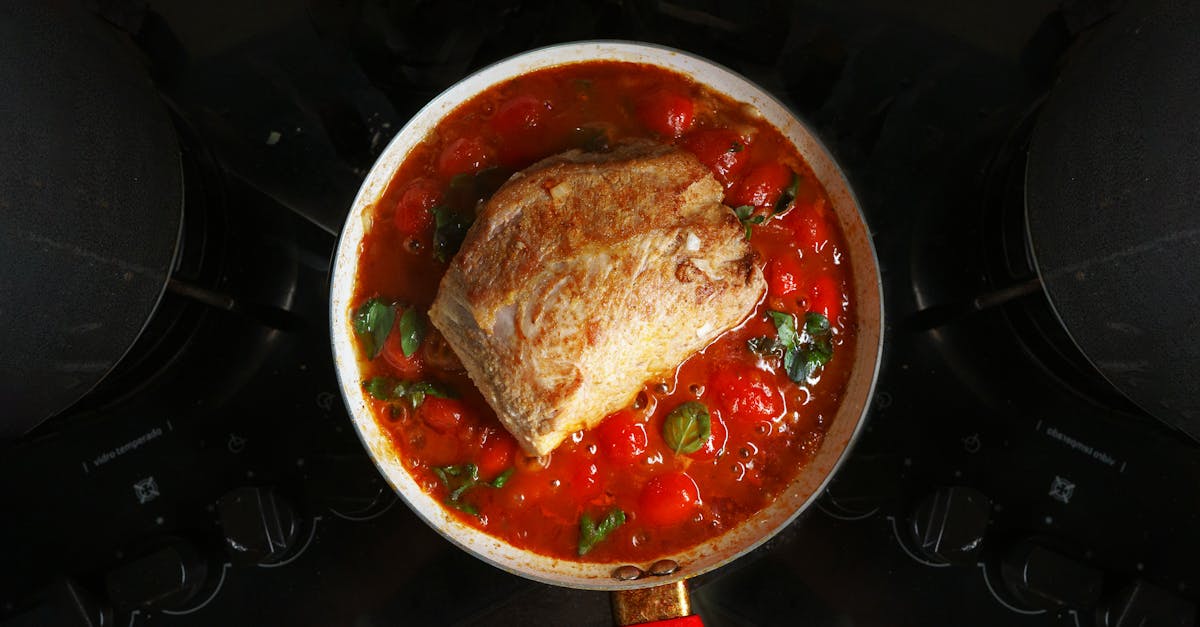
The first time I cooked beef knuckle, I expected “edible.”
What I got was sliceable, silky beef with a gravy that set like soft gel in the fridge, which means I had built real body from collagen instead of fake thickness. That moment sold me on this cut.
This beef knuckle recipe uses a classic low-and-slow braise to turn a tough, hardworking muscle into fork-tender meat and a glossy, rich gravy. I’ll show you exactly how I prep it, how I check doneness, and how I fix the sauce if it goes sideways.
Key Takeaways
- This beef knuckle recipe relies on low-and-slow braising to convert collagen into gelatin, giving you fork-tender slices and a naturally rich, glossy gravy.
- Buy a 2.5–4 lb sirloin tip knuckle with uniform thickness and minimal silverskin, because large, even roasts stay juicier and slice cleaner than pre-cut stew chunks.
- Salt early (ideally a 12–24 hour dry brine), pat the meat dry, and sear over medium-high without burning the fond to build deep flavor and avoid bitter gravy.
- Braise at about 300°F with liquid only halfway to two-thirds up the roast, then cook until the fork slides in easily (often 190–205°F) rather than stopping at the “safe” temperature.
- Rest the beef 20–30 minutes and slice against the grain to keep this beef knuckle recipe moist, tender, and neatly sliceable.
- Strain, skim, and reduce the braising liquid for the best texture, then thicken only if needed (gelatin first, roux for classic gravy, or a cornstarch slurry as a fast rescue).
What Beef Knuckle Is And Why It Works So Well For Braising
Steam fogs the lid. The kitchen smells like onions and black pepper. Then you lift the beef out and it wiggles slightly, which means the collagen has melted into gelatin and the meat will feel plush instead of chewy.
Beef knuckle (often called sirloin tip knuckle) comes from the round area near the hind leg. It works hard, which means it carries strong beef flavor but also tight muscle fibers that need time and moisture.
Braising solves that. Gentle heat plus liquid breaks down collagen into gelatin, which means you get tenderness and a natural sauce base without adding much.
A useful data point: collagen conversion happens over time in the 160–205°F range, and gelatin-rich braises often finish when the meat reaches the high 180s to low 200s and yields to a fork. The USDA lists 145°F as a safe minimum for whole cuts with rest time, which means safety and tenderness are two different goals in braising. I cook for tenderness, not just a number. Source: USDA Food Safety and Inspection Service.
Beef Knuckle Vs. Shank, Chuck, And Round
I learned this the hard way by swapping cuts mid-week and pretending it “didn’t matter.” It mattered.
Here’s how I think about the common braising options.
| Cut | Where it comes from | Texture after braise | Best use | What it means for you |
|---|---|---|---|---|
| Beef knuckle | Round/sirloin tip area | Sliceable, leaner but still juicy if handled right | Pot roast style slices, gravy | Less fat than chuck, which means you must control heat and rest time |
| Chuck roast | Shoulder | Shreddable, fatty | Classic pot roast, tacos | More intramuscular fat, which means it forgives timing errors |
| Beef shank | Leg | Very gelatin-rich with marrow | Soups, osso buco style | Tons of collagen, which means amazing body but longer cook |
| Top/bottom round | Rear leg | Can dry if rushed | Roast beef, thin slicing | Lean muscle, which means it needs careful braise or very thin slicing |
If you want neat slices that still feel tender, beef knuckle hits a sweet spot.
Buying Beef Knuckle: Cuts, Sizes, And What To Ask The Butcher For
The surprise: beef knuckle shows up under different names, which means you can miss it even when it is in the case.
When I buy it, I ask for:
- “Sirloin tip knuckle” or “beef knuckle roast” (about 2.5–4 lb) which means I get a piece that braises evenly in a Dutch oven.
- Uniform thickness (avoid long skinny wedges) which means fewer dry edges.
- Minimal silverskin left on the outside (or ask them to trim it) which means less chewy connective tissue on the slice.
If the butcher offers pre-cut chunks for stew, I skip them for this recipe. Big pieces hold moisture better, which means juicier slices and cleaner grain when you cut.
Ingredients And Equipment You’ll Need
You can smell the difference before you taste it. When the tomato paste hits hot oil, it turns brick-red and sweet, which means your gravy will taste roasted, not raw.
This is my baseline shopping list for a 3 to 3.5 lb beef knuckle.
Core ingredients (serves 6):
- 3–3.5 lb beef knuckle roast
- 2 tsp kosher salt (plus more to finish)
- 1 tsp black pepper
- 2 tbsp neutral oil
- 1 large onion, diced (about 10 oz)
- 2 carrots, diced (about 6 oz)
- 2 celery ribs, diced (about 4 oz)
- 6 garlic cloves, smashed
- 2 tbsp tomato paste
- 2 cups beef stock (low sodium)
- 1 cup dry red wine (or more stock)
- 2 bay leaves
- 6 sprigs thyme (or 1 tsp dried)
Optional but smart:
- 1 tbsp Worcestershire which means deeper savoriness.
- 1 tsp soy sauce which means extra umami without tasting “soy.”
Flavor Builders: Aromatics, Herbs, And Spices That Pair Best
A small twist changes everything. I once added orange peel by accident (wrong prep bowl). It worked.
My most reliable flavor set:
- Onion + carrot + celery (mirepoix) which means sweetness and a rounded base.
- Tomato paste which means roasted depth and better color.
- Thyme + bay which means a classic “pot roast” smell.
- Black pepper + a pinch of allspice (optional) which means warmth without heat.
Concrete ratio I use: 2 tablespoons tomato paste per 3 lb roast. That amount cooks down fast and never dominates, which means the beef still tastes like beef.
Best Liquids For Braising: Stock, Wine, Beer, Or Tomato
Liquid matters because it becomes your gravy.
| Liquid | Flavor | When I use it | What it means for you |
|---|---|---|---|
| Beef stock | Clean, meaty | Default | Predictable gravy, which means fewer “mystery” flavors |
| Red wine | Dark fruit + tannin | Classic braise | More complexity, which means you can serve it to guests and feel confident |
| Beer (stout/porter) | Toast + bitter edge | Winter braises | Bold flavor, which means you must reduce well to smooth bitterness |
| Crushed tomato | Bright + acidic | Italian style | Tangy sauce, which means great with pasta |
I keep the pot at about 1/2 to 2/3 liquid up the sides of the meat, not submerged. That level braises and steams at once, which means the top stays roast-like while the bottom turns silky.
Dutch Oven Vs. Slow Cooker Vs. Pressure Cooker
I test recipes in a 6-quart enameled Dutch oven because it browns well and holds heat, which means better flavor and steadier cooking.
Here is the practical comparison.
| Tool | Strength | Weak spot | Best for | What it means for you |
|---|---|---|---|---|
| Dutch oven (oven braise) | Best browning + reduction | Takes time | Best overall flavor | One pot does everything, which means fewer steps and richer gravy |
| Slow cooker | Hands-off | Weak browning | Weeknights | Great texture, which means you should reduce sauce separately |
| Pressure cooker | Fast collagen breakdown | Less control on “perfect slice” | Time crunch | Tender in ~90 min, which means you can cook this on a work night |
I still prefer the Dutch oven for this beef knuckle recipe because it builds a sauce that tastes finished, not “boiled.”
Prep Steps That Make Beef Knuckle Tender
The transformation starts before heat. Salt hits the surface and the meat looks wet after 20 minutes, which means it is pulling moisture out and then pulling it back in.
These prep steps look small. They decide if your beef knuckle turns buttery or tight.
Trimming, Tying, And Portioning For Even Cooking
I do three quick checks.
- Trim hard silverskin from the outside.
- Silverskin stays tough, which means it can ruin an otherwise tender slice.
- Tie the roast with kitchen twine every 1.5 inches.
- Tying holds shape, which means even thickness and cleaner slicing.
- Portion only if needed.
- If the roast is over 4.5 lb, I cut it into two chunks.
- Smaller pieces cook more evenly, which means fewer overcooked edges.
Salting Strategy: Dry Brine Vs. Same-Day Seasoning
Salt timing changes texture.
- Dry brine (best): salt the roast with 2 tsp kosher salt and chill it uncovered for 12–24 hours.
- This seasons deeper, which means the center tastes beefy instead of bland.
- Same-day: salt 45–60 minutes before searing.
- This helps browning and surface flavor, which means the crust tastes seasoned.
I avoid salting just 5 minutes before searing. That timing pulls water out but does not pull it back in, which means you fight steam instead of browning.
Searing For Browning Without Burning
Searing smells like popcorn and toasted beef. That smell is the Maillard reaction, which means you are building flavor you cannot add later.
My method:
- Pat the roast very dry with paper towels.
- Heat oil until it shimmers.
- Sear 3–4 minutes per side (all sides) over medium-high.
Two warnings from my own tests:
- Don’t crank heat to max. The fond turns black fast, which means bitter gravy.
- Don’t crowd the pot. Crowding traps steam, which means gray meat and weak sauce.
Classic Braised Beef Knuckle (Step-By-Step)
You pull the lid at hour three and press the meat with tongs. It pushes back, then yields. That moment signals the turn, which means the connective tissue has started to melt.
This is my core beef knuckle recipe. I cook it in the oven because oven heat stays gentle and even, which means I get tender slices instead of shredded strands.
Cook time: ~3.5 to 4.5 hours total
Oven temp: 300°F
Build The Base: Sear, Sauté, Deglaze
- Heat the oven to 300°F.
- Low heat prevents the boil, which means less dryness.
- Sear the beef knuckle in a Dutch oven (2 tbsp oil), then remove to a plate.
- Browning makes fond, which means richer gravy.
- Sauté the mirepoix (onion, carrot, celery) for 8–10 minutes.
- Slow sauté pulls out sweetness, which means a rounder sauce.
- Add garlic and cook 30 seconds.
- Short cook prevents bitterness, which means clean aroma.
- Add tomato paste and cook 2 minutes, stirring.
- Toasting removes raw taste, which means the gravy tastes roasted.
- Deglaze with 1 cup red wine (or stock). Scrape the bottom for 60 seconds.
- Deglazing dissolves fond, which means you keep flavor in the pot instead of burning it.
- Add 2 cups stock, bay leaves, thyme, and optional Worcestershire.
- Herbs infuse the liquid, which means the meat tastes seasoned through the bite.
Braise Low And Slow: Time, Temperature, And Doneness Cues
- Return beef to the pot.
- Add liquid until it reaches about halfway up the roast.
- Bring to a gentle simmer on the stove (small bubbles), then cover.
- Braise in the oven for 2.5 hours, then check every 30 minutes.
My doneness cues:
- A fork slides in with little resistance, which means collagen has converted.
- The meat trembles when lifted, which means gelatin has formed.
- Internal temp often reads 195–205°F, which means you are in the tenderness zone.
If the meat still feels tight at 3 hours, I keep going. Time fixes toughness more than heat does, which means patience beats turning up the oven.
Resting, Slicing, And Serving For Maximum Juiciness
Resting changes the texture in a way you can feel.
- Move the beef to a board.
- Tent with foil and rest 20–30 minutes.
- Resting redistributes juices, which means slices stay moist.
- Slice against the grain into 1/4–1/2 inch slices.
- Cutting against the grain shortens fibers, which means each bite feels more tender.
I spoon a little hot braising liquid over the slices right before serving, which means the surface stays glossy and warm.
If you want a fun side project while the roast rests, I sometimes prep a crunchy snack like pumpkin crackers for the table, which means people stop hovering around the cutting board and you get five quiet minutes.
How To Make A Smooth, Rich Gravy From The Braising Liquid
The best signal sits in your fridge the next morning. The braising liquid turns into a soft, brown gel, which means the beef released natural gelatin and your gravy will taste full.
A braise can taste great and still have a messy sauce. I build a gravy that looks silky, not cloudy.
Strain And Reduce: Concentrating Flavor
- Pour the braising liquid through a fine strainer into a saucepan.
- Straining removes fiber and herbs, which means a smoother gravy.
- Let it sit for 5 minutes, then skim fat.
- Skimming removes greasiness, which means clean flavor.
- Simmer to reduce by 25–35%.
- Reduction concentrates taste, which means you need less salt to get big flavor.
Concrete example: if I start with 4 cups, I reduce to about 3 cups.
Thickening Options: Roux, Slurry, Or Natural Gelatin
You have three solid options.
| Method | How I do it | Best for | What it means for you |
|---|---|---|---|
| Natural gelatin | Reduce and chill: reheat | When collagen is high | Cleanest mouthfeel, which means the sauce feels “restaurant” without flour |
| Roux | 2 tbsp butter + 2 tbsp flour, then whisk in | Classic gravy | Strong thickening, which means it holds on mashed potatoes |
| Slurry | 1 tbsp cornstarch + 1 tbsp cold water per cup | Fast fix | Quick thickness, which means you can save dinner in 2 minutes |
I prefer gelatin + reduction first. Flour is my backup, which means I avoid a pasty taste when I don’t need it.
Fixing Common Sauce Issues: Too Salty, Too Thin, Too Bitter
Sauce problems happen. I fix them fast.
- Too salty: add unsalted stock 1/4 cup at a time, then re-reduce.
- Dilution lowers salt, which means you keep the flavor without the burn.
- Too thin: reduce longer, or add slurry in 1 tsp steps.
- Small steps prevent gummy texture, which means the gravy stays smooth.
- Too bitter: whisk in 1 tsp honey or 1 tbsp cold butter.
- Sweet or fat rounds bitter notes, which means the finish tastes softer.
If your fond went black during searing, you will taste bitterness forever. That scorch carries through, which means your best fix is to start a fresh sauce base.
Timing Guide And Doneness Checks
Here is the weird truth: a beef knuckle can hit “safe” temperature and still feel like a tire.
Braising aims for collagen breakdown. That goal needs both heat and time, which means your fork matters more than your thermometer.
Internal Temperature Targets Vs. Fork-Tender Texture
I still use a thermometer, but I treat it as a map, not a judge.
| Result you want | Internal temp range | Texture test | What it means for you |
|---|---|---|---|
| Sliceable but tender | 190–200°F | Fork slides in: slight resistance | Clean slices, which means better plating |
| Very tender / shreddable | 200–205°F | Fork twists easily | Pulled beef, which means great sandwiches |
I check the thickest part. I avoid poking in ten places. Every hole leaks juice, which means a drier roast.
Common Reasons Beef Knuckle Turns Tough And How To Prevent It
I have caused every one of these at least once.
- You cooked too hot.
- A hard boil tightens muscle, which means dryness.
- Fix: keep the pot at a gentle simmer and the oven at 275–325°F.
- You stopped too soon.
- Collagen needs time, which means “tough” often means “not done.”
- Fix: add 30–60 minutes and re-check.
- You sliced with the grain.
- Long fibers feel chewy, which means you lose tenderness even if cooked right.
- Fix: rotate the roast and look for the grain lines before slicing.
- You skipped the rest.
- Hot meat dumps juice, which means wet board and dry slices.
- Fix: rest 20–30 minutes.
A practical warning: if your braise runs dry and you smell scorching, add 1 cup hot stock immediately. Scorching ruins the sauce, which means you lose the best part of this dish.
Recipe Variations By Cuisine And Cooking Method
A single swap can change the whole mood. One night it tastes like Sunday pot roast. Another night it tastes like soy and garlic and midnight noodles.
These variations keep the same core method, which means you can reuse the skills and still avoid boredom.
Red Wine And Herb Pot Roast Style
This version tastes like a steakhouse roast.
Changes I make:
- Use 2 cups red wine and 1 cup stock.
- Add 1 tbsp Dijon mustard.
- Add 1 sprig rosemary (small).
What it means for you: wine tannins add structure, which means the gravy tastes deeper after reduction.
Specific data point: alcohol boils at 173°F, so most alcohol cooks off during a long simmer and oven braise, which means you get flavor without a sharp alcohol bite. Source: USDA on cooking with alcohol.
Garlic-Soy Braised Beef Knuckle
This is my “rice bowl” braise.
Changes I make:
- Replace wine with 1.5 cups stock + 1/2 cup soy sauce (use low sodium).
- Add 2 tbsp brown sugar.
- Add 1 tbsp rice vinegar at the end.
- Add 1 inch ginger, sliced.
What it means for you: soy and sugar create a glossy glaze when reduced, which means the sauce clings to meat and rice.
I serve this with something crisp. If I have time, I build a snack plate with stuffed sandwich ideas, which means leftovers disappear faster than planned.
Pressure Cooker And Slow Cooker Adaptations
These tools trade flavor control for convenience.
Pressure cooker (6-quart):
- Sear on sauté.
- Build the base the same way.
- Pressure cook 60–75 minutes on high.
- Natural release 15 minutes.
What it means for you: pressure speeds collagen breakdown, which means you can get tenderness in about 90 minutes.
Slow cooker (6-quart):
- Sear in a skillet first.
- Add everything to the slow cooker.
- Cook 8–9 hours on Low or 4–5 hours on High.
- Reduce sauce in a saucepan after.
What it means for you: the slow cooker holds steady heat, which means you can leave the house without stress.
Honest assessment: slow cookers often produce thinner sauce. The lid traps moisture, which means you must reduce if you want gravy texture.
What To Serve With Beef Knuckle
You ladle gravy onto starch and it finds every crack. That soak-in is the point, which means you built a meal that feels comforting and complete.
Starches And Veg Sides That Soak Up Gravy
I choose sides that catch sauce.
Best pairings:
- Mashed potatoes which means maximum gravy coverage.
- Egg noodles which means fast weeknight serving.
- Polenta which means a smooth, rich base.
- Roasted carrots or parsnips which means sweet contrast.
- Braised cabbage which means a bitter edge against rich meat.
If you want a crisp contrast, a thin-crust snack can work. I sometimes make tostada pizza while the beef rests, which means the table gets crunch without extra work.
Concrete portion guide I use:
- 6–8 oz cooked beef per adult which means one roast can feed 6 with sides.
Leftover Ideas: Sandwiches, Tacos, And Pasta
Leftovers taste better the next day because the gelatin sets and flavors marry, which means lunch can beat dinner.
My go-to uses:
- French dip sandwiches: slice beef thin, warm in gravy.
- Warm-in-gravy adds moisture, which means no dry sandwich.
- Tacos: shred beef, reduce sauce until sticky, add onions and cilantro.
- Sticky sauce clings, which means each bite tastes seasoned.
- Pasta ragù: chop beef, add to reduced braising liquid, toss with pappardelle.
- Wide noodles hold sauce, which means less pooling on the plate.
If you want a sweeter finish after a rich braise, I like small, neat desserts like macarons, which means the meal ends clean instead of heavy.
Storage, Freezing, And Reheating Without Drying Out
Day two is the hidden prize. The fat rises in a clean cap and the gravy turns to gel, which means reheating gets easier, not harder.
Best Way To Reheat Sliced Vs. Shredded Beef
I reheat in liquid. Dry heat steals moisture, which means the lean knuckle can tighten.
For sliced beef:
- Place slices in a saucepan.
- Cover with gravy (or add 1/4 cup stock).
- Warm at medium-low until 165°F.
What it means for you: gentle heat keeps fibers relaxed, which means slices stay tender.
For shredded beef:
- Toss shredded meat with a few spoons of gravy.
- Heat in a covered skillet on low for 5–8 minutes.
What it means for you: sauce coats each strand, which means you avoid dry bits.
Food safety note: the USDA recommends reheating leftovers to 165°F, which means you reduce risk while keeping texture. Source: USDA Leftovers and Food Safety.
Freezer Tips For Meat And Gravy
I freeze meat and gravy in portions.
- Freeze in 2-cup containers or freezer bags laid flat.
- Flat packs thaw faster, which means less time in the danger zone.
- Freeze with gravy whenever possible.
- Gravy protects the meat, which means less freezer burn.
- Use within 3 months for best flavor.
- Short storage preserves aroma, which means the beef still tastes “fresh-cooked.”
I thaw overnight in the fridge. Fast thaw on the counter invites bacteria growth, which means you add risk for no gain.
Conclusion
Beef knuckle looks plain in the package. Then it turns into tender slices and real gravy if you treat it right, which means you can get a “special dinner” result from a budget-friendly cut.
I rely on three rules: salt early, sear with control, and braise until the fork says yes, which means I stop guessing and start repeating wins.
If you cook this once, write down your finish time and your doneness cues. That tiny note becomes your cheat code next time, which means the second braise feels easy instead of uncertain.
Frequently Asked Questions (Beef Knuckle Recipe)
What is a beef knuckle recipe best used for?
A beef knuckle recipe is ideal for low-and-slow braising, turning this hardworking round cut into sliceable, fork-tender beef with a naturally glossy gravy. Because knuckle is leaner than chuck, gentle heat, enough liquid, and a proper rest are key for juicy slices.
How long do you braise beef knuckle in the oven for fork-tender results?
For this beef knuckle recipe, braise at 300°F for about 3.5–4.5 hours total, checking after 2.5 hours and then every 30 minutes. It’s done when a fork slides in easily and the roast trembles when lifted; internal temp often lands around 195–205°F.
Why is my beef knuckle tough even though it reached a safe temperature?
Beef knuckle can hit USDA-safe temps and still be tough because braising targets collagen breakdown, not just doneness. Common causes are cooking too hot (boiling tightens fibers), stopping too soon (needs more time), slicing with the grain, or skipping the 20–30 minute rest.
How do you make gravy from beef knuckle braising liquid without it turning greasy or cloudy?
Strain the braising liquid, let it sit briefly, then skim the fat for a cleaner flavor. Reduce it by about 25–35% to concentrate taste and body. If it still needs thickening, use a roux for classic gravy or a cornstarch slurry for a quick fix.
Can I make this beef knuckle recipe in a slow cooker or pressure cooker instead of a Dutch oven?
Yes. In a pressure cooker, sear and build the base, then cook 60–75 minutes on high with a 15-minute natural release. In a slow cooker, sear separately, cook 8–9 hours on Low (or 4–5 on High), then reduce the sauce on the stove for better gravy texture.
What’s the best way to reheat braised beef knuckle without drying it out?
Reheat beef knuckle in its gravy, not dry heat. Warm sliced beef gently in a saucepan covered with gravy (or add a splash of stock) until it reaches 165°F. For shredded beef, toss with a few spoonfuls of gravy and heat covered on low to keep it tender.
