
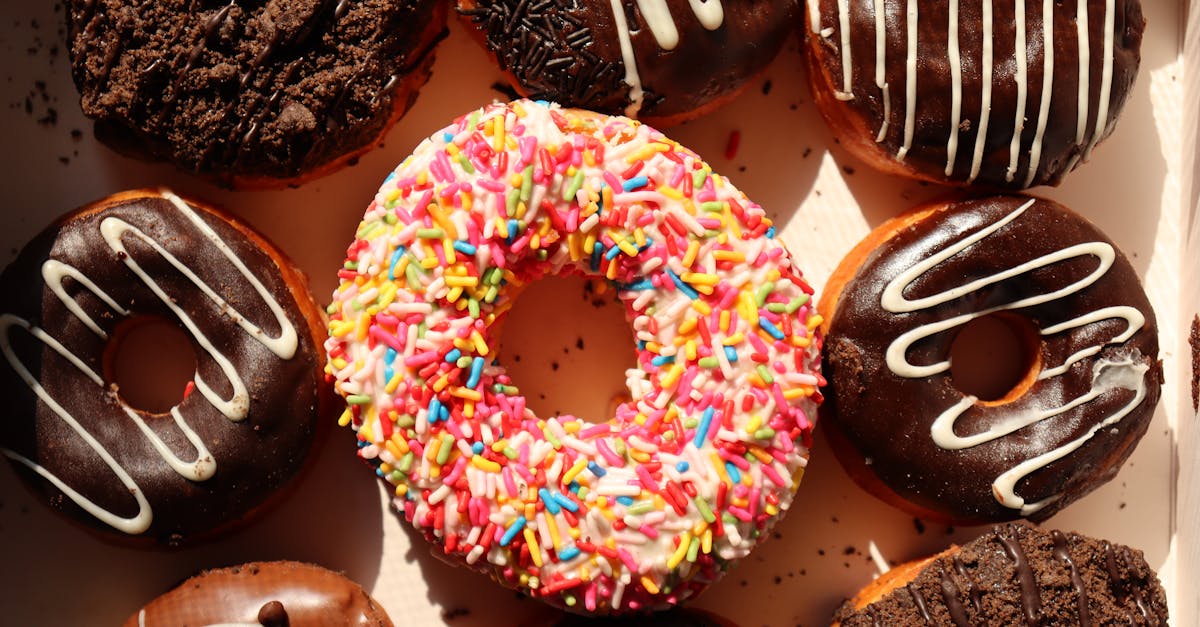
The first time I made a basic glazed donut recipe at home, I expected “pretty good.”
I got hot, feather-light donuts that crackled under a thin vanilla glaze, which means I stopped buying dozen-box donuts for a while.
This guide shows my exact method for fluffy yeast donuts with a classic vanilla glaze, which means you can repeat the result without guesswork.
Key Takeaways
- This basic glazed donut recipe delivers feather-light yeast donuts by prioritizing proper proofing and stable oil temperature over fancy equipment.
- Use the poke, look, and jiggle tests to stop the second proof at “puffy with a slight dent,” because overproofed donuts wrinkle, collapse, and turn oily.
- Measure ingredients—especially flour—by weight and keep the dough tacky (not sticky) to avoid tough donuts and maintain a fluffy, shop-style crumb.
- Hold frying oil at 345–355°F and fry in small batches so donuts brown evenly, cook through, and don’t absorb excess oil.
- Make a smooth vanilla glaze by whisking powdered sugar with milk in small adjustments, then dip donuts when they’re warm (about 110–130°F) for a thin, crackly set.
- For best results and make-ahead flexibility, glaze and eat donuts the same day, or freeze unglazed donuts and rewarm before glazing to restore that just-fried texture.
What Makes A Great Glazed Donut
A great glazed donut feels like a small magic trick.
It looks simple, but it lands air-light, evenly browned, and sweet without being sticky, which means you taste vanilla and butter instead of grease.
Here is the standard I use when I test batches at home: a 55–65 gram donut (before glazing) should feel surprisingly light in my hand, which means the dough trapped enough gas during proofing.
“If the donut feels heavy before it hits the glaze, the glaze can’t save it.”
I also watch oil temperature like a hawk.
A 25°F swing can turn a donut from tender to oily, which means temperature control matters more than fancy gear.
Yeast-Raised Vs. Cake Donuts
Yeast-raised donuts use yeast fermentation, which means the dough builds flavor and a stretchy structure that fries up fluffy.
Cake donuts use chemical leaveners (like baking powder), which means they fry up quicker and denser with a tight crumb.
For this post, I stick to yeast donuts because the search intent is “basic glazed donut recipe,” which means most readers want the classic shop-style texture.
A concrete difference you can feel: my yeast donuts typically gain about 70–90% in volume during proofing, which means they get that airy bite.
Key Signs Of A Properly Proofed Donut
Proofing makes or breaks this recipe.
I use three quick checks, which means I don’t rely on the clock alone.
- The poke test: I press the dough lightly and I watch it spring back slowly.
It should leave a slight dent, which means the donut holds gas but still has strength.
- The look: the cut donuts should look a bit puffy and rounded at the edges.
A flat, sharp-edged ring usually needs more time, which means the interior may fry dense.
- The jiggle: I shake the tray gently.
The donuts should wobble like a soft pillow, which means the gluten relaxed and the dough trapped bubbles.
If the donuts inflate a lot and then wrinkle when I touch them, I treat that as overproofed, which means they can collapse in the fryer and absorb oil.
Ingredients And Tools You’ll Need
When I keep ingredients basic and measured, my donuts turn out consistent.
That consistency saves batches, which means I waste less flour and oil.
Below is my working list for about 12 donuts plus holes.
Dough Ingredients And Why They Matter
I use:
- Whole milk (240 g / 1 cup), warm (95–105°F), which means yeast wakes up without dying.
- Active dry yeast (7 g / 2¼ tsp), which means the dough rises with a clean, classic flavor.
- Granulated sugar (50 g / ¼ cup), which means yeast gets fuel and the donut browns faster.
- Large egg (1), which means the dough gains richness and a softer crumb.
- Unsalted butter (56 g / 4 tbsp), melted and cooled which means you get tenderness without greasy dough.
- All-purpose flour (390–420 g / 3¼–3½ cups), which means you can adjust for humidity and egg size.
- Fine salt (6 g / 1 tsp), which means the donut tastes like “donut,” not plain bread.
I weigh flour because small measuring errors compound.
In my kitchen tests, a 30 g flour over-measure made donuts noticeably tougher, which means a scale gives you a real advantage.
Glaze Ingredients And Variations
My classic glaze uses:
- Powdered sugar (240 g / 2 cups), sifted which means the glaze melts smooth without gritty lumps.
- Milk (45–60 g / 3–4 tbsp) which means you control thickness.
- Vanilla extract (5 g / 1 tsp) which means the glaze smells like a donut shop.
- Fine salt (a pinch) which means sweetness tastes brighter.
Simple variations I actually use:
- Add ½ tsp espresso powder, which means you get a faint coffee note without bitterness.
- Swap 1 tbsp milk for fresh orange juice, which means the glaze tastes lighter.
- Add ½ tsp almond extract (and use less vanilla), which means you get a bakery-style aroma.
If you like collecting recipes and organizing them, I keep printable sheets in a binder system similar to these recipe dividers for a 3-ring binder, which means I can repeat the same donut batch months later.
Essential Tools (And Practical Substitutes)
You do not need a pro fryer.
You need steady heat and safe handling, which means a few basics matter.
| Tool | Why I use it | Practical substitute | Which means… |
|---|---|---|---|
| Digital scale | I weigh flour and liquids | Measuring cups | fewer dense batches from over-flouring |
| Instant-read thermometer | I check milk temp and oil temp | Candy thermometer | you avoid killing yeast or frying too hot |
| Stand mixer with dough hook | I knead evenly | Hand kneading 10–12 minutes | you still get gluten strength |
| Heavy pot or Dutch oven | Heat stays stable | Deep cast-iron skillet | oil temp drops less when donuts go in |
| Spider strainer | I lift donuts safely | Slotted spoon | fewer splashes and less tearing |
| Donut cutter (3–3.5 in) | Uniform rings | 3 in round + 1 in round | even frying and even proofing |
| Wire rack + sheet pan | Draining and glazing | Paper towels + rack | less soggy crust |
Safety note: I keep a lid nearby.
A lid can smother an oil flare-up fast, which means you avoid panic moves near hot oil.
How To Make Yeast Donut Dough
The dough should feel like a soft stress ball.
It should feel tacky but not sticky, which means it will rise high and still handle cleanly.
Here is my step-by-step process.
- I warm the milk to 95–105°F.
That range protects yeast, which means the dough rises on schedule.
- I stir in 1 tsp of the sugar and the yeast.
I wait 8–10 minutes until foam forms, which means the yeast is active.
- I add the remaining sugar, egg, melted butter, salt, and about 390 g flour.
I mix until a shaggy dough forms, which means I can judge hydration.
- I knead until smooth and elastic.
In a mixer, I knead 6–8 minutes on medium-low, which means gluten develops without overheating.
- I adjust flour only if needed.
I add 1 tbsp (8–10 g) at a time, which means I avoid a dry dough.
Mixing And Kneading To The Right Texture
I look for a dough that clears the bowl but still clings slightly at the bottom.
That texture signals enough water, which means a lighter crumb after frying.
If I knead by hand, I use the slap-and-fold method for 10–12 minutes.
That method builds strength fast, which means I do not need extra flour on the counter.
Concrete cue: I stop kneading when I can stretch a small piece into a thin “window” without tearing right away.
That window test shows gluten development, which means the donuts hold gas and puff.
First Rise: Timing, Temperature, And Visual Cues
I oil a bowl lightly and I turn the dough once.
That oil prevents sticking, which means I do not deflate the dough when I remove it.
I cover the bowl and let it rise at 75–80°F for 60–90 minutes.
That range speeds yeast without sour notes, which means the flavor stays classic.
I do not chase “double in size” as a slogan.
I chase a real metric: the dough should expand about 1.7× and feel airy when I lift it, which means I will get a tender ring and not a bready one.
For a quick warm spot, I preheat my oven for 60 seconds, turn it off, and place the bowl inside with the light on.
That gives me a steady proof box effect, which means the rise stays predictable.
Cutting And Shaping Donuts (And Donut Holes)
This step feels like play.
Then one wrong roll turns the donuts tough, which means gentleness matters.
- I flour the counter lightly.
A light dust prevents sticking, which means I avoid adding extra flour into the dough.
- I pat and roll the dough to ½ inch (12–13 mm) thick.
This thickness fries through cleanly, which means you avoid raw centers.
- I cut donuts and holes.
I press straight down and I lift straight up, which means the edges stay clean and rise well.
- I place each donut on parchment squares.
Parchment makes transfers easy, which means I do not stretch the proofed dough.
Rolling Thickness And Cutter Tips
I aim for donuts that measure 3 to 3.5 inches across.
That size cooks evenly in home pots, which means fewer burnt edges.
If you do not own a donut cutter, I use:
- A 3-inch cup for the outside.
- A 1-inch bottle cap for the hole.
That combo gives consistent rings, which means the donuts proof and fry at the same rate.
Second Proof: Preventing Overproofing
I cover the tray loosely.
Loose cover prevents drying, which means the crust stays elastic.
I proof at room temp for 30–45 minutes.
I stop when the donuts look puffy and pass the poke test, which means they will float and brown evenly.
Practical warning: overproofing happens fast in a warm kitchen.
In my 82°F summer kitchen, donuts went from perfect to fragile in 12 minutes, which means you should start heating oil early and watch the dough, not the timer.
How To Fry Donuts For Even Color And Light Texture
The first donut hit the oil and it floated like a life ring.
That float is the sign you want, which means the dough trapped enough air.
I fry in small batches.
Small batches protect oil temperature, which means the donuts do not soak up oil.
Choosing The Best Oil And Setting Up Safely
I use refined canola or vegetable oil.
These oils have a neutral taste, which means vanilla and butter stay in front.
I fill a Dutch oven with 2 to 2.5 inches of oil.
That depth lets donuts float freely, which means they brown evenly without scraping the bottom.
Safety rules I follow every time:
- I keep kids and pets out of the kitchen.
That reduces bump risks, which means fewer spills.
- I clip my thermometer to the pot.
A fixed probe prevents guesswork, which means fewer temperature swings.
- I keep a sheet pan and rack ready.
A landing zone prevents rushed moves, which means fewer oil drips on the floor.
Ideal Fry Temperature And How To Maintain It
I heat oil to 350°F.
That temperature cooks the interior as the exterior browns, which means you avoid raw centers.
I adjust heat to hold 345–355°F.
This range keeps color even, which means the glaze looks clean and not blotchy.
A concrete marker: oil temp often drops 15–25°F when I add two donuts.
I wait for the thermometer to climb back before I add more, which means each batch matches the last.
For reference, the USDA notes that frying oil that stays too cool increases oil absorption, which means food turns greasy (USDA Food Safety guidance).
Flipping, Draining, And Avoiding Greasy Donuts
I lower each donut into oil on its parchment square.
Then I peel the parchment off with tongs after 10 seconds, which means the dough keeps its shape.
I fry about 45–60 seconds per side.
This timing hits golden brown without dryness, which means the crumb stays soft.
I flip once.
One flip reduces oil agitation, which means the surface stays smooth.
I drain on a wire rack.
A rack prevents steam from sogging the bottom, which means the glaze clings instead of sliding.
Honest warning: paper towels alone can trap steam.
Steam makes a soft crust, which means the donut can feel greasy even if the oil temp was right.
Making The Classic Glaze And Glazing Like A Bakery
Glaze changes a good donut into a “one more” donut.
It adds a thin snap and a vanilla perfume, which means the donut tastes finished.
I make glaze while the oil heats.
That timing keeps the process smooth, which means I glaze while donuts are still warm.
Glaze Consistency: Thick Dip Vs. Thin Shine
I whisk 240 g powdered sugar with 45 g milk and vanilla.
I whisk for 30–45 seconds until glossy, which means the sugar dissolves.
Then I adjust with 1 tsp milk at a time.
Small adjustments prevent runny glaze, which means you control coverage.
Use this quick table.
| Glaze style | Texture test | Best for | Which means… |
|---|---|---|---|
| Thick dip | Falls off whisk in slow ribbons | Classic white cap | you get an opaque top that sets fast |
| Thin shine | Runs like warm maple syrup | Light coating | you get a crackly shell that stays delicate |
When To Glaze: Warm Donuts Vs. Cooled Donuts
I glaze when donuts feel warm, not hot.
I aim for about 110–130°F on an instant-read thermometer.
That range melts glaze slightly, which means it bonds and sets smooth.
If the donuts are too hot, glaze turns translucent and slides.
That slide creates bald spots, which means you lose the classic look.
If donuts are fully cool, glaze sits thick.
That thickness can feel like frosting, which means the bite turns heavy.
Double-Glaze And Finishing Options
I double-glaze for that shop-style shell.
I dip once, let set 2 minutes, then dip again.
That second dip builds a crackly layer, which means the donut stays glossy longer.
Finish options I like:
- Add rainbow sprinkles within 20 seconds.
Early sprinkles stick, which means you do not lose them when you lift the donut.
- Add a pinch of cinnamon to the glaze.
Cinnamon warms the aroma, which means the donut tastes richer without extra sugar.
- Add citrus zest on top.
Fresh zest cuts sweetness, which means you can eat two and not feel done.
When I want a different sweet project in the same “glaze and set” rhythm, I make macarons, which means I practice smooth coatings and timing.
When I want a fast fried breakfast test day, I also play with methods like pancakes on a grill, which means I compare heat control across cooking styles.
Troubleshooting Common Donut Problems
A donut fails in predictable ways.
That predictability helps you fix the next batch fast, which means you do not have to “start over” emotionally.
Below are the issues I see most when friends text me donut photos.
Dense Or Tough Donuts
Common causes I have tested:
- Too much flour.
Extra flour dries dough, which means gluten tightens and the donut turns chewy.
- Not enough kneading.
Weak gluten leaks gas, which means the donut stays squat.
- Cold proofing spot.
Cold slows yeast, which means the dough does not build enough lift.
Fixes that work for me:
- I weigh flour.
A scale reduces error, which means texture improves right away.
- I extend kneading by 2 minutes.
More development boosts structure, which means the donut holds bubbles.
- I proof at 75–80°F.
Warmth increases yeast activity, which means the dough rises on time.
Donuts Not Rising Or Collapsing
If donuts do not rise, I suspect yeast.
Active dry yeast should foam in 8–10 minutes, which means no foam often signals dead yeast.
If donuts collapse, I suspect overproofing.
Overproofed dough loses strength, which means it deflates when moved or fried.
Fixes:
- I check milk temperature with a thermometer.
Correct temp protects yeast, which means the rise starts strong.
- I shorten second proof by 10 minutes in warm kitchens.
Shorter proof prevents weakening, which means donuts keep shape.
Raw Centers, Dark Exteriors, Or Excess Oil Absorption
These three usually point to oil temperature.
Oil acts like an oven wall, which means heat level controls both crust and crumb.
- Raw center + dark exterior usually means oil is too hot.
Hot oil browns the outside fast, which means the inside lags.
- Pale donuts + oily texture usually means oil is too cool.
Cool oil cooks slowly, which means the donut absorbs oil longer.
My fix:
- I target 350°F and I hold 345–355°F.
Stable oil temp cooks evenly, which means the donut stays light.
Concrete data point from my log: when I fried at 325°F, my donuts needed about 30–45 seconds longer per side.
That extra time raised greasiness, which means the texture felt heavier even with correct proofing.
Storing, Reheating, And Make-Ahead Tips
Fresh donuts smell like warm vanilla and yeast.
That smell fades fast, which means storage matters.
Best-Day Freshness And Overnight Storage
I eat these the same day.
Same-day eating gives the best crust and glaze snap, which means you get the “just fried” effect.
For overnight storage, I keep donuts in a paper bag inside a loosely closed plastic bag.
That combo limits drying while preventing sweat, which means the glaze stays closer to crisp.
I avoid the fridge.
Cold air speeds staling in bread, which means the donut turns firm faster.
Freezing Donuts And Freezing Dough
I freeze unglazed donuts.
Unglazed donuts thaw cleaner, which means you can glaze fresh later.
Steps I use:
- I cool donuts fully for 45 minutes.
Cooling stops steam, which means ice crystals stay smaller.
- I wrap each donut.
Wrapping blocks freezer burn, which means flavor stays clean.
- I freeze up to 30 days.
Short storage protects aroma, which means vanilla still shows up.
You can also freeze shaped, proofed donuts for short windows.
I freeze them on a tray for 30 minutes, then bag them.
That flash freeze prevents sticking, which means you can pull single portions.
Honest note: frozen proofed dough can rise unevenly.
Uneven rise can cause lopsided frying, which means fresh proofing still wins.
Rewarming For A Just-Fried Texture
I rewarm donuts in a 300°F oven for 6–8 minutes.
Gentle heat softens crumb without melting glaze too much, which means the donut tastes fresh.
For unglazed donuts, I rewarm first, then glaze.
Warm glazing sets smooth, which means the finish looks bakery-clean.
If you like make-ahead breakfasts, you might also like a simple prep set like these SIBO breakfast recipes, which means you can balance treat days with lighter days.
Conclusion
Homemade glazed donuts feel like a small flex.
You turn flour, milk, and yeast into 12 glossy rings in about 2 hours, which means you can make a weekend morning feel special without a bakery run.
If you take only one habit from my basic glazed donut recipe, take this: watch the dough and the oil, not the clock.
That single focus prevents most failures, which means your donuts stay fluffy, golden, and clean-tasting.
Next time, try a controlled experiment.
Fry one donut at 340°F and one at 360°F, then taste them side by side, which means you will learn fast what “perfect” means in your own kitchen.
Frequently Asked Questions (Basic Glazed Donut Recipe)
What makes this basic glazed donut recipe turn out fluffy instead of dense?
Fluffy results come from proper gluten development and proofing. Aim for a tacky (not sticky) dough, knead until it passes a window test, and proof until donuts look puffy and wobble. If they feel heavy before glazing, they likely didn’t trap enough gas.
What oil temperature is best for frying a basic glazed donut recipe at home?
Target 350°F and try to hold 345–355°F. A 15–25°F drop can happen when donuts go in, so fry small batches and wait for the oil to recover before adding more. Too-cool oil leads to greasy donuts; too-hot oil can brown fast and leave raw centers.
How do I know when yeast-raised donuts are properly proofed before frying?
Use three checks instead of only the clock: the poke test (springs back slowly with a slight dent), the look (edges are rounded and puffy), and the jiggle (wobbles like a soft pillow). Wrinkling or fragility often signals overproofing and collapse risk.
When should I glaze donuts for the classic crackly finish in a basic glazed donut recipe?
Glaze when donuts are warm, not hot—about 110–130°F. Warm donuts slightly melt the vanilla glaze so it bonds and sets smooth. If they’re too hot, glaze can turn translucent and slide; if fully cool, it can sit thick like frosting.
Can I make a basic glazed donut recipe without a stand mixer or donut cutter?
Yes. Knead by hand for about 10–12 minutes (slap-and-fold works well) until elastic and window-test ready. For cutting, use a 3-inch cup for the outer ring and a 1-inch bottle cap for the hole. Keep handling gentle to avoid toughness.
Can I bake instead of fry in a basic glazed donut recipe?
You can bake yeast-raised donuts, but the texture won’t match classic fried shop-style donuts. Baking reduces the crisp, tender fried crust and often makes a more bread-like crumb. If you bake, keep them small, avoid overbaking, and glaze while warm for better finish.
