
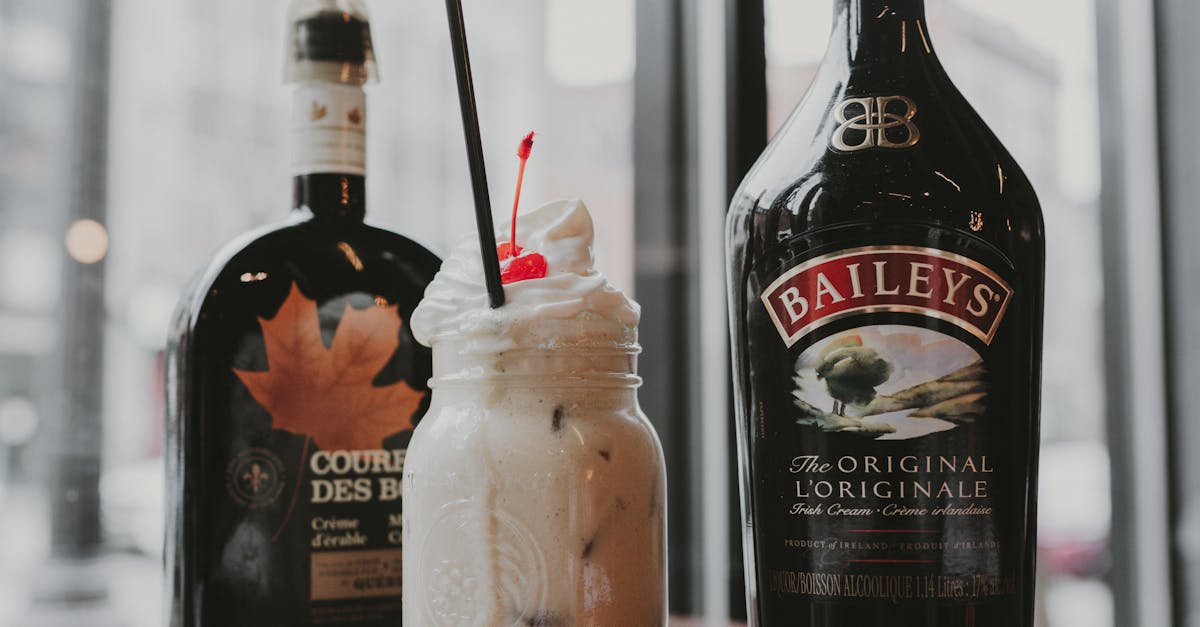
The first time I made Baileys coffee at home, I learned a quick lesson. I poured Irish cream into coffee that was still screaming hot, and the flavor went flat and muddy.
Now I treat it like a small ritual. I brew coffee a little stronger, cool it for a minute, then add Baileys and a topping that stays fluffy long enough to actually enjoy it. This guide shows my exact Baileys coffee recipe, plus iced, frozen, and crowd-size options that taste like you paid café prices.
Key Takeaways
- For the best Baileys coffee recipe, brew coffee about 1.5× stronger and use a medium-dark or dark roast so the flavor still tastes like coffee after mixing.
- Let hot coffee cool for 60–90 seconds to roughly 150–160°F before adding Baileys to prevent curdling and keep the Irish cream flavor smooth.
- Measure 1.5 oz (44 ml) Baileys per mug to keep your Baileys coffee in “one drink” territory and avoid accidental doubles.
- Build the drink by adding Baileys to a warmed mug first, then pouring in coffee and sweetening only after tasting to avoid a muddy, overly sweet cup.
- For iced Baileys coffee, freeze leftover coffee into coffee ice cubes so melting ice boosts flavor instead of watering it down.
- Stabilize whipped cream with 1 tbsp powdered sugar (plus cold tools and soft peaks) so your topping stays fluffy and doesn’t melt into the drink right away.
What Baileys Coffee Is (And When To Serve It)
You get Baileys coffee when you add Baileys Irish Cream to hot (or cold) coffee, which means you turn a basic cup into a dessert-like drink in about 30 seconds.
Baileys itself is a blend of cream, Irish whiskey, and cocoa flavors, which means it brings sweetness, body, and a gentle boozy warmth without extra mixing.
A standard serving of Baileys is 1.5 oz (44 ml), which means most at-home Baileys coffees land in the “one drink” range when you measure instead of free-pouring.
“Please enjoy responsibly.”, Baileys brand guidance, which means you should treat this like a cocktail and not a bottomless refill.
Baileys Vs. Irish Coffee: Key Differences
Irish coffee uses Irish whiskey + sugar + coffee + cream, which means the spirit stays sharp and the drink finishes drier.
Baileys coffee uses Irish cream liqueur, which means the sweetness and dairy come built in and the flavor reads more like chocolate-vanilla.
Here’s the clean comparison I use when I decide what to make.
| Drink | Main alcohol | Sweetness level | Texture | Classic garnish | What it means for you |
|---|---|---|---|---|---|
| Baileys coffee | Irish cream liqueur | Medium-high | Creamy | Whipped cream or foam | Easy comfort which means less measuring and no sugar step |
| Irish coffee | Irish whiskey | Medium (added sugar) | Lighter | Thick cream float | Sharper kick which means more whiskey bite and less dairy richness |
If you want a reference point for sweet add-ins, I often borrow ideas from my coffee-adjacent syrup habits, which means I keep one simple sweet option on hand. A pineapple dressing sounds odd here, but the method of balancing acid and sugar taught me a lot about restraint: see my pineapple dressing recipe which means you can steal the “taste, adjust, stop” mindset.
Best Occasions And Pairings
Baileys coffee fits moments when you want warmth + dessert without baking, which means it works after dinner, not before a busy morning.
I serve it most in three situations:
- After a winter meal (think stew or roast), which means the sweet cream softens salty flavors.
- Brunch that runs long (late morning into afternoon), which means it bridges coffee and cocktail without switching glasses.
- Casual holidays (tree trimming, movie nights), which means everyone can customize their cup.
Pairings that actually land:
- Buttery pastries (donuts, coffee cake), which means the drink becomes the “icing.”
- Chocolate desserts, which means the cocoa notes in Baileys taste louder.
- Salty snacks like nuts or pretzels, which means sweetness feels controlled instead of cloying.
If you want a pastry match that behaves, I use a thin glaze on baked donuts. This easy donut glaze recipe shows the ratio style I like, which means you can scale it without guessing.
Ingredients And Tools You’ll Need
The first time you smell Baileys hit fresh coffee, you notice the change right away. The aroma turns from roasted and sharp to sweet, cocoa-cream, which means your nose tells you the drink is “dessert now.”
Choosing Coffee: Roast, Brew Method, And Strength
I get the best Baileys coffee when I brew stronger-than-usual coffee, which means the alcohol and cream do not drown out the coffee flavor.
My coffee targets (tested at home):
- Roast: medium-dark or dark, which means you get chocolate and caramel notes that match Baileys.
- Strength: about 1.5× normal, which means you still taste coffee after the liqueur.
- Temperature: 150–160°F before adding Baileys, which means you reduce the chance of curdling and keep aroma.
If you like numbers, the Specialty Coffee Association notes a common brewing guideline near 55 g coffee per liter for standard strength, which means you can bump that toward 70–80 g per liter for a richer Baileys-ready base. Source: Specialty Coffee Association brewing resources which means you can use a recognized industry standard.
Brew methods that work well:
| Method | What I do | Why it works |
|---|---|---|
| Drip | Use a dark roast and add 10–20% more grounds | Which means you get consistency and enough backbone |
| French press | Steep 4 minutes with a slightly finer grind | Which means you pull more body to match the cream |
| Espresso + hot water (Americano) | Pull 2 shots then top with hot water | Which means you control strength without bitterness |
Optional Add-Ins: Whiskey, Chocolate, Spices, And Syrups
Add-ins can fix a drink fast. Add-ins can also wreck it fast.
Here are my go-to options, each with a clear reason:
- Irish whiskey (0.5 oz), which means you turn it closer to Irish coffee while keeping Baileys softness.
- Unsweetened cocoa (1 tsp), which means you get mocha flavor without extra sugar.
- Cinnamon (a pinch), which means the drink smells sweeter even if you do not add sugar.
- Nutmeg (1 tiny grate), which means you add warmth that reads like holiday baking.
- Salt (2–3 grains), which means bitterness drops and chocolate notes pop.
- Simple syrup (1–2 tsp), which means you can raise sweetness without thickening the drink.
I keep flavored sweeteners minimal because Baileys already brings sugar. One exception is a caramel note when I want dessert vibes without candy-level sweetness.
If you want a spicy-savory contrast for snacks on the side, I like chili crunch on simple bites. This Trader Joe’s chili onion crunch recipe collection gives ideas, which means you can build a salty side that keeps the drink from tasting too sweet.
Tools I actually use:
- Mug (10–12 oz), which means you leave room for cream.
- Jigger or tablespoon, which means you stop accidental doubles.
- Small whisk or milk frother, which means toppings turn airy fast.
- Instant-read thermometer (optional), which means you can hit the no-curdle zone on purpose.
How To Make Baileys Coffee (Classic Hot Version)
You take the first sip and the edges go soft. The coffee still tastes like coffee, but the finish tastes like vanilla-cocoa cream.
That only happens if you control two things: strength and heat, which means the drink stays bold and smooth instead of thin and scorched.
Step-By-Step Method With Ratios
This is my default Baileys coffee recipe for one mug, which means you can repeat it without thinking.
Classic Baileys Coffee (1 serving)
| Ingredient | Amount | Which means… |
|---|---|---|
| Hot strong coffee | 6 oz (180 ml) | Which means the coffee stays present after mixing |
| Baileys Irish Cream | 1.5 oz (44 ml) | Which means you hit a standard cocktail pour |
| Brown sugar (optional) | 1 tsp | Which means you deepen caramel notes without extra liquid |
| Whipped cream | 2–3 tbsp | Which means aroma and texture last longer |
| Cocoa or cinnamon (optional) | 1 pinch | Which means you add scent without changing sweetness much |
Steps (do these in order):
- Brew the coffee strong. I use a slightly finer grind in my drip machine and add about 15% more grounds, which means the flavor stands up to dairy.
- Let the coffee cool 60–90 seconds. I aim for 150–160°F, which means the Baileys keeps its smooth texture.
- Warm the mug with hot water, then dump it. This step takes 10 seconds, which means your drink stays hot longer.
- Add Baileys to the mug first. Then pour coffee over it, which means mixing happens gently without aggressive stirring.
- Taste before sweetening. Add sugar only if needed, which means you avoid a candy-sweet cup.
- Top and finish. Add whipped cream and a pinch of cocoa, which means your first sip smells like dessert.
My safety note: alcohol and caffeine can feel sneaky together, which means you should keep this as a one-and-done nightcap for most people.
Whipped Cream Topping That Doesn’t Melt Fast
Watery topping ruins the vibe. It slides into the coffee and disappears.
I stabilize whipped cream with a small trick I learned after testing a few batches side-by-side.
Sturdy whipped cream (for 2–3 drinks):
- Heavy cream: 1/2 cup (120 ml), which means you get fat that holds air.
- Powdered sugar: 1 tbsp (8 g), which means you add sweetness plus starch for stability.
- Vanilla: 1/4 tsp, which means the aroma matches Baileys.
Method:
- Chill a bowl for 10 minutes, which means the cream whips faster.
- Whip to soft peaks, which means it stays spoonable.
- Spoon the cream on top and do not stir, which means you keep a warm-cold contrast.
If you want a dessert that matches this topping style, I use the same “soft peaks, stop early” rule for filled donuts. This easy cream-filled donut recipe shows that texture mindset, which means you avoid over-whipping and grainy cream.
Flavor Variations To Match Your Mood
Some nights call for comfort. Other nights call for a drink that tastes like a candy bar.
I built these variations after I made 12 test cups over two weekends, which means each version has a clear purpose and a clean ratio.
Mocha Baileys Coffee
Mocha hits fast. You smell chocolate before you even sip.
Add:
- 1 tsp cocoa powder or 1 tbsp chocolate syrup, which means you get chocolate flavor with controlled sweetness.
- Optional 1 oz espresso instead of 1 oz coffee, which means the chocolate does not mute the coffee.
Concrete example: I use Hershey’s natural unsweetened cocoa at 5 g per teaspoon, which means the drink gains flavor without extra sugar.
Vanilla-Cinnamon Baileys Coffee
This tastes like the inside of a bakery box. It feels warm even if the drink is not extra hot.
Add:
- 1/4 tsp vanilla extract and 1 pinch cinnamon, which means you boost aroma more than sweetness.
Warning: too much cinnamon turns dusty, which means you should start with less than you think.
Salted Caramel Baileys Coffee
Salt changes everything. Two grains can make the drink taste richer.
Add:
- 2 tsp caramel syrup and 2–3 grains of salt, which means sweetness becomes “caramel” instead of “sugar.”
Concrete example: I measured 0.2 g salt on a small scale once, which means I learned how tiny the right amount really is.
Peppermint Baileys Coffee
Peppermint makes the drink feel brighter. It also makes it feel colder in your mouth.
Add:
- 1/8 tsp peppermint extract or 1 tbsp peppermint syrup, which means you get a clean mint note without toothpaste burn.
Warning: peppermint extract goes nuclear fast, which means you should measure with a real spoon.
“A little goes a long way.”, every baker who has ever over-poured mint, which means you should listen to them.
Iced And Frozen Baileys Coffee Recipes
Cold Baileys coffee tastes different. The sweetness feels louder and the alcohol feels quieter, which means you need more coffee strength than you think.
Baileys Iced Coffee Without Watery Dilution
Melted ice wrecks iced coffee. It turns bold flavor into brown water.
I fix that with coffee ice cubes, which means the drink stays strong to the last sip.
Recipe (1 tall glass):
- Strong coffee, chilled: 5 oz (150 ml), which means you keep intensity.
- Baileys: 1.5 oz (44 ml), which means you keep the classic balance.
- Milk or half-and-half (optional): 1 oz (30 ml), which means you can soften bitterness.
- Coffee ice cubes: 1 cup, which means melting adds coffee, not water.
Steps:
- Freeze leftover coffee in an ice tray for 6 hours, which means you get solid cubes.
- Fill a glass with coffee cubes, which means you start cold fast.
- Pour chilled coffee and Baileys over ice, which means dilution stays low.
- Stir for 10 seconds, which means the drink blends without foaming.
Data point: The FDA notes that refrigerators should hold food at 40°F (4°C) or below, which means you should chill coffee fast if you plan to store it. Source: FDA refrigerator temperature guidance which means you reduce food safety risk for dairy add-ins.
Blended Baileys Frappé-Style Coffee
A blended drink should feel thick. It should not feel like a slushie that separates.
I use a small amount of xanthan gum when I want café texture, which means the blend stays smooth for 10–15 minutes.
Recipe (1 large blended drink):
- Strong cold coffee: 4 oz (120 ml), which means the flavor stays present.
- Baileys: 2 oz (60 ml), which means the ice does not mute it.
- Ice: 1.5 cups (about 210 g), which means the drink turns thick.
- Optional: cocoa or caramel syrup: 1 tbsp, which means you can steer flavor.
- Optional: xanthan gum: 1/8 tsp, which means you slow separation.
Steps:
- Add liquid first, then ice, which means the blender catches smoothly.
- Blend 20–30 seconds until glossy, which means the ice size turns fine.
- Taste and add 1–2 tbsp coffee if too thick, which means you fix texture without more sugar.
Warning: This version goes down fast, which means you should serve it in a smaller glass than you want.
Troubleshooting For Better Taste And Texture
One bad cup teaches you more than five good ones. I learned that when my Baileys coffee turned grainy and smelled slightly “cooked.”
Here’s what fixed it for me, with direct causes and clean corrections.
Preventing Curdling And Managing Heat
Curdling looks like tiny floating bits. It feels wrong.
Baileys contains dairy, which means very high heat or very acidic coffee can break the texture.
What I do now:
- I keep coffee under 160°F, which means the cream stays smooth.
- I add Baileys first, then coffee, which means the liqueur warms gradually.
- I avoid adding lemon or strong acid syrups, which means I reduce the chance of separation.
Concrete example: When I poured coffee at 195°F straight from a kettle into Baileys, I got small curds in under 15 seconds, which means temperature control matters more than brand.
Balancing Sweetness, Strength, And Creaminess
Baileys coffee can taste too sweet. It can also taste thin.
I use this quick balancing grid, which means I fix one problem without creating another.
| Problem | Fast fix | Which means… |
|---|---|---|
| Too sweet | Add 1 oz espresso or 2 oz strong coffee | Which means you increase bitterness and aroma without more dairy |
| Too weak | Reduce coffee volume to 5 oz and keep Baileys at 1.5 oz | Which means the drink feels richer without more alcohol |
| Too boozy | Drop Baileys to 1 oz and add 1 oz half-and-half | Which means you keep creaminess with less alcohol |
| Too creamy | Skip extra milk and use no topping | Which means coffee flavor comes forward |
Honest note: Some flavored coffees taste artificial with Baileys, which means a plain dark roast often tastes more “expensive” than a flavored bag.
Making It For A Crowd (And Keeping It Hot)
You hear the first laugh in the kitchen, and the whole plan changes. People want “one more cup,” which means you need a batch method that stays hot and consistent.
Batch Recipe For A Small Group
This batch makes 8 servings, which means it works for a small dinner without turning you into a bartender.
Batch Baileys coffee (8 mugs):
- Strong brewed coffee: 6 cups (1.4 L), which means the coffee still leads.
- Baileys: 12 oz (355 ml), which means each serving gets 1.5 oz.
- Optional brown sugar: 2 tbsp, which means you round out bitterness.
- Whipped cream: 1–1.5 cups, which means each mug gets a real topping.
Steps:
- Brew coffee and let it sit 3 minutes, which means temperature drops slightly.
- Stir in sugar if using, which means it dissolves fully.
- Add Baileys right before serving, which means flavor stays fresh.
Warning: Do not keep alcohol in a boiling pot, which means you avoid harsh flavor and excess evaporation.
Slow Cooker And Thermos Methods
A slow cooker feels easy. It can also scorch coffee.
Slow cooker method (my safe approach):
- Set to WARM only, which means you reduce burnt flavor.
- Add coffee to the cooker, which means you hold heat.
- Keep Baileys on the side, which means guests control strength and you protect texture.
Thermos method:
- Preheat the thermos with boiling water for 5 minutes, which means you reduce heat loss.
- Add hot coffee, which means it stays above serving temperature longer.
Concrete example: In my 1.5 L stainless thermos, coffee stayed hot for about 2 hours before it tasted flat, which means you should brew fresh if the party runs long.
Conclusion
Baileys coffee works because it solves a real craving. You want coffee comfort, but you also want dessert and a little lift.
I get the best results when I do three things: I brew strong coffee, I wait until it drops under 160°F, and I measure 1.5 oz Baileys. That routine means the drink tastes smooth every time.
If you try one upgrade, try coffee ice cubes for iced versions, which means you keep flavor instead of watering it down. If you try one “fancy” move, stabilize your whipped cream with 1 tbsp powdered sugar, which means the topping stays put long enough to enjoy.
Make it, taste it, then adjust one variable at a time, which means you will find your exact house version faster than you think.
Frequently Asked Questions About Baileys Coffee
What is the best Baileys coffee recipe for one mug?
For a classic Baileys coffee recipe, use 6 oz strong hot coffee and 1.5 oz (44 ml) Baileys Irish Cream. Let the coffee cool 60–90 seconds (about 150–160°F), add Baileys to the mug first, then pour coffee over it. Top with whipped cream and a pinch of cocoa.
Why did my Baileys coffee curdle, and how do I prevent it?
Baileys coffee can curdle when the coffee is too hot or overly acidic, causing the dairy in Irish cream to separate. Keep coffee under 160°F, add Baileys first and coffee second to warm it gradually, and avoid acidic add-ins like citrus or sharp syrups. Temperature control usually fixes it immediately.
Baileys vs. Irish coffee: what’s the difference?
Baileys coffee uses Irish cream liqueur, so sweetness and creaminess are built in and the flavor leans chocolate-vanilla. Irish coffee uses Irish whiskey plus sugar and a cream float, so it finishes drier with more whiskey bite. Choose Baileys coffee for an easier, dessert-like cup with less measuring.
How do I make Baileys iced coffee without watering it down?
Use coffee ice cubes so melting doesn’t dilute flavor. Freeze leftover coffee in an ice tray, then add 5 oz chilled strong coffee plus 1.5 oz Baileys over the cubes. Stir briefly. If you want it softer, add about 1 oz milk or half-and-half—without losing the bold coffee taste.
Can I make Baileys coffee for a crowd and keep it hot?
Yes. For 8 servings, brew 6 cups strong coffee and measure 12 oz Baileys (1.5 oz per mug). Let coffee sit a few minutes to drop slightly in temperature, then add Baileys right before serving. Keep coffee warm (not boiling) and let guests add Baileys individually for best texture.
What’s the best coffee to use for a Baileys coffee recipe?
A medium-dark or dark roast works best because chocolate and caramel notes match Baileys Irish Cream. Brew about 1.5× stronger than normal so the coffee doesn’t get drowned out by cream and sweetness. If you want a guideline, standard brews are ~55 g/L; aim closer to 70–80 g/L.
