
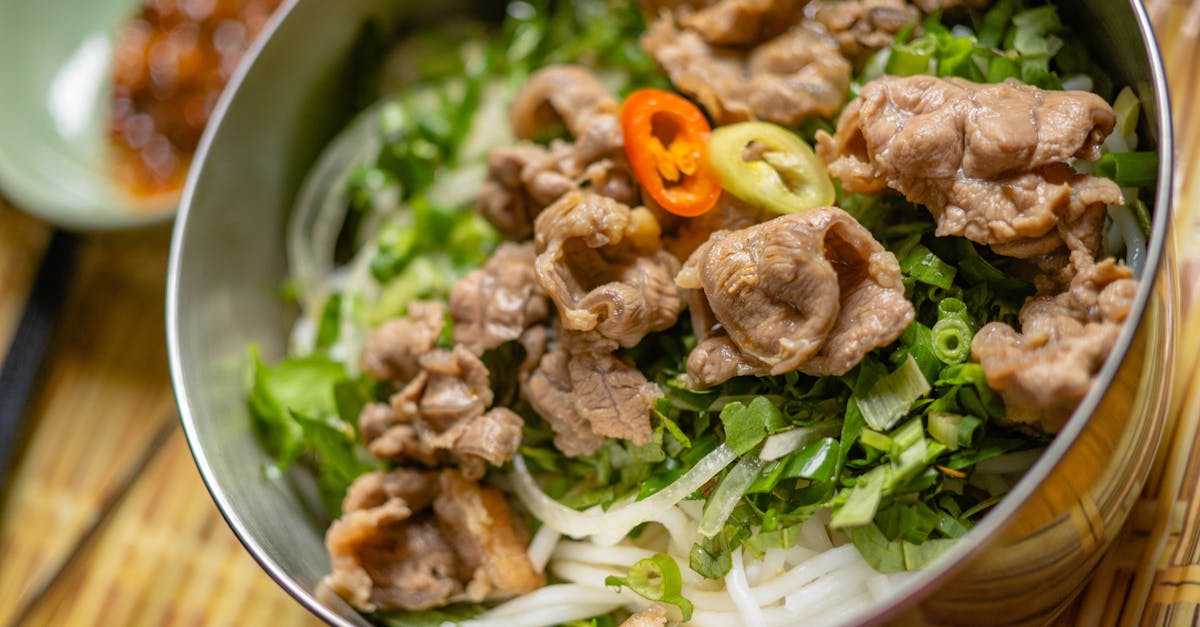
The first time I made amish beef and noodles, I expected “nice and cozy.” I got something bigger.
I lifted the lid and saw silky brown gravy clinging to noodles like it meant it. The beef pulled apart with one fork twist, and the smell hit like Sunday dinner at 4:58 p.m.
This is not a fussy dish. It is a patient dish, which means you can turn a basic roast into a bowl that feels like you finally caught your breath.
I’ll show you my exact method, plus slow cooker and Instant Pot options, with fixes for the usual problems (grease, bland broth, gummy noodles).
Key Takeaways
- A great Amish beef and noodles recipe focuses on fork-tender chuck roast, thick clingy gravy, and soft egg noodles—not a watery beef soup.
- Sear the roast first, then simmer low and slow (about 2–2 1/2 hours) until it shreds easily, because collagen breakdown creates richer flavor and a velvety broth.
- Start with about 6 cups low-sodium beef broth for a 3-pound roast and season late, since noodles absorb liquid and can quickly push the dish into over-salty territory.
- Cook egg noodles at a steady simmer and stir frequently at the start to prevent sticking, cloudiness, and gummy noodles that ruin the classic texture.
- Thicken the gravy with a cornstarch slurry and keep it at a gentle simmer (not a hard boil) to maintain a glossy, spoon-coating finish for Amish beef and noodles.
- For make-ahead success, store beef and gravy separately from noodles, then reheat gently and combine at the end so leftovers stay hearty instead of soggy.
What Makes Amish-Style Beef And Noodles Different
A lot of beef-and-noodles recipes taste like “beef soup with pasta.” Amish-style beef and noodles aims for something else.
It aims for fork-tender beef + thick, clingy gravy + soft egg noodles. That texture matters, which means every bite feels rich instead of watery.
A useful reference point: many Midwestern versions land closer to stew. Amish-style often lands closer to a roast-beef gravy served over noodles.
“Cook it low and slow, then let the noodles drink the broth.” That idea drives the whole dish, which means you build flavor in layers instead of adding powders at the end.
Flavor Profile And Texture Goals
The flavor stays beef-forward. I taste browned meat, onion, black pepper, and a gentle herb note.
I do not taste tomato, wine, or heavy spice blends in the classic style, which means the dish stays kid-friendly and potluck-safe.
The gravy should coat a spoon. In my kitchen, the “right” consistency looks like gravy that leaves a clean track when I drag a finger across the back of the spoon, which means it will cling to noodles instead of sliding off.
Concrete target: I aim for about 6–8 cups of liquid for a 3-pound roast at the start. That volume reduces and thickens later, which means you end up with sauce, not soup.
Traditional Ingredients And Simple Technique
The technique stays simple: sear, simmer, shred, noodle, thicken.
Amish home cooking often leans on pantry staples and scratch basics. Egg noodles fit that pattern, which means you can make the “fancy” part with flour and eggs you already have.
For food safety, I follow USDA guidance to cook whole cuts of beef to a minimum 145°F with a 3-minute rest, which means you reduce risk while still keeping meat juicy. Source: USDA Safe Minimum Internal Temperature Chart.
Even when I simmer until shreddable (well beyond 145°F), that USDA number matters early on, which means I can confirm my sear and early cook stay in a safe zone.
Ingredients You’ll Need
When you read the ingredient list, it can look almost too plain. That “plain” is the point.
Each item has a job, which means you can spot what went wrong if the flavor feels flat.
Here is what I use for 6 hearty servings.
| Ingredient | Amount | Why I use it | Smart swap |
|---|---|---|---|
| Chuck roast | 2 1/2 to 3 lb | High collagen, which means tender shred after simmer | Bottom round + longer cook |
| Salt | 1 1/2 tsp (start) | Seasons beef, which means broth tastes finished | Use less if broth is salty |
| Black pepper | 1 tsp | Adds bite, which means gravy does not taste dull | White pepper |
| Onion | 1 large, diced | Sweet base, which means richer broth | 2 tsp onion powder (last resort) |
| Garlic | 3 cloves, minced | Warm depth, which means “roast” flavor pops | 1/2 tsp garlic powder |
| Beef broth (low-sodium) | 6 cups | Main cooking liquid, which means noodles absorb beef flavor | Stock + water mix |
| Bay leaf | 1 | Adds background aroma, which means less “one-note” taste | Omit if needed |
| Dried thyme | 1/2 tsp | Gentle herb note, which means it tastes classic | Poultry seasoning pinch |
| Egg noodles | 10–12 oz | Soft chew, which means comfort texture | Homemade noodles |
| Cornstarch | 2–3 tbsp + water | Thickens fast, which means glossy gravy | Flour slurry or roux |
| Butter (optional) | 1 tbsp | Rounds edges, which means richer finish | Omit |
Statistic that guides my shopping: USDA data shows chuck roast usually carries more connective tissue than leaner roasts, which means it turns silky after long moist heat instead of drying out. I see this in practice every winter when chuck shreds cleanly while round slices can go stringy.
Best Cuts Of Beef And Smart Substitutions
I reach for chuck roast most often.
Chuck has collagen and fat. Collagen melts into gelatin during simmering, which means the broth thickens naturally and feels “velvety” even before you add starch.
If chuck is expensive, I use bottom round.
Bottom round has less fat. It can still work, but it needs a longer simmer and more careful slicing, which means you should plan for 2 1/2–3 hours instead of hoping for 90 minutes.
If I have leftovers, I use leftover pot roast.
That shortcut tastes great because the roast already has browned edges and seasoning, which means you can build dinner in under 30 minutes.
Broth, Aromatics, And Seasonings That Keep It Classic
I use low-sodium beef broth on purpose.
Many boxed broths carry 700–900 mg sodium per cup (check your label). That adds up fast across 6 cups, which means your gravy can turn salty before you even season it.
I build flavor with onion and garlic. I also add one bay leaf and 1/2 teaspoon thyme.
I keep the herb amount small, which means the dish still tastes like beef and noodles instead of “herb noodle soup.”
Noodle Options: Homemade Egg Noodles Vs. Store-Bought
I use wide egg noodles when I want speed.
They cook fast and stay tender, which means you can serve dinner without rolling dough.
I make homemade noodles when I want the “church basement dinner” feel.
Homemade noodles have uneven edges and thicker bite, which means they hold gravy better and feel more filling per bowl.
If you want a related snack idea for the table, I sometimes set out a quick creamy dip while the beef simmers, like this bagel dip with cream cheese, which means people stop hovering around the pot asking when dinner is ready.
How To Make Amish Beef And Noodles Step By Step
This is the part where the kitchen changes mood.
The sear smells sharp and toasty. Then the simmer turns soft and steady, which means you can do laundry or assignments help while dinner fixes itself.
Sear And Simmer The Beef Until Fork-Tender
- Pat the roast dry. Moisture blocks browning, which means you miss flavor.
- Season the beef with 1 1/2 teaspoons salt and 1 teaspoon pepper.
- Heat a Dutch oven over medium-high heat for 2 minutes. Add 1 tablespoon oil.
- Sear the roast 3–4 minutes per side until deep brown.
Browning creates hundreds of flavor compounds through the Maillard reaction, which means your broth tastes roasted instead of boiled.
- Add onion and cook 3 minutes.
- Add garlic and cook 30 seconds.
- Pour in broth (about 6 cups). Add bay leaf and thyme.
- Simmer gently with the lid cracked for 2 to 2 1/2 hours, until a fork twists easily.
I keep it at a low simmer, not a rolling boil. A hard boil can tighten meat fibers, which means the roast can turn dry even in liquid.
Concrete check: I look for an internal temp over 190°F before shredding. That number often signals collagen breakdown, which means the roast pulls apart instead of slicing rubbery.
Shred Or Slice The Beef For The Right Bite
I pull the roast out onto a tray.
Then I decide based on the mood.
- I shred when I want gravy in every strand, which means each spoonful tastes fully seasoned.
- I slice when I want “Sunday roast” vibes, which means you get bigger beef bites.
If I shred, I use two forks and remove large fat pieces.
If I slice, I cut across the grain in 1/4-inch slices. Cutting across the grain shortens muscle fibers, which means the meat feels tender even if you used a leaner cut.
Cook The Noodles In The Broth Without Turning Them Mushy
I bring the broth back to a steady simmer.
Then I add noodles.
- Store-bought egg noodles: 8–10 minutes at a simmer.
- Homemade noodles: often 3–6 minutes depending on thickness.
I stir every 60 seconds for the first 3 minutes.
That stir matters because noodles sink and stick. Stuck noodles tear and cloud the broth, which means you lose that glossy gravy look.
Concrete ratio: I like 10–12 oz noodles for 6 cups broth. That ratio lets noodles absorb flavor but leaves enough liquid for gravy, which means you do not end up with a dry pasta pot.
Thicken And Adjust Seasoning For A Rich, Glossy Gravy
I mix 2 tablespoons cornstarch + 2 tablespoons cold water.
Then I pour it in slowly while I stir.
Cornstarch thickens at a simmer in about 60–90 seconds. That speed helps, which means you can stop the moment it looks right.
I simmer 2 minutes, then taste.
- I add salt in 1/4-teaspoon steps.
- I add pepper in pinches.
- I add 1 tablespoon butter if the flavor feels sharp.
Butter adds fat and milk solids, which means it smooths the broth edges and makes the gravy taste more “finished.”
My honest warning: cornstarch can turn gluey if you boil hard after thickening. Keep it at a gentle simmer, which means you keep shine without gumminess.
If you want a bold side for people who like heat, I sometimes serve spicy pickles. This best pickled habanero recipe adds a bright punch, which means the rich gravy feels lighter by contrast.
Homemade Egg Noodles (Optional But Traditional)
The surprise with homemade noodles is how fast they come together.
I can mix dough in 5 minutes. The dough feels like play-dough that fights back a little, which means it will roll without tearing.
Simple Dough Ratio, Mixing, And Resting
This makes enough noodles for one pot (about 10–12 oz fresh noodles).
Ingredients
- 2 cups all-purpose flour
- 3 large eggs
- 1/2 teaspoon salt
- 2–4 tablespoons water (only if needed)
Steps
- I mound flour on the counter and make a well.
- I add eggs and salt, then whisk with a fork.
- I pull flour in until a shaggy dough forms.
- I knead 6–8 minutes.
Kneading builds gluten, which means noodles hold together in broth.
- I wrap and rest 20 minutes.
Resting relaxes gluten, which means rolling feels easier and the dough springs back less.
Data point: Most egg noodle doughs sit around 30–33% hydration depending on egg size. That low hydration matters, which means the noodles stay firm in broth instead of dissolving.
Rolling, Cutting, And Drying For Clean Edges
I split dough into two pieces.
Then I roll each piece to about 1/8 inch thick.
I dust with flour, fold loosely, and cut strips.
- For wide noodles: 3/4 inch strips.
- For medium noodles: 1/2 inch strips.
I shake them out and let them dry 15 minutes on a towel.
That short dry time forms a skin, which means the noodles keep clean edges and cloud the broth less.
Cooking Timing For Tender, Not Gummy, Noodles
Fresh noodles cook fast.
I simmer them 3–6 minutes, then I test one noodle.
I want tender with a little pull. Overcooking makes fresh noodles swell and shed starch, which means gravy turns thick but dull and pasty.
If you like baking projects that also scratch the “old-fashioned” itch, this aunt mary’s sugar cookie recipe fits the same comfort-food mood, which means dessert matches the dinner energy.
Slow Cooker, Instant Pot, And Stovetop Variations
One dish. Three time budgets.
I rotate methods based on my day, which means I can still get that thick gravy result even when life gets loud.
Slow Cooker Method For Hands-Off Tender Beef
Best for: workdays and busy Sundays.
- I sear the roast in a skillet (optional but worth it).
Searing adds browned flavor, which means the slow cooker result does not taste flat.
- I add beef, onion, garlic, broth, bay, and thyme to the slow cooker.
- I cook on LOW for 8 hours or HIGH for 5 hours.
- I shred the beef.
- I cook noodles separately and stir them in at the end.
Cooking noodles in a slow cooker can turn them mushy, which means separate cooking protects texture.
Concrete temp note: Many slow cookers run around 190–210°F on LOW once fully heated. That range breaks down collagen over hours, which means chuck turns spoon-tender.
Instant Pot Method For Faster Weeknights
Best for: when you want comfort food but you started at 5:30.
- I season and sear using Sauté mode for 3–4 minutes per side.
- I add onion and garlic, then broth and seasonings.
- I pressure cook on HIGH for 55 minutes for a 3-pound chuck roast.
- I natural release for 15 minutes, then quick release.
Natural release reduces boil-over and keeps meat fibers from tightening, which means you get more tender beef.
- I remove beef, shred it, and return it.
- I simmer noodles using Sauté.
- I thicken with cornstarch slurry.
Safety stat: Pressure cookers can exceed 240°F at pressure. That higher temp speeds collagen breakdown, which means you get “slow-cooked” texture in under 90 minutes total time.
Stovetop Shortcut Using Leftover Roast Beef
Best for: leftover roast in the fridge.
- I bring 4 cups broth to a simmer with onion powder (1/2 teaspoon) and pepper.
- I add 2–3 cups chopped leftover roast beef.
- I simmer 10 minutes.
- I add noodles and cook until tender.
- I thicken lightly.
Leftover beef can overcook fast. Gentle simmer prevents dryness, which means the beef stays meaty instead of chalky.
If you want a quick party-style side that feels diner-familiar, these Buffalo Wild Wings potato wedges work well, which means you can feed teens and picky eaters without drama.
Troubleshooting And Make-Ahead Tips
This recipe forgives a lot. It does not forgive everything.
When something goes wrong, it usually shows up as greasy broth, bland flavor, or noodles that went soft, which means you can fix it with a few targeted moves.
How To Prevent Greasy Broth And Over-Salty Flavor
Greasy broth fix:
- I chill the pot for 30 minutes, then skim fat.
Fat solidifies when cold, which means it lifts off in clean sheets.
- If I cannot chill, I blot with a paper towel on the surface.
That removes oil without removing broth, which means flavor stays.
Over-salty fix:
- I add 1/2 to 1 cup unsalted broth or water, then simmer 5 minutes.
Dilution lowers salt concentration, which means your tongue stops shouting “salt.”
- I add a peeled potato chunk for 15 minutes, then remove it.
Potato absorbs some salty liquid, which means you can soften the edge (it will not perform miracles).
Prevention rule I use: I start with low-sodium broth and salt late.
That rule matters because noodles absorb salty liquid, which means the salt level rises as the pot sits.
How To Fix Thin Or Too-Thick Gravy
If the gravy is thin:
- I simmer uncovered for 10 minutes.
Evaporation concentrates gelatin and starch, which means thickness rises without extra ingredients.
- I add more slurry: 1 tablespoon cornstarch + 1 tablespoon water.
Small batches prevent over-thickening, which means you avoid paste.
If the gravy is too thick:
- I stir in hot broth in 1/4-cup steps.
Small additions let you stop at the exact texture, which means you keep that glossy coat.
Storage, Freezing, And Reheating Without Soggy Noodles
Best make-ahead method: I store beef and gravy separate from noodles.
Separation keeps noodles from soaking overnight, which means reheated bowls still have chew.
- Fridge: up to 4 days in airtight containers.
- Freezer (beef + gravy only): up to 3 months.
For reheating, I warm gravy and beef on the stove at a gentle simmer.
Then I add cooked noodles for 1–2 minutes only.
Short reheating protects noodle structure, which means you avoid that baby-food softness.
Honest note: If you freeze noodles in the gravy, they will soften. Some people like that. I do not, which means I always freeze noodles separately or skip freezing them.
What To Serve With Amish Beef And Noodles
The bowl feels heavy in the best way. The sides should feel simple.
I aim for crunch, acid, or bright green, which means the meal feels balanced instead of sleepy.
Classic Side Dishes And Bread Pairings
- Buttered bread or dinner rolls.
Bread soaks gravy, which means you waste less sauce and leave the table satisfied.
- Mashed potatoes (yes, with noodles).
Double starch sounds wild until you try it. It turns the plate into a comfort-food quilt, which means you get maximum cozy per bite.
- Pickles or relishes.
Acid cuts richness, which means the second bowl tastes as good as the first.
Concrete serving idea: I serve 1 1/2 cups beef and noodles per adult when this is the main dish.
That portion size keeps seconds available without running short, which means the pot feels generous.
Simple Vegetable Sides To Balance The Richness
- Green beans with butter and salt.
Green beans add snap, which means your mouth gets a break from soft textures.
- Roasted carrots at 425°F for 22 minutes.
Carrots caramelize and sweeten, which means you get contrast without adding another heavy dish.
- Cabbage salad with vinegar.
Vinegar adds brightness, which means the gravy tastes less heavy.
If I want a vegetable-forward side that still feels like comfort food, I sometimes make a crisp base like this cabbage pizza crust, which means people eat more veggies without noticing they did.
Conclusion
Amish beef and noodles recipe success comes from one unglamorous choice: give the beef time.
Time melts collagen into gelatin, which means the broth turns rich before you add any thickener.
If you cook it this week, do one thing that feels old-school on purpose.
Sear the roast until it smells nutty and browned. Then simmer low and steady, which means the pot will taste like someone cared for hours, even if you mostly just walked past it and stirred.
And when you find yourself scraping the last gravy off the bottom with a piece of bread, you will not need a fancy name for it. You will just call it dinner.
Frequently Asked Questions (Amish Beef and Noodles)
What makes an Amish beef and noodles recipe different from regular beef and noodles?
An Amish beef and noodles recipe isn’t meant to be “beef soup with pasta.” The goal is fork-tender roast beef, soft egg noodles, and a thick, clingy brown gravy that coats a spoon. It’s more like roast-beef gravy served over noodles than a watery stew.
What is the best cut of beef for Amish beef and noodles recipe?
Chuck roast is the top choice for an Amish beef and noodles recipe because it has more collagen and fat, which breaks down during long simmering into a tender, shreddable texture and naturally velvety gravy. Bottom round can work, but expect a longer cook and slightly leaner results.
How much broth and noodles should I use so Amish beef and noodles isn’t soupy or dry?
A reliable starting point is about 6 cups of low-sodium beef broth for a 2 1/2–3 lb roast, plus 10–12 oz egg noodles. That ratio lets noodles absorb beef flavor while leaving enough liquid to thicken into gravy, not soup or a dry pasta pot.
How do I keep egg noodles from getting mushy in Amish beef and noodles?
Simmer noodles gently (don’t hard-boil), stir frequently at the start so they don’t stick, and cook only until tender—about 8–10 minutes for store-bought, 3–6 minutes for homemade. For make-ahead meals, store noodles separately so they don’t soak up gravy overnight.
Can I make Amish beef and noodles recipe in a slow cooker or Instant Pot?
Yes. In a slow cooker, cook beef with broth and aromatics (LOW ~8 hours or HIGH ~5), then cook noodles separately and stir in at the end to avoid mushiness. In an Instant Pot, pressure cook a 3-lb chuck about 55 minutes with natural release, then simmer noodles and thicken.
How do I thicken beef and noodles gravy without making it gluey or bland?
Use a cornstarch slurry (about 2–3 tbsp cornstarch mixed with cold water) and stir it in at a gentle simmer; it thickens in 60–90 seconds. Avoid a hard boil after thickening, which can turn it gluey. Taste at the end and adjust salt and pepper gradually for balance.
