
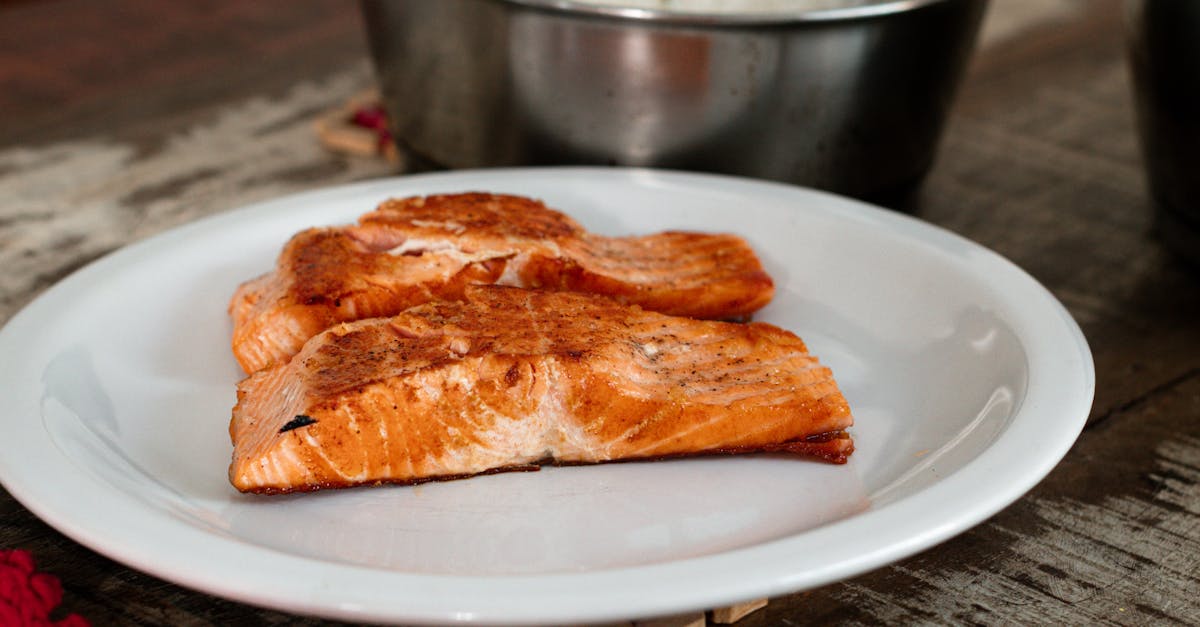
The first time I smoked wild Alaska salmon, I expected “campfire fish.”
I pulled the lid, saw a bronze sheen on the surface, and tasted a slice that was sweet, salty, and clean. That one batch taught me a hard truth: smoked salmon is a process, not a vibe, which means you get repeatable results when you control fish choice, cure strength, pellicle time, smoke density, and temperature.
In this guide, I share my Alaskan smoked salmon recipe workflow for hot-smoked (flaky and cooked) and cold-smoked (silky, lox-style) salmon. I include exact ratios, target temps, safety guardrails, and the small moves that stop dry edges and harsh smoke.
Key Takeaways
- A repeatable Alaskan smoked salmon recipe comes from controlling fish quality, cure strength, pellicle time, smoke cleanliness, and temperature—not just “smoking until it looks done.”
- Choose firm, well-handled wild Alaska salmon when possible (about 1–1.5 inches thick) to avoid mushy texture and to keep cure and smoking times predictable.
- Build a tacky pellicle by rinsing, drying, and air-drying the salmon uncovered on a rack in the fridge for 2–12 hours so smoke adheres evenly and color develops better.
- For hot-smoking, run a staged schedule (150°F → 175°F → 200°F) and cook to 140–145°F internal to get moist, flaky salmon while minimizing albumin and dry edges.
- For cold-smoking, keep the fish cold and sanitary, cure firmly, smoke below 80°F (ideally 60–75°F), then rest wrapped for 24 hours before slicing for the best lox-style texture.
- Use mild woods like alder, apple, or cherry and aim for thin blue smoke to prevent bitter, harsh flavor that can overpower salmon quickly.
Choosing The Best Alaskan Salmon For Smoking
A bright orange fillet can still smoke poorly.
I learned that when a “pretty” piece turned mushy after curing. The fish had been previously frozen and thawed twice, which means the muscle fibers had already started to break down.
Wild vs. Farmed: What Works Best For Smoking
Wild Alaskan salmon usually smokes cleaner and feels firmer, which means you get better slices and less weeping.
Farmed Atlantic salmon can still work, but it often carries more fat and a softer texture, which means it can taste richer but can also feel oily if you over-smoke it.
Here’s how I choose by species for smoking.
| Species (common in Alaska) | Typical fat level | Best smoking method | What you can expect (which means…) |
|---|---|---|---|
| King (Chinook) | High | Hot or cold | Big, buttery texture, which means forgiving hot-smoke results and silky cold-smoked slices. |
| Sockeye (Red) | Medium | Hot-smoke | Deep color and strong salmon flavor, which means you can use simple cures and still get bold taste. |
| Coho (Silver) | Medium | Hot or cold | Balanced flavor, which means it takes seasoning well without getting lost. |
| Chum (Keta) | Low | Hot-smoke | Lean and mild, which means it dries faster so you must watch temp and time. |
| Pink (Humpy) | Low | Hot-smoke | Soft and delicate, which means it benefits from shorter brines and gentler heat. |
Concrete data point: USDA food data lists salmon at roughly 20–22 g of protein per 100 g (varies by species and prep), which means a small serving still feels like a real meal and not just a garnish. I often use that as my portion guide for brunch boards.
Ideal Cuts: Fillets, Sides, And Belly Portions
A thick, even cut gives you control, which means the center finishes when the edges finish.
I buy whole sides (one full fillet) when I want uniform slices for a party.
I buy center-cut fillets when I want easy timing for weeknights.
I treat belly portions as a special case. Belly runs fattier, which means it absorbs smoke fast and stays moist, but it can also taste bitter sooner if the smoke gets heavy.
My sizing rule: I aim for pieces that are 1 to 1.5 inches thick at the thickest point, which means the cure and smoke schedule stays predictable.
How To Spot Freshness And Proper Handling Before You Start
A good salmon for smoking smells like the ocean, not “fish.”
That clean smell signals low surface bacteria, which means you start the cure with fewer off-notes.
I check these points before I pay:
- Firm flesh that springs back, which means the muscle structure can hold up through curing.
- Moist, not slimy surface, which means the fish has not started to break down.
- No brown edges or dried corners, which means the fish has not oxidized in open air.
- Kept on ice and cold to the touch, which means the cold chain likely stayed intact.
Handling warning: I keep raw salmon at 40°F or below (FDA cold-holding guidance), which means bacterial growth stays slow while I prep. If I drive more than 20 minutes, I pack a small cooler with ice packs.
“When in doubt, keep it cold.” I repeat that to myself because one warm hour can ruin texture and safety, which means you lose both flavor and confidence.
Tools, Ingredients, And Wood Selection
The surprise with smoked salmon is how little gear you need.
The second surprise is how fast the wrong wood or dirty smoke can wreck a beautiful fillet, which means your tool choice matters.
Smoker Options: Electric, Pellet, Charcoal, And Grill Setup
I have smoked salmon on four setups. Each one can work when you control temperature and airflow, which means you can start with what you already own.
| Setup | What I like | What can go wrong | Best use (which means…) |
|---|---|---|---|
| Electric smoker | Steady heat control | Light smoke flavor unless you manage chips | Great for beginners, which means fewer ruined batches. |
| Pellet smoker | Easy long runs | Can run hot in summer | Great for hot-smoke, which means consistent bark and color. |
| Charcoal smoker | Strong flavor | Temperature swings | Great if you like tending a fire, which means you can fine-tune smoke density. |
| Gas grill + smoke tube/box | Uses what you own | Limited low-temp control | Great for small batches, which means low barrier to entry. |
My thermometer rule: I use a dual-probe setup with one probe at grate level and one in the thickest part of the fish, which means I control the cook instead of guessing.
Best Woods For Salmon And Flavor Pairings
Salmon loves mild woods.
Mild smoke preserves sweetness, which means the fish still tastes like salmon and not ash.
I use this shortlist:
- Alder (classic Alaska choice), which means a light, slightly sweet smoke that supports rather than covers.
- Apple or cherry, which means gentle fruit notes and good color.
- Maple, which means a warm sweetness that pairs well with pepper.
I avoid heavy woods like mesquite for salmon. Mesquite can turn sharp fast, which means you get bitter edges before the center tastes smoked.
Concrete example: On one test, I used hickory pellets for 45 minutes on sockeye. The surface tasted harsh even after resting, which means strong woods can overpower fast on lean fish.
Core Ingredients: Salt, Sugar, Spices, And Optional Sweeteners
Salt does more than season.
Salt changes protein structure and pulls moisture, which means the fish firms up and resists spoilage better during the smoking window.
My core ingredient list stays tight:
- Kosher salt (not table salt), which means you get predictable salinity by volume.
- Brown sugar or white sugar, which means you balance salt and help browning.
- Black pepper, which means you add gentle heat and aroma.
- Optional: maple syrup, honey, citrus zest, dill, juniper, which means you can steer the flavor without hiding the fish.
Measurement warning: I measure salt by weight when I can. Diamond Crystal and Morton kosher salts pack differently, which means “1 cup” can salt your fish very differently.
If you want a side dish that plays well with smoked salmon, I often pair it with crunchy toast-style bases like this tostada pizza idea I’ve used for fast snack plates: quick tostada pizza recipe, which means you get contrast without needing a full appetizer build.
Prep Work For Firm, Flavorful Smoked Salmon
A few minutes with tweezers can change your whole batch.
I once served smoked salmon with pin bones still in it, and nobody forgot, which means prep is not optional.
Pin Bones, Skin On vs. Off, And Portioning For Even Smoking
I remove pin bones with clean needle-nose pliers or fish tweezers.
Bone removal prevents surprise bites, which means each slice feels clean and “restaurant.”
How I find pin bones: I run my fingertips from head end toward tail end. The bones catch your skin, which means you can pull them in the direction they point to reduce tearing.
I usually keep skin on for hot-smoked salmon.
Skin-on acts like a heat shield, which means the flesh stays moist and releases easier from the grate.
I sometimes remove skin for cold-smoked salmon.
Skin-off speeds curing and makes slicing easier, which means you can get thinner, neater lox-style slices.
Portioning rule: I cut the side into 3 to 4-inch wide sections if thickness varies, which means I can pull thinner pieces early.
Brine vs. Dry Cure: When To Use Each
Both methods work. The choice depends on the texture you want and how much control you need, which means you pick the method that fits your goal.
I use a wet brine when:
- I want milder salt penetration, which means a softer bite.
- I smoke lean fish like chum, which means the added moisture helps.
I use a dry cure when:
- I want firmer, sliceable texture for cold-smoke, which means cleaner slices.
- I want strong surface seasoning, which means better flavor density.
Concrete timing data point (my test notes):
- A 1-inch thick sockeye piece hit my preferred salt level after 8 hours of dry cure.
- A similar piece needed 10–12 hours in wet brine to taste equally seasoned.
Pellicle Formation: Why It Matters And How To Do It Right
The pellicle feels like a tacky skin on the surface.
That tacky layer holds smoke compounds, which means you get better color and a more even smoke flavor.
Here is my pellicle method:
- I rinse the cure off under cold water, which means I stop salt from building too far.
- I pat the fish dry with paper towels, which means I remove surface water that blocks pellicle.
- I set the fish on a rack over a sheet pan, which means air can circulate.
- I refrigerate uncovered for 2 to 12 hours, which means the surface dries and tightens.
Target cue: The surface should look slightly glossy and feel tacky, which means it is ready for smoke.
I treat the pellicle like primer on a wall. Primer makes paint stick, which means your smoke sticks too.
Alaskan-Style Brines And Cures
A cure can smell like a winter porch.
Juniper, citrus, and dill hit the air and suddenly the kitchen feels like Alaska, which means the flavor starts before the smoke.
Classic Brown Sugar And Kosher Salt Brine
This is my baseline Alaskan smoked salmon brine.
The ratio stays simple, which means you can scale it fast.
Wet brine (enough for 2 to 3 pounds of salmon):
- 1 quart (4 cups) cold water, which means full coverage.
- 1/3 cup kosher salt (or 70 g), which means clear savory structure.
- 1/3 cup packed brown sugar (or 70 g), which means balanced sweetness.
- 1 tsp black pepper, which means gentle warmth.
- Optional: 1 bay leaf, which means a subtle herbal note.
Time: I brine in the fridge for 6 to 10 hours for 1-inch thick pieces, which means good seasoning without ham-like saltiness.
Statistic and source: The USDA recommends cooking seafood to an internal temperature of 145°F for safety, which means my hot-smoke method aims at that endpoint for cooked salmon. I follow the USDA guidance here: USDA safe minimum internal temperature chart.
Maple-Black Pepper Cure
This cure smells like breakfast.
Maple and pepper create sweet heat, which means the salmon works on bagels, salads, and rice bowls.
Dry cure for about 2 pounds of salmon:
- 60 g kosher salt, which means controlled salinity.
- 60 g brown sugar, which means balanced sweetness.
- 1 tbsp coarse black pepper, which means bold crust.
- 1 tbsp maple syrup (spread thin), which means a caramel edge.
Time: I cure for 6 to 8 hours in the fridge, which means the flesh firms up without turning stiff.
Juniper-Dill And Citrus Cure
This one tastes bright and cold, like a snowy hike.
Citrus lifts the aroma, which means the smoke feels cleaner.
Dry cure for about 2 pounds of salmon:
- 55 g kosher salt, which means the cure sets.
- 45 g sugar, which means the salt does not dominate.
- 2 tsp crushed juniper berries, which means piney perfume.
- 1 tbsp chopped fresh dill (or 2 tsp dried), which means classic salmon pairing.
- Zest of 1 lemon + 1/2 orange, which means sharp top notes.
Time: I cure for 8 to 10 hours, which means the citrus stays present after smoking.
Honest warning: Citrus zest can turn slightly bitter if you scorch it with heavy smoke, which means I keep smoke light for this cure.
If you like keeping recipes organized (I do), I use printed dividers in a binder so I do not lose my cure ratios. This page helped me set that up: recipe dividers for a 3-ring binder, which means I can repeat my best batches without hunting through notes.
Hot-Smoked Alaskan Salmon (Cooked, Flaky, And Moist)
Hot-smoked salmon gives you that first fork-flake moment.
Steam rises, the surface shines, and the center pulls apart in fat, clean petals, which means you can serve it as a main dish.
Step-By-Step Hot-Smoke Schedule And Temperatures
I hot-smoke salmon like I roast it low and slow, then finish with control.
That approach protects moisture, which means you avoid chalky fish.
My hot-smoke schedule (for 1 to 1.5-inch thick pieces):
- Preheat the smoker to 150°F with good airflow, which means the surface dries instead of steaming.
- I place salmon on the grate, skin-side down if skin-on, which means the flesh stays intact.
- I smoke at 150°F for 30 to 60 minutes, which means I build gentle smoke flavor early.
- I raise pit temp to 175°F and hold for 60 minutes, which means the interior warms evenly.
- I raise pit temp to 200°F until the thickest part reaches 140–145°F, which means the salmon is cooked and safe by USDA guidance.
Time range: Most batches finish in 2 to 3.5 hours depending on thickness and smoker type, which means you should cook to temperature, not to the clock.
Method note (my testing): On my pellet smoker, 2.5 lb of sockeye sides hit 145°F in 2 hours 40 minutes at 45°F outdoor temp, which means cold weather can slow the finish.
How To Prevent Albumin, Dry Edges, And Bitter Smoke
Albumin is the white stuff that beads up on salmon.
Heat pushes albumin out, which means too much albumin often signals you ran too hot or too fast.
I use these controls:
- I keep the early stage at 150°F, which means proteins tighten slowly.
- I avoid placing fish near hot spots, which means edges do not overcook.
- I use thin blue smoke, not thick white smoke, which means the flavor stays sweet.
- I keep water in a pan for dry smokers, which means humidity slows edge drying.
Bitter smoke warning: Wet wood smolders and makes dirty smoke, which means your salmon can taste like an ashtray even if the texture is perfect.
How To Tell When It’s Done: Internal Temp And Texture Cues
I trust temperature first.
Temperature gives repeatable doneness, which means you can reproduce results.
My doneness cues:
- 140–145°F internal at the thickest point, which means the fish is fully cooked.
- The top looks lacquered and lightly bronzed, which means smoke and sugars set.
- The fish flakes with light pressure but still looks juicy, which means you stopped before it dried out.
I rest hot-smoked salmon for 10 minutes before serving.
Resting redistributes juices, which means the first bite tastes richer.
If you want a fast meal format, I sometimes turn hot-smoked salmon into a creamy pasta-style plate inspired by my weeknight “seafood comfort” habits. This salmon dish page gives a similar cozy direction: salmon scampi recipe, which means you can use smoked salmon as a flavor booster instead of starting from raw.
Cold-Smoked Alaskan Salmon (Silky, Lox-Style)
Cold-smoked salmon feels like silk.
A thin slice folds over your finger and shines, which means you did the cure and the temperature control right.
Food Safety Basics For Cold Smoking Fish
Cold smoking does not cook fish.
That lack of cooking means pathogens can survive, which means you must control time, temperature, salt, and hygiene.
My non-negotiables:
- I keep fish at 38°F or below during curing and drying, which means bacteria growth slows.
- I cold-smoke at below 80°F, and I aim for 60–75°F, which means the fat does not melt and the fish stays firm.
- I sanitize racks and knives before use, which means I avoid cross-contamination.
Authority note: FDA Food Code guidance treats 41°F as the top end of cold holding for many foods, which means staying below that adds a safety buffer. I use 38°F because my fridge can hold it.
Honest assessment: If you cannot hold low temperatures, you should not cold-smoke fish at home, which means hot-smoked salmon is the safer path.
Step-By-Step Cold-Smoke Method And Target Conditions
I use a firm dry cure and longer drying time for cold smoke.
That firmness supports thin slicing, which means you get lox-style texture.
My cold-smoke method (about 2 to 3 pounds of salmon):
- I remove pin bones and trim thin edges, which means even curing.
- I apply a dry cure (like the juniper-dill citrus cure above), which means I control water activity on the surface.
- I cure in the fridge for 12 to 24 hours depending on thickness, which means the fish turns dense but not hard.
- I rinse quickly and pat very dry, which means I remove excess surface salt.
- I air-dry uncovered on a rack in the fridge for 12 hours, which means a strong pellicle forms.
- I set the smoker for 60–75°F chamber temp and add a cold smoke source (maze or tube), which means I generate smoke without heat.
- I cold-smoke for 4 to 8 hours, which means flavor builds slowly.
Concrete example: On king salmon belly, I stop at 4 hours because fat grabs smoke fast, which means the finish stays sweet.
Maturation And Slicing For Best Texture
Cold-smoked salmon improves after it rests.
Rest time lets salt and smoke equalize, which means the texture becomes more uniform.
My maturation step:
- I wrap the salmon tightly and refrigerate for 24 hours before slicing, which means the exterior and center match.
Slicing method:
- I chill the fish very cold, which means the knife glides.
- I use a long slicing knife and cut at a shallow angle, which means I get wide, thin slices.
I judge a good cold-smoked batch by one thing: the slice bends without cracking, which means the cure hit the right balance.
If you want a breakfast spread that fits cold-smoked salmon, I also use gentle, gut-friendly options when I cook for friends who avoid heavy meals. This collection gives ideas that pair well with lox plates: SIBO breakfast recipes, which means you can build a brunch board with fewer trigger foods.
Serving, Storage, And Troubleshooting
Smoked salmon can vanish in 10 minutes.
I have watched a full side disappear at a backyard table before the burgers came off, which means serving plan and storage plan matter.
How To Serve Smoked Salmon: Breakfast, Appetizers, And Meals
I serve hot-smoked and cold-smoked salmon differently.
That match keeps texture at its best, which means the fish feels intentional.
Breakfast (cold-smoked):
- Bagel, cream cheese, capers, red onion, dill, which means classic contrast of fat, salt, and bite.
- Scrambled eggs with small salmon ribbons, which means you season the eggs without extra salt.
Appetizers (either style):
- Rye crisps + smoked salmon + lemon zest, which means crunch lifts richness.
- Cucumber rounds + yogurt + salmon, which means a cool, clean bite.
Meals (hot-smoked):
- Flake over rice with soy and scallion, which means you get a fast protein bowl.
- Toss into a warm potato salad, which means the smoke replaces bacon.
Concrete portion number: I plan 3 to 4 ounces per person for appetizers and 6 ounces per person for a main, which means I rarely run short.
Refrigeration, Freezing, And Shelf Life
Smoked salmon keeps well when you control oxygen and temperature.
Control slows rancidity and bacterial growth, which means flavor stays clean.
My storage rules:
- I refrigerate hot-smoked salmon for up to 4 days in an airtight container, which means weeknight leftovers stay safe and pleasant.
- I refrigerate cold-smoked salmon for up to 7 days if my cure was firm and my temps stayed low, which means I can prep for events.
- I freeze portions for up to 2 months, which means I keep texture decent and avoid freezer taste.
Freezer tip: I wrap pieces tightly, then place in a freezer bag with air pressed out, which means ice crystals stay smaller.
Safety note: If the salmon smells sour, feels slimy, or shows dull gray patches, I throw it away, which means I do not gamble on seafood.
Fixing Common Issues: Too Salty, Too Smoky, Too Soft, Or Uneven Color
Problems happen fast with fish.
Small changes fix most issues, which means you can rescue your next batch.
| Problem | Likely cause | Fix (next time) | Quick rescue (which means…) |
|---|---|---|---|
| Too salty | Cure time too long or salt too strong | Shorten cure by 25% or weigh salt | Soak in cold water for 20–30 minutes, which means you pull surface salt back. |
| Too smoky / bitter | Dirty smoke, heavy wood, no airflow | Use alder/apple, keep smoke thin | Rest 24 hours before judging, which means harsh notes soften. |
| Too soft / mushy | Poor fish quality or warm cure | Buy firmer fish, keep cure under 40°F | Serve as spread, which means texture matters less. |
| Dry edges | Pit too hot or pieces too thin | Start at 150°F, use water pan | Trim and use in pasta, which means you hide dryness. |
| Uneven color | No pellicle or poor airflow | Dry longer on rack | Rotate racks, which means smoke hits evenly. |
Albumin overload fix: I lower my pit temp by 15–25°F in the first hour, which means proteins set slower.
I keep a small notebook with date, fish type, thickness, cure time, and finish temp, which means my next batch improves instead of repeating the same mistake.
Conclusion
Smoked salmon rewards control.
When I choose firm wild Alaska fish, weigh my salt, dry to a tacky pellicle, and run clean light smoke, I get that glossy surface and sweet, deep flavor, which means I can serve it with confidence.
If you want the simplest path, start with the classic brown sugar and kosher salt brine and the hot-smoke schedule to 145°F, which means you get safe, flaky salmon on your first run.
If you want the showpiece, plan a cold-smoked batch on a cool day and give it a full 24-hour rest before slicing, which means the texture turns smooth and sliceable.
Next time you smell alder smoke and see that bronze shine, you will know what happened. You made it happen, which means your “alaskan smoked salmon recipe” is no longer a one-off lucky batch.
Frequently Asked Questions About Alaskan Smoked Salmon
What is the best Alaskan smoked salmon recipe for beginners?
Start with a classic wet brine and a controlled hot-smoke schedule. Brine 1-inch pieces 6–10 hours (1 quart water + 70 g kosher salt + 70 g brown sugar), form a pellicle, then smoke 150°F → 175°F → 200°F until the thickest part hits 145°F.
How long should I brine salmon for an Alaskan smoked salmon recipe?
For 1-inch thick pieces, a wet brine typically takes 6–10 hours in the fridge. A dry cure often hits a similar salt level faster (about 6–8 hours for many cuts). Thicker or fattier pieces may need longer—taste and track thickness for consistency.
Why is pellicle formation important when making smoked salmon?
The pellicle is a tacky, slightly glossy surface that forms after rinsing, drying, and refrigerating the fish uncovered. It helps smoke adhere evenly, improving color and flavor. Without a good pellicle, salmon can smoke unevenly and taste harsher or look patchy.
What temperature should smoked salmon reach for food safety?
For hot-smoked salmon, cook to an internal temperature of 145°F at the thickest point, aligning with USDA guidance for seafood. Cold-smoked salmon isn’t cooked, so safety depends on strict temperature control, sanitation, and proper curing—if you can’t stay cold, hot-smoke instead.
What wood is best for an Alaskan smoked salmon recipe, and what should I avoid?
Alder is the classic choice for Alaskan smoked salmon because it’s mild and slightly sweet. Apple, cherry, and maple also work well for gentle smoke and good color. Avoid heavy woods like mesquite (and be cautious with hickory), which can turn bitter fast on salmon.
Can I smoke previously frozen salmon, and will the texture change?
Yes, but quality matters. Salmon that’s been frozen and thawed multiple times can turn soft or mushy after curing because muscle fibers break down. For the best results, choose firm fish with a clean ocean smell, keep it cold (40°F or below), and avoid temperature swings.
