
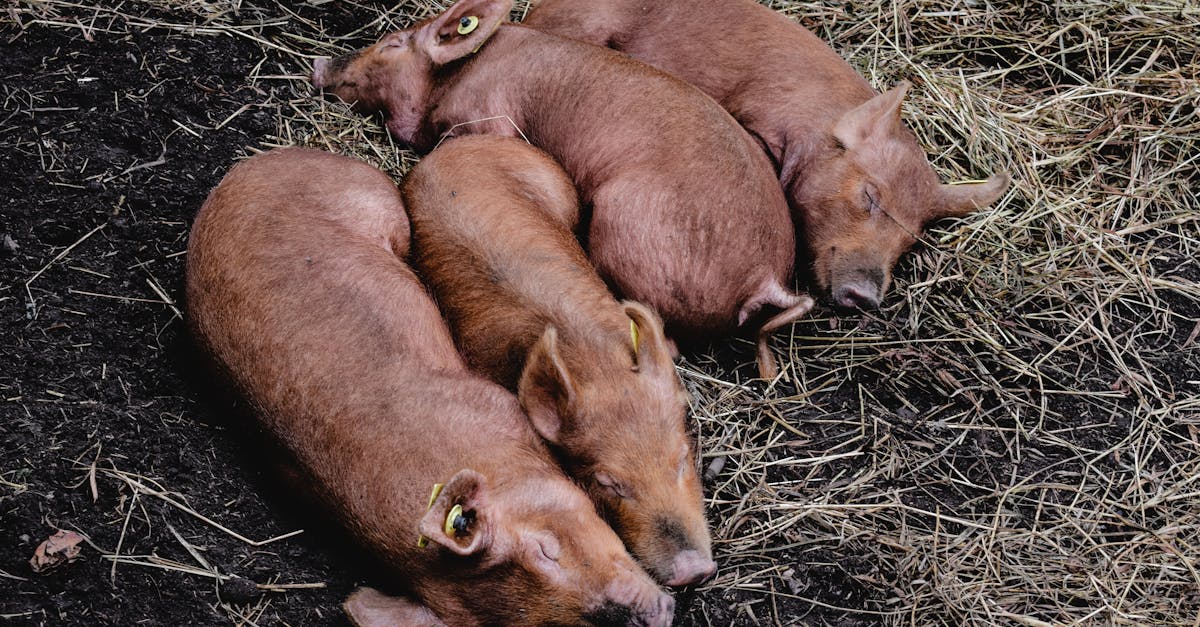
Hog head cheese is a traditional cold meat loaf made from a pig’s head and simmered scraps, set in its own natural gelatin. I learned to make it because I wanted a whole‑animal skill that produces something deeply savory, inexpensive, and endlessly adaptable. In this guide I walk you through authentic steps, safety checks, and flavor ideas so you can make a confident loaf at home.
Key Takeaways
- A hog head cheese recipe yields a savory, sliceable meat loaf set by natural gelatin from the head and trotters, so plan 6–10 hours (mostly hands-off) for simmering and chilling.
- Simmer the split head, shoulder, and trotters at 185–200°F for 4–6 hours, strain and chill the stock, then test a chilled ramekin to confirm gel strength before molding.
- If the jelly is weak, concentrate the stock by reducing 20–25% or add 1–2 tsp powdered gelatin bloomed in cold water to the hot stock for a firmer set.
- Season after shredding and chilling—start with 2 tsp salt as a baseline, taste the cold mix, and adjust; add vinegar, pickles, or spices (juniper, cayenne) to tailor regional flavors.
- Cool molds to below 40°F within four hours to prevent bacterial growth, refrigerate slices up to 7 days (or freeze 3 months), and reheat gently over low heat to preserve texture.
What Is Hog Head Cheese And Why Make It At Home
Hog head cheese (sometimes called souse or brawn) is not a dairy cheese. It’s a pressed meat loaf made from simmered head meat and collagen that sets into a jelly when cooled. What you get is a sliceable, savory loaf with pockets of soft meat, firm skin, and a clear jelly that holds everything together. Which means you can slice it thin for sandwiches or serve thick on a cold plate with pickles.
People have made head cheese for centuries because it uses the whole animal and wastes very little. In the U.S., using the head and other trim can reduce meat waste by up to 20% per carcass, which means better value and lower food cost for home cooks and small producers. I favor making it at home because you control the salt, spices, and texture. Which means you can tune it to your taste and dietary needs.
Expect the process to take 6–10 hours from start to chilled loaf. About 60–75% of that time is hands‑off simmering and cooling, which means most of the work is patient time, not fiddly steps. If you like rustic charcuterie and economical nose‑to‑tail cooking, this recipe gives you a reliable, traditional result.
Traditional Ingredients And Quantities (For 8–10 Servings)
This ingredient list makes one 6–8 cup loaf that serves 8–10 people.
- 1 whole pig’s head (split), about 8–10 lb raw weight, which means you’ll yield roughly 3–4 lb cooked meat.
- 1 lb pork shoulder or picnic roast, boneless, which means added meaty texture and less skin-only slices.
- 2 pig’s feet or 1 lb trotters (optional but recommended), which means extra collagen for a firm jelly.
- 2 medium onions, halved.
- 4 carrots, halved.
- 4 celery stalks, halved.
- 6 garlic cloves, smashed.
- 2 bay leaves.
- 1 tbsp black peppercorns (about 8 g).
- 2 tsp salt (adjust after cooking).
- 1/2 cup cider vinegar or white vinegar (optional).
- 1 tbsp sugar (optional, balances acidity).
- 3–4 hard‑boiled eggs, sliced for garnish (optional).
- Fresh parsley, chopped, for color (optional).
A specific data point: a typical pig’s head contains about 18–22% connective tissue by weight, which means you’ll get ample natural gelatin to set the loaf if you cook long enough. Which means you often don’t need commercial gelatin unless you prefer an extra‑firm slice.
Salt note: The 2 tsp is a starting point. After you shred and chill the mixture, taste a small spoonful of the cold jelly and adjust. Which means final seasoning happens after you combine meat and stock, not before.
Essential And Optional Equipment
Essential:
- Large stock pot (12–16 qt) to fit the head. Which means you need cookware that holds the head plus water without boiling over.
- Large strainer or colander.
- Fine mesh cheesecloth or a chinois for clear stock.
- Loaf pan(s) or terrine mold, 6–8 cup capacity.
- Heavy weights or a press (a couple of canned goods work).
Optional but useful:
- Meat thermometer. Which means you can check for safe internal temperatures (see safety section).
- Boning knife and kitchen shears. Which means you’ll remove meat and trim efficiently.
- Food‑grade plastic wrap and vacuum sealer. Which means longer shelf life and neater storage.
I once used a 16‑quart stock pot and a rigid colander to lift the head out, makes the process faster. A dedicated charcuterie press costs $50–$200, which means a luxury of even compression but is not required for a good, firm loaf.
Step‑By‑Step Recipe: From Head To Loaf
Prepping The Head And Other Meats
I start by rinsing the head and removing the brains if the butcher left them. Which means you avoid an overly soft texture and potential regulatory concerns, many recipes skip brains for this reason.
Ask your butcher to split the head and remove eyes and heavy nerve tissue if you want a cleaner look, which means less fuss at home. Keep the skin, jowls, tongue, and cheeks intact because those are the best parts for texture.
Simmering And Making Stock
Place the head, pork shoulder, and trotters in the pot. Cover with cold water by 2 inches. Bring to a gentle simmer, do not boil hard. I simmer at 185–200°F (85–93°C) for 4–6 hours. A fact: collagen begins converting to gelatin at 160–185°F, which means slow, steady heat extracts the gel you need.
Add onions, carrots, celery, garlic, bay leaves, and peppercorns in the last 2 hours. Skim foam occasionally to keep stock clear. Strain the stock through cheesecloth and chill in the fridge until the fat rises and the stock gels.
Picking, Trimming, And Shredding The Meat
Remove cooked head and let cool until you can handle it. Pull meat from bones, saving skin and some fat. I remove excess hard bits and dice the rest into 1/2‑inch pieces. Which means you control mouthfeel and avoid unpleasant fragments.
Reserve 4–6 cups of strained stock and cut back if it’s already gelatinous. If stock is weak, simmer it down to concentrate, reduce by 25% to boost flavor and gel strength. A measured tip: reducing 6 cups to 4.5 cups raises gelatin concentration proportionally, which means firmer set without adding powdered gelatin.
Seasoning, Binding, And Adjusting Gel Strength
Combine shredded meat, diced skin, and chopped shoulder in a large bowl. Add pepper, 1 tsp salt, 1/2 cup vinegar (optional), and 1 tbsp sugar if using. Pour hot stock over meat until it reaches just below the top of your mix.
Check gel strength: spoon a small amount into a ramekin and chill 30 minutes. If it firms, you’re set. If it’s weak, dissolve 1 tsp unflavored powdered gelatin into 2 tbsp cold water, then stir into the still-warm stock. Which means you add targeted firmness without changing flavor.
Molding, Pressing, And Chilling
Pack the meat firmly into loaf pans or a terrine, tucking in slices of egg and parsley for presentation. Pour stock to cover and press down to eliminate air pockets. Add weight (2–3 lb) and chill 8–12 hours or overnight. A practical stat: chilling below 40°F within 4 hours prevents bacterial growth, which means you should move molds to the fridge promptly.
Unmolding And Slicing For Serving
Run a thin knife around the loaf, invert onto a cutting board, and tap gently to release. Slice with a sharp serrated knife or use a chef’s knife warmed briefly under hot water to get clean cuts. Serve chilled or at cool room temperature.
Regional Variations And Flavor Add‑Ins
Southern, Cajun, And Appalachian Styles
In the American South, cooks often add hot pepper flakes, cayenne, and a splash of apple cider vinegar. Which means the loaf delivers bright heat and tang to cut the fatty mouthfeel. A regional note: Cajun versions may include 1–2 tsp of cayenne per loaf, use less if you prefer mild heat.
European Variants: Brawn, Souse, And Presskopf
British brawn tends to keep a lot of skin and is simply seasoned with salt, pepper, and parsley. Which means it tastes cleaner and highlights the pork itself. German presskopf often uses more vinegar and spices like juniper, which means a sharper, aromatic profile.
Flavor Add‑Ins: Vinegar, Pickles, Spices, And Herbs
Add 2–4 tbsp pickled relish or chopped cornichons for bite. Which means each slice gains acidity that refreshes the palate. Try 1 tsp crushed juniper berries, 1/2 tsp ground mace, or 2 tsp mustard seeds for European notes. Which means you create complex aroma layers without overpowering the meat.
Dietary Substitutions And Modern Twists
You can make a leaner loaf by adding more pork shoulder and skipping pig’s feet, but expect a softer jelly. Which means you may need 1–2 tsp powdered gelatin per loaf. For a modern twist, I sometimes fold in roasted peppers and use a light vinaigrette drizzle when serving. Which means the dish becomes approachable for guests unfamiliar with head cheese.
Pairing note: serve with crisp crackers or savory crackers like these pumpkin crackers for contrast, which means texture plays against the soft meat and jelly. Pumpkin Crackers Recipe
Food Safety, Temperature, And Shelf Life
Safe Handling During Cooking And Cooling
Bring the stock to a simmer and maintain that temperature until meat is fork‑tender and connective tissue has dissolved, typically 4–6 hours. Which means you extract gelatin and ensure safe cooking.
Cool stock to below 40°F within 4 hours of finishing the simmer, which means rapid chilling minimizes bacterial risk. Use an ice bath for the stock pot or divide stock into shallow pans to speed cooling.
Storage, Freezing, And Reheating Guidelines
Refrigerate sliced head cheese in an airtight container for up to 7 days. Which means you can prep for a week of lunches. Freeze sealed portions for up to 3 months: thaw overnight in the fridge. Which means you keep quality without freezer burn when wrapped tightly.
When reheating slices for warm service, do it gently in a pan over low heat, no microwave if you want texture preserved. Which means heat slowly to avoid breaking down the jelly into a greasy mess.
How To Tell If It Has Gone Bad
If the loaf smells sour (not vinegary), shows slimy film, or has mold, discard immediately. Data point: refrigerated pork products kept over 7 days have a substantially higher risk of spoilage, which means err on the side of caution. If in doubt, throw it out.
Serving Suggestions And Pairings
Cold Plate Presentations And Sandwich Ideas
I like thin slices with cornichons, sharp cheddar, and crusty bread. Which means you balance fat with acid and crunchy chew. For a sandwich, layer head cheese with spicy mustard and pickled onions on rye for an immediately satisfying bite.
Side Dishes, Condiments, And Beverage Pairings
Serve with mustard, hot pepper jelly, and crisp potato chips. Which means you offer a range of textures and tastes that suit casual entertaining. Pair with a dry white wine (Sauvignon Blanc) or a bitter lager, both cut fat effectively.
Hosting Tips: Make‑Ahead And Portioning
Make loaves 2–3 days ahead to let flavors marry: they keep 5–7 days refrigerated. Which means you free up time on the event day. Portion slices on a platter and label condiments: plan 3–4 ounces per guest when offering several hors d’oeuvres.
For a creative plate, pair head cheese with a soft cheese like burrata and a drizzle of truffle oil for luxury contrast, which means guests get a range of textures from creamy to firm. See a buttery pairing idea here for inspiration. Truffle Burrata Recipe
Troubleshooting And Pro Tips
Fixing A Weak Jelly Or Watery Loaf
If your chilled ramekin test shows a weak set, gently reheat the strained stock to simmer and whisk in 1–2 tsp powdered gelatin (bloomed in 2 tbsp cold water). Which means you firm the jelly with minimal flavor change. Alternatively, reduce the stock by 20% to concentrate natural gelatin and flavor.
Dealing With Bitter Or Overly Salty Flavor
If the stock tastes bitter, it likely boiled too hard or had overcooked aromatics. Which means you should re‑strain and dilute with a small amount of water and a splash of vinegar. To fix oversalt, add unsalted cooked shredded meat or a peeled, raw potato while warming: the potato will absorb some salt. Which means you can rebalance without throwing out the whole batch.
Efficient Time‑Saving Shortcuts Without Sacrificing Quality
Use a pressure cooker: cook head and shoulder at high pressure for 90–120 minutes and natural release. Which means you can cut simmer time from 4–6 hours to 1.5–2 hours. I used a 12‑quart pressure cooker once and achieved a similar gel and tenderness, just be careful when releasing steam.
Another shortcut: buy a trimmed pig’s head from a trusted butcher to skip heavy trimming at home. Which means you reduce prep time and possible handling mess.
For a different serving idea, I sometimes dice cold head cheese and fold it into cooked tagliarini for a rustic pasta salad, this repurposes leftovers and stretches servings. Recipe for Tagliarini
Conclusion
Hog head cheese is a practical, flavorful way to use parts of the animal that often go overlooked. Making it at home takes patience but rewards you with an economical, high‑impact loaf you can shape to your taste. Which means once you master the simmer, gel test, and final seasoning, you’ll have a versatile charcuterie staple.
My parting tip: start with one head to learn texture control, and expect your second loaf to be better because you’ll already know how your stock performs. Which means practice matters: the more you make it, the more intuitive temperature, gel strength, and seasoning become.
For crunchy accompaniments or party crackers that pair well with the loaf, try these pumpkin crackers for an earthy crunch, which means a pleasant contrast to the silky meat. Pumpkin Crackers Recipe
If you try this recipe, tell me what spices or twists you used. I’ll share adjustments and troubleshoot with you so your next loaf comes out exactly how you like it.
Frequently Asked Questions
What is a hog head cheese recipe and how does it differ from dairy cheese?
A hog head cheese recipe produces a pressed meat loaf from simmered pig head, shoulder, and collagen-rich scraps. It’s not dairy: the natural gelatin from connective tissue sets the loaf into a sliceable jelly, yielding savory slices with meat, skin, and clear jelly for sandwiches or a cold plate.
How long does it take to make hog head cheese and what are the main time steps?
Expect 6–10 hours total: 4–6 hours of gentle simmering to extract gelatin, plus cooling, shredding, molding, and an overnight chill (8–12 hours) for the loaf to fully set. Most time is hands-off simmering and chilling rather than active prep.
How can I fix a weak or watery hog head cheese after cooking?
Test the stock chilled in a ramekin. If weak, reduce the strained stock by ~20% to concentrate gelatin or dissolve 1–2 tsp unflavored powdered gelatin (bloomed in cold water) into hot stock. Recombine and chill again for a firmer set without altering flavor.
What are the safe handling, storage, and shelf life practices for head cheese?
Cool stock and molds to below 40°F within four hours to limit bacterial growth. Refrigerate sliced head cheese in airtight containers up to seven days, or freeze for up to three months. Discard if sour smell, sliminess, or mold appear.
Can I make a hog head cheese recipe faster using a pressure cooker or substitute ingredients?
Yes: a pressure cooker can cut simmer time to 90–120 minutes with a natural release, still extracting gelatin. You can substitute more pork shoulder for a leaner loaf, but expect a softer set—add 1–2 tsp powdered gelatin if needed to achieve firmness.
