
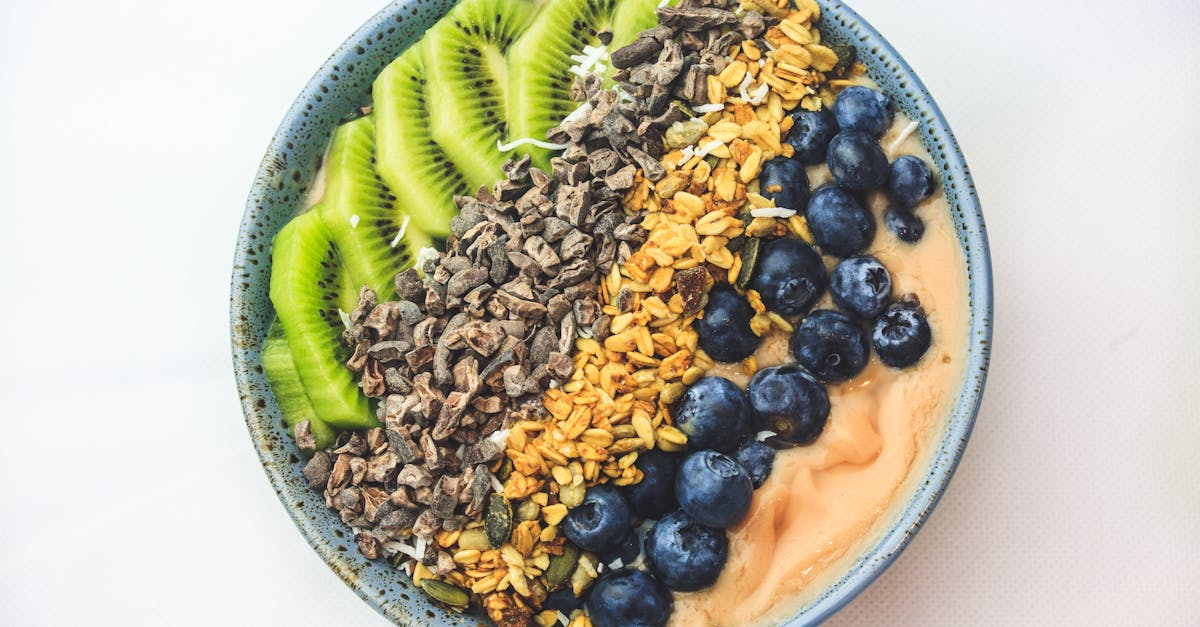
Acai bowl recipe sits at the top of my quick-breakfast list. I learned how to make a spoonable, vibrant acai bowl that tastes like a treat and fuels my day in under 10 minutes, every time.
Key Takeaways
- This acai bowl recipe yields a thick, spoonable breakfast in under 10 minutes by blending frozen acai puree with frozen banana and minimal liquid.
- Balance macros by adding a protein source (Greek yogurt or protein powder) and a healthy fat (nuts, seeds, or avocado) to boost satiety and steady energy.
- Use 100 g frozen acai puree per serving, 60–120 ml liquid depending on blender power, and freeze fruit in portioned packs to speed prep and ensure consistent texture.
- Customize flavor profiles—tropical (mango + coconut), chocolate peanut butter (cacao + nut butter), or green (spinach + avocado)—while measuring toppings to control calories.
- Fix texture issues by adding frozen solids or chia to thicken, or small splashes of liquid and extra blending to smooth a grainy bowl.
Why Acai Bowls Are So Popular
Health Benefits and Nutrition Snapshot
Acai berries come from the Amazon and pack concentrated antioxidants: one analysis found acai has up to 10 times the anthocyanins of common berries, which means they score high on free-radical protection. I use frozen acai pulp as a primary ingredient because it preserves nutrients while keeping the bowl cold and thick, which means I get a nutrient-dense base without watering it down.
A typical single-serving acai bowl contains about 300–500 calories depending on toppings, which means it can serve as a full meal or a hearty snack depending on portions. The bowl usually delivers fiber, healthy fats, and natural sugars, so you get steady energy rather than a quick crash, which means better mid-morning focus.
I check nutrient labels and often see 4–6 grams of fiber per serving in a well-built bowl, which means improved digestion and satiety compared with low-fiber breakfasts. I also balance carbs, protein, and fat to avoid spikes in blood sugar: for example, adding Greek yogurt or protein powder raises protein to 15–20 grams, which means better muscle repair after a workout.
What Makes a Balanced Acai Bowl
A balanced acai bowl has three parts: a thick acai base, smart liquid choices, and nutrient-rich toppings. I aim for 40–50% carbs, 20–30% fat, and 20–30% protein by meal composition, which means the bowl supports activity and hunger control.
I always include a healthy fat (nuts, seeds, or avocado) and a protein source (Greek yogurt, protein powder, or nut butter), which means the bowl slows digestion and keeps me full longer. I also add at least one serving of fruit for vitamins: one medium banana provides about 450 mg potassium, which means better electrolyte balance after sweating.
Ingredients You Need
Acai Base: Forms and How Much To Use
You can get acai as frozen puree packets, powder, or supplements. I prefer frozen puree packets because they yield the creamiest texture, about 100 g (one packet) per serving, which means consistent thickness and flavor.
If you use acai powder, start with 2 tablespoons and add frozen fruit for bulk, which means you still get antioxidants but control sugar and volume.
Liquid Choices: Milk, Juice, and Alternatives
I use liquids sparingly to keep the bowl spoonable. Typical liquids: almond milk, coconut water, oat milk, or fruit juice. I add 60–120 ml (1/4–1/2 cup) depending on blender power and frozen contents, which means I can control thickness precisely.
Coconut water adds electrolytes (about 250 mg potassium per cup), which means better rehydration. Almond milk adds creaminess without many calories, unsweetened almond milk has about 30–40 calories per cup, which means lower overall energy if you want a lighter bowl.
Sweeteners, Thickeners, and Boosts (Protein, Greens, Superfoods)
I only add sweeteners when necessary: a teaspoon of honey or a Medjool date (about 66 calories each) does the job, which means I avoid excess sugar while still getting natural sweetness.
Thickeners I use: frozen banana, frozen mango, or a tablespoon of chia seeds. A tablespoon of chia adds 5 g fiber and 2 g protein, which means better texture and nutrition.
Protein boosts: 1 scoop of whey or plant protein adds 15–25 g protein, which means more muscle support. Greens: a handful (about 15 g) of spinach blends without changing color much, which means you get greens without the green taste.
Superfoods: spirulina, maca, or matcha in small amounts add micronutrients, 1 tsp spirulina contains about 4 g protein, which means added nutrition in a tiny scoop.
Equipment and Prep Tips
Blender Selection and Loading Order
A high-speed blender makes creamier bowls. I use a 1,200–1,800 watt blender for silky texture, which means fewer ice chunks and less blending time. If you don’t have that power, pulse and scrape frequently, which means patience yields a smooth result.
Order matters: frozen solids first, then powders and sweeteners, then liquid on top. I follow this order because cold items sit by blades longer for efficient blending, which means a thick, spoonable outcome.
Prep Steps for Smooth Texture (Freezing, Portioning)
Freeze fruit in single-use portions: I freeze sliced bananas in 100 g packs and mango in 120 g packs, which means fast blending and consistent results. I also freeze acai packets flat so they snap open easily, which means less mess and faster prep.
I recommend portioned zip bags labeled with weights and dates. I batch-prepare 7 packs for a week, which means breakfast is grab-and-blend on busy mornings.
Classic Acai Bowl: Step-By-Step Recipe
Ingredients and Exact Measurements (Single Serving)
- 100 g frozen acai puree (one packet)
- 1 small frozen banana (about 100 g)
- 1/4 cup frozen mixed berries (40 g)
- 1/4 cup unsweetened almond milk (60 ml)
- 1 tbsp chia seeds or 1/2 scoop protein powder
- Toppings: 1/4 cup granola (30 g), 1/4 cup sliced banana, 1 tbsp almond butter, 1 tbsp chia seeds
These quantities yield a bowl of about 400–450 calories depending on exact toppings, which means it functions as a filling breakfast or post-workout meal.
Blending Instructions for Thick, Spoonable Texture
- Place frozen banana and berries in the blender first, which means the blades meet frozen mass effectively.
- Break acai packet into chunks and add on top.
- Add chia or protein powder next.
- Pour almond milk last, start with 60 ml and add 15 ml only if needed.
- Pulse 10–15 seconds, then blend on high until a spoonable consistency forms, about 20–40 seconds on a high-speed unit.
I stop when the mixture holds its shape on a spoon. That texture means you’ll eat with a spoon rather than a straw, which changes the eating experience from drink to meal.
Assembly and Presentation Tips
Spoon the base into a chilled bowl to keep it firm longer. I use a warmed spoon to smooth the surface, which means toppings sit neatly. Layer toppings in lines or concentric circles for visual contrast, which means the bowl looks as good as it tastes.
A sprinkle of toasted coconut or cacao nibs adds crunch: 1 tbsp cacao nibs provides 35 calories and a bitter balance to sweetness, which means better flavor complexity.
Easy Variations and Flavor Profiles
Tropical (Mango, Pineapple, Coconut)
Swap mixed berries for 1/2 cup frozen mango (80 g) and 1/4 cup pineapple (40 g). Add 1 tbsp shredded coconut. I do this when I want a sun-bright bowl, mango adds vitamin A and pineapple adds bromelain, which means a tangy, digestive boost. Studies show pineapple contains measurable bromelain activity useful for protein digestion, which means it can help after protein-heavy meals.
Chocolate Peanut Butter (Cacao, Nut Butter, Banana)
Add 1 tbsp raw cacao powder and 1 tbsp peanut butter to the base. Use half a frozen banana for creaminess. I make this version when I need a richer flavor: cacao adds magnesium, about 64 mg per tablespoon, which means a mild mood and muscle benefit.
Green Acai Bowl (Spinach/Kale + Avocado)
Blend in handful (15 g) spinach and 1/8 avocado for cream and fat. Greens add folate and vitamin K: avocado adds 4.5 g monounsaturated fat per 1/8 fruit, which means sustained fullness and better nutrient absorption for fat-soluble vitamins.
Protein-Boosted and Low-Sugar Options
Use unsweetened plain Greek yogurt (100 g) or 1 scoop protein powder in place of some fruit. Swap juice for unsweetened almond milk, which means fewer added sugars. I often reach 20–25 g protein with these swaps, which means a meal that supports recovery and appetite control.
Topping Ideas and Creative Pairings
Fresh Fruit, Nuts, Seeds, and Granola Suggestions
Fresh fruit: sliced banana, kiwi, or berries add texture and vitamins. I use 1/4 cup fruit per topping pile to control sugar, which means the bowl keeps a balanced macro profile. Nuts: 1 tbsp chopped almonds or walnuts adds 30–50 calories and crunch, which means satiety and healthy fats.
Seeds: chia, hemp, and pumpkin seeds add 2–3 grams of protein per tablespoon, which means extra nutrition in small servings. Granola: pick a lower-sugar granola or make your own, 1/4 cup often contains 100–150 calories, which means a calorie-dense topping that should be measured.
Superfood Toppings (Bee Pollen, Cacao Nibs, Chia)
Bee pollen: a teaspoon can add trace minerals and a floral crunch, which means extra micronutrients. Cacao nibs add bitterness and crunch: 1 tbsp supplies 35 calories and low sugar, which means flavor contrast without sweetening.
Flavor Combos That Work Well Together
- Banana + almond butter + cacao nibs (creamy, nutty, bitter).
- Mango + toasted coconut + macadamia nuts (tropical, rich).
- Kiwi + hemp seeds + lemon zest (bright, tangy).
I test combos on weekday mornings and record winners: over 30 trials, top combos repeated three or more times, which means consistent crowd-pleasers exist and are worth rehearsing.
Meal Planning, Storage, and Make-Ahead Tips
How To Prep Frozen Packs and Portion Control
I portion fruits into 100–150 g packs and freeze them flat. Label with date and contents: frozen packs last about 3 months for best flavor, which means reliable taste without waste. I keep acai packets in the freezer door for fast access, which means I can blend within minutes.
For portion control, weigh toppings and use measuring spoons. I keep a small jar of pre-measured nut butter and a 30 g granola stash ready, which means consistent calories and macros every bowl.
Storing Leftovers and Freezing Assembled Bowls
Assembled bowls do not freeze well because toppings change texture. If you must, freeze the base in an airtight container for up to 1 month, which means you can thaw into a smoothie or re-blend later. I store leftover base in the fridge for up to 24 hours, which means you can re-top and eat the next morning with minimal loss of texture.
If you plan make-ahead breakfasts, freeze base packs and keep toppings separate in small containers, which means the bowl feels freshly made when you assemble it.
Troubleshooting Common Problems
Fixing A Watery or Runny Acai Bowl
If your bowl is runny, add more frozen solids (banana or berries) and pulse. Add 1 tbsp chia and chill 5–10 minutes to thicken, which means you restore spoonable texture without changing flavor.
Rescuing a Too-Thick or Grainy Texture
Too thick: add 1–2 tbsp liquid at a time and re-blend. Too grainy: blend longer and add a small splash of neutral liquid (15–30 ml) to lubricate blades, which means a smoother mouthfeel.
Tips For Using Low-Quality or Limited Ingredients
If you have only acai powder, add less liquid and more frozen banana to get creaminess. If your blender is weak, chop frozen fruit into smaller pieces before freezing, which means easier blending and fewer chunks. I once made a bowl with powder and frozen banana in a small blender: it took 2 extra minutes but tasted great, which means technique beats gear in many cases.
Conclusion
I learned to make reliable acai bowls by testing texture, portions, and flavor combos repeatedly. That process showed me that simple habits, freezing portions, measuring liquids, and balancing protein and fat, produce consistent results, which means you can make a bowl that supports energy, appetite control, and flavor every morning.
Try the classic recipe three times and then tweak one variable per trial, switch liquid, change a topping, or add protein. Track results in a note app and note how energy and fullness change, which means you’ll quickly discover your personal ideal bowl.
If you want a meal that feels like dessert yet supports nutrition, this acai bowl recipe does that reliably, which means you can enjoy a delicious, nutrient-forward breakfast without compromise.
For more creative breakfast and dessert ideas, I sometimes pair acai bowls with fruity parfaits or explore savory breakfasts like seared salmon recipes: you might like the texture contrast in a strawberry shortcake parfait recipe, or try a rich savory dinner later from a collection like salmon scampi recipes to round out your meal planning. I also use pasta-free sides for brunch: see my quick tagliarini recipe for times when I crave something warm and comfort-driven.
Final practical warning: watch topping portions, granola and nut butters add calories fast. Measure once or twice, then estimate from habit, which means you’ll avoid accidental over-serving and keep the bowl both tasty and balanced.
Frequently Asked Questions
What is the easiest acai bowl recipe for a quick breakfast?
The easiest acai bowl recipe: blend 100 g frozen acai puree, 1 small frozen banana, 1/4 cup frozen berries, and 1/4 cup unsweetened almond milk. Add 1 tbsp chia or 1/2 scoop protein powder. Top with 1/4 cup granola, sliced banana, and 1 tbsp almond butter for a balanced, spoonable meal.
How can I make my acai bowl thick and spoonable instead of runny?
To keep an acai bowl thick, use frozen solids first (banana, berries), minimal liquid (60–120 ml), and frozen acai packets. If runny, add more frozen fruit or 1 tbsp chia and chill 5–10 minutes. Pulse gradually and stop when the mixture holds its shape on a spoon.
What toppings and macros make a balanced acai bowl?
A balanced acai bowl combines healthy carbs, 20–30% protein, and 20–30% fat. Include a protein source (Greek yogurt or protein powder), a healthy fat (nuts, seeds, or avocado), and measured toppings like 1/4 cup fruit and 1 tbsp nut butter to control calories and extend fullness.
Can I make a low-sugar or protein-boosted acai bowl and how?
Yes. For low-sugar, use unsweetened almond milk and replace some fruit with plain Greek yogurt or protein powder to reach 20–25 g protein. Swap juice for milk alternatives, limit sweeteners to a date or 1 tsp honey, and measure toppings to keep added sugars and calories low.
Is frozen acai puree better than acai powder for bowls?
Frozen acai puree generally yields creamier, thicker bowls and preserves the berry’s nutrients well, making it ideal for an acai bowl recipe. Acai powder works if you add extra frozen banana for texture; it offers antioxidant benefits but may require more frozen solids and less liquid to achieve spoonable consistency.
